The Everyday Things You Saw in 1960s America
A quick errand in the 1960s could take you from a gas station attendant to a bank window that sent your deposit through a tube. At home, the television, the kitchen table, and the front step had their own familiar objects.
See how many of these sights you can put back in their usual place.
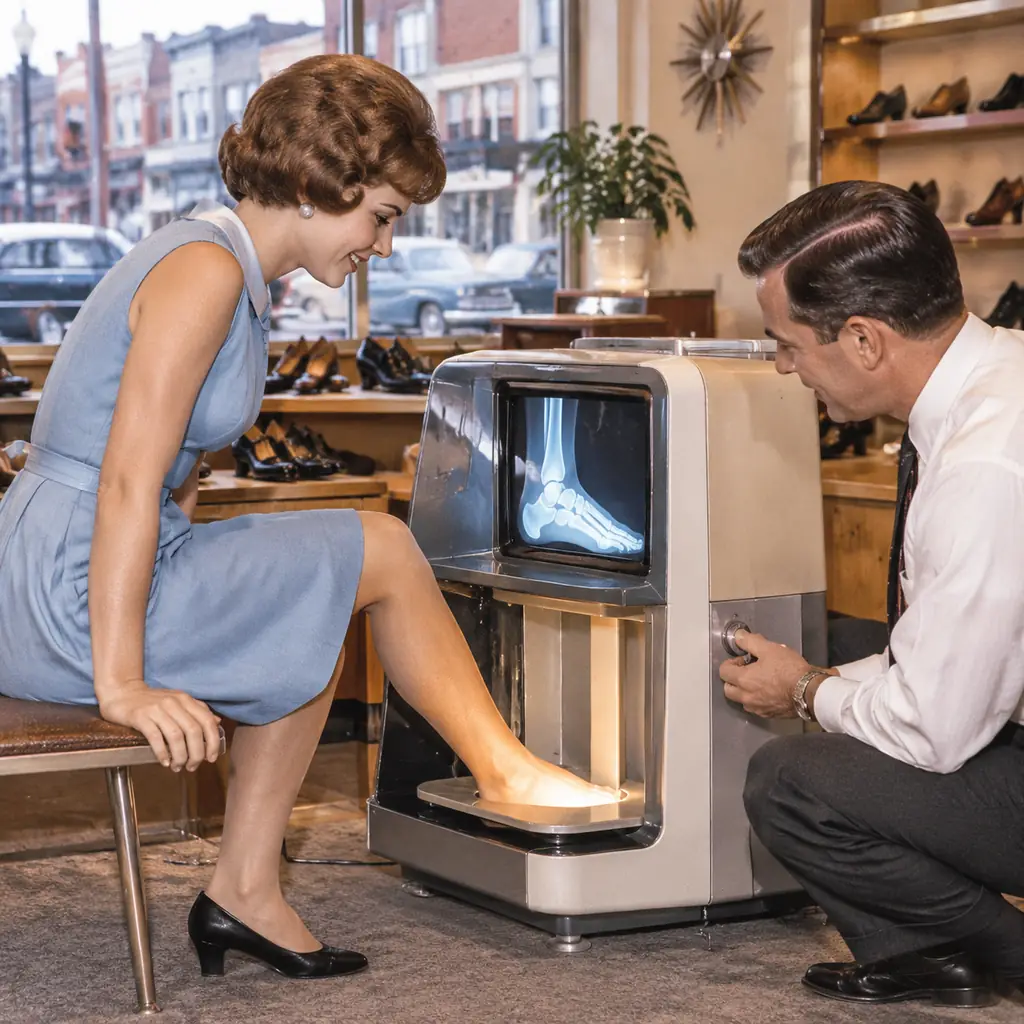
1. A shoe-fitting X-ray machine
The shoe-fitting fluoroscope let staff and customers look at an X-ray image of feet inside a pair of shoes. A child could climb onto the machine and look at the bones instead of having a finger pressed against the toe.
Use declined as concern about radiation grew. Seeing one still around would have depended on where you lived and when you were fitted.
2. A freshly copied mimeograph sheet
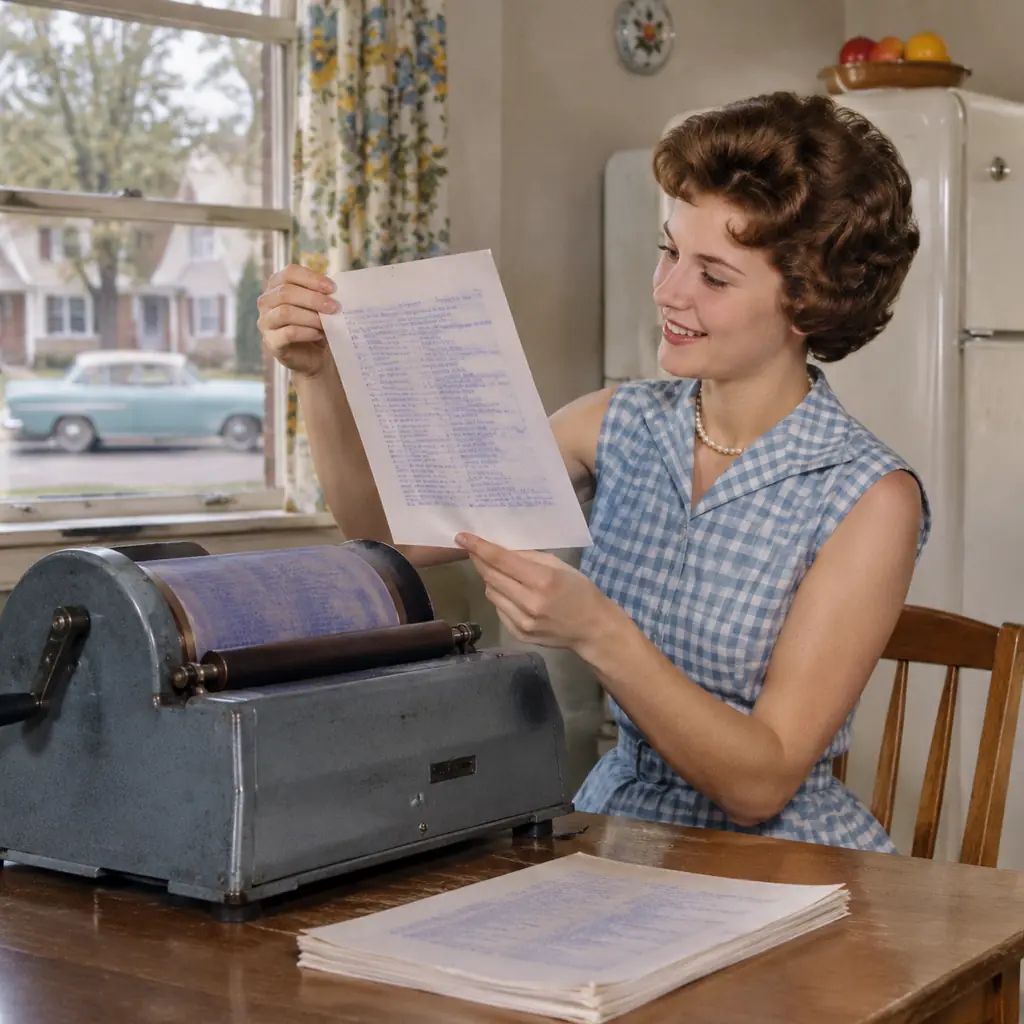
A duplicated school sheet had a feel that set it apart from a modern printout, especially when the paper was new. Teachers and office workers could turn out a stack without sending it to a printer.
People often use mimeograph as a name for several copying methods. The familiar purple print and smell many recall came in particular from spirit duplicators.
3. A pneumatic tube at the drive-through bank
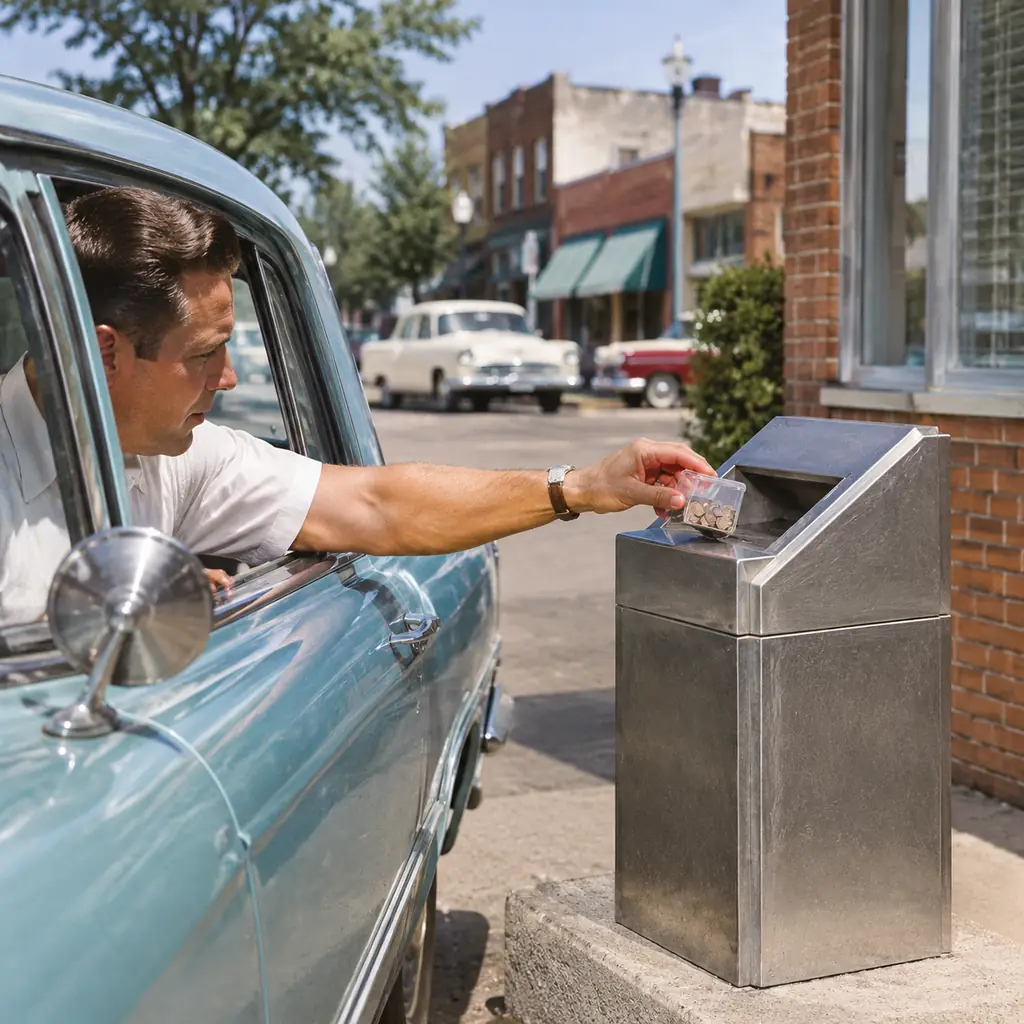
A bank drive-through tube carried a capsule between the teller and someone seated in a car. The driver put slips, checks, or cash into the carrier and waited to hear the teller over a speaker.
The technology spared both people a trip across the parking lot. The sound of the returning capsule told you the exchange had finished.
4. View-Master reels
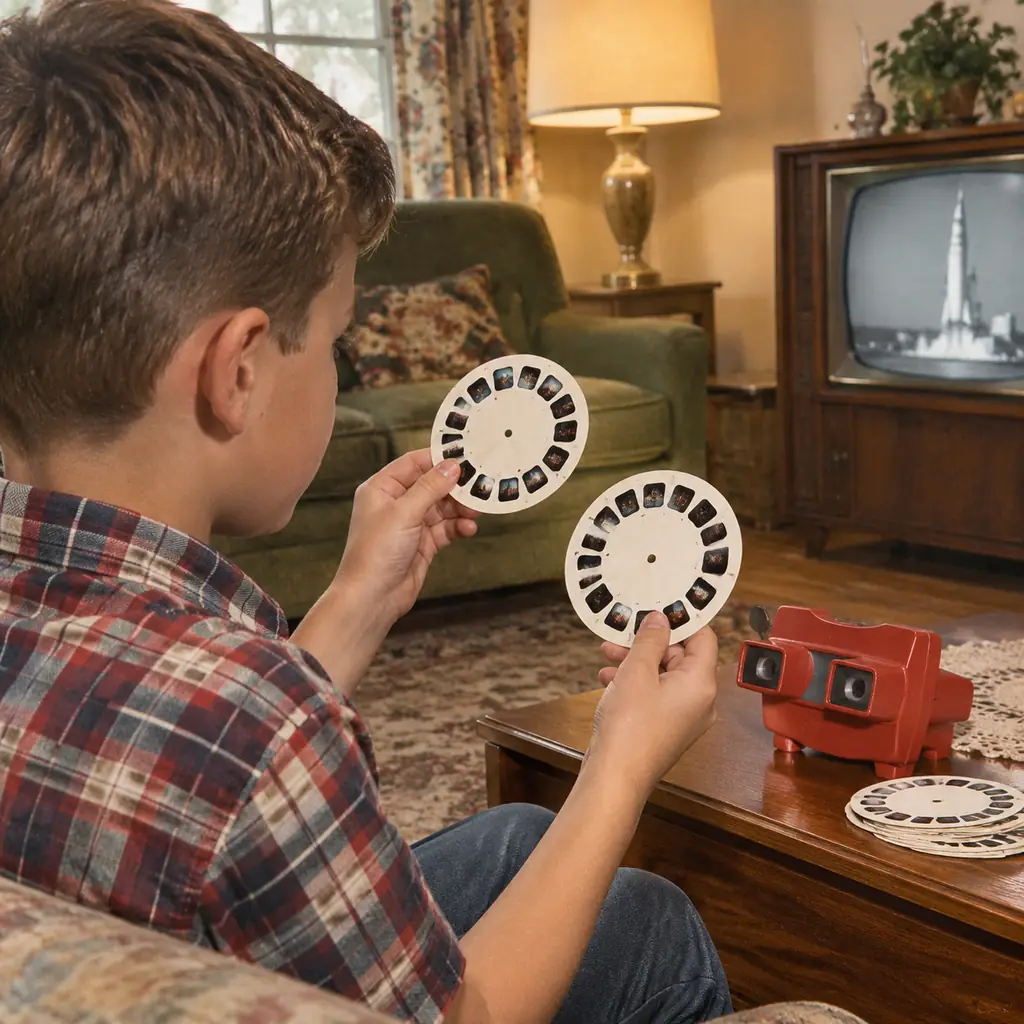
A View-Master reel held pairs of small photographs that came together as one three-dimensional scene in the viewer. Pulling a lever advanced the next pair.
A reel might take you to a national park or a place you knew only from television. When a picture went by too quickly, the reel made another trip around.
5. A full-service gas pump
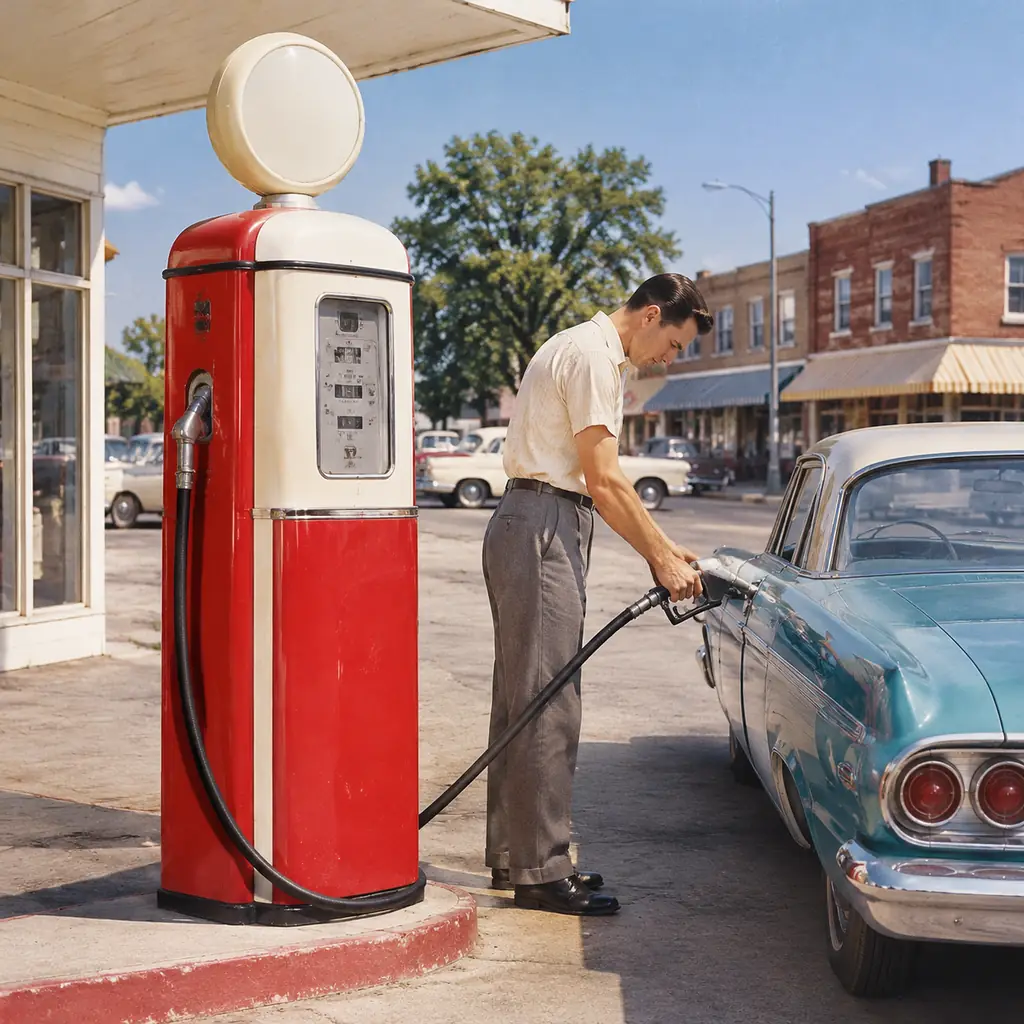
A full-service station gave an attendant more to do than fill the tank. Depending on the station, you might have the windshield wiped, the oil checked, or a tire looked at before you drove off.
The customer could keep a window open to talk to the person outside. For a child in the back seat, the entire stop happened just beyond the glass.
6. Collecting Green Stamps
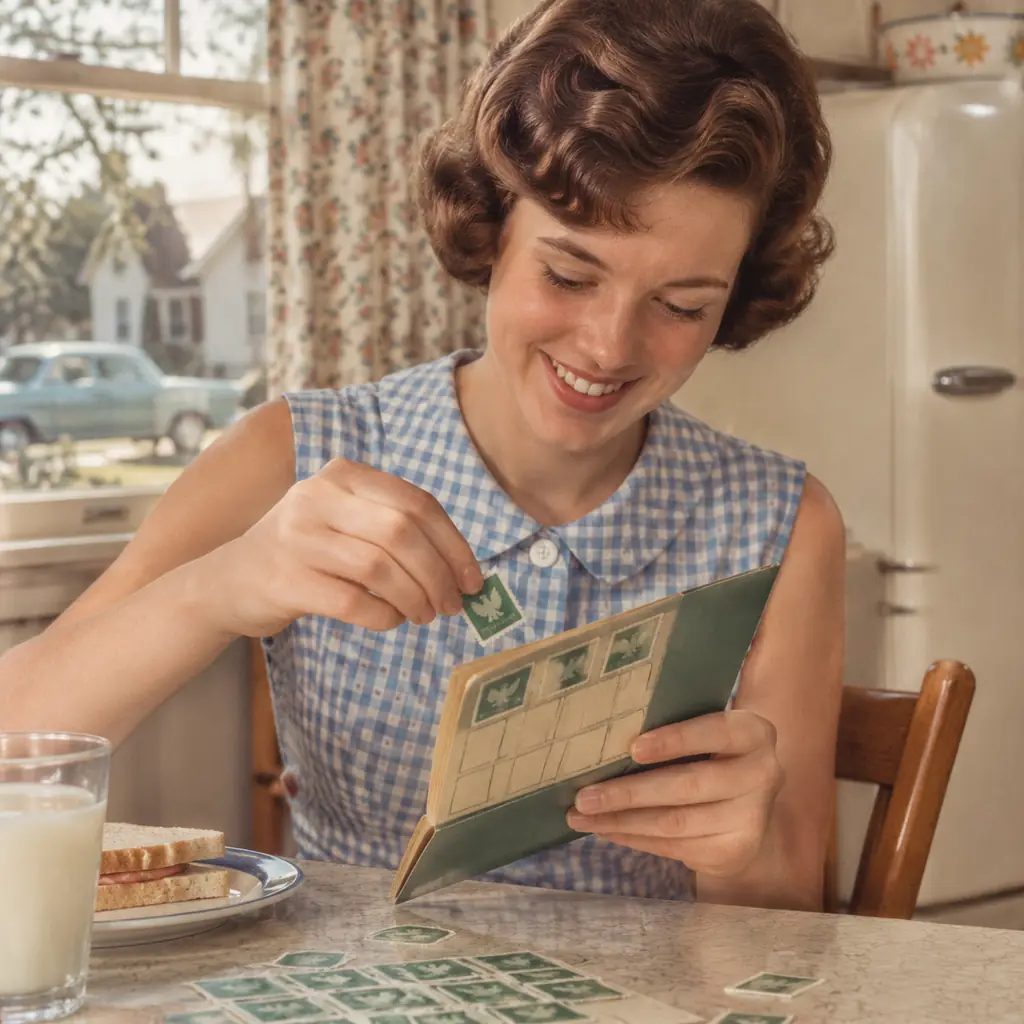
Shoppers received S&H Green Stamps with some purchases. They pasted the stamps into books and could redeem filled books for merchandise.
A household could look through the redemption catalog and decide whether to spend its books soon or hold them for something bigger. A loose stamp was useful when it joined the rest.
7. An aluminum ice tray
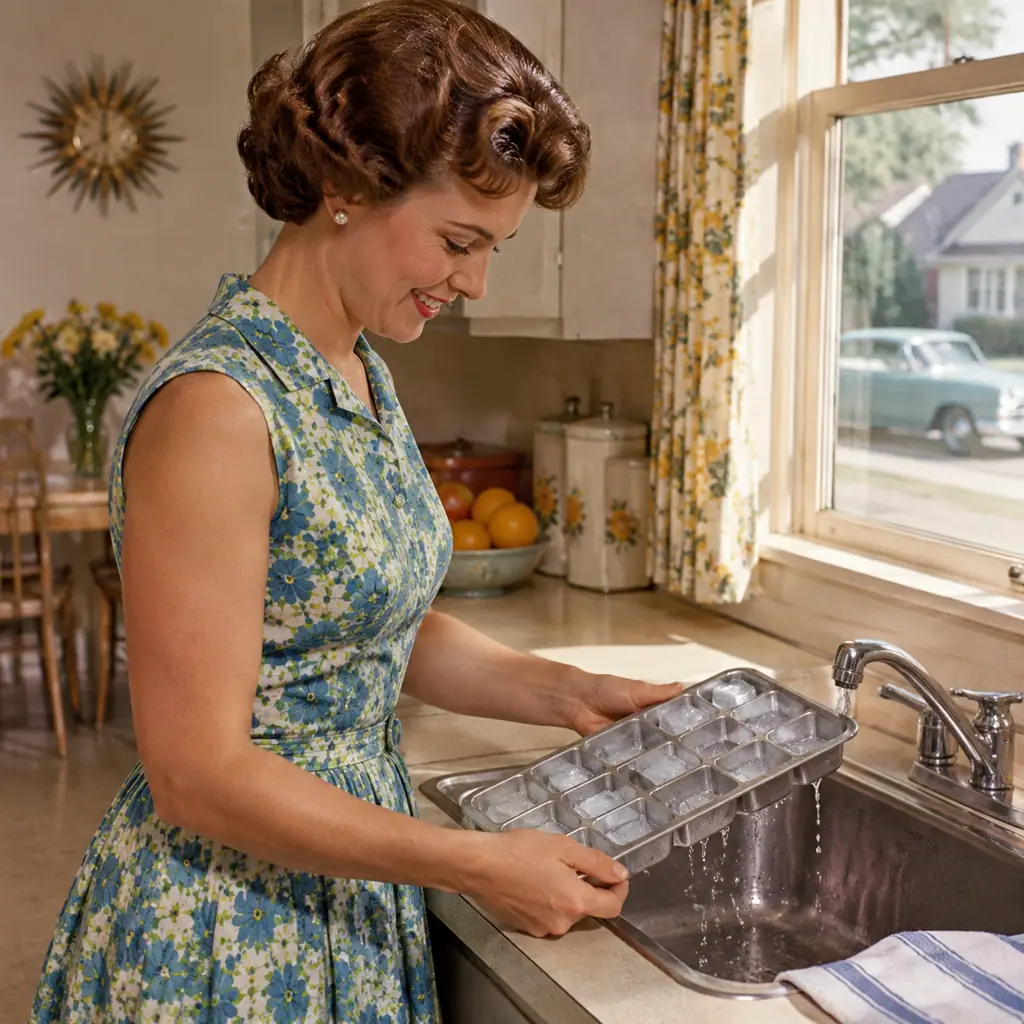
An aluminum tray separated ice into cubes with a removable divider. A handle could move the parts enough to release the cubes once the tray had frozen.
The metal felt cold before you could see how many cubes were left. It was one of the small mechanical jobs that disappeared when flexible trays and automatic ice makers became familiar.
8. The television signing off
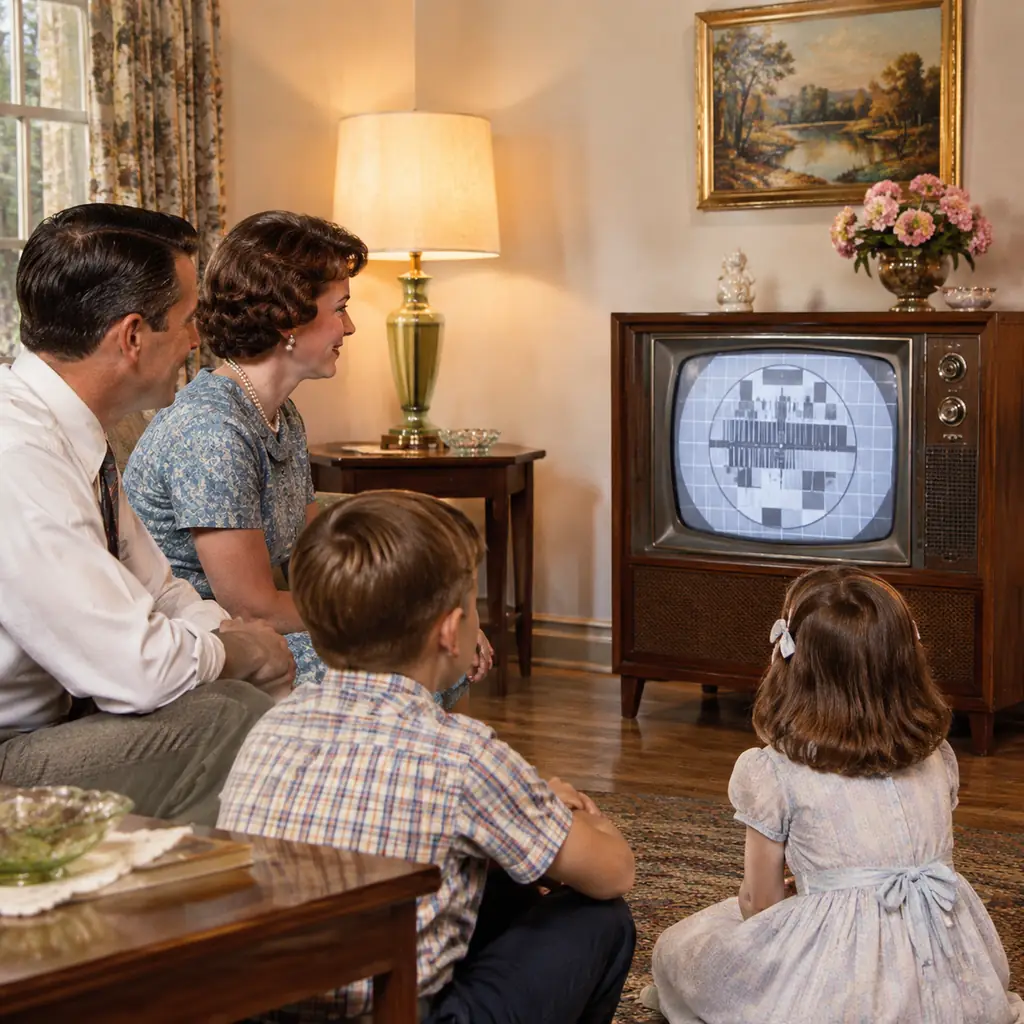
A station could sign off at the end of its broadcast day. The last picture or announcement was followed sooner or later by a test pattern, a silent screen, or static.
What viewers saw depended on the station. The end of the schedule gave the whole room a reason to know how late it had become.
9. A first look at color television
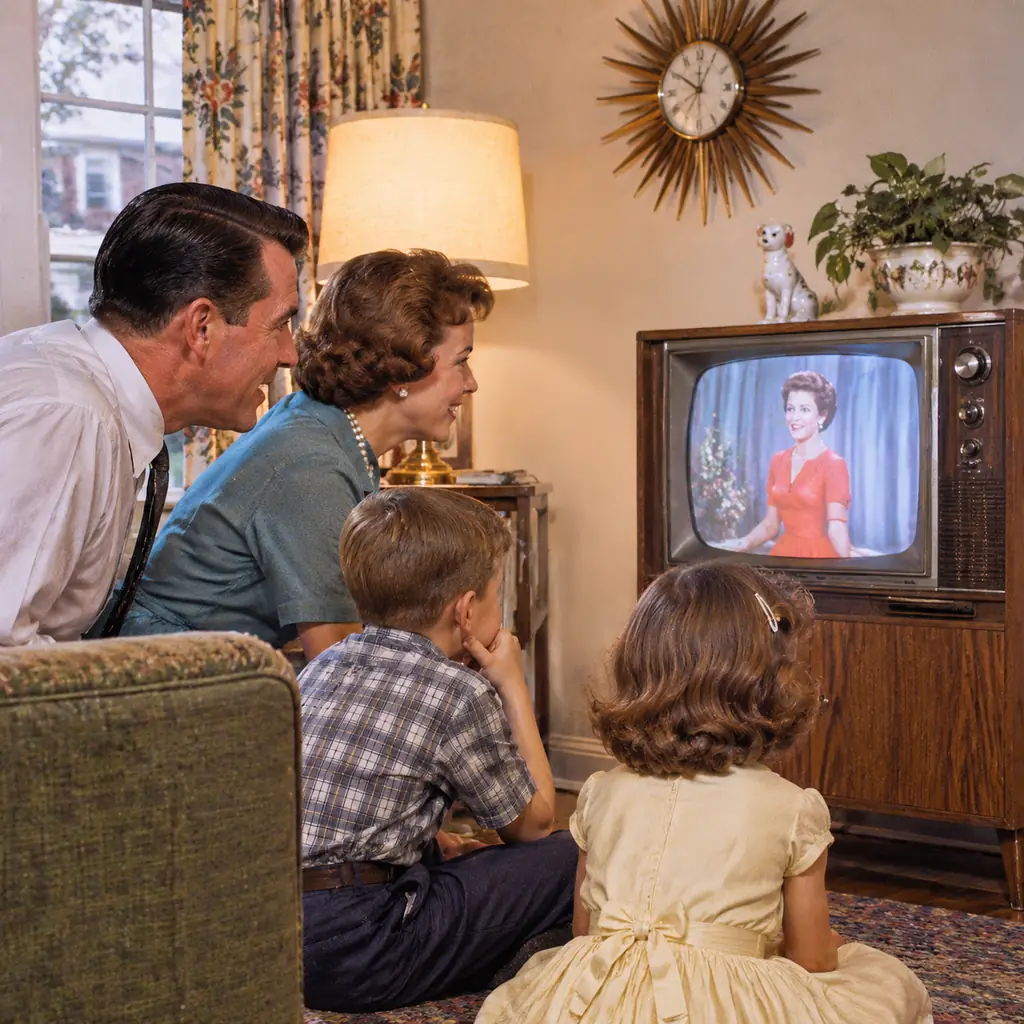
A color set made familiar television pictures look different as broadcasters increased color programming. A viewer might go to another household to see an event on a set their own family did not yet own.
The transition was gradual. Having a color set made the broadcast itself, and what looked good in color, a topic of conversation.
10. Slide shows and 8 mm home movies
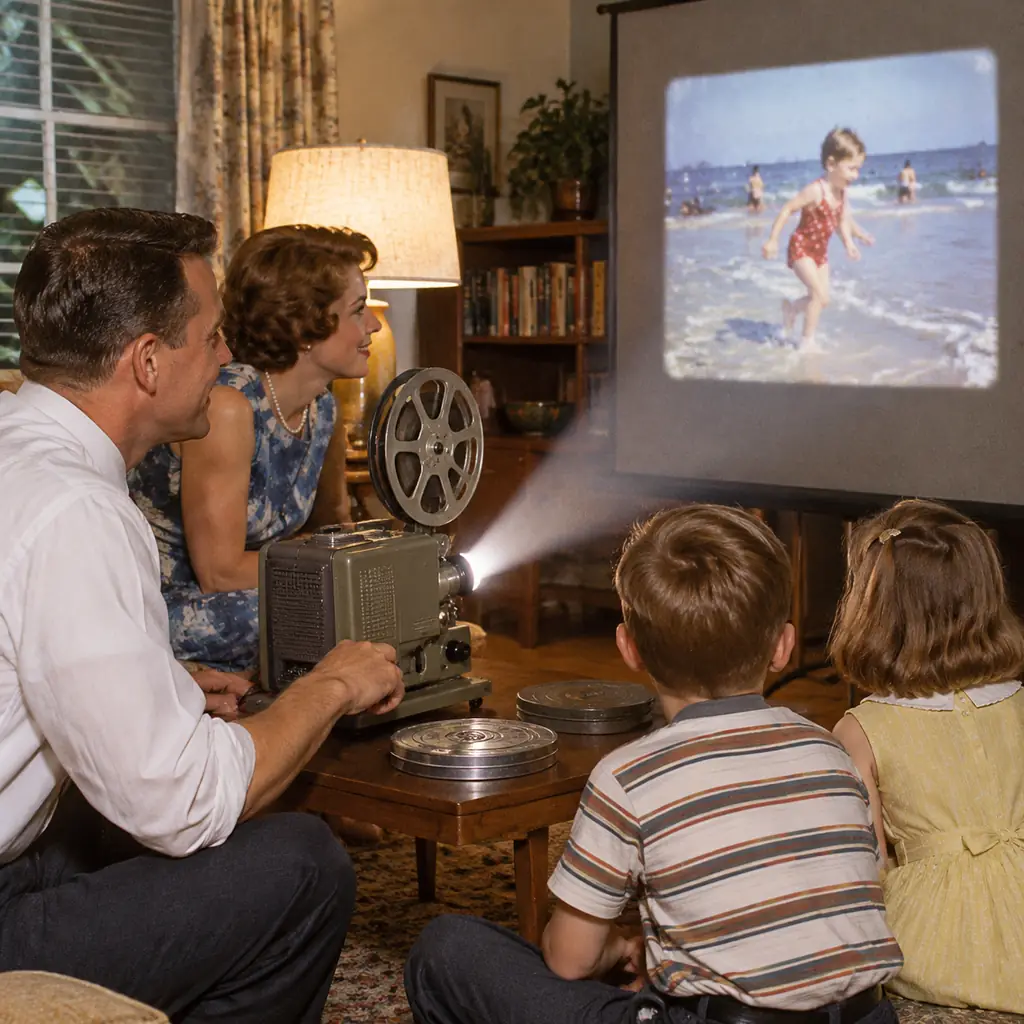
A projector put a vacation or family party on a portable screen or a wall. A slide show could pause at the host’s discretion. A small-gauge movie brought movement instead.
The equipment took a little time to set up. Hearing it run in the dark was part of what made the ordinary living room feel like a place to see a film.
11. Plastic covers on the furniture
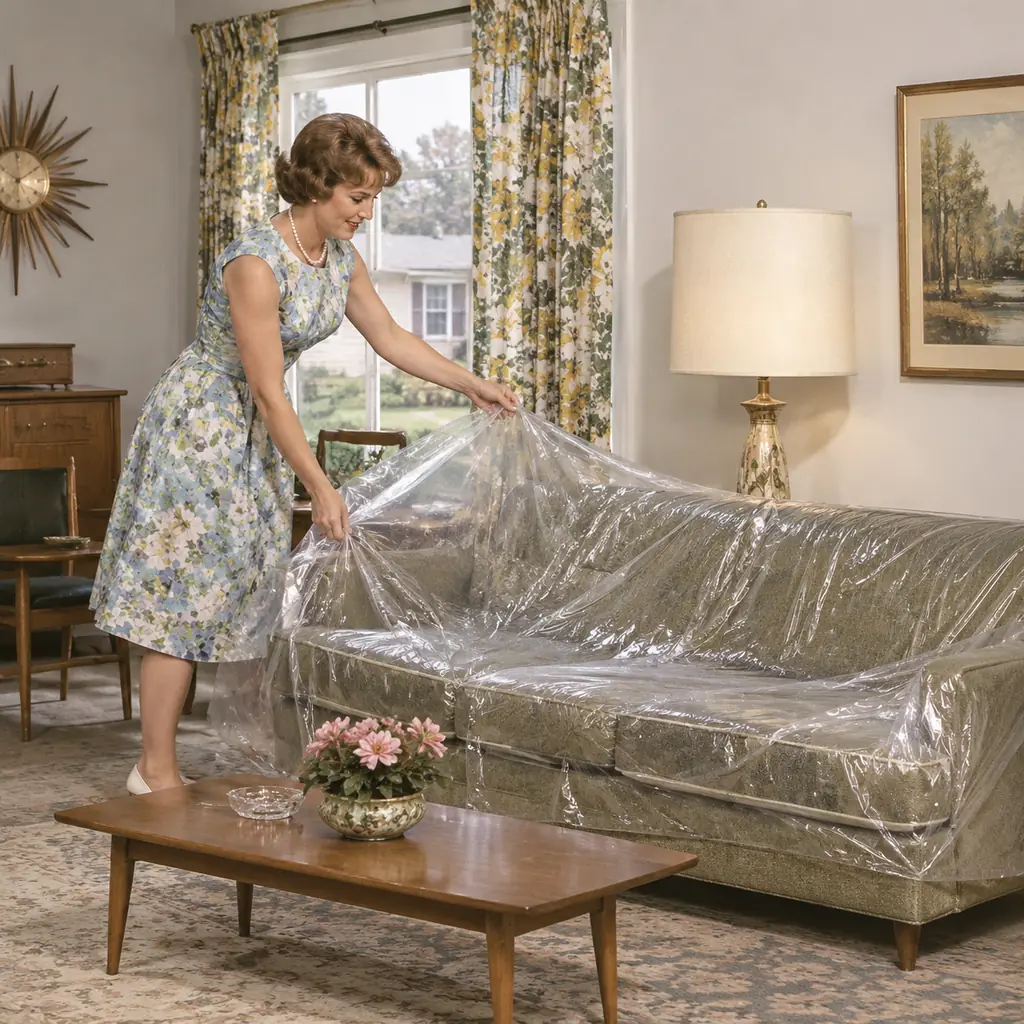
A clear cover protected upholstery while leaving the pattern visible. Sitting down could produce a sound that had nothing to do with the cushion beneath it.
People who used covers often had a reason to protect a costly piece of furniture. Children knew exactly which seat had one on a warm afternoon.
12. Taking empty soda bottles back
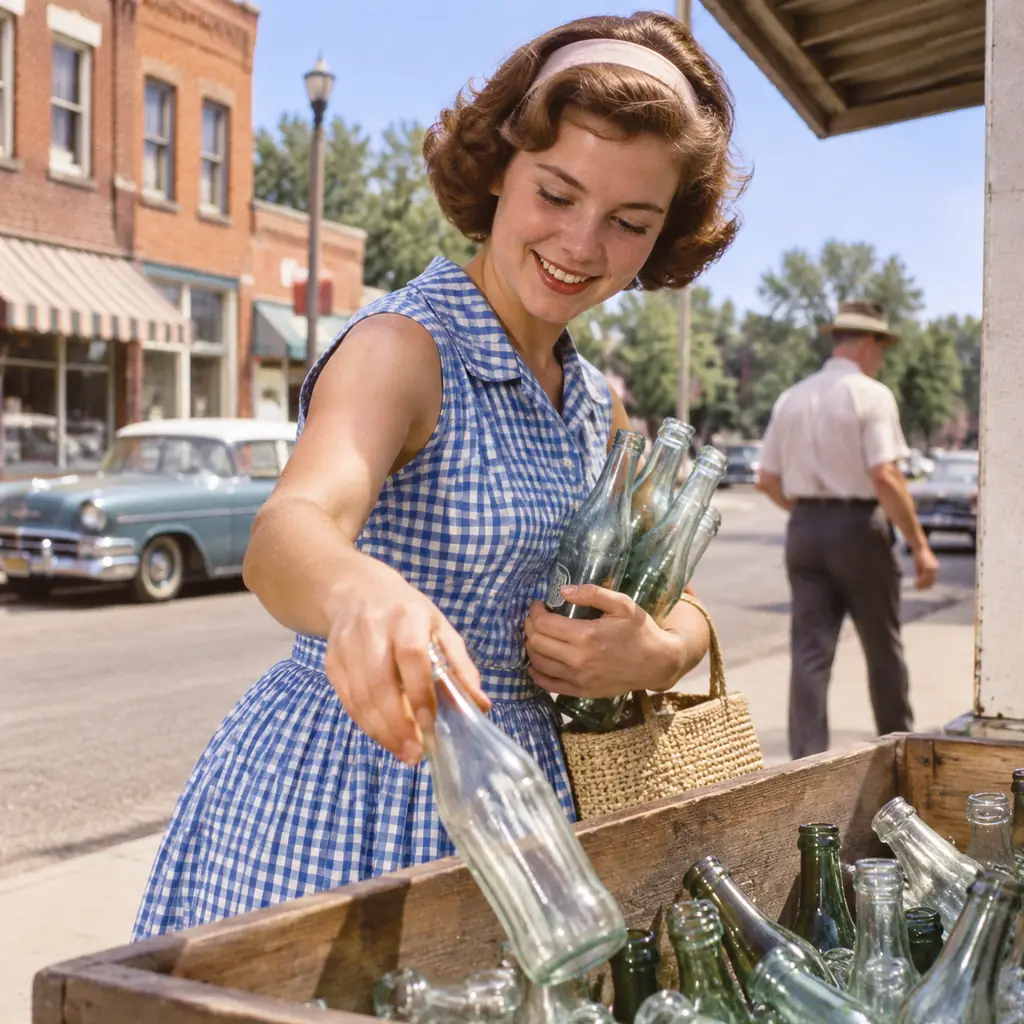
A glass bottle could carry a deposit that made it worth taking back after the drink was gone. Bottles gathered in a kitchen or garage until there were enough to bring to the store.
The value was modest for each bottle. A child with enough empties still had a way to turn an errand into pocket money.
13. Shopping from the Sears catalog
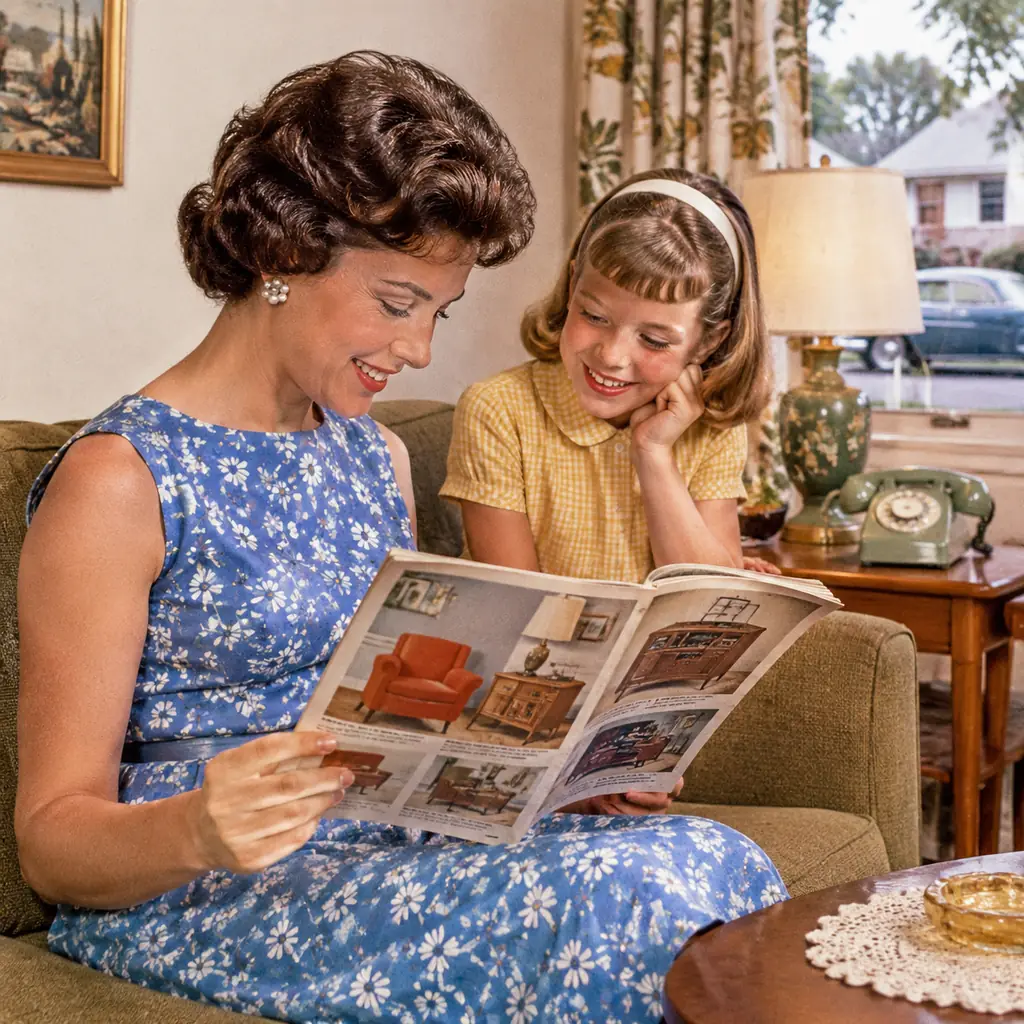
The Sears catalog gave a buyer room to compare household goods at the kitchen table. People could study pictures, measurements, and prices they could not get from a quick look at a shop window.
A marked page came back out whenever a decision had to be made. The catalog also put things on the list that local stores could not carry.
14. A clothesline with wooden pins
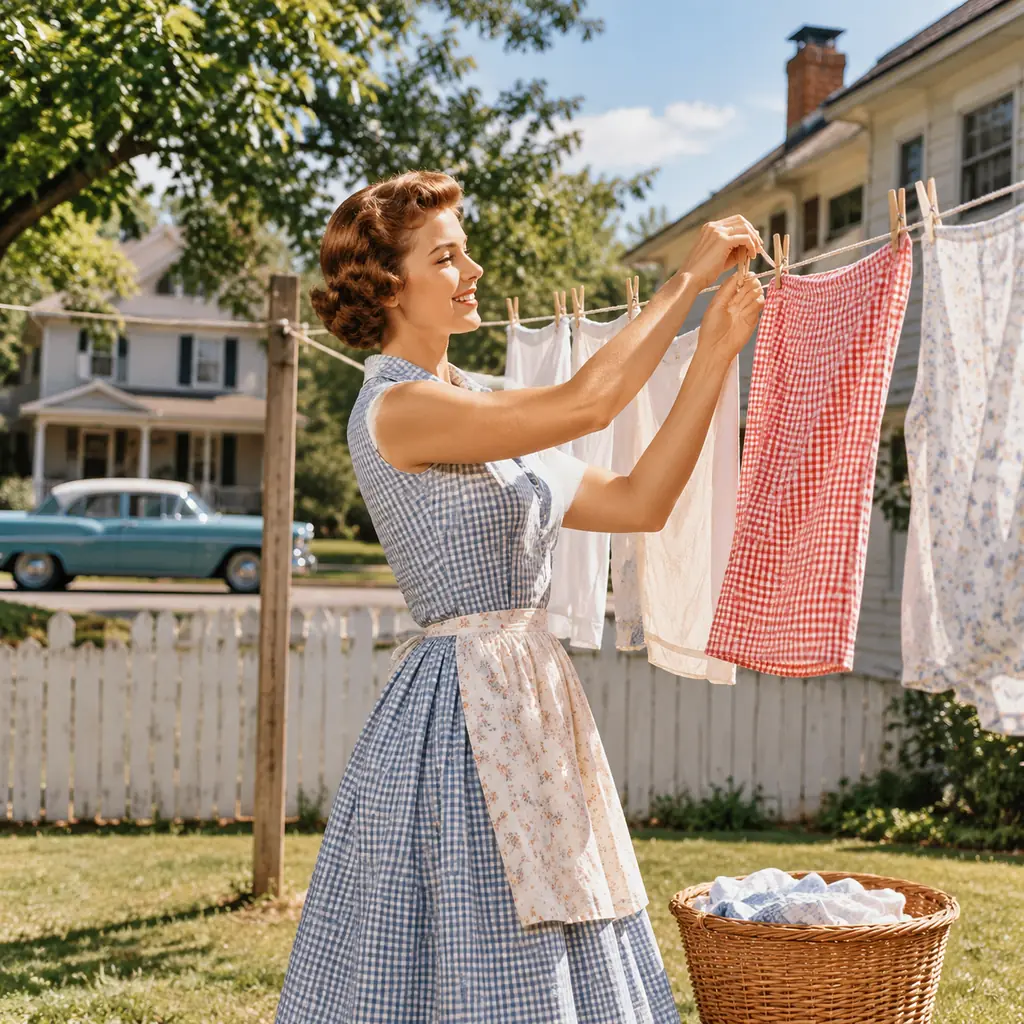
Wooden clothespins gave damp clothes something to hold them against the wind. Sheets could take a large part of the line. A second row of smaller things filled in the spaces that remained.
Outdoor drying kept the weather in the day’s plans. You learned to check the sky before carrying out a basket.
15. A metal lunch box
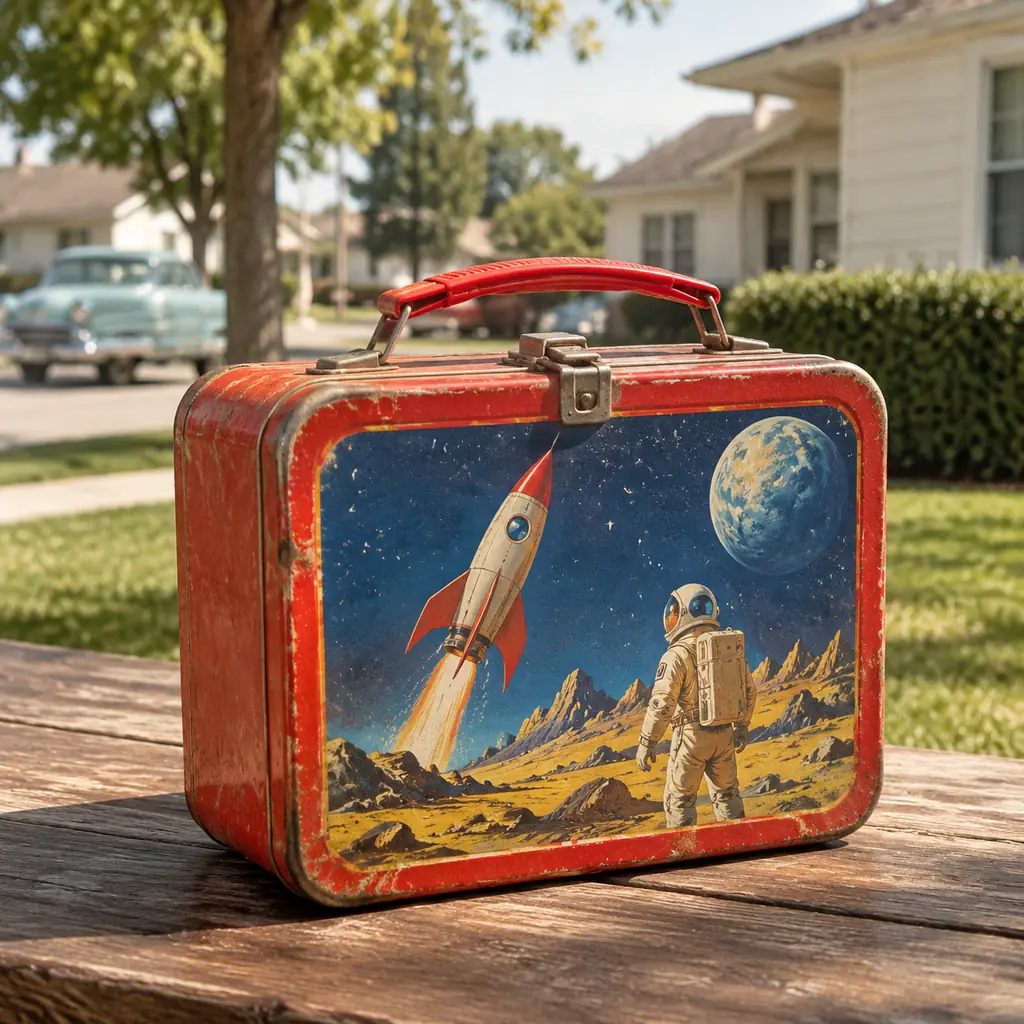
A metal lunch box protected a sandwich from whatever else a child had to carry to school. Some had pictures from television or comics and a matching bottle inside.
Bumping one against a desk left a mark that might still be there years later. The current picture mattered even when the lunch hardly changed.
16. Fizzies drink tablets
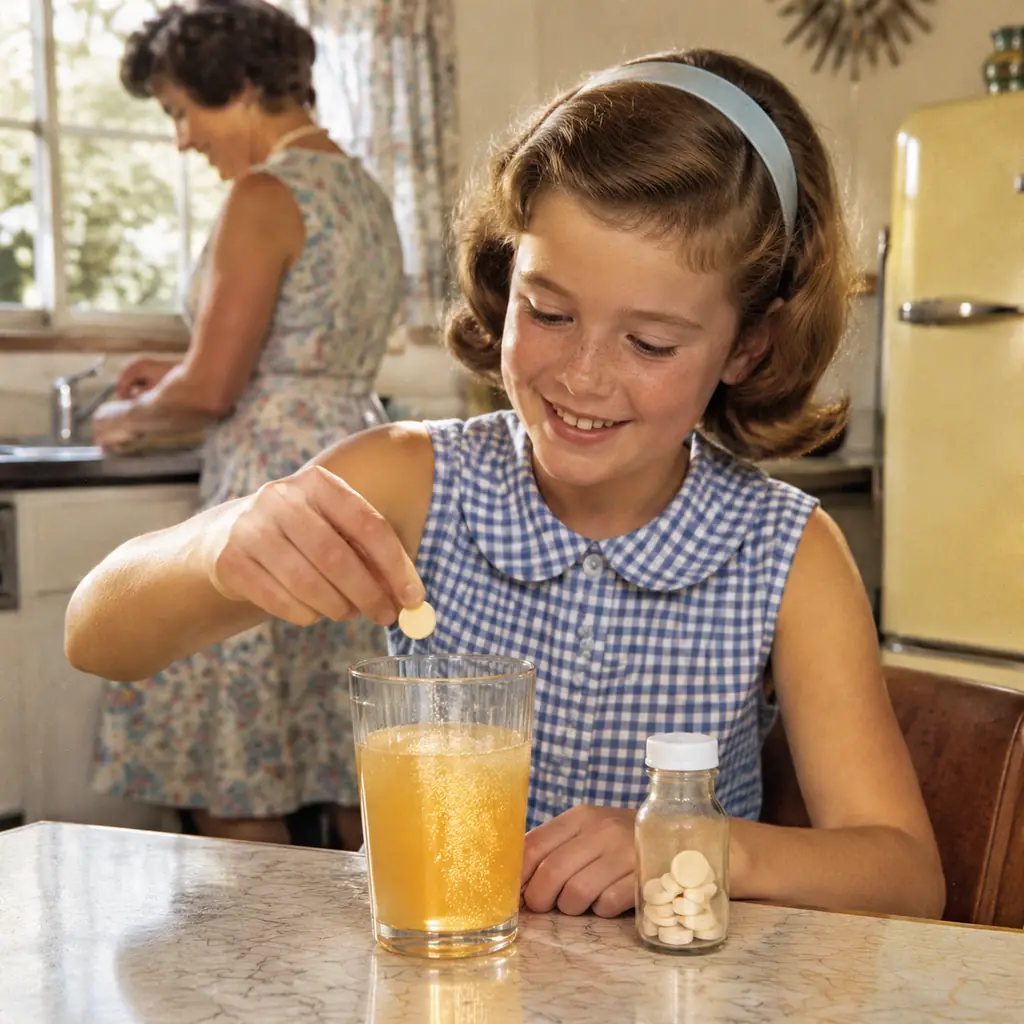
Fizzies tablets dissolved in water and gave it bubbles and flavor. You could watch the surface change before the drink was ready, which was part of the appeal for children.
A glass did not require a bottle opener or a trip to the corner store as long as somebody had kept a package in the cupboard.
17. A chemistry set at home
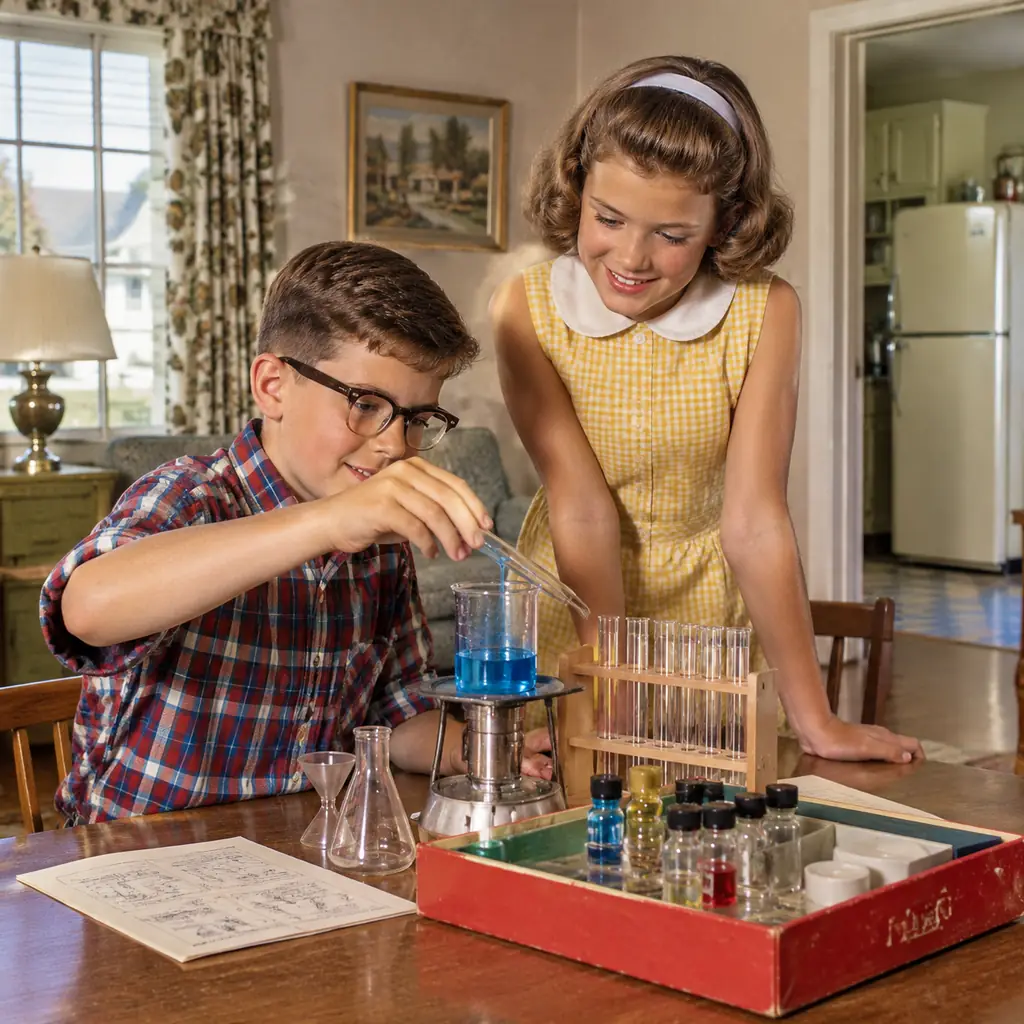
A chemistry set put test tubes and a few familiar pieces of laboratory equipment into a box for home use. The experiment book mattered because the tools did not explain themselves.
What manufacturers supplied changed over time. A period set looks different from a present-day science kit in both its contents and what it asked a child to handle.
18. Rabbit ears with foil on the tips
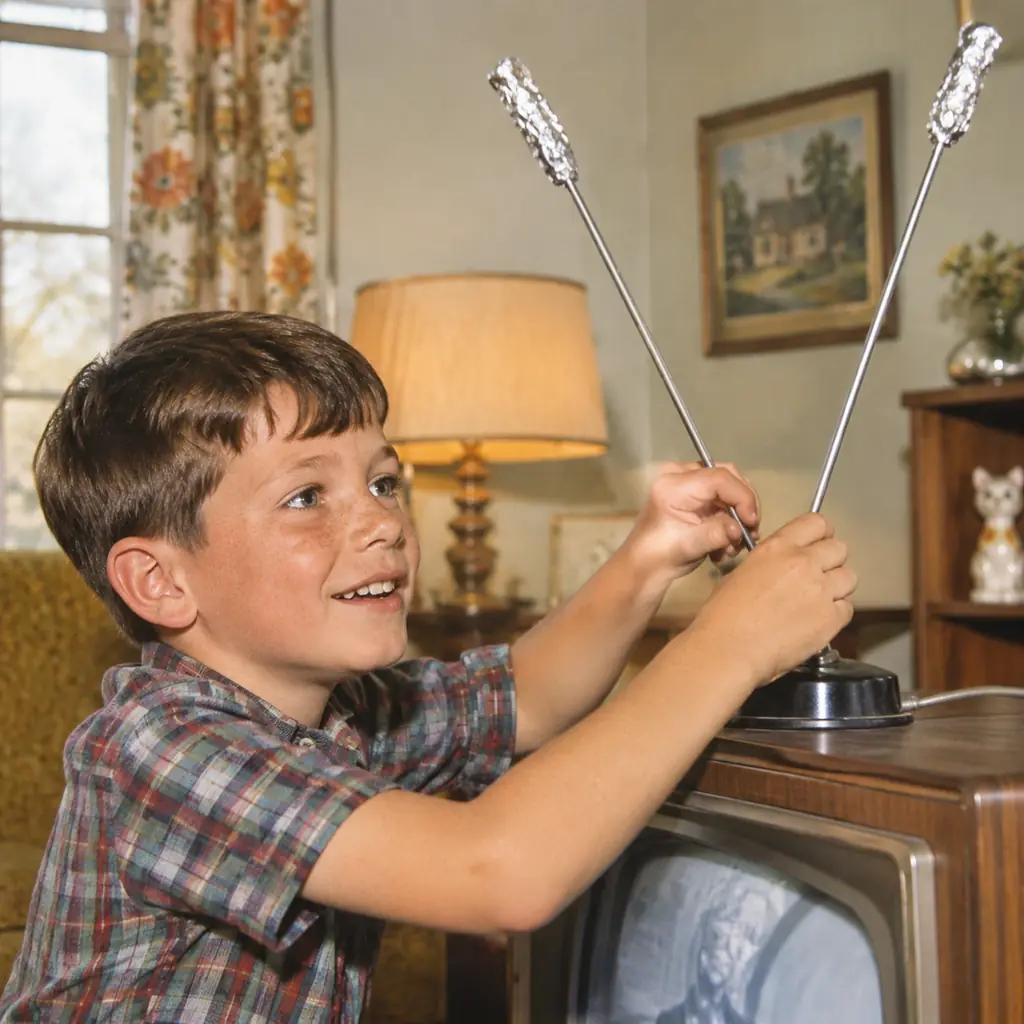
An indoor television aerial could be moved to improve reception. Someone at the screen often had to tell the person by the set whether to stop and leave it where it was.
People remember trying foil on the ends. What usually made the effort memorable was the picture returning and then going away as soon as somebody moved.
19. The drive-in theater
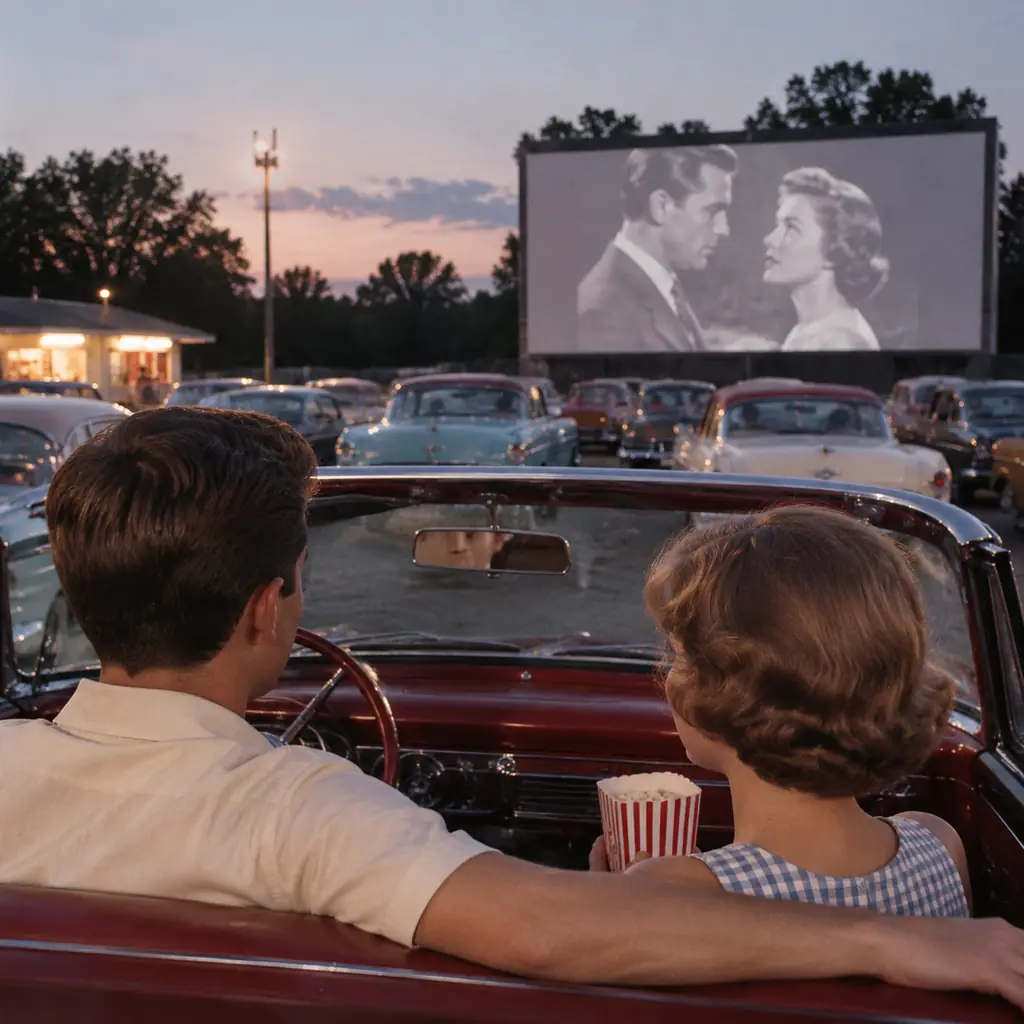
At the drive-in, a vehicle gave viewers their own row of seats. Older systems could supply sound through a speaker hung at the window, and a family could bring food or a blanket.
Which screen and speaker worked best depended on where you parked. Some children remember waking up on the way home and missing the end of the movie.
20. Milk delivered to your door
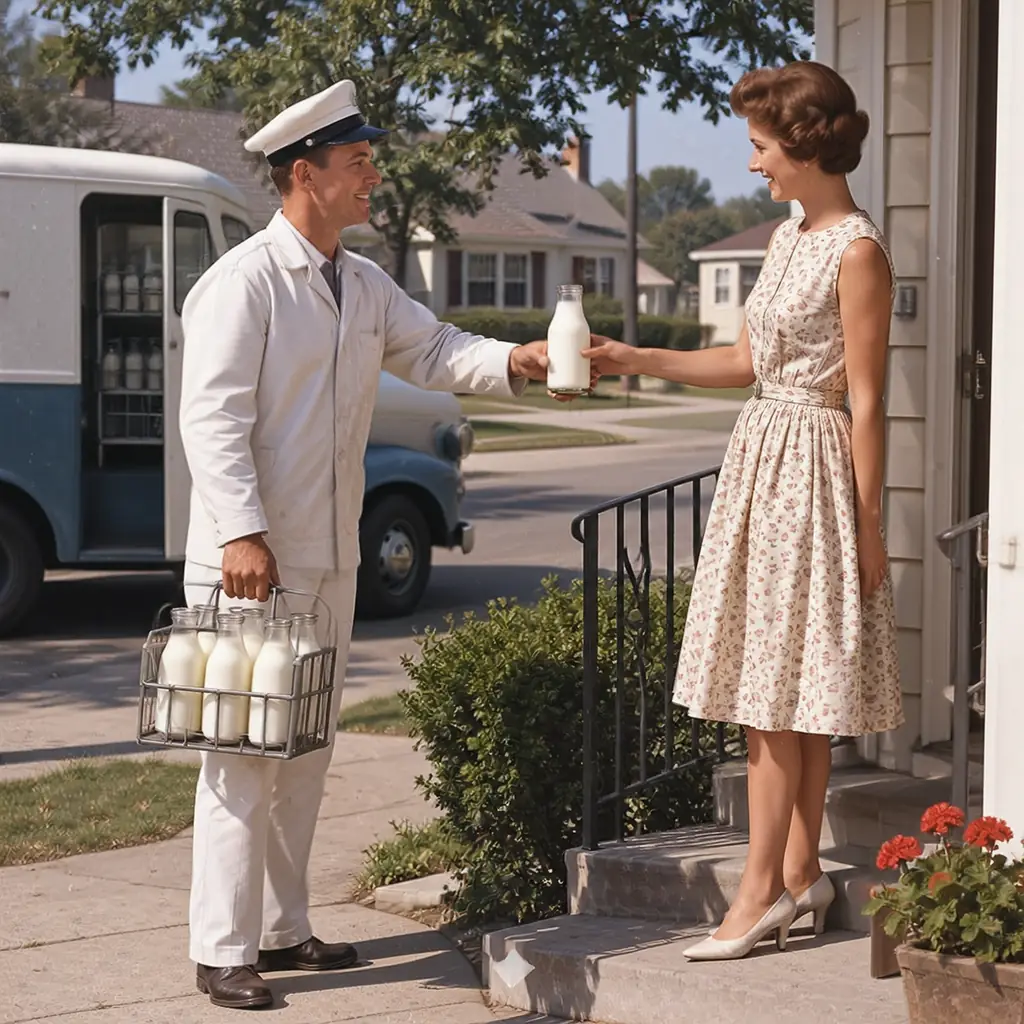
Home milk delivery could put glass bottles close to the front or side door. The milkman collected empties, and the household had a regular place to check after the delivery.
The arrangement let people buy dairy products without making a separate trip for each bottle. It became less common as buying milk at stores grew easier.
21. A giveaway at the gas station
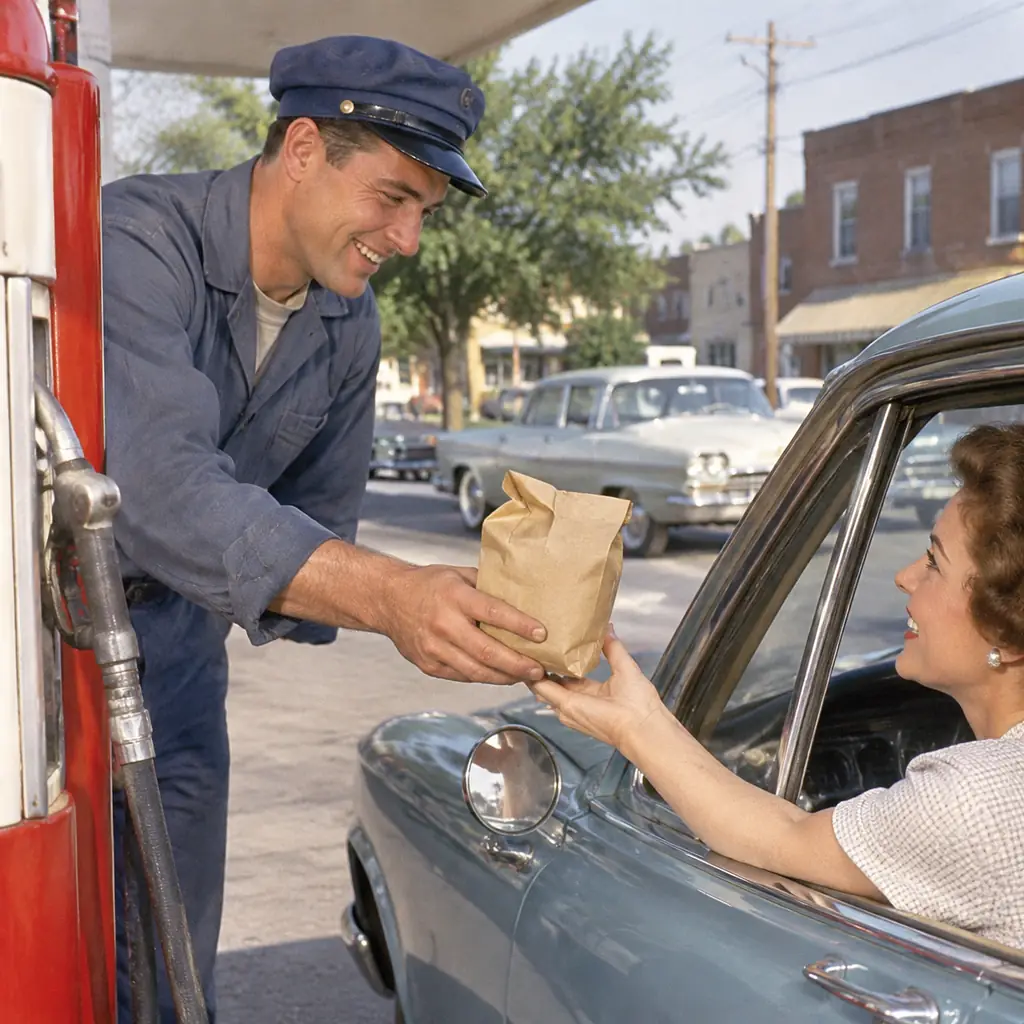
Station promotions sometimes gave customers a glass, a dish, or another small item when they bought fuel. A driver who collected a set had a reason to keep stopping at the same station.
The promotion could outlast the trip in the form of a drinking glass still on a kitchen shelf.
22. A toaster for opening a bank account
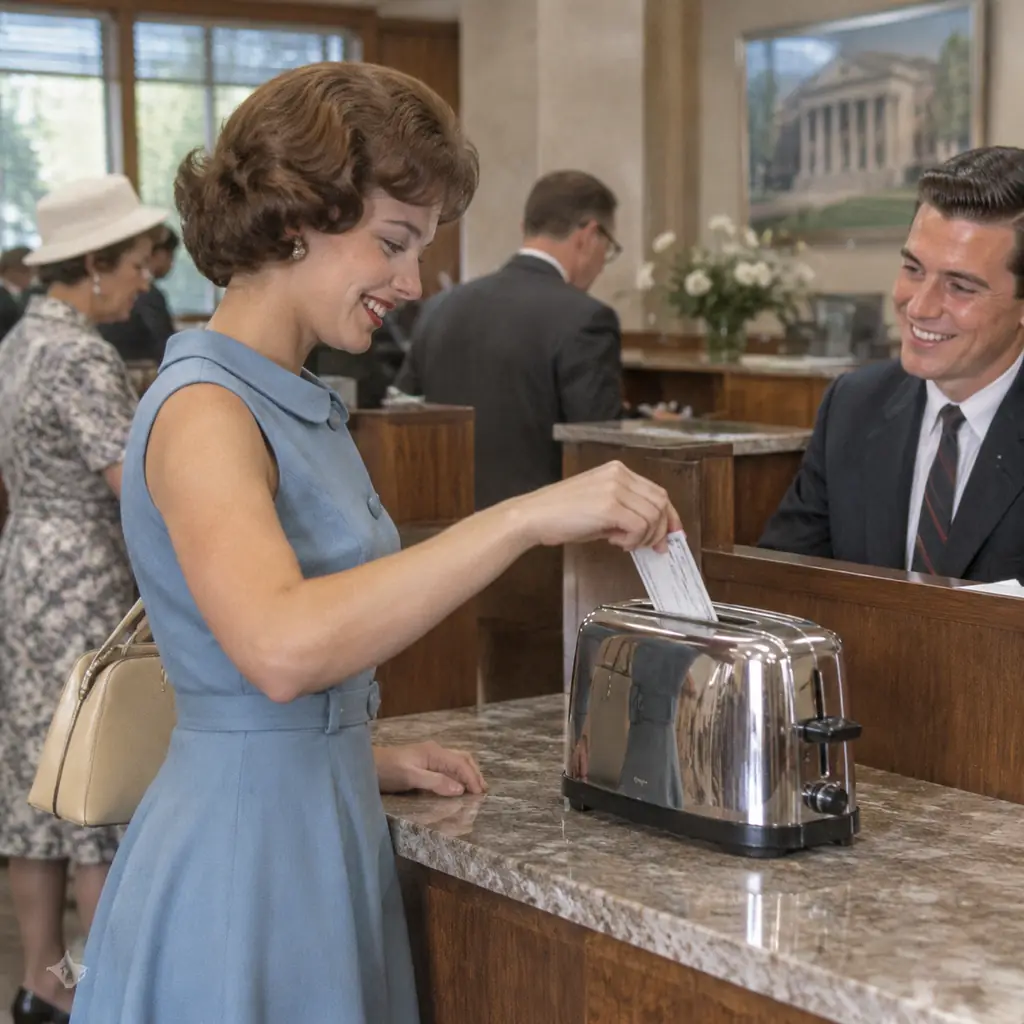
Banks sometimes gave merchandise such as a toaster to encourage new accounts. A gift gave customers something visible to bring away from the same visit at which they arranged to leave money behind.
The terms and gifts varied. A kitchen appliance was easy for the recipient to explain to someone who had not gone along.
23. A wool blanket in the car
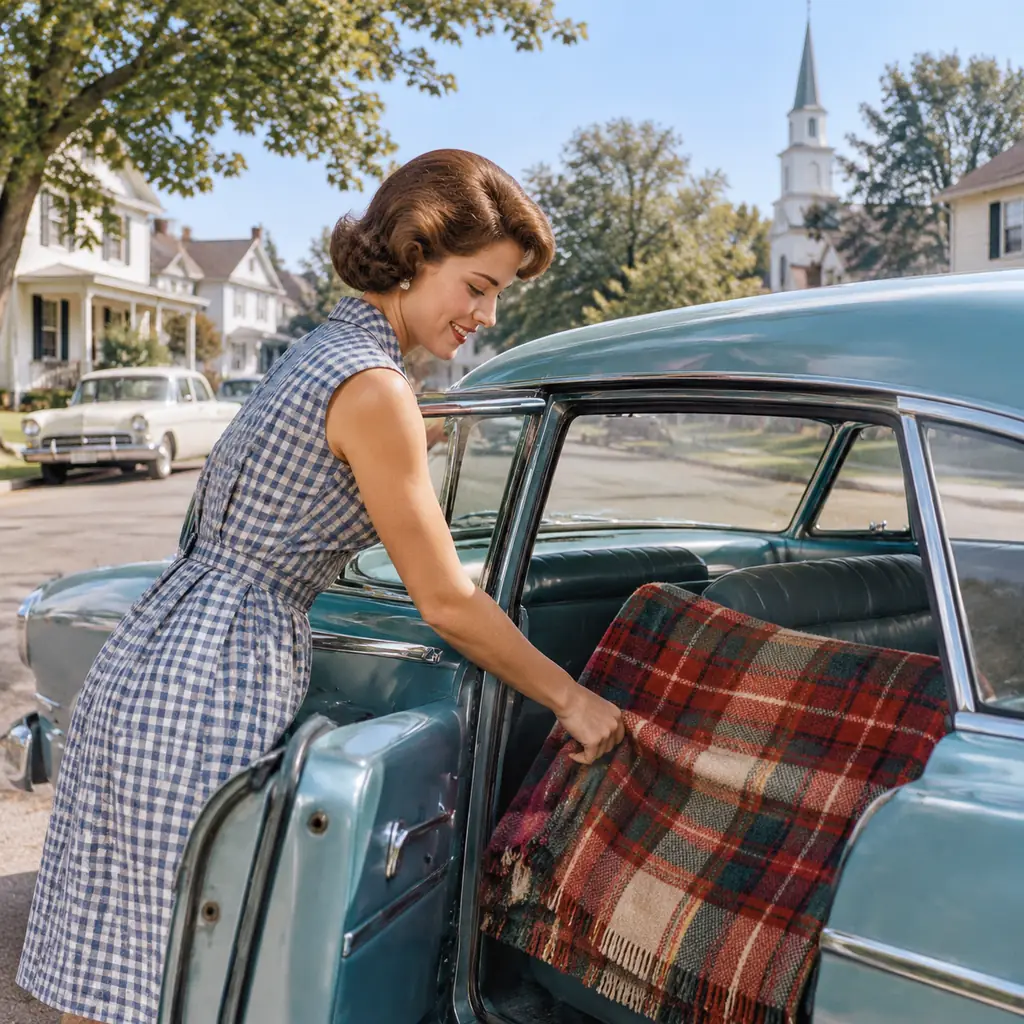
A wool blanket in the car could cover a child on a cold drive. It could also go on the ground at a picnic or football game and come back into the trunk afterward.
Its texture was often the quickest way to identify it. Once folded, it occupied a corner of the car for the next time it was needed.
24. A Formica kitchen table
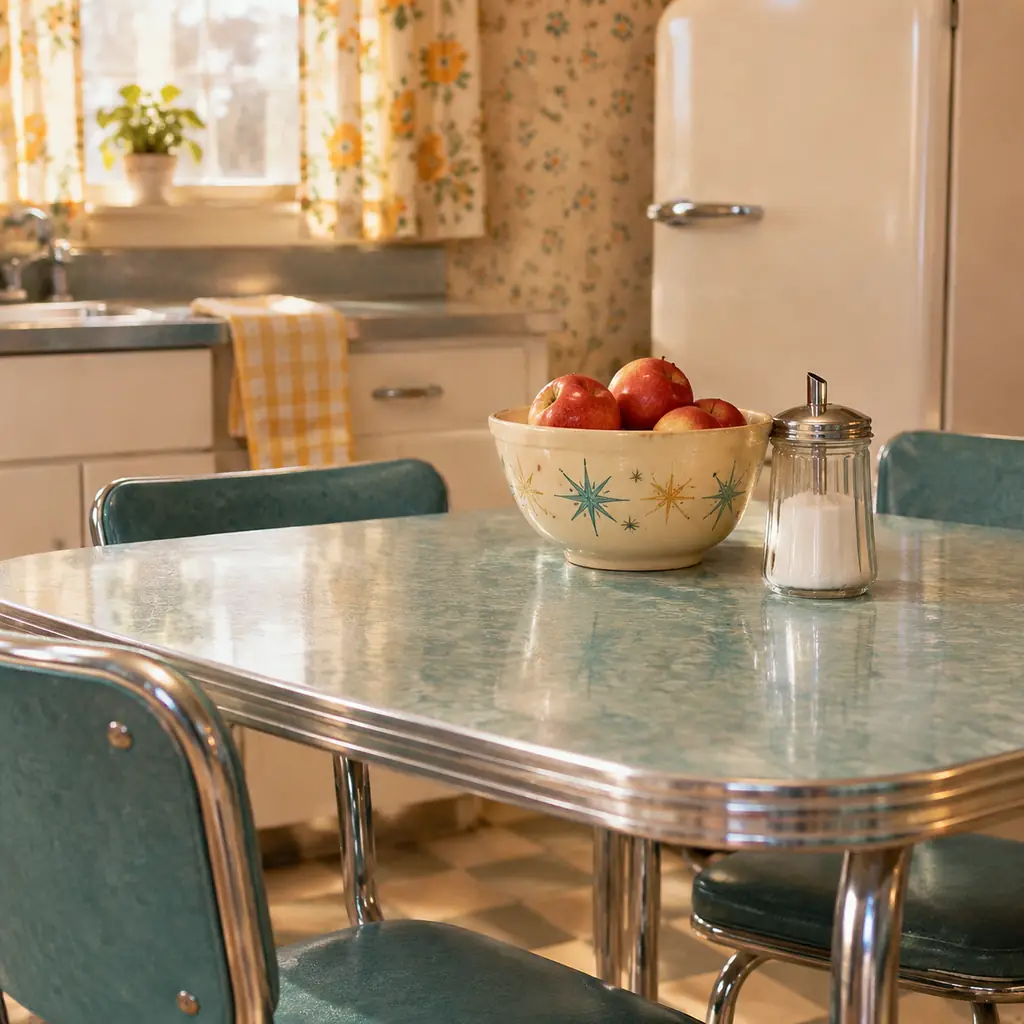
A laminate kitchen table gave the household a hard surface that wiped clean after a meal. Bright solid colors and patterns helped give the kitchen a look separate from the rest of the house.
Breakfast, schoolwork, and a visitor’s coffee could all happen at the same table before the day was out.
25. Looking it up in the Yellow Pages
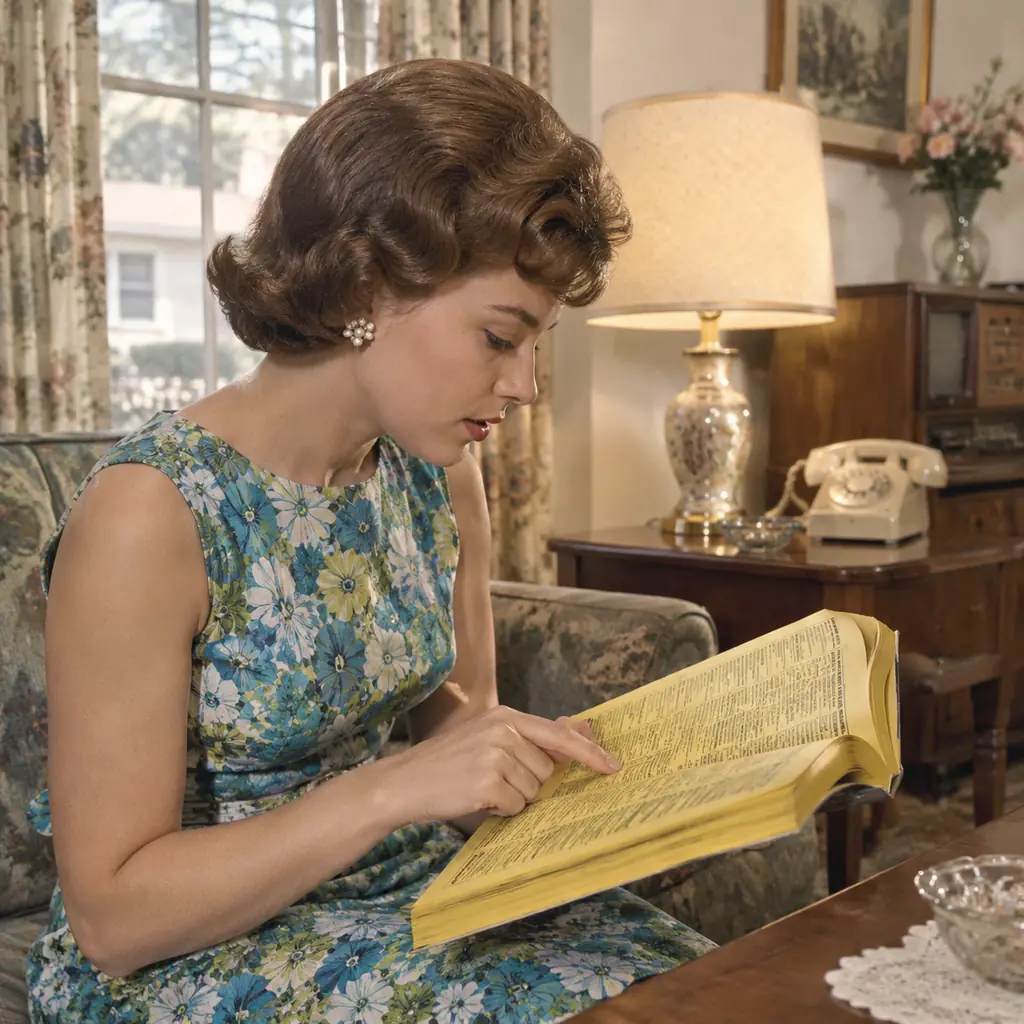
The Yellow Pages gave businesses a place in a printed directory by category. You might start with an occupation and find several nearby shops, sometimes with large ads that made one easier to remember.
A phone number that looked useful could be marked in the book. Next time, there was a chance you could open it to the right page without searching.
26. A soda can with a pull tab
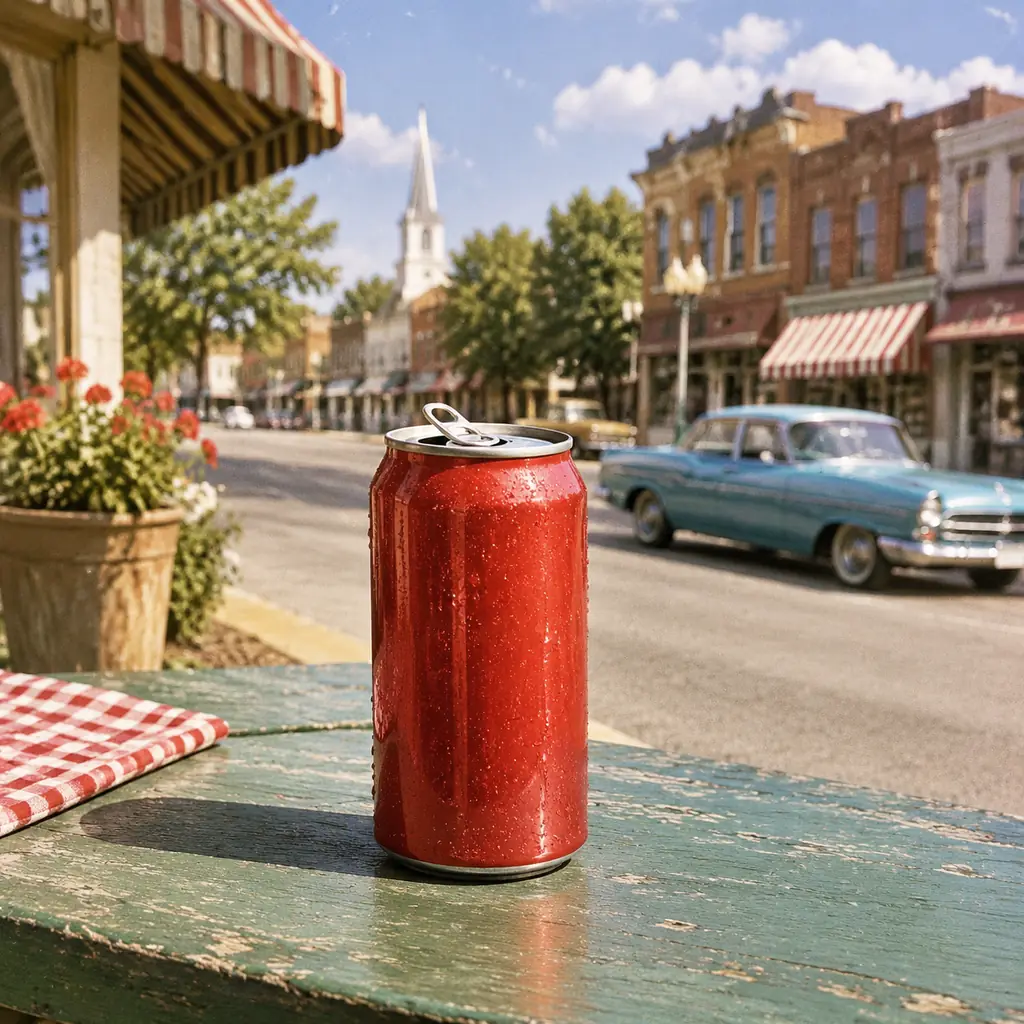
A pull tab made it possible to open a can without the tool many people kept in a kitchen drawer or picnic bag. Early removable tabs came away in the hand.
The convenience left a loose piece that had to be put somewhere. Older tabs and later stay-on designs tell slightly different stories about the same change.
27. A transistor radio you could carry
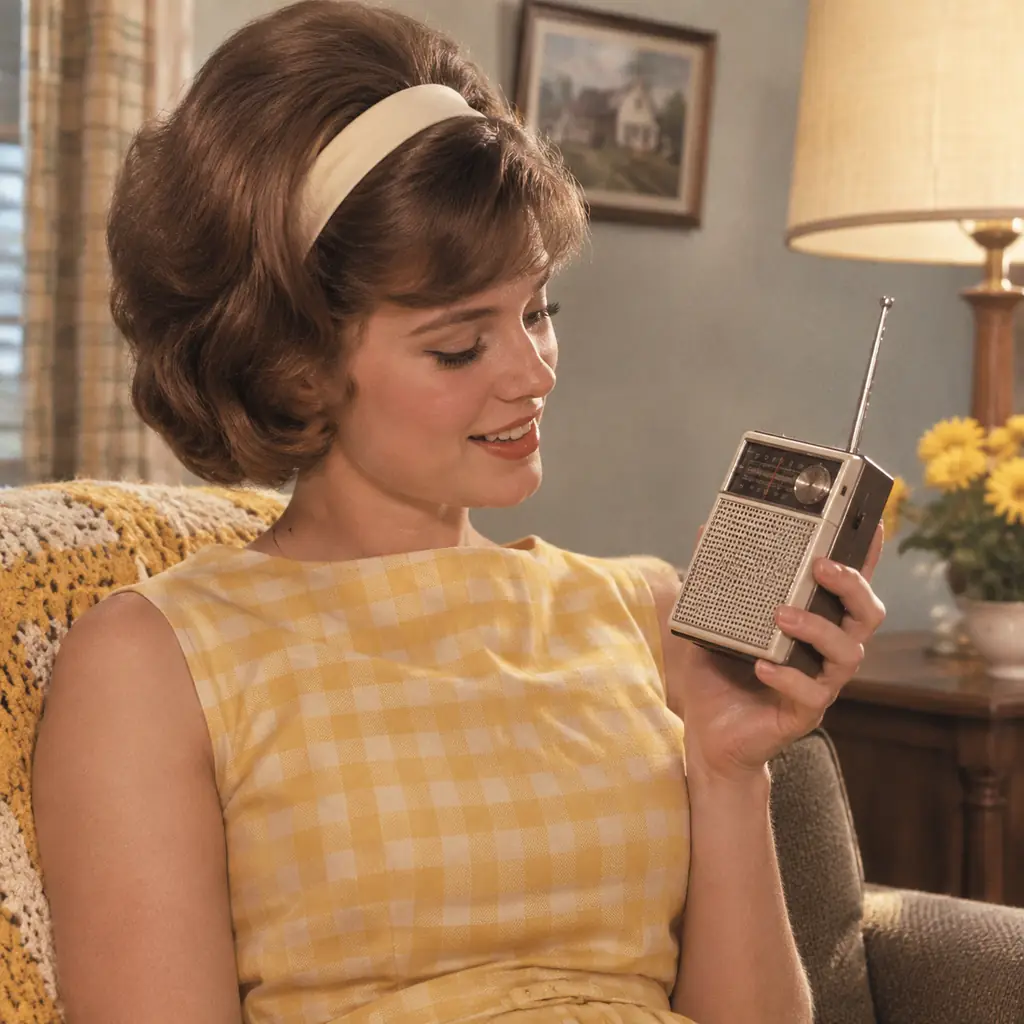
A transistor radio let a person take music or a game out of the room where a larger set stood. The radio could go to the porch, the car, or the yard.
Reception and battery life mattered more once you started carrying it. Being able to choose where you listened was much of the appeal.