Growing Up in the ’70s Meant Doing These Things
A 1970s childhood could mean a full afternoon outside and a television schedule you knew better than your homework. These are the ordinary adventures people still argue about when they compare growing up then and now.
See which ones sound like your block.
1. Riding in a pickup bed
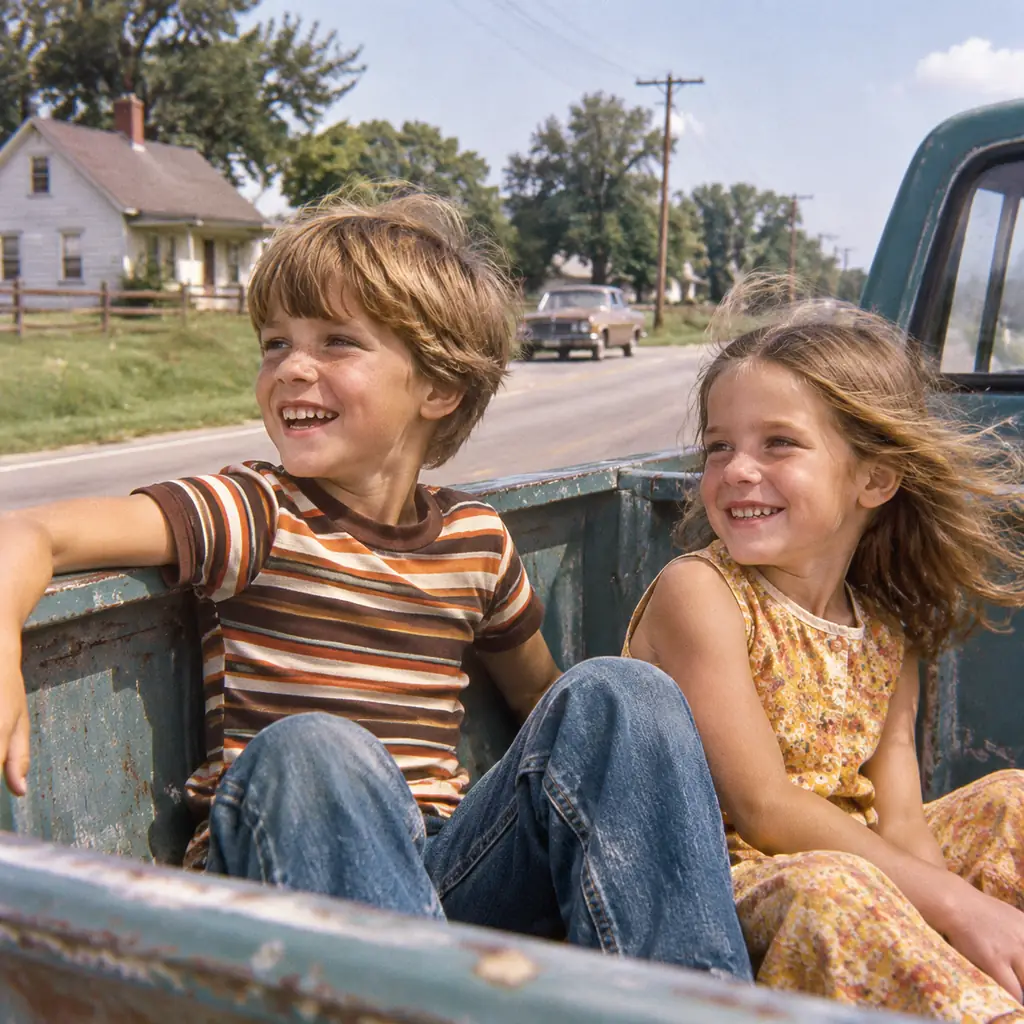
Some children remember climbing into the bed of a pickup for a short trip. The air smelled of the road and the view changed fast as the truck went around a corner.
An open truck bed gave passengers none of the protection of a seat and restraint. The memory belongs to a time and place where people took that ride for granted.
2. Drinking out of the garden hose
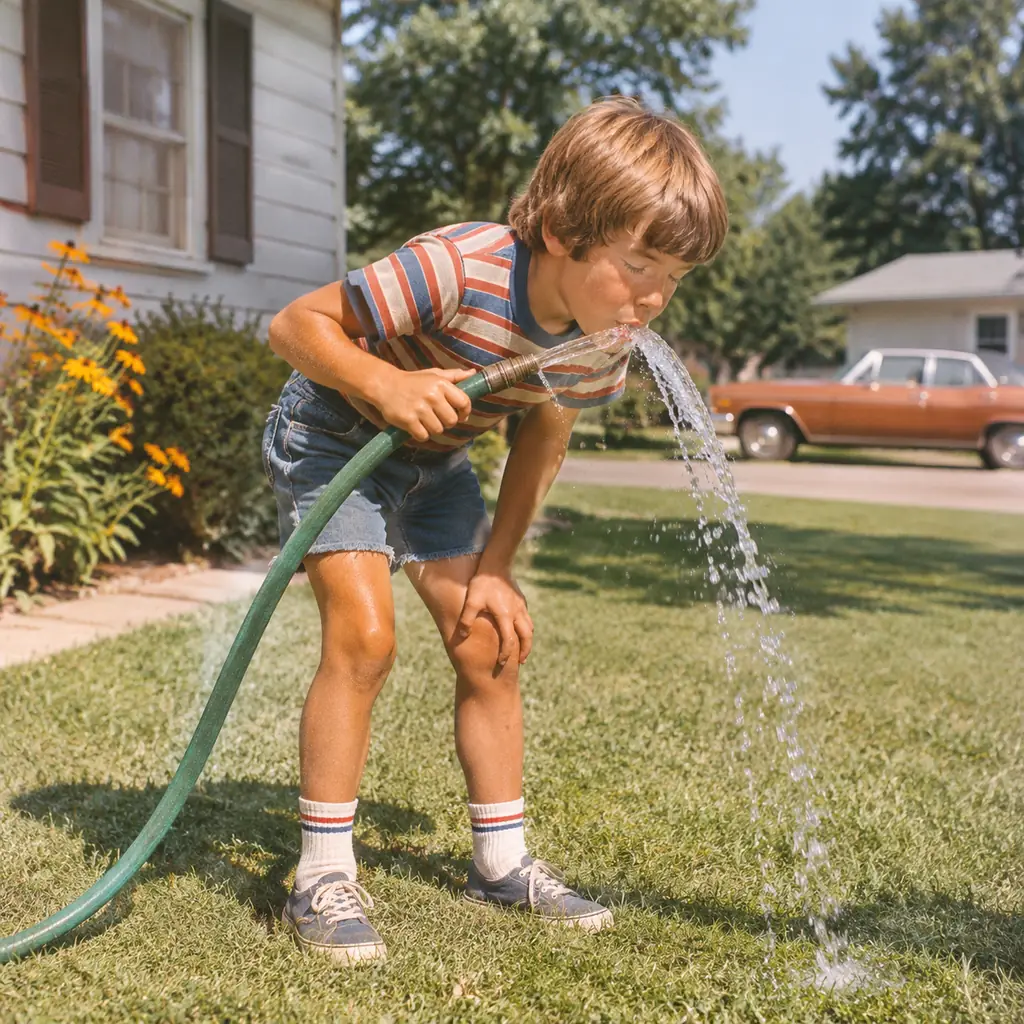
After enough time outside, the hose looked like the quickest place to get a drink. The first water from a hose left in the sun could come out quite warm.
You might see someone hold it above their brother’s head while they took a turn. The scene is easy to remember even if you no longer drink from one.
3. Staying out until supper
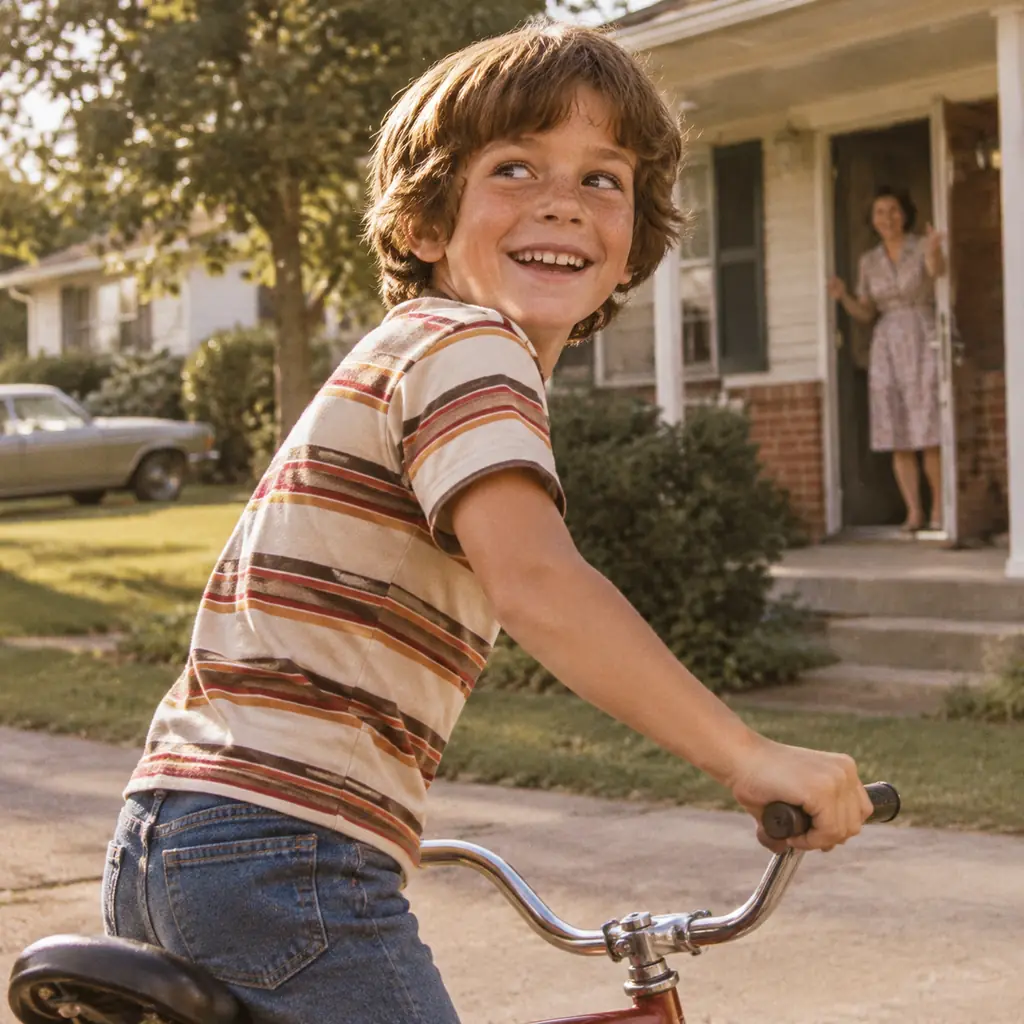
A child who set off in the morning might check in with different people as the day went on. A friend's mother could pass on a message, and a familiar porch gave the group a place to pause.
How far you could go depended on the family and neighborhood. Supper was still a deadline everyone understood.
4. Building a bicycle ramp
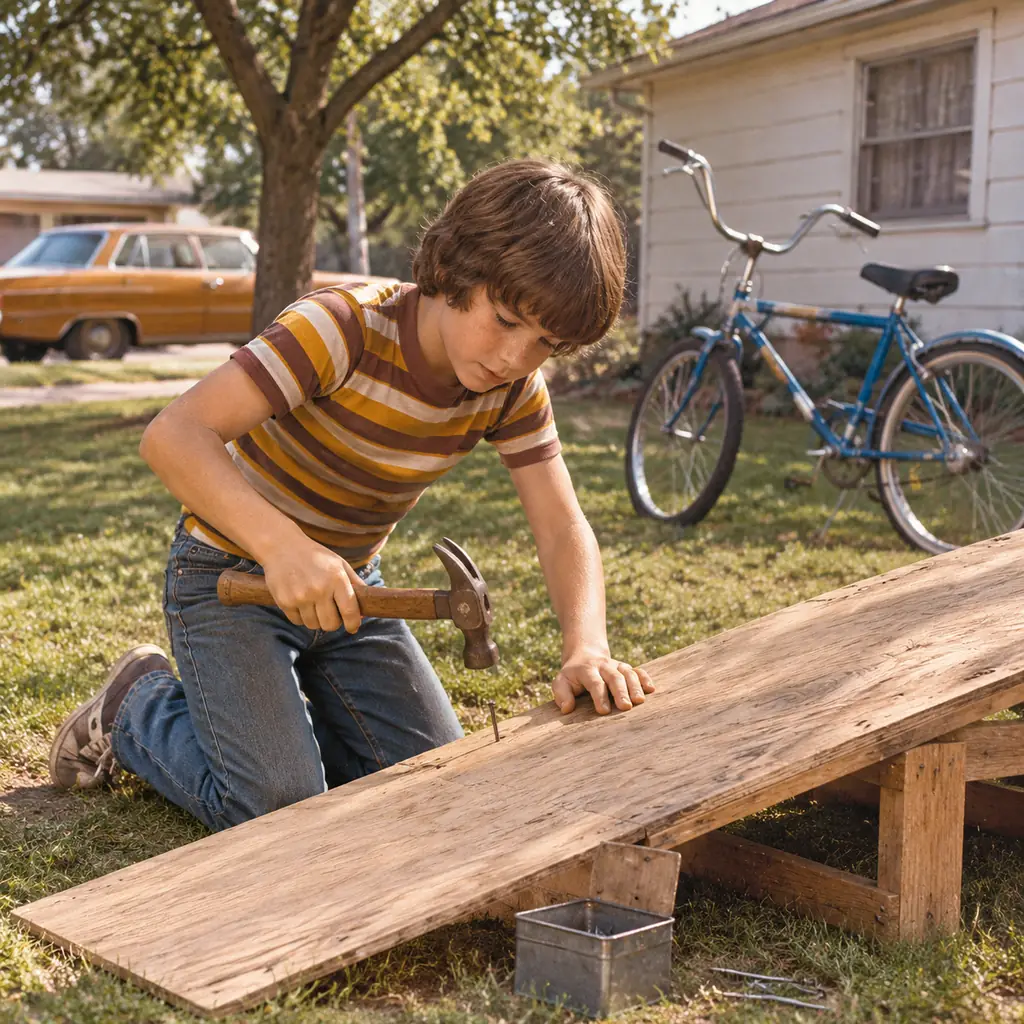
A scrap board and a few bricks could turn a level piece of ground into a place to try a jump. Everyone had a different opinion about what counted as enough height.
The first child to ride it found out what the others had guessed. Homemade ramps could shift or fail, which is often what made a particular attempt memorable.
5. Playing with metal lawn darts
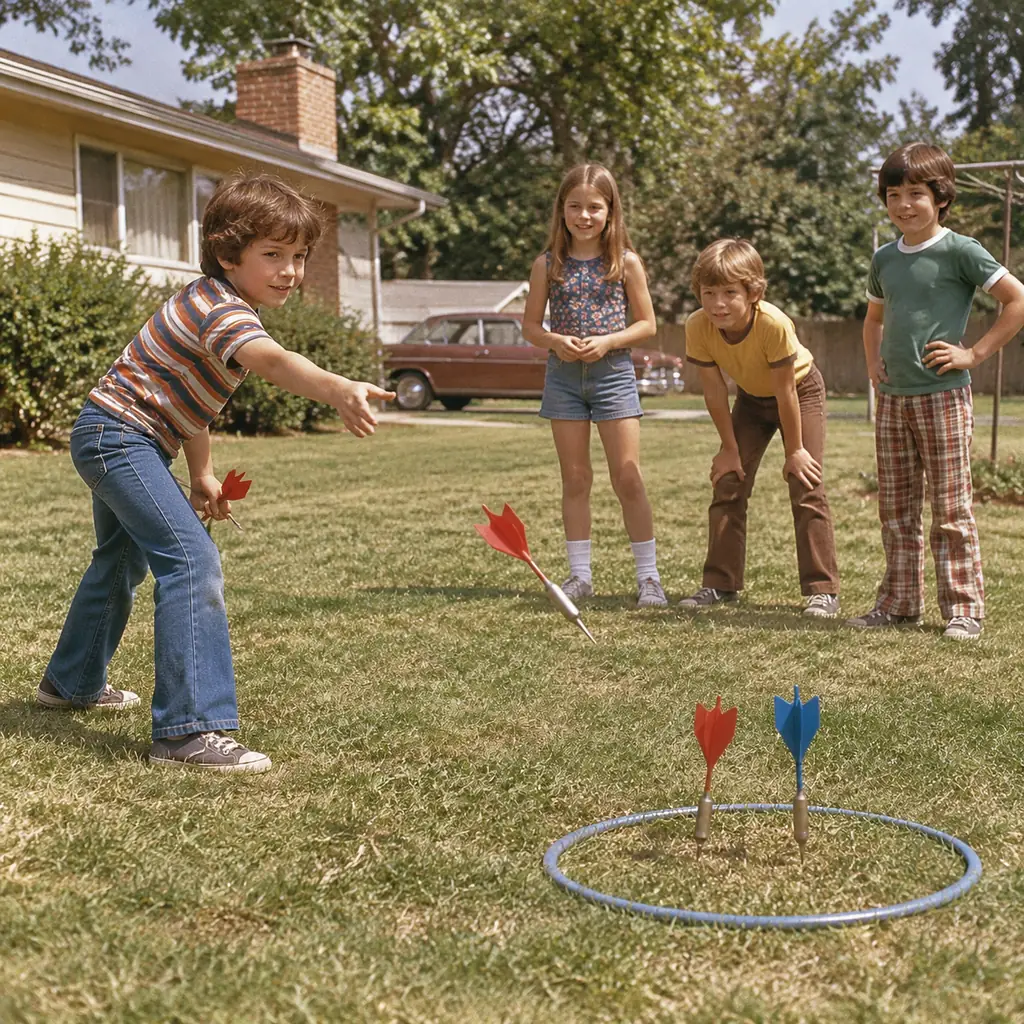
Metal lawn darts turned a patch of grass into a family game. The darts were much bigger than the ones used indoors and were thrown toward rings laid out on the ground.
The sharp points caused serious injuries. The U.S. stopped sales of traditional lawn darts in 1988, which helps explain why many people now know them only from stories and museum displays.
6. School paddling
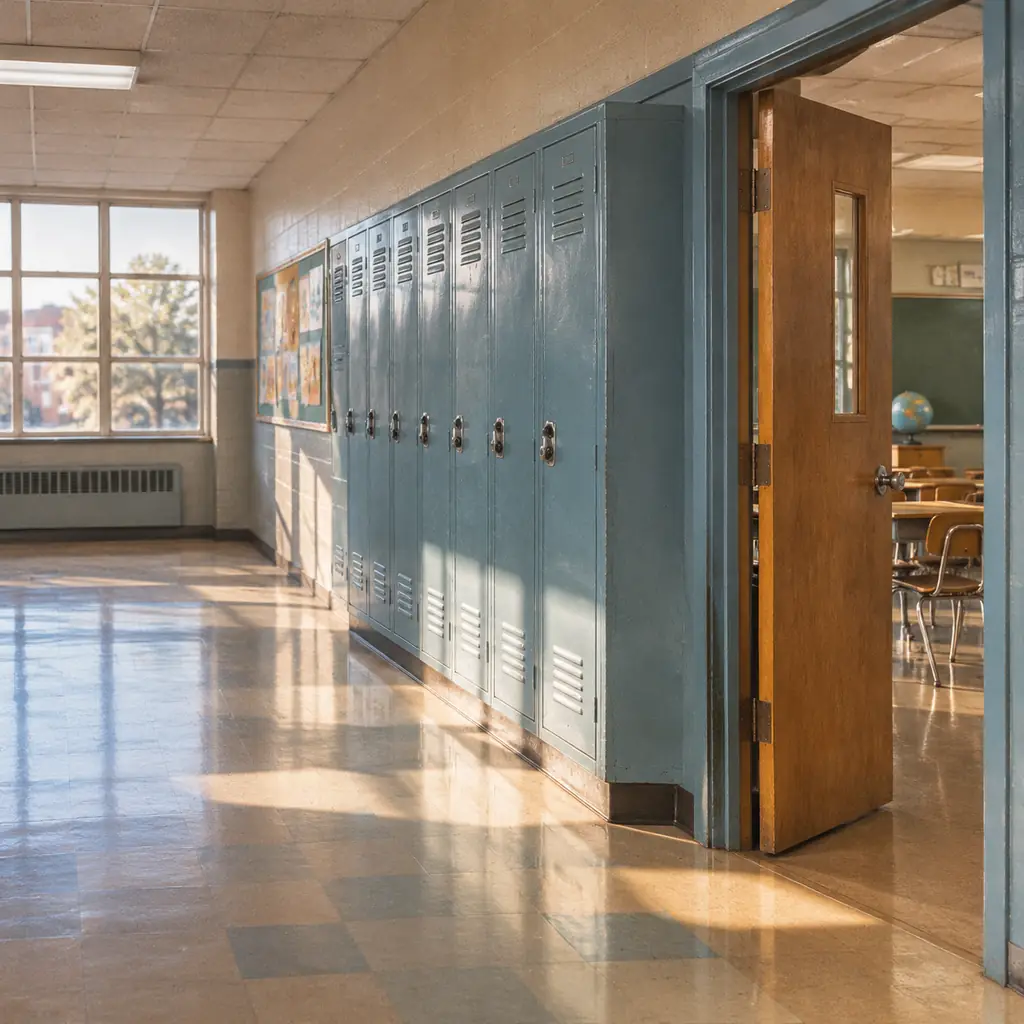
In places that used corporal punishment, children might see a paddle in a classroom or hear talk about it in the hallway. The practice affected people very differently.
School discipline varied across states and districts. Some adults remember the threat as clearly as any particular incident.
7. Riding bikes without helmets
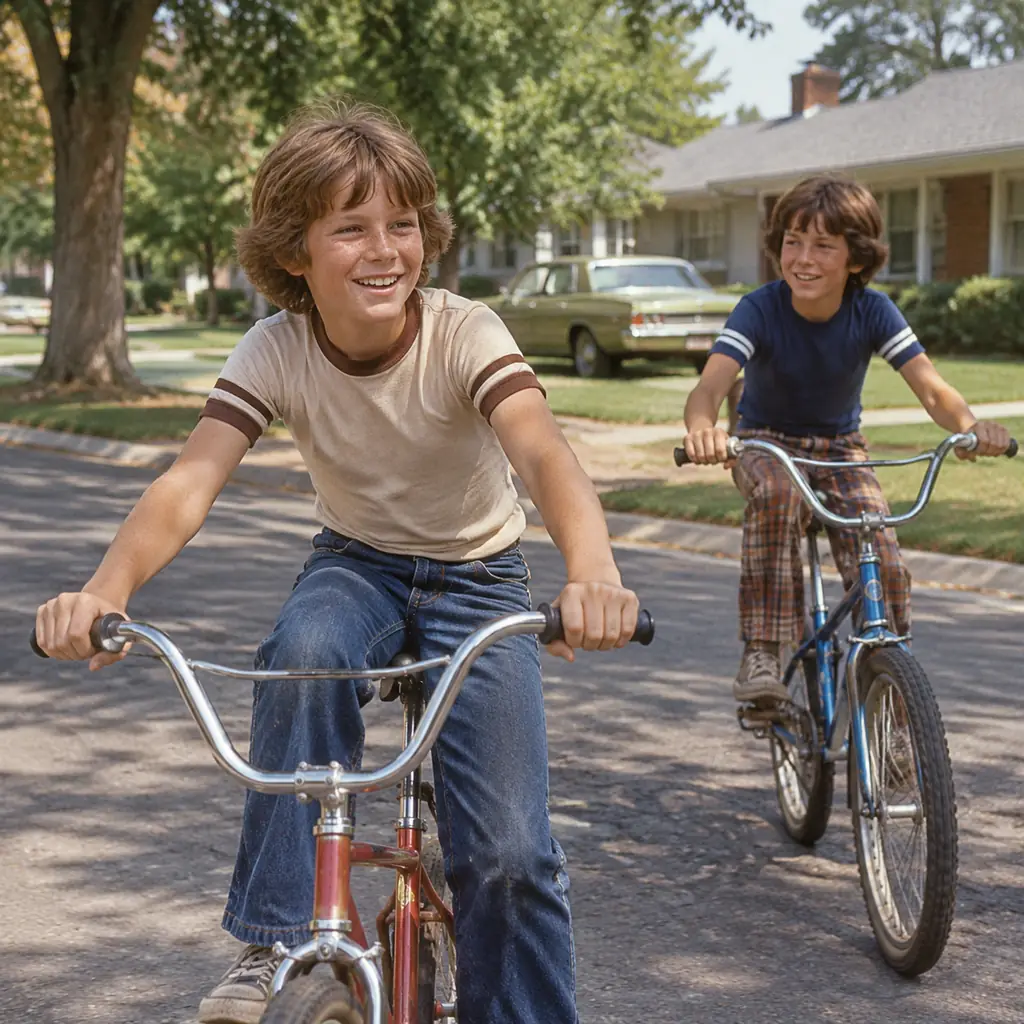
A ride to the store could begin as soon as the bike came out of the garage. Many children in the era wore no helmet, even when they rode on streets or tried tricks.
Bicycle helmets became more familiar as equipment and safety campaigns changed. A photo of a line of bare-headed riders is a recognizable marker of the period.
8. Staying home alone after school
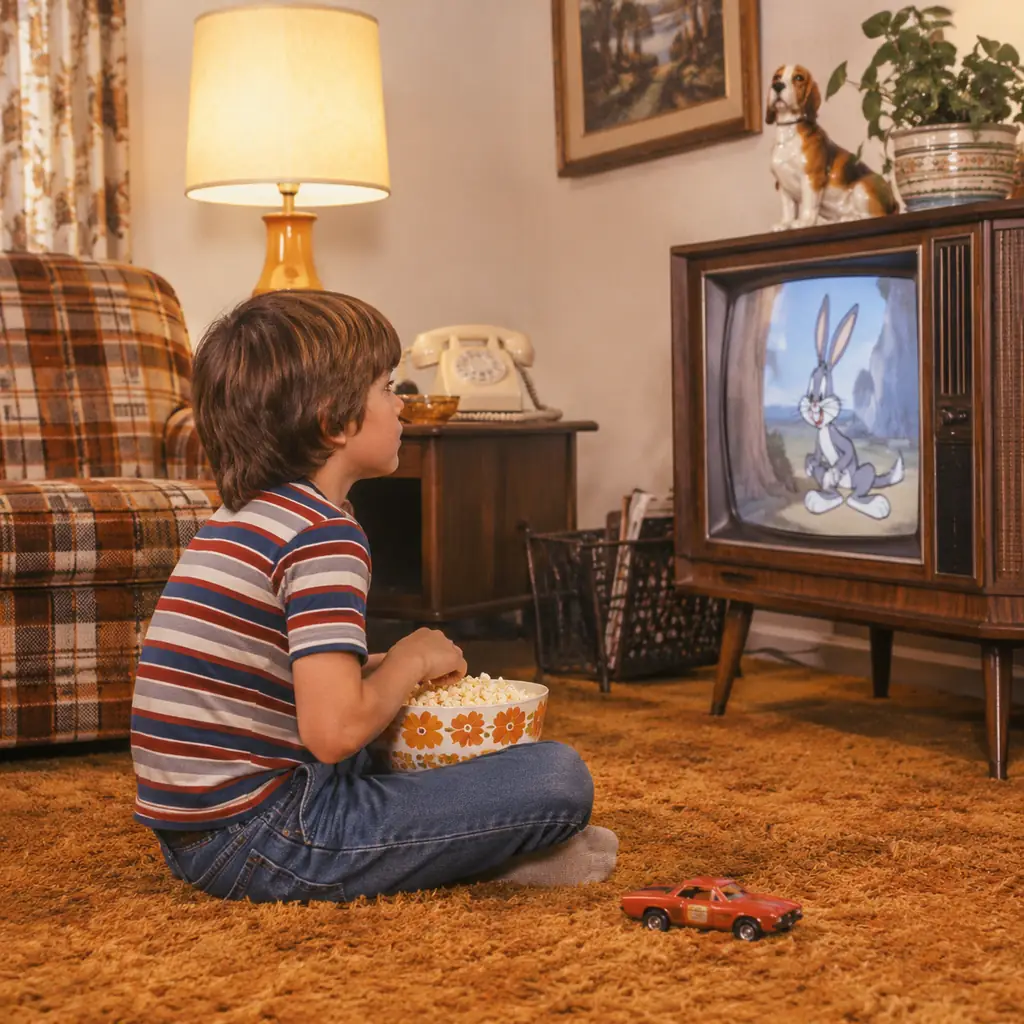
The house sounded different when you got home before the adults. An agreed routine might include a key, a place to leave your shoes, and somebody next door you could reach.
The arrangement reflected work schedules, family resources and individual decisions. The appropriate degree of independence could vary even between children in the same household.
9. Climbing as high as a tree would let you
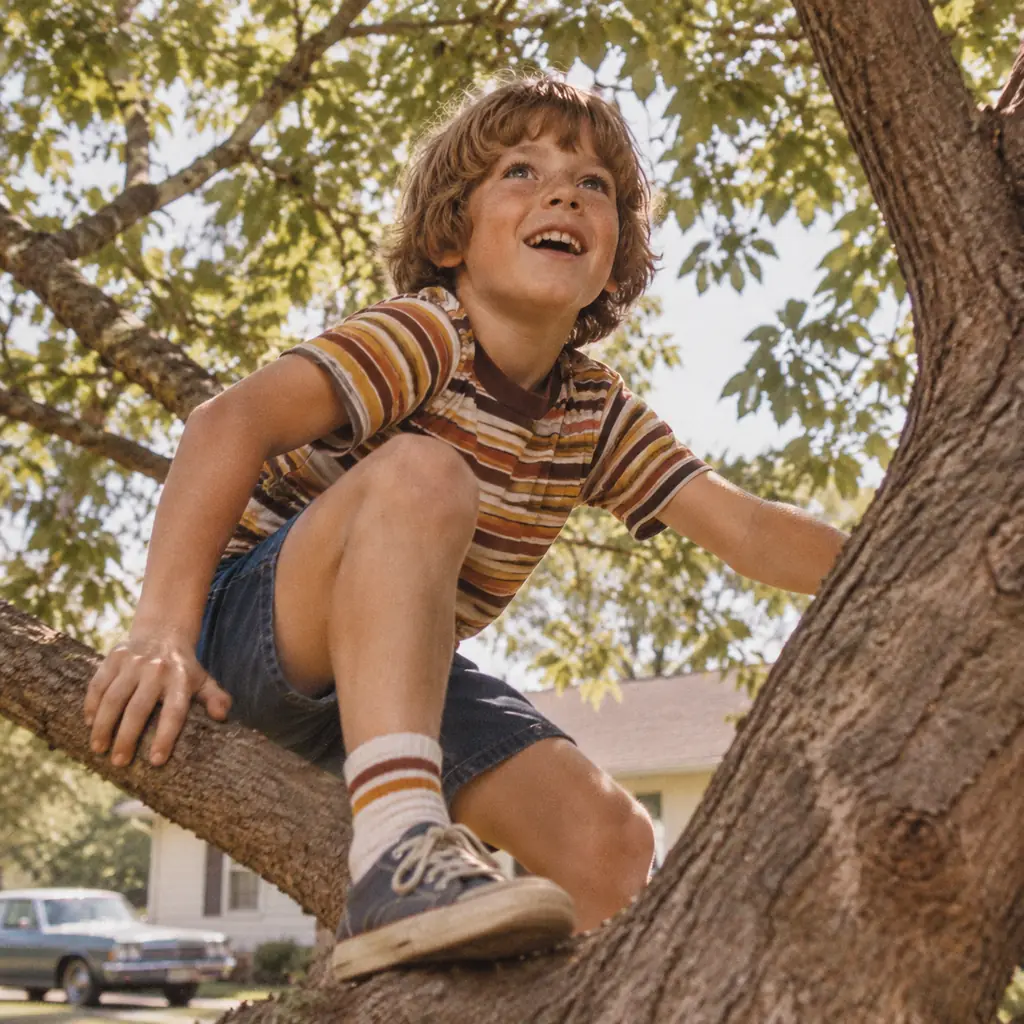
You learned which branch could hold a foot and which one flexed too much. A good climbing tree gave you a spot where you could look down on the yard and still talk to someone below.
Coming down often felt different from going up. From the ground, the whole tree looked smaller than it had from the branches.
10. Playing on hot metal playground equipment
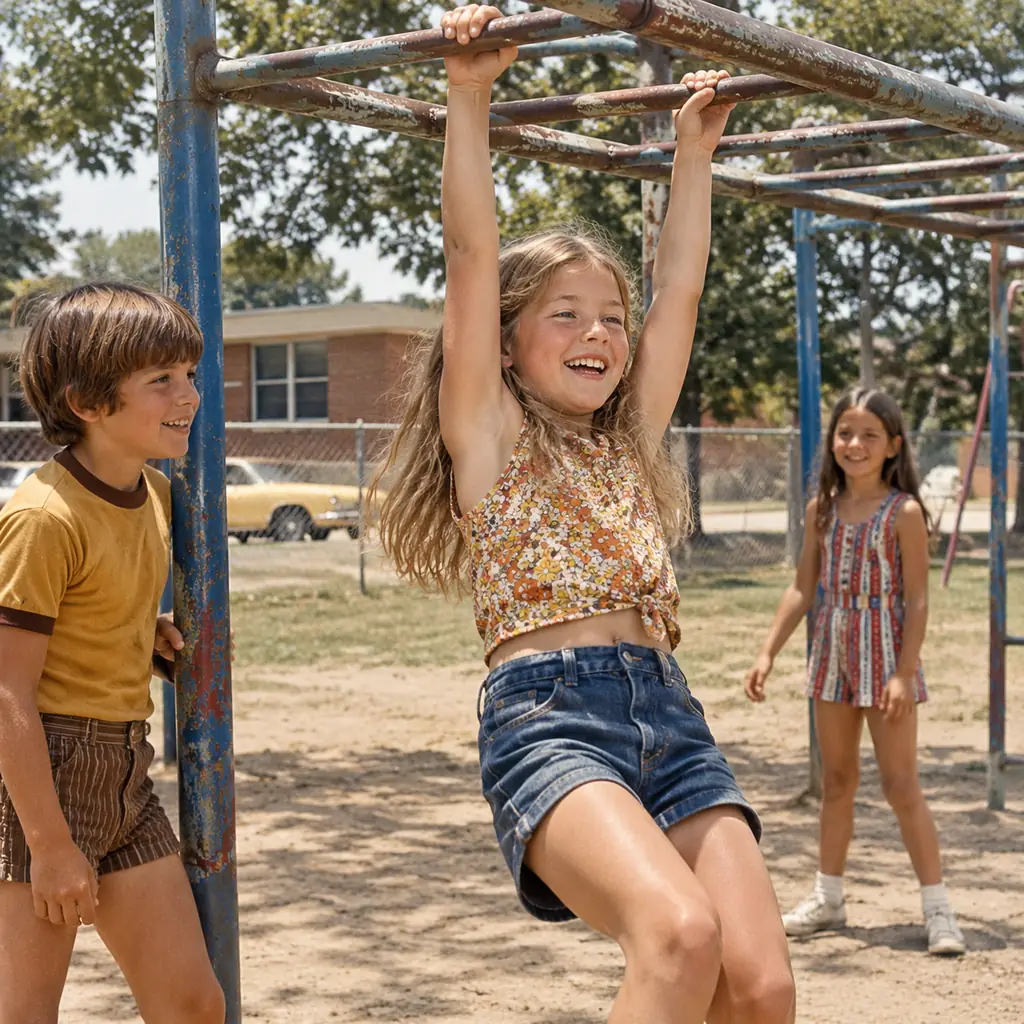
A metal slide in full sun could make a child change plans quickly. The part you sat on was often the part that had been collecting heat for most of the afternoon.
Metal swings, ladders, and slides were common pieces of playground equipment. Shade could make two sides of the same playground feel like different places.
11. Getting a ride by hitchhiking
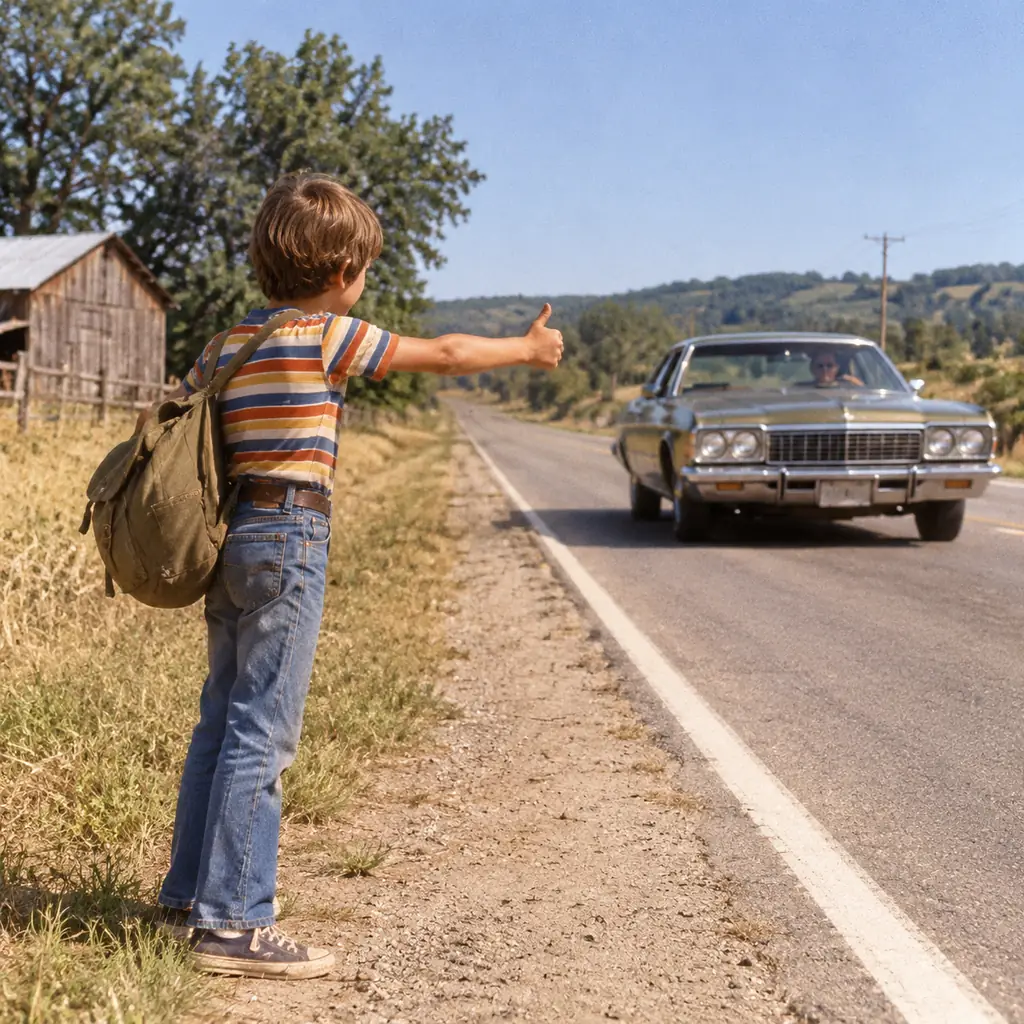
Hitchhiking was familiar enough to appear in the culture of the era and in some families’ memories. How common it was in children’s lives depended a great deal on age, location and the company they kept.
A ride from a stranger was a real risk. Much of the memory turns on how differently young people and their parents described the same trip.
12. A cafeteria food fight
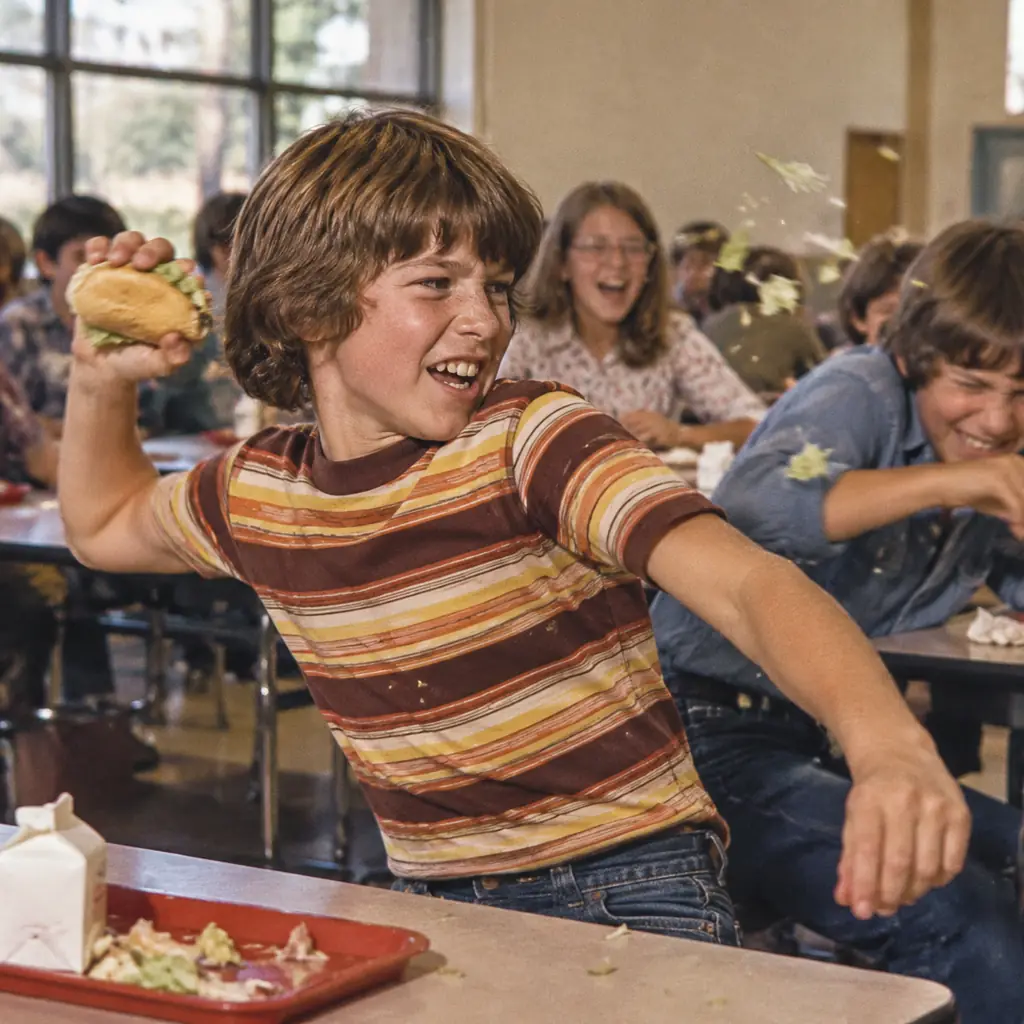
A cafeteria food fight could start as a private joke at one table and finish with a room full of people watching the lunch staff. Trays and seats made it harder to leave quickly.
The cleanup lasted longer than the event. A story about it survived because someone could still remember exactly who threw the first piece.
13. Trick-or-treating after dark
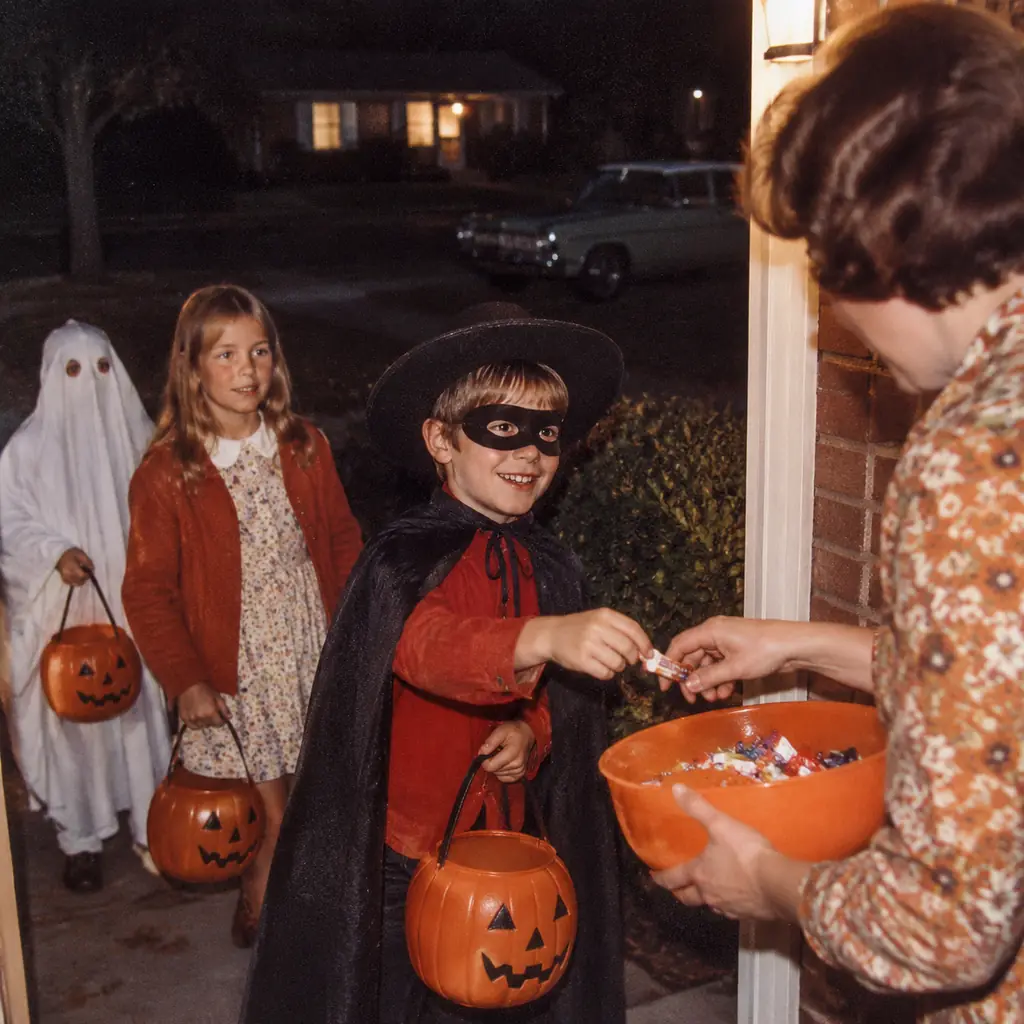
Trick-or-treaters followed a set of lit porches down a street as daylight faded. A flashlight made it easier to see an uneven step or find a name printed on a bag.
What time children set out and who went with them varied. The walk home felt particularly dark on blocks that had turned off their porch lights.
14. Kids fooling around with fire
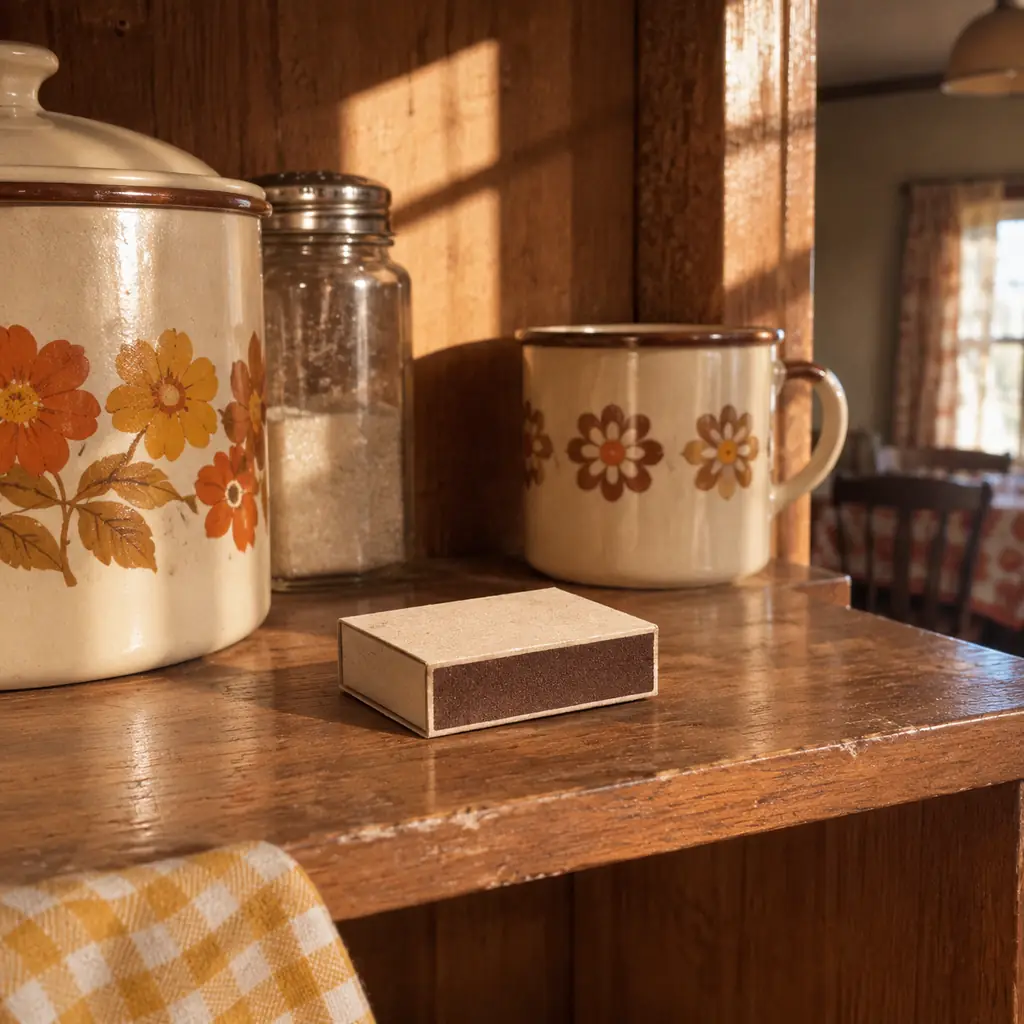
Some people remember children fooling around with matches or drifting close to a fire as a test of courage. It is one of the stories that can sound funny to the person telling it and frightening to someone hearing it for the first time.
The details varied by family. Adults often remembered how quickly a game became an emergency.
15. Sharing a drink
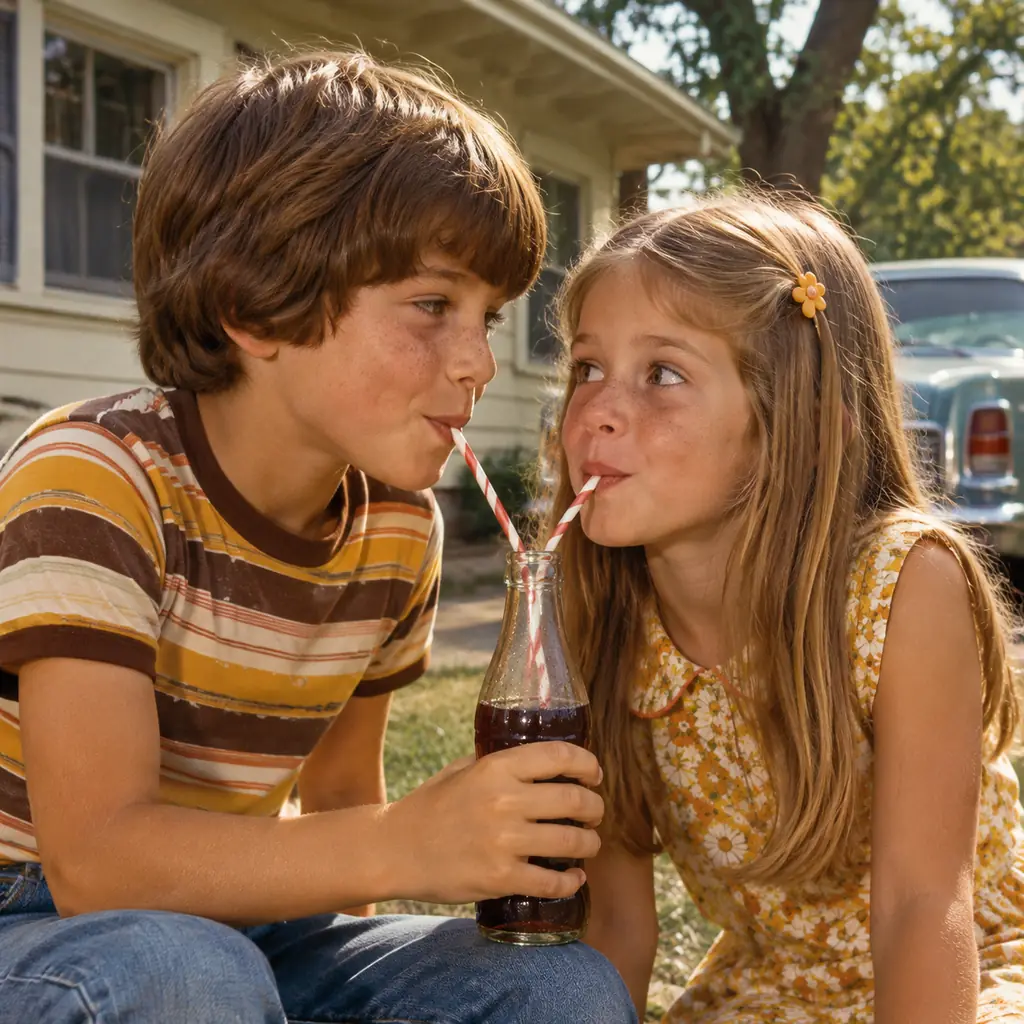
A soda bottle could pass from one person to another and finish the afternoon with somebody who had never paid for it. A cup on a porch served a similar purpose when there were several children nearby.
Sharing that casually is one of the smaller changes in how people remember outside play.
16. Swimming in a pond, river, or quarry
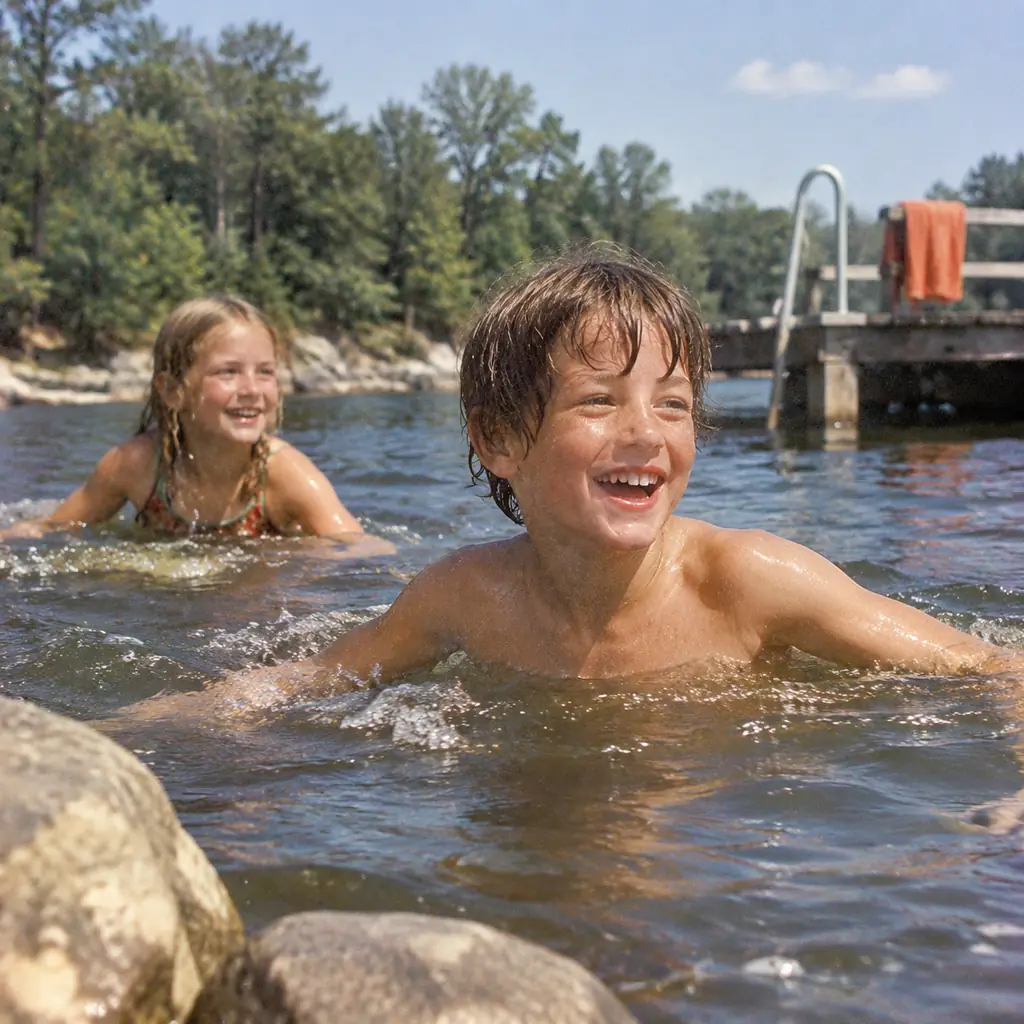
A pond or quarry could look like a place to cool off when a swimming pool was nowhere nearby. Some families used established swimming holes, and children sometimes went to unsupervised spots.
Water depth, cold, currents, and safe access varied. Most stories about a favorite spot begin with the person who knew where it was.
17. Taking dodgeball seriously
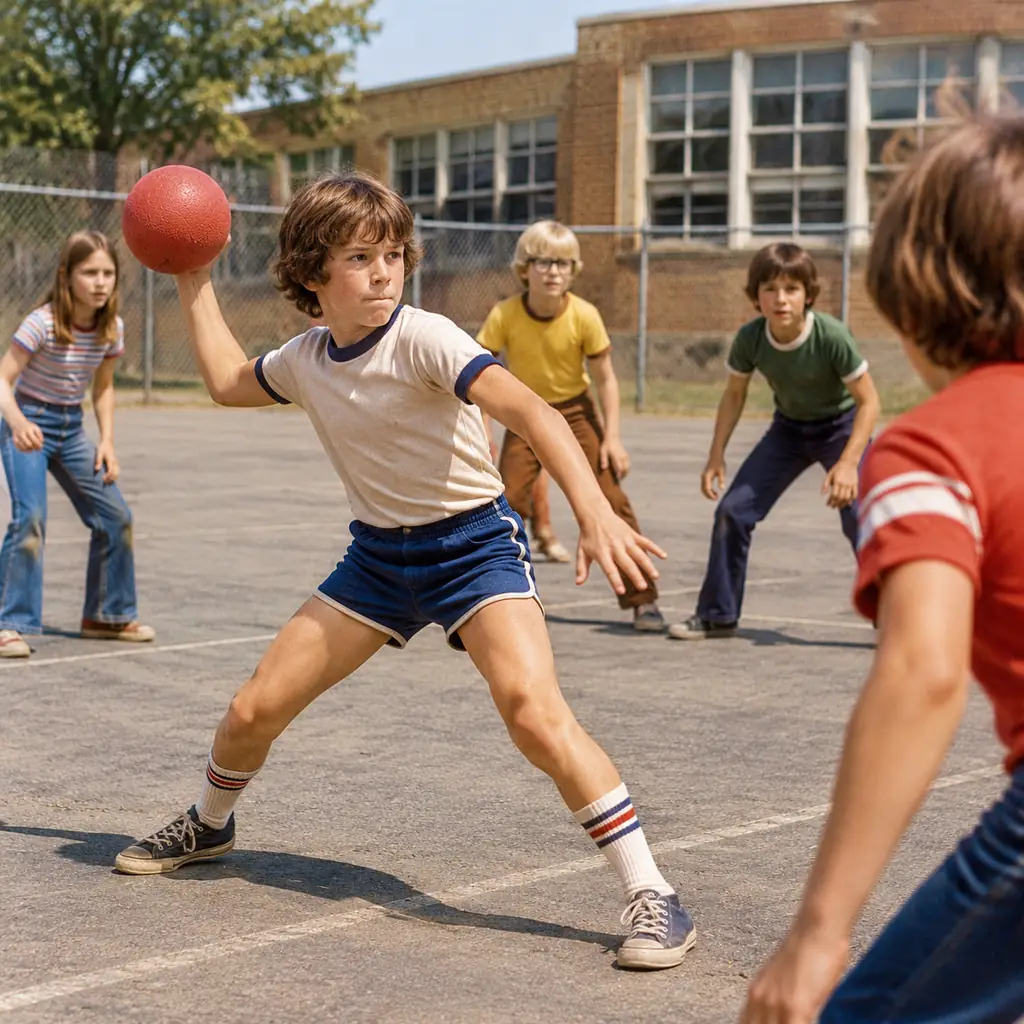
The first ball in a dodgeball game could turn a sleepy gym into a room that sounded twice as large. Some people were there for the game and others were trying to stay out of its way.
School versions and rules varied. What people remember tends to depend on how long they stayed in.
18. Teen party games
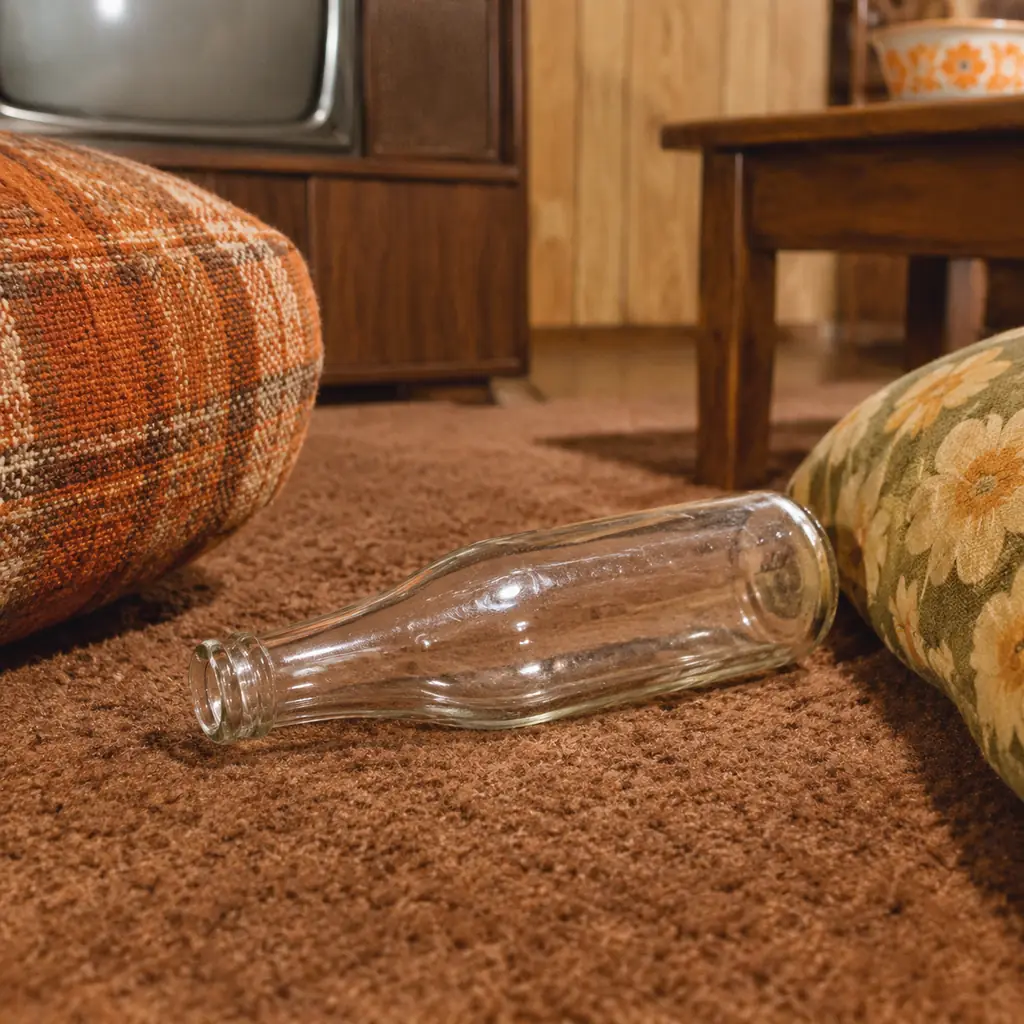
Party games such as spin the bottle gave adolescents something to do when conversation ran out. Their appeal depended on shared nerves and the opinion of the people watching.
Some of these games had been around long before the 1970s. A generation remembered them because it could picture the basement or recreation room where it first heard the rules.
19. Playing tackle football on pavement
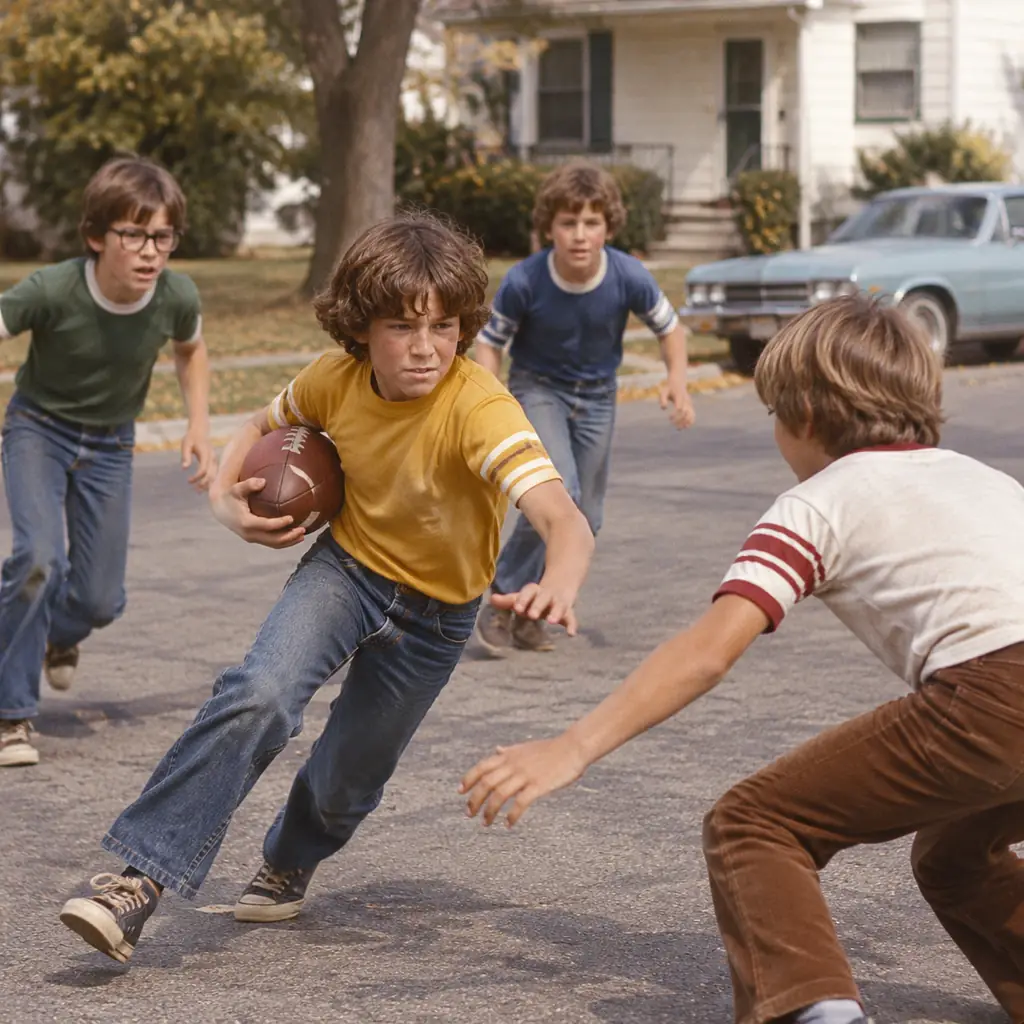
A ball that hit pavement kept moving, especially when it bounced off the curb. That made a street feel like a playing field to kids who had little room elsewhere.
Tackling on a hard surface increased the consequences of a fall. The stories adults tell about those games are often about what a particular patch of ground did to a knee or elbow.
20. Riding in the car without buckling up
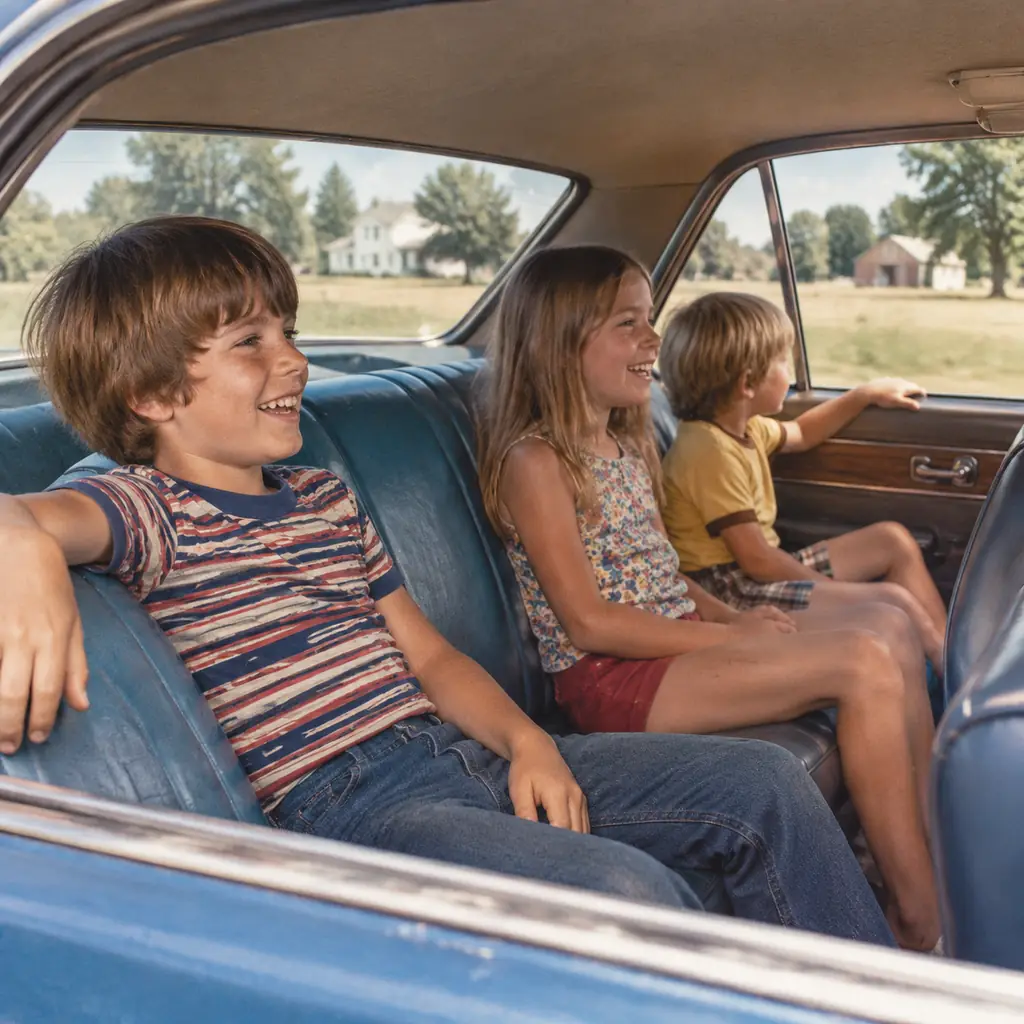
Children sometimes remember traveling loose across a bench seat or riding in the back of a station wagon. Whether belts were present and used depended on the vehicle and household.
States adopted requirements at different times, and safety seats became more familiar over the following decades. An old car photograph can show how much the arrangement inside has changed.
21. Setting off fireworks outside the holiday
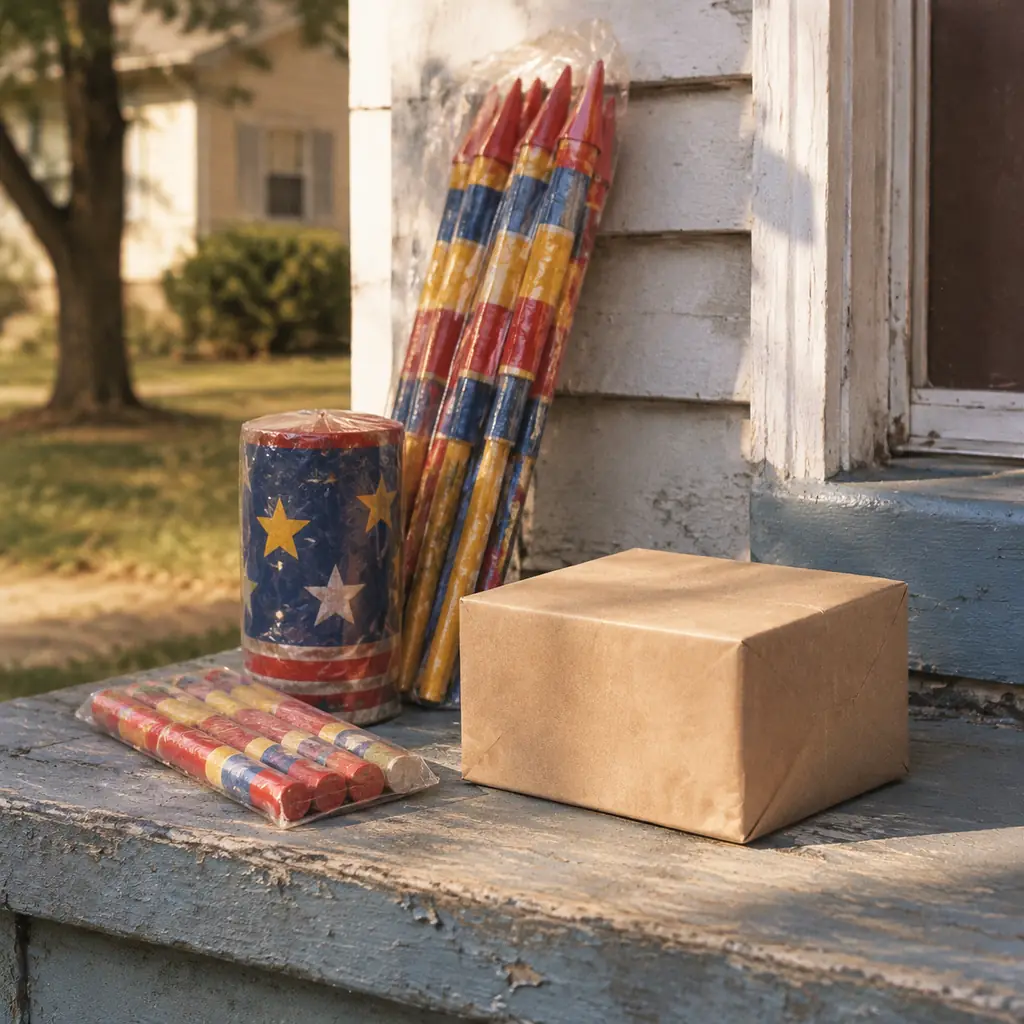
Fireworks could turn up outside the holiday in places where families had access to them. A loud sound from the end of a block drew the same curious neighbors more than once.
Age limits and fireworks rules varied locally. Memories about the excitement often sit alongside memories of an adult taking the rest away.
22. Walking to school alone
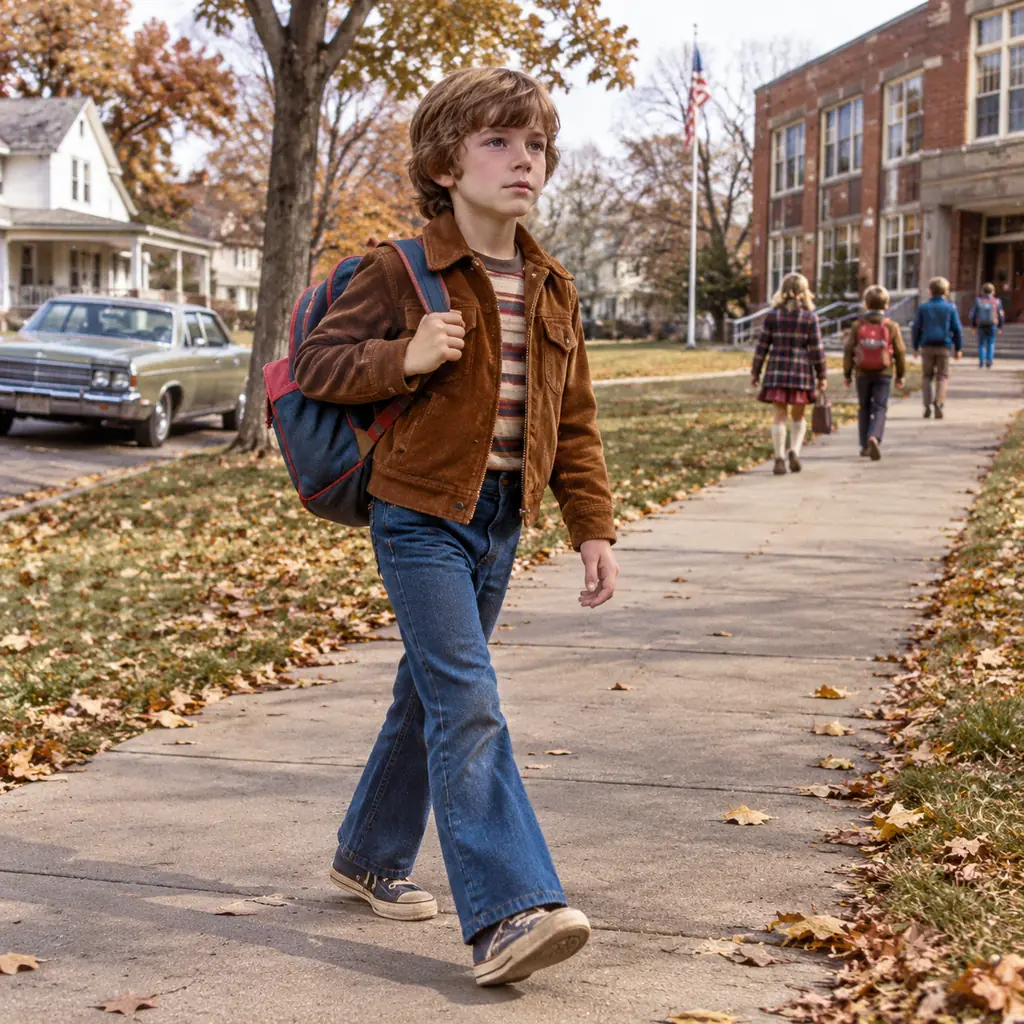
A short route to school could have reliable landmarks. You knew which neighbor put a bin out early and where you could wait to join a friend.
How young children were when they began going alone varied with the route and family. Many of the lasting memories are of the walk itself.
23. Making prank calls on a landline
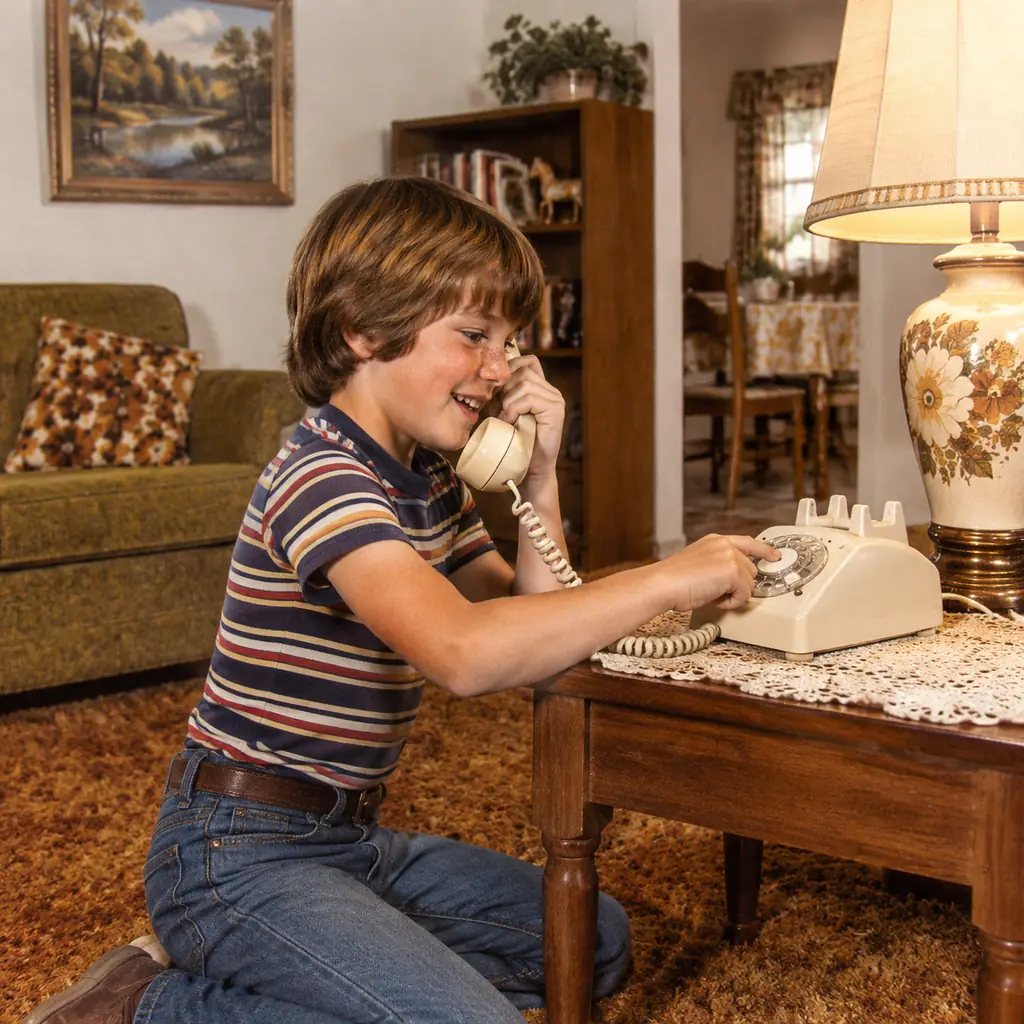
The household phone let someone ring a number they found in a directory and wait to see who answered. Pulling a prank felt anonymous to a child who had never seen a caller’s number shown on a screen.
There was still a chance an adult knew the voice, or that somebody else in the house picked up an extension.
24. Turning a shopping cart into a go-kart
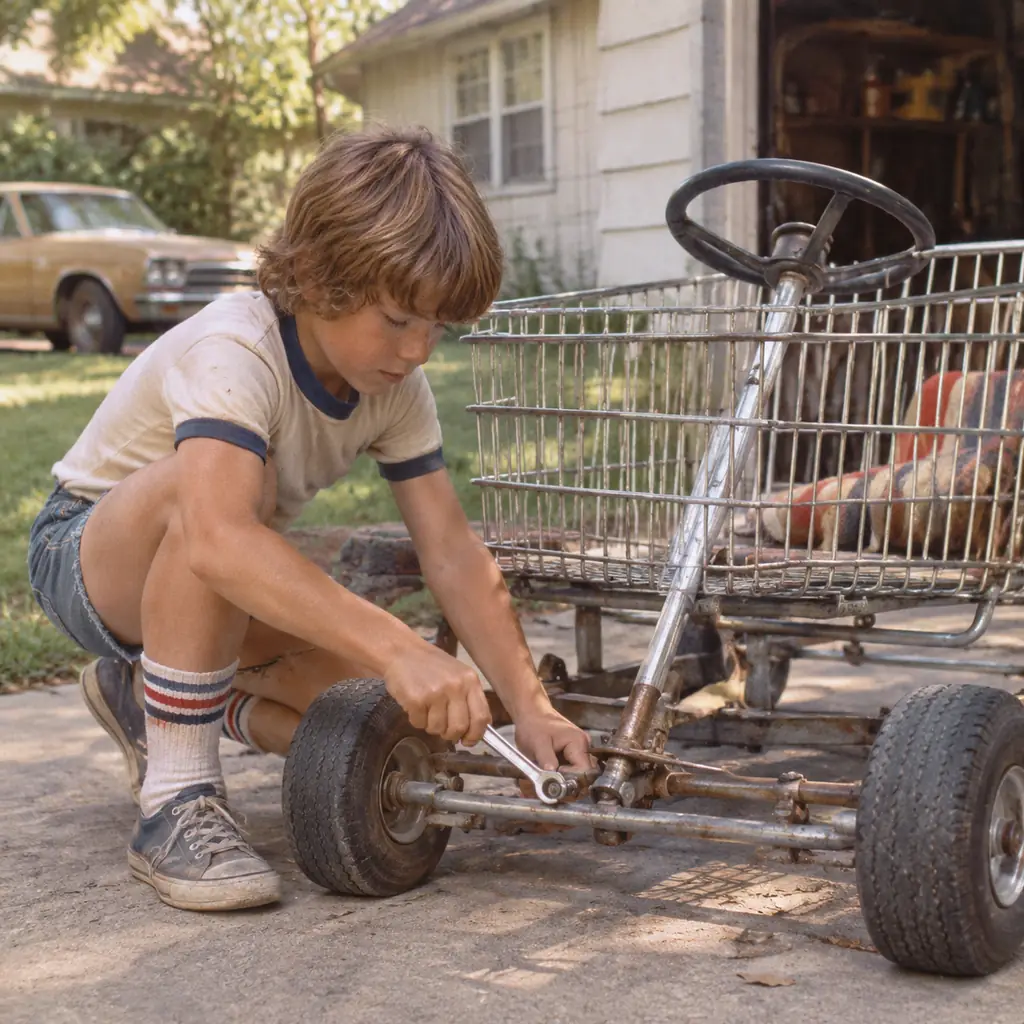
In a neighborhood of makeshift go-karts, salvaged wheels and old frames supplied some of the parts. A shopping cart also appears in stories about the kind of homemade vehicle a group thought it could invent.
The result rarely matched what anyone had imagined. A steep road or a lack of brakes made an improvised ride dangerous.
25. Sledding near the street
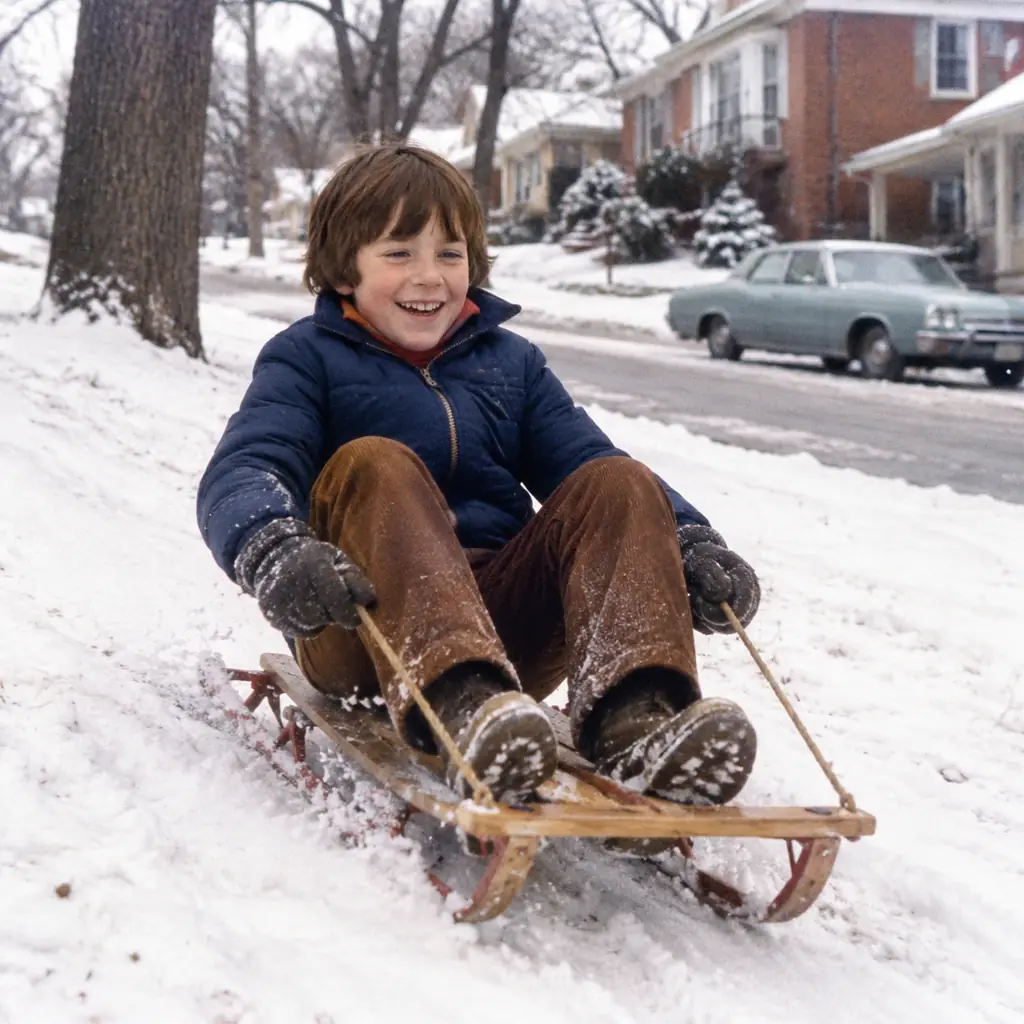
A snow-covered slope made it hard to see where the grass ended and a street began. Children wanted a longer run, even when the bottom got too close to traffic.
The safer hill was the one with a clear stopping area away from vehicles. Adults who remember sledding near a road often remember the person assigned to watch it.
26. Earning money at ten
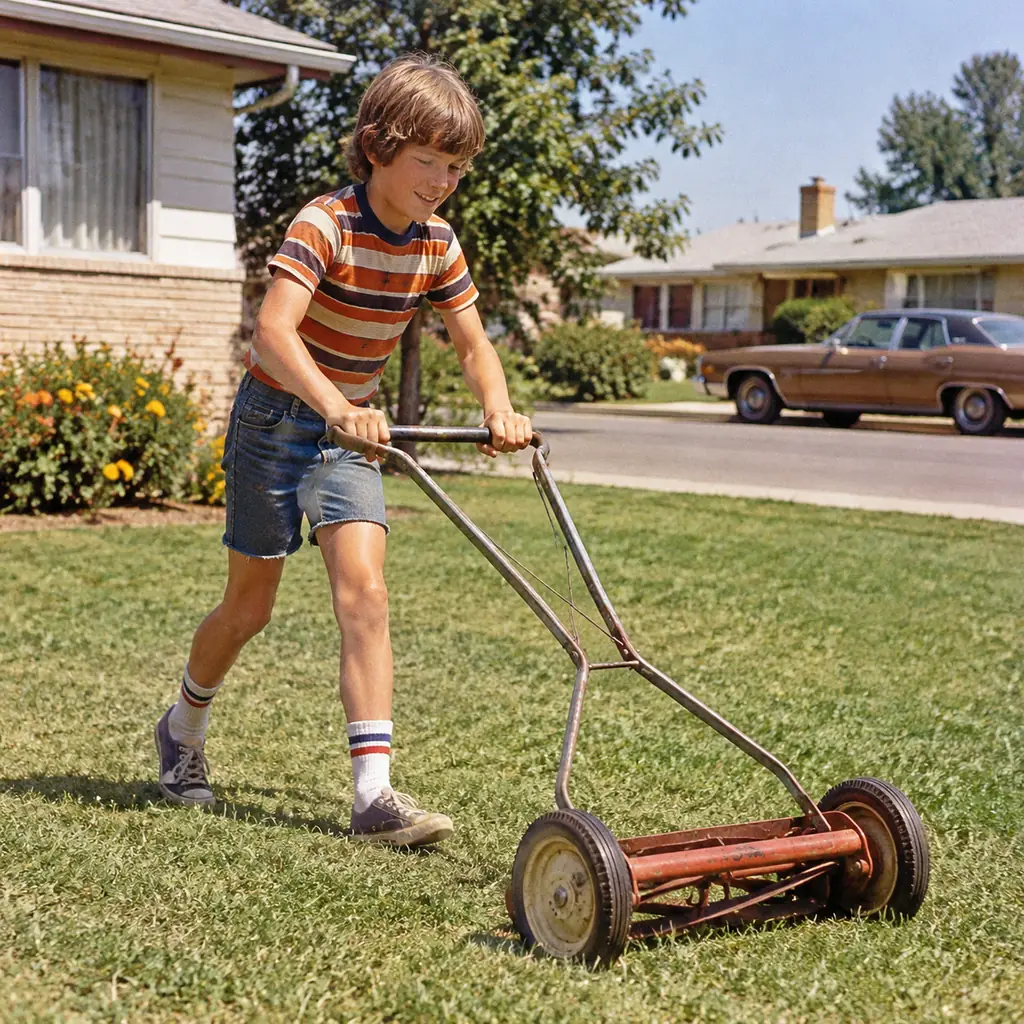
Some ten-year-olds remember earning money on a paper route, watching younger children, or being paid for a neighbor’s chores. The details varied widely and formal employment had age restrictions.
The first payment felt large when you knew the total you had put aside without having to ask for it.
27. Playing king of the hill
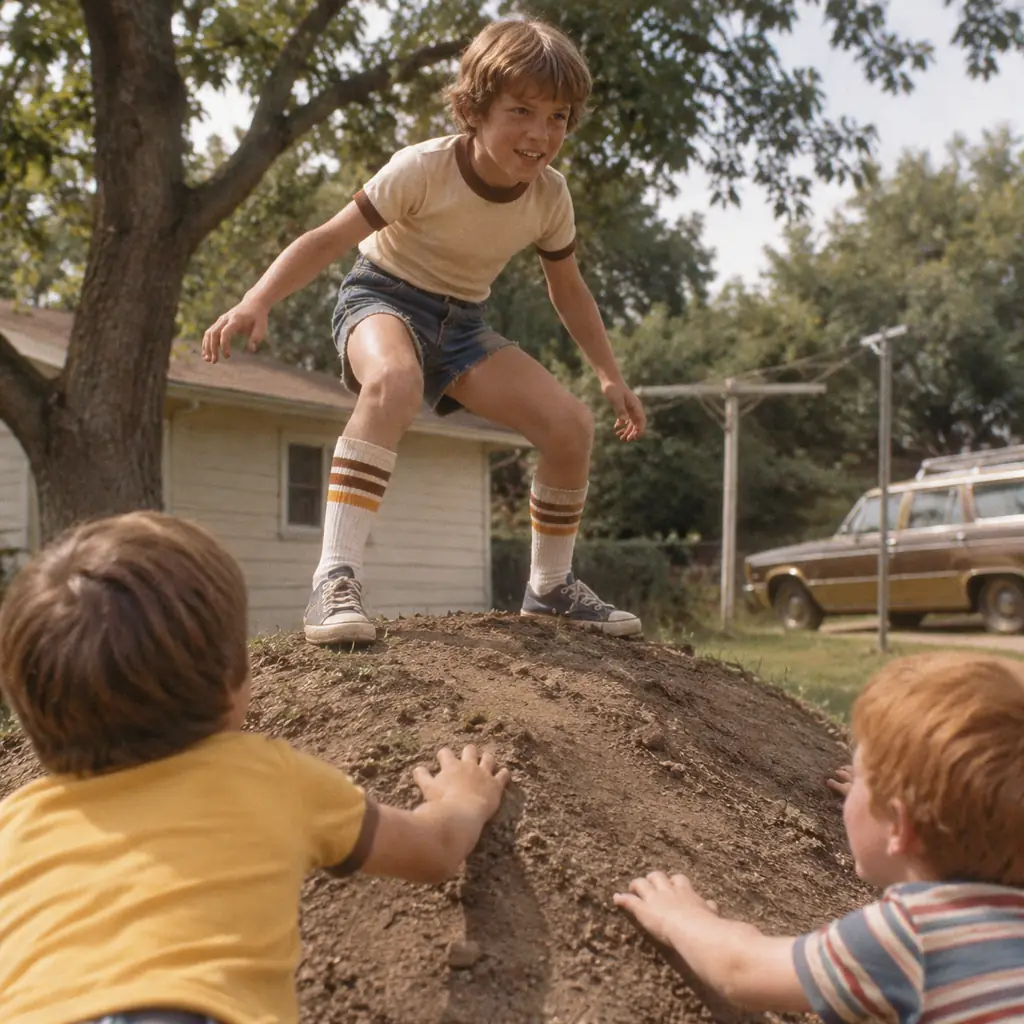
At the top of a snowy mound, there is room for only so many people to stand. King of the hill turned that small patch into something a whole group could argue about.
What started as a game could end quickly when the ground was hard or a fall hurt more than expected.
28. Playing Pong on the family television
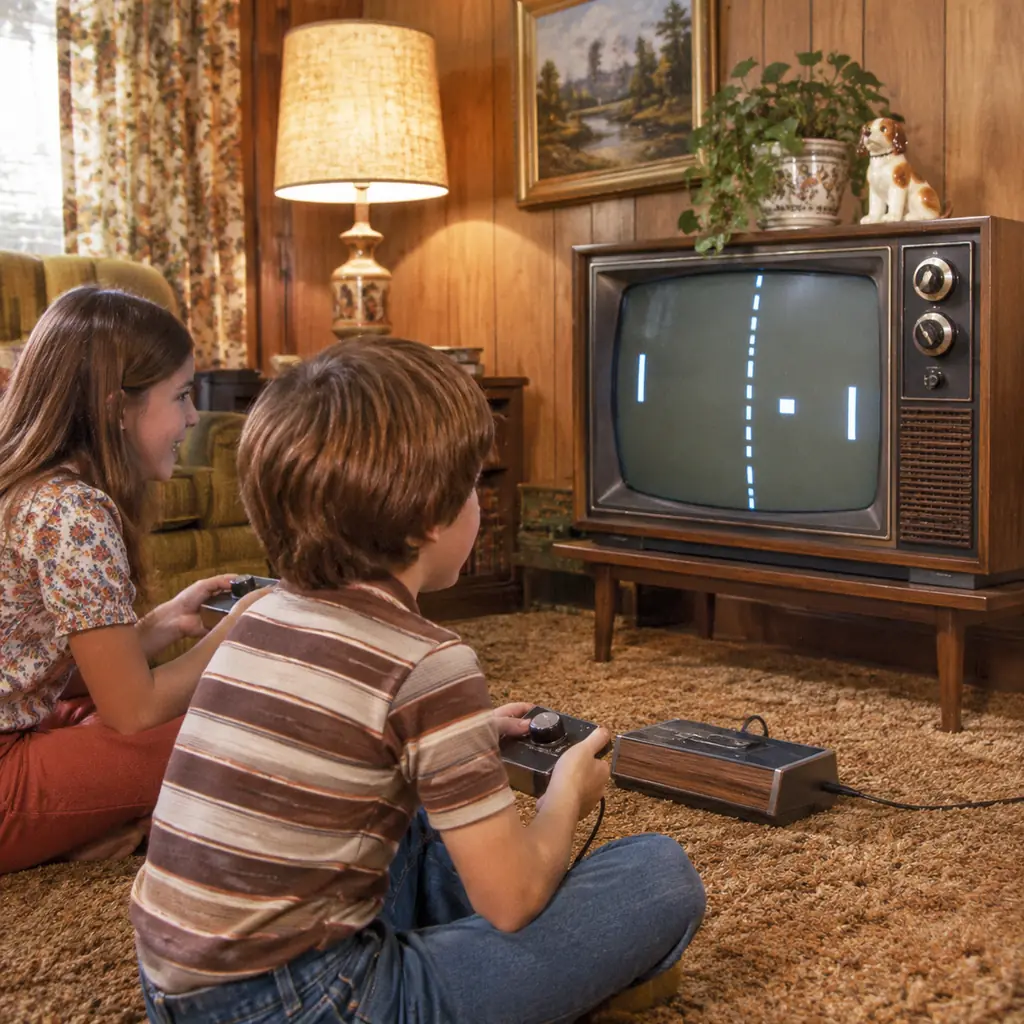
A home version of Pong could put two bars and a moving square on the family television. The device asked very little of the picture, but it gave the person holding a controller something to do before broadcast TV came back on.
Turning the knob a little too far had a visible consequence. The short turns left plenty of time for the person next to you to complain.
29. Waiting for Saturday morning cartoons
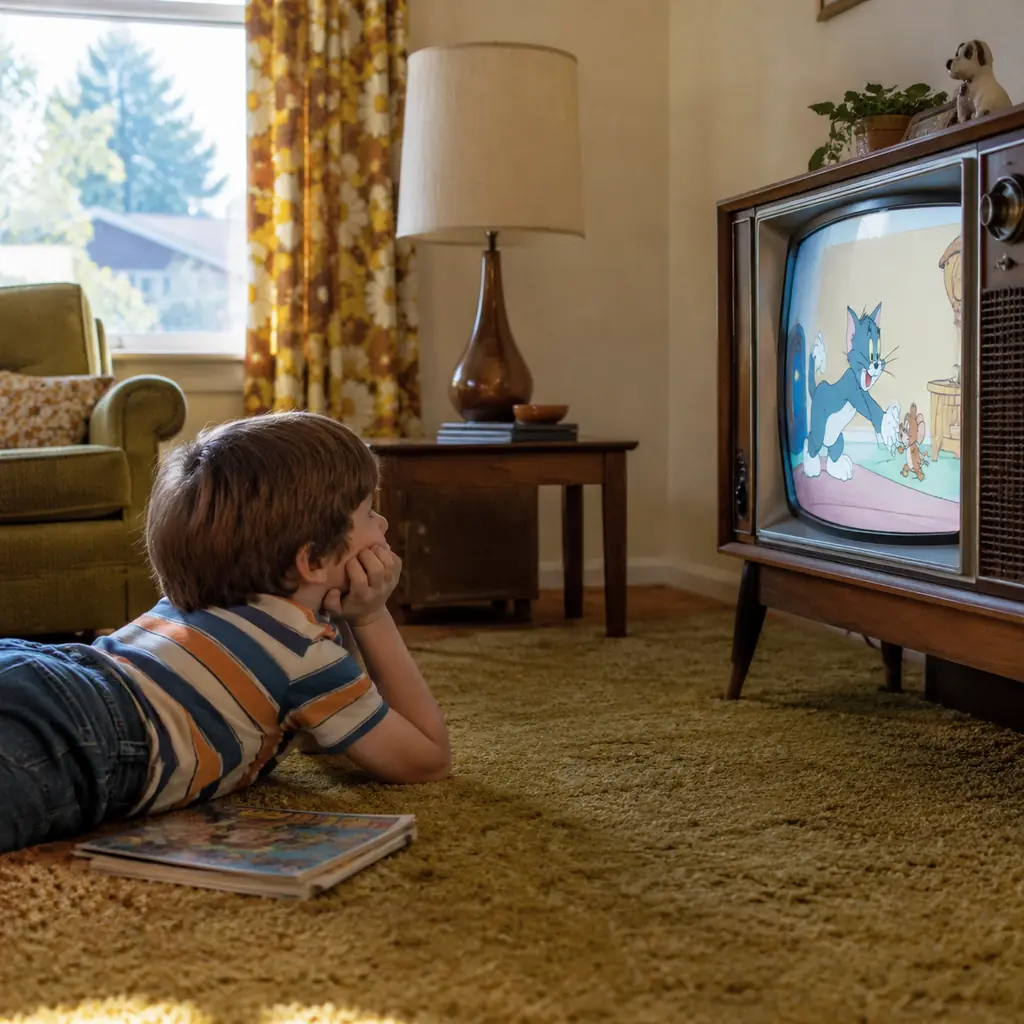
Saturday cartoons began with a decision about which channel to put on. There was no way to watch two programs airing at once on one television, so siblings had to discuss it.
The commercial breaks were part of how the time felt. An empty cereal bowl on the floor could say how long everyone had been there.