The Forgotten Meals Your Grandparents Made When Money Ran Short
When the grocery money ran down, a slice of toast could carry the whole meal. These are the dishes families made from whatever was left in the cupboard, the garden, or the icebox.
See how many still sound like something your family would eat.
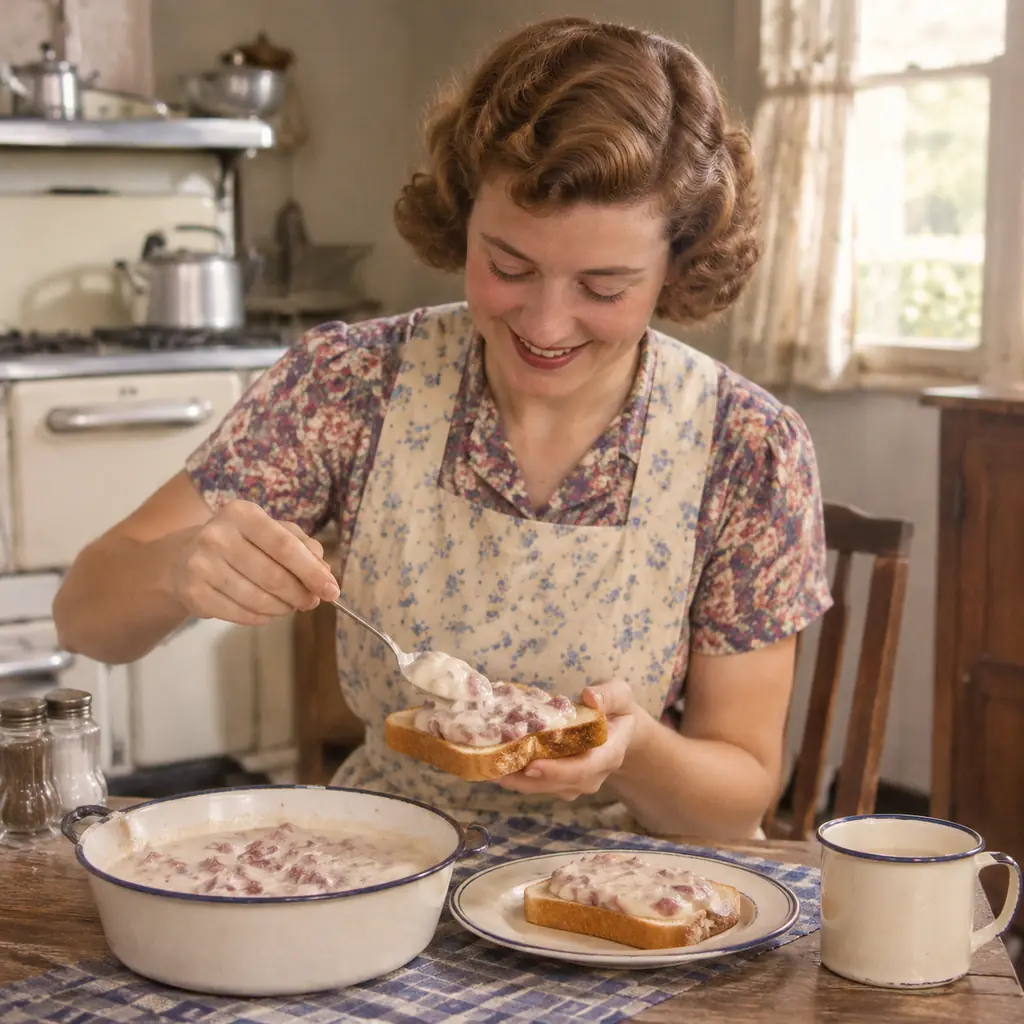
1. Creamed chipped beef on toast
The beef came in thin salty slices, so a little could season an entire pan of white sauce. You tore it up, warmed it through and spooned the sauce over toast before the bread went soft.
Creamed chipped beef is often remembered as military food. The civilian kitchen had a reason to keep the dish too. It turned a shelf-stable bit of meat into a hot plate.
2. Pea soup with dumplings
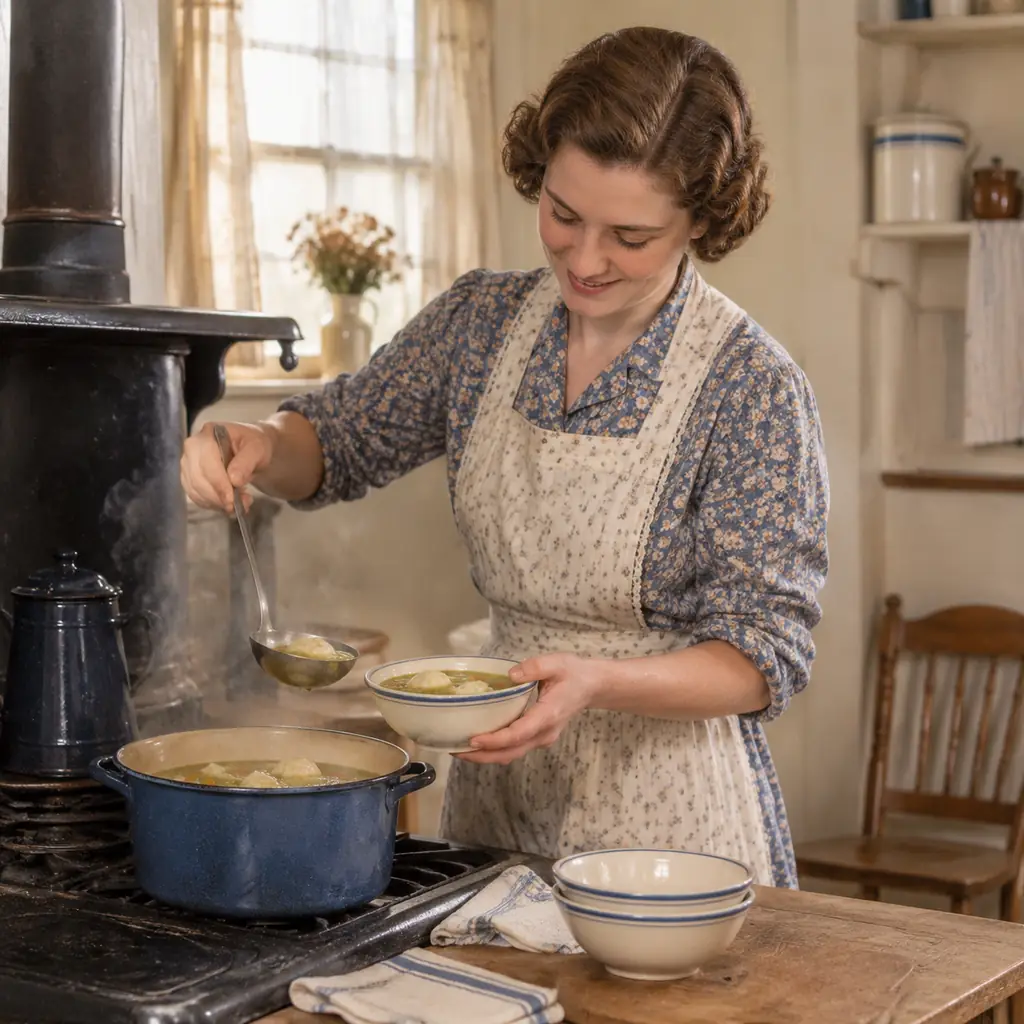
A pot of split peas thickens on its own as the peas break apart. A spoonful of dough dropped on top could steam into a dumpling while the soup finished cooking.
You got the soft middle of the dumpling and a spoonful of peas in the same bite. A cook with a hambone could add it. The peas could carry the pot on their own.
3. An onion sandwich
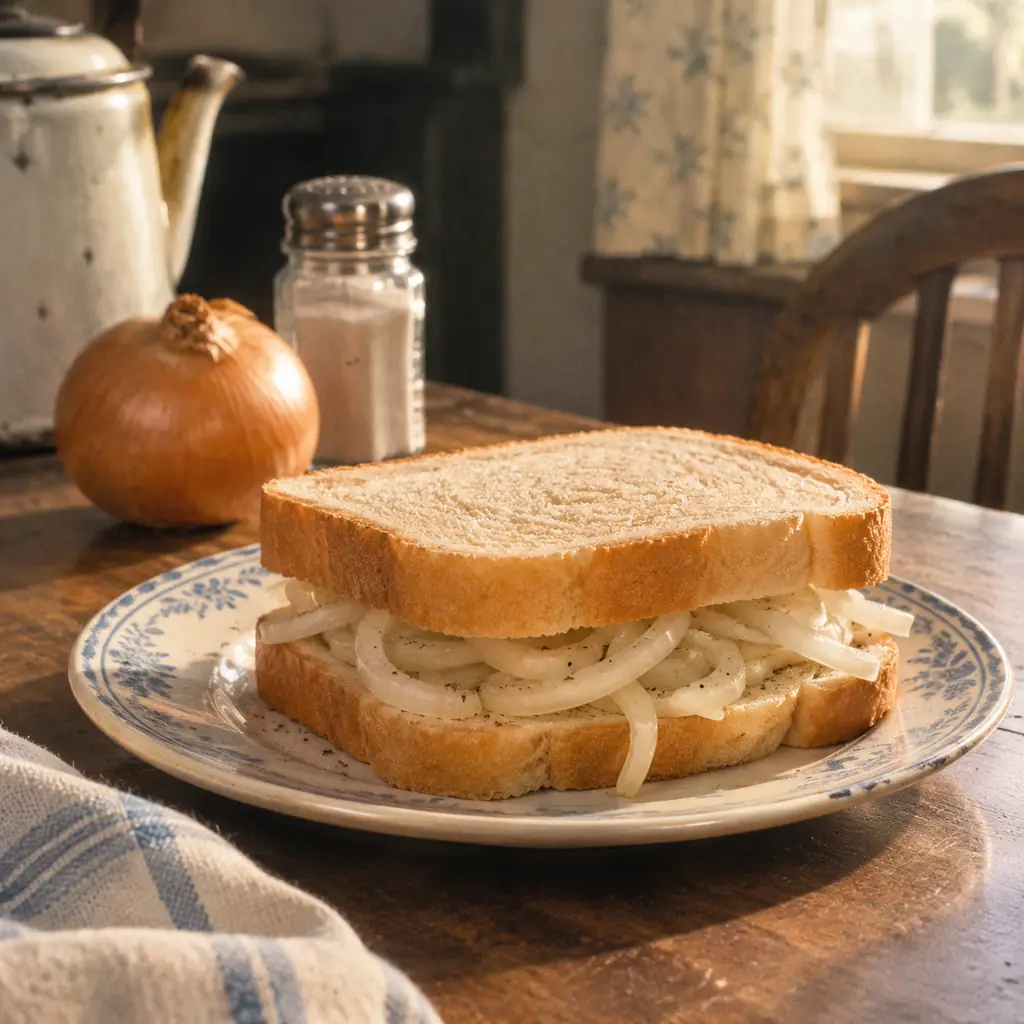
A raw onion is an assertive filling when there is nothing else between the bread. It makes a quieter sandwich when it is sliced thin and laid over butter or a little dressing.
Fresh bread made this easier to eat. A loaf that had gone dry could be toasted first. Either way, the bread did more of the work than the filling.
4. Day-old bread pudding
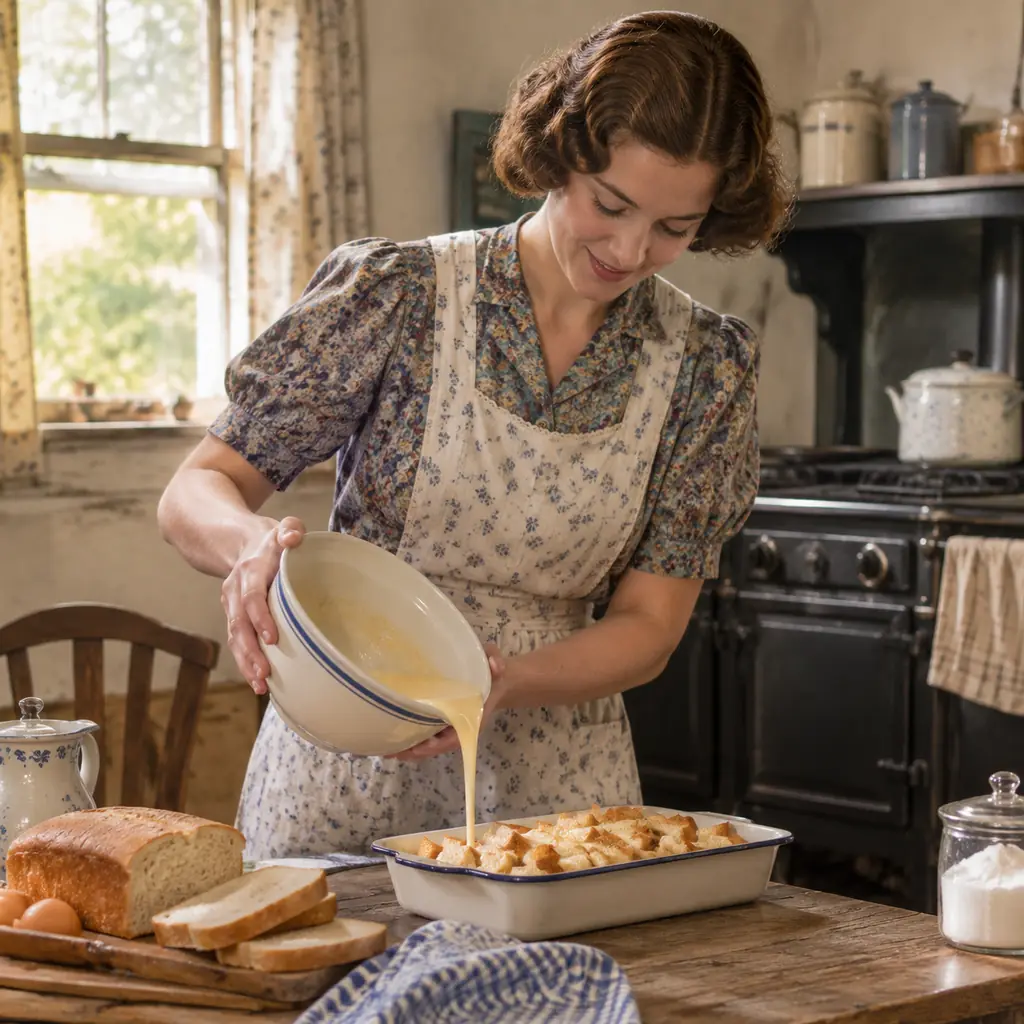
The ends of a loaf went into the baking dish after they had passed their best sandwich days. Milk and egg softened the bread. A few raisins could make it feel like a dessert worth sitting down for.
People had made bread pudding for generations. A tight grocery budget gave a cook a reason to remember how.
5. Water pie
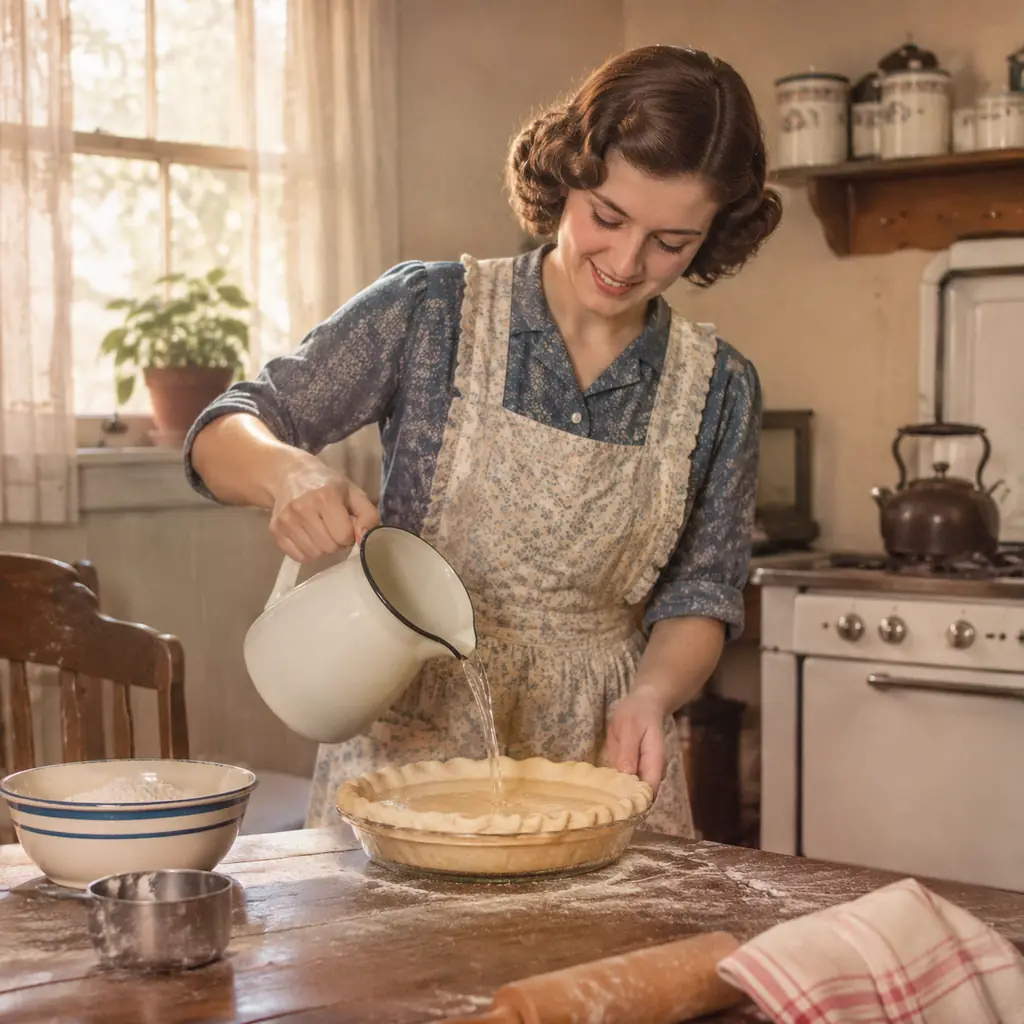
Water pie makes its filling from water, sugar, flour and small amounts of flavoring or fat. The pastry and the thickened filling make the finished slice more substantial than the ingredients sound.
This is a pantry pie. Its appeal for families short on groceries was that it could go into the oven without fruit, custard, or a trip back to the store.
6. Hoover stew
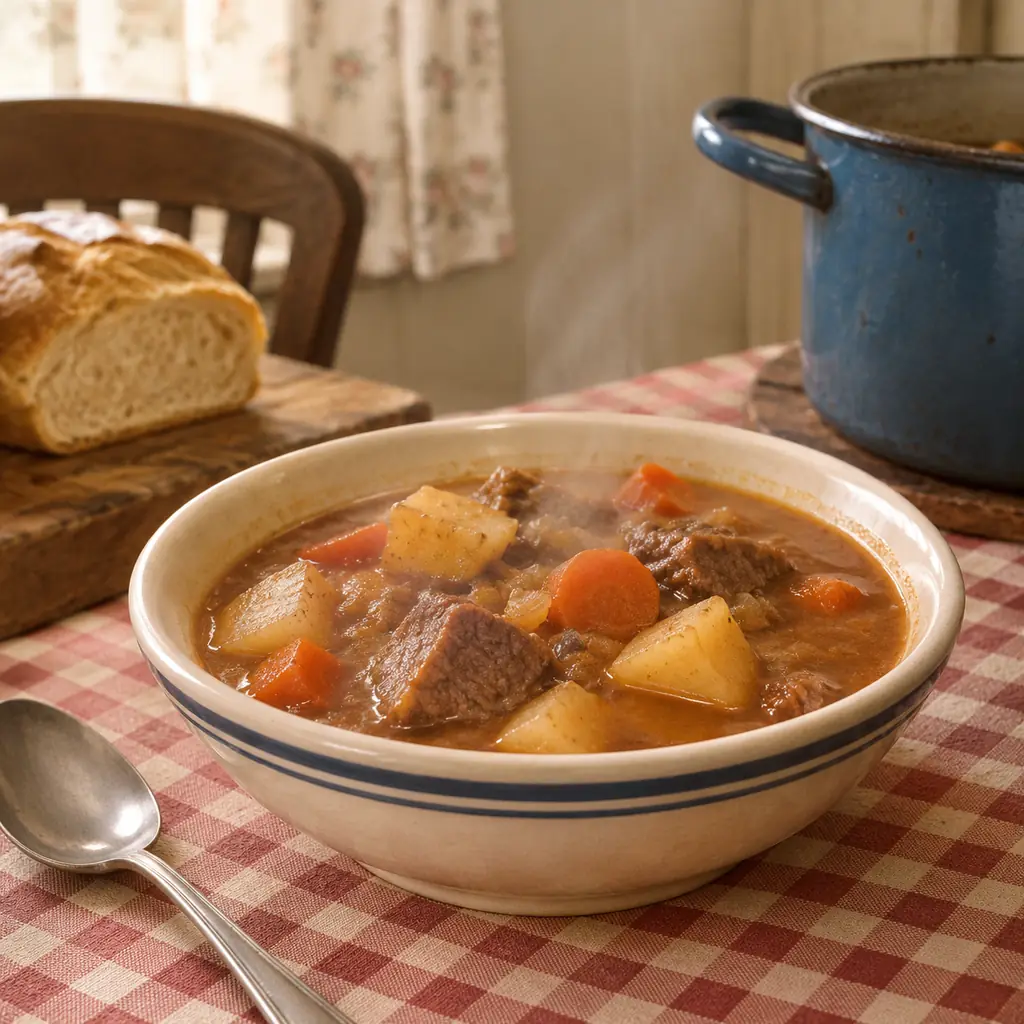
Macaroni gave a thin tomato base something solid to hold. A little meat, where available, could be cut into small pieces so more than one bowl got some.
Hoover stew is a name attached to inexpensive Depression-era soups and stews. A single fixed recipe would miss the point. The ingredients depended on who was cooking and what had come in.
7. Beans with a ham hock
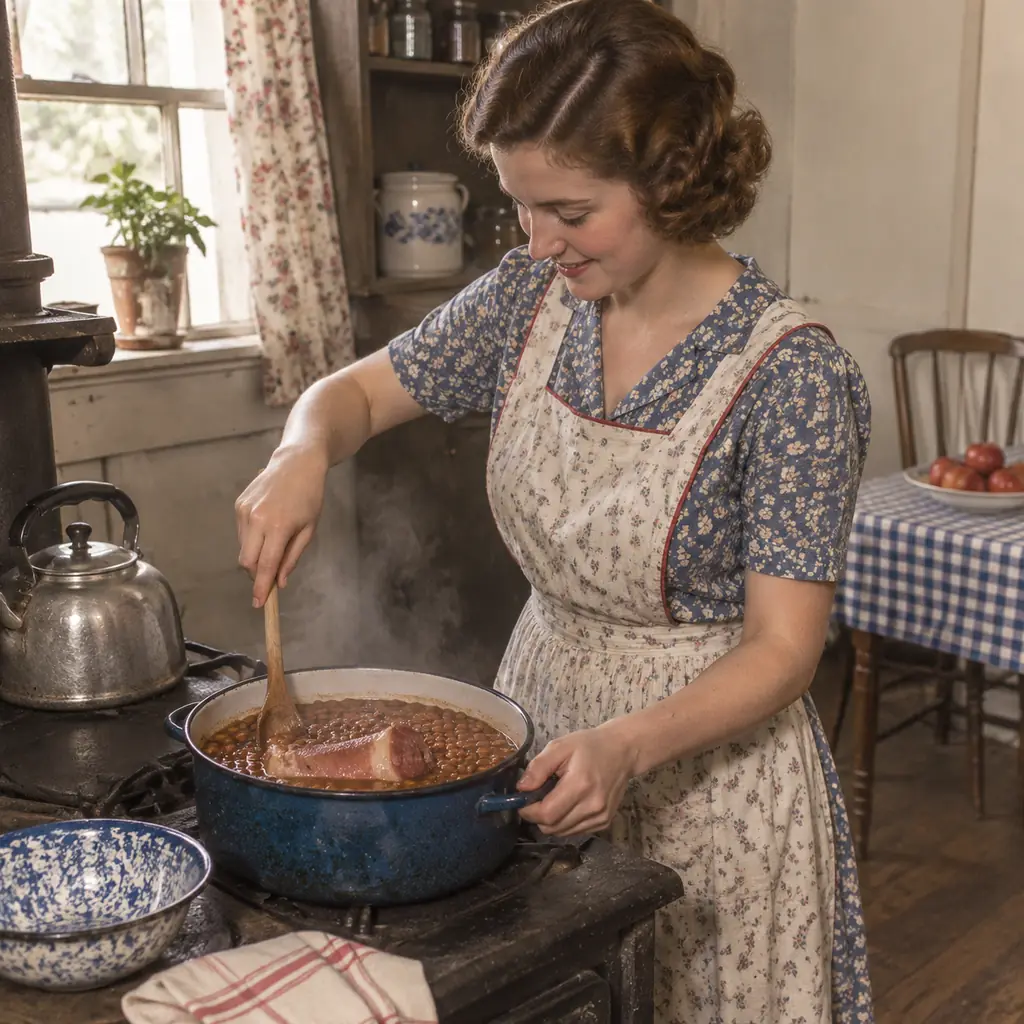
A ham hock gave beans a smoky taste even when it left little meat to divide. The beans softened slowly, and the pot smelled like supper well before it was ready.
You could serve it thick with bread or loosen it with cooking liquid the next day. The hock had already done most of its work by then.
8. Rabbit stew
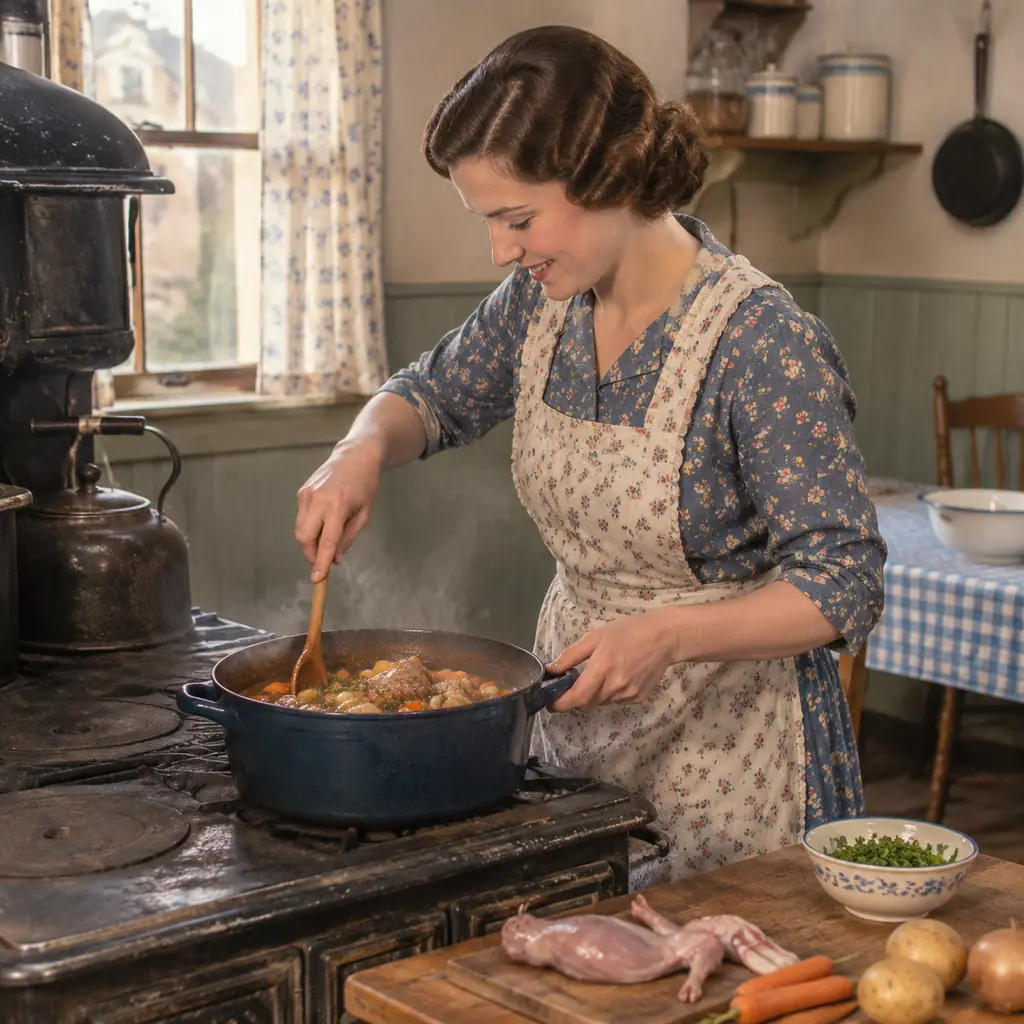
Rabbit could turn up from a hunt, a trap, a backyard hutch, or a local seller. Its lean meat suited a pot of broth with an onion and whatever roots the cook had.
Cooking it gently gave the harder pieces time to soften. On the table, the liquid and vegetables helped carry a small rabbit across several servings.
9. A pinto bean sandwich
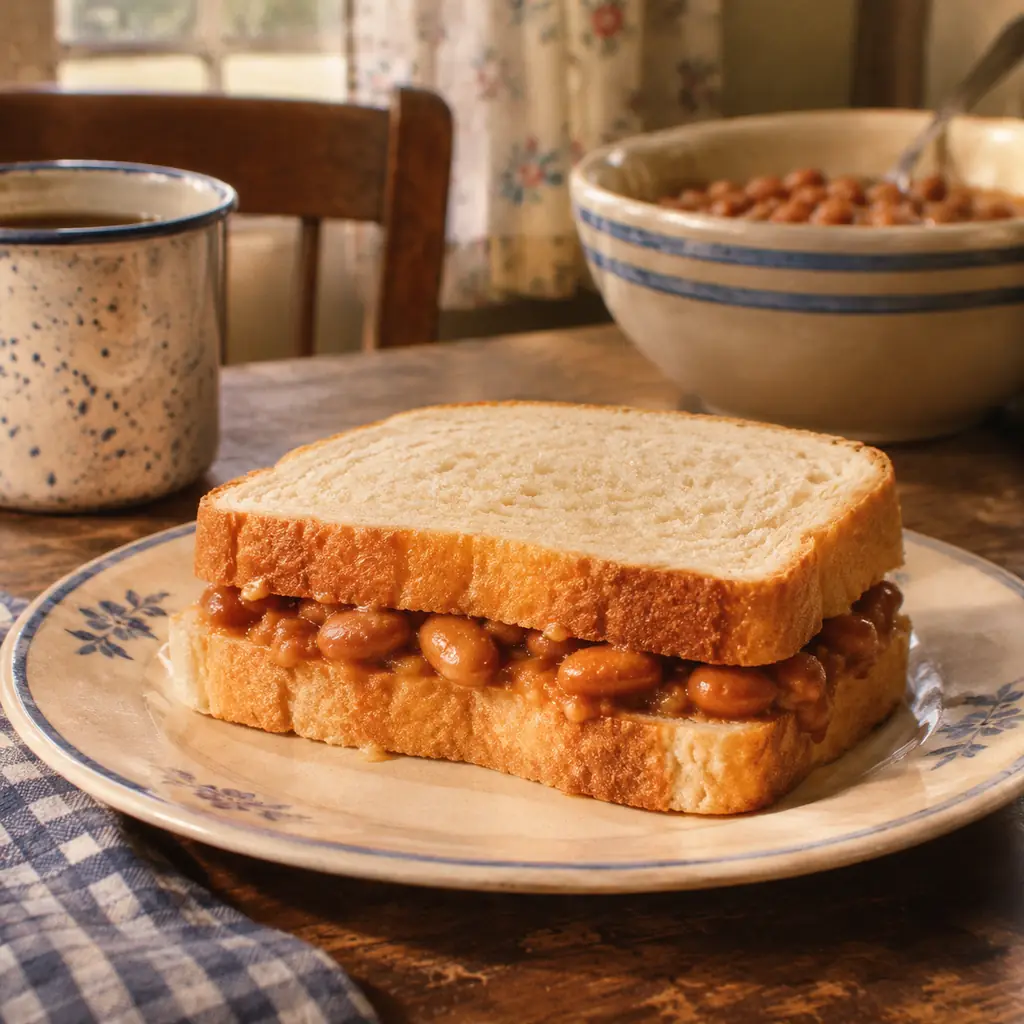
Yesterday’s pinto beans could be mashed into a spread for today’s bread. You wanted them thick enough to stay put when the sandwich was folded in a bit of paper.
A spoonful of pot liquor brought dry beans back to life. It was an easy lunch to take along without having to cook a second meal before leaving the house.
10. Potato soup
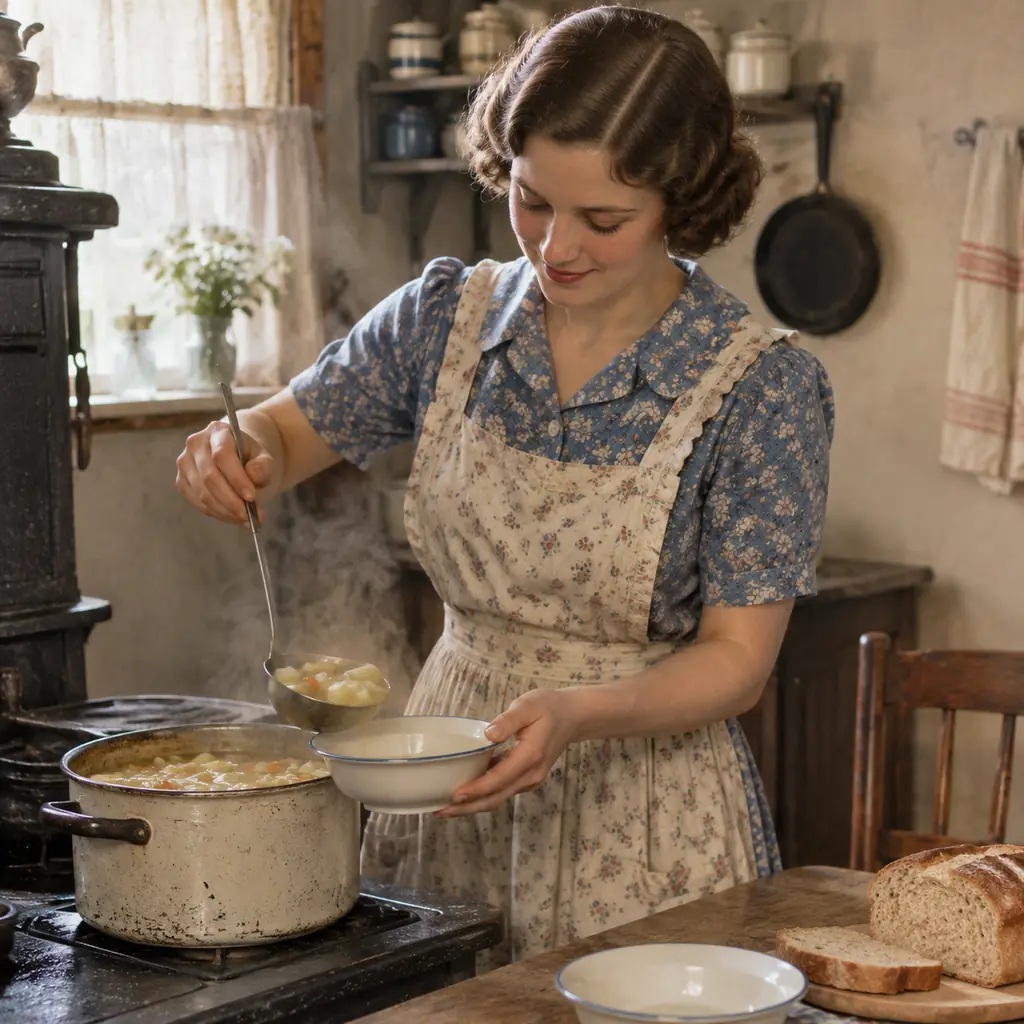
Potatoes went into the pot with water or broth and whatever onion the cook had. Breaking up a few of the cooked pieces made the soup thicker without needing cream.
Some bowls were finished with milk. Others got only pepper and a slice of bread. The simple version still gave a cold person something warm to hold and eat.
11. Corncob jelly
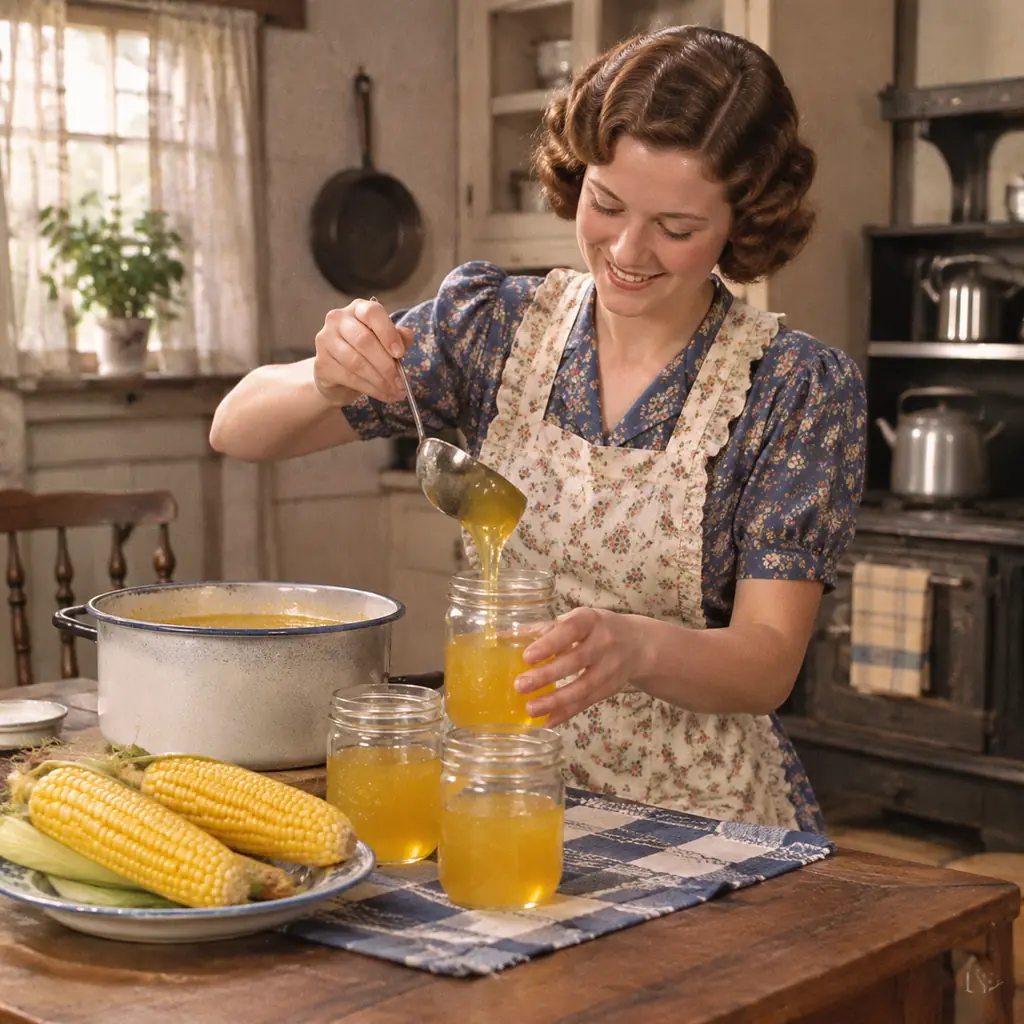
The cobs from a batch of corn could flavor the liquid for jelly after the kernels had gone elsewhere. Sugar and the rest of the preserving ingredients gave the finished jar its body.
The habit makes sense if you picture someone cutting kernels off several ears. There was a pile of cobs sitting right there and room for one more job.
12. Soup made from saved scraps
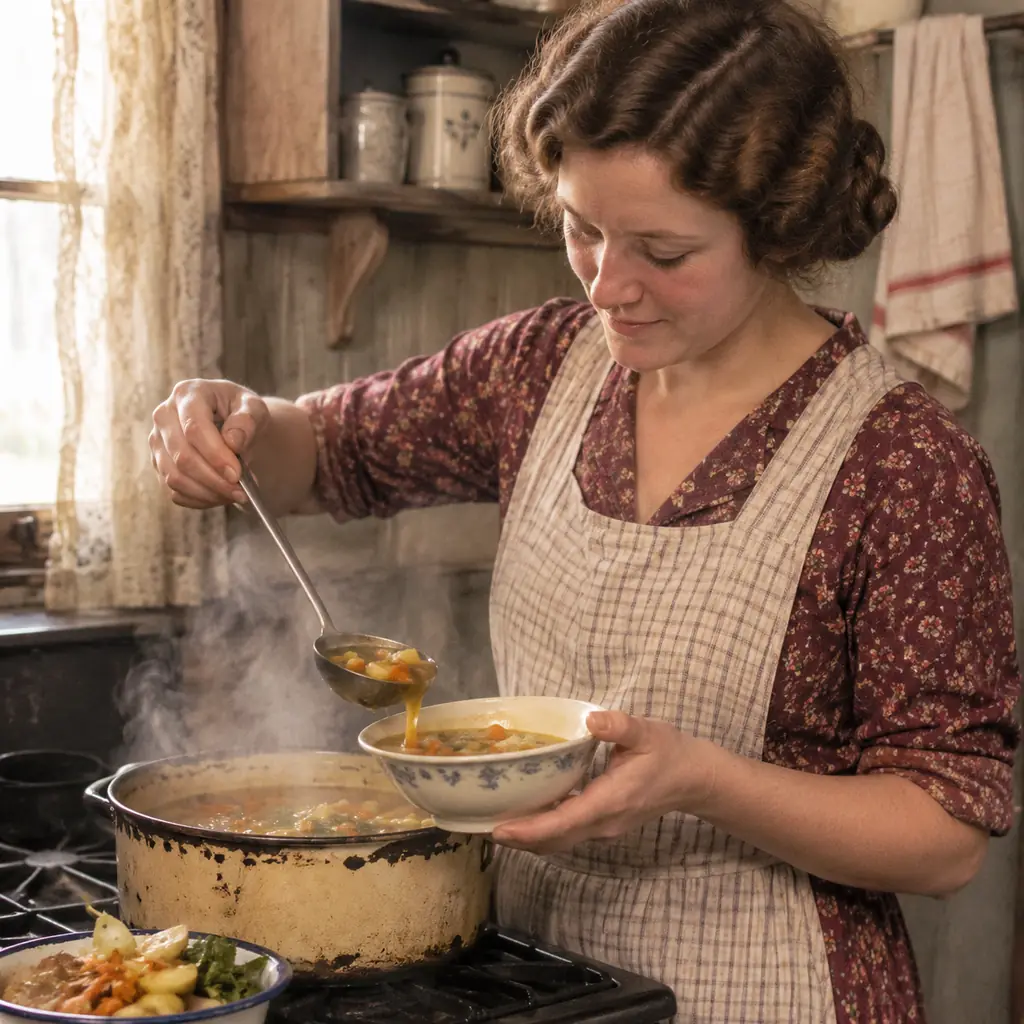
An onion end, a handful of cooked vegetables, and a bit of broth could begin another meal. Making fresh soup from safe leftovers put odds and ends together in portions large enough to serve.
Some families remembered a pot that changed from day to day. It was the habit of making a new meal from what remained that mattered.
13. Vinegar pie
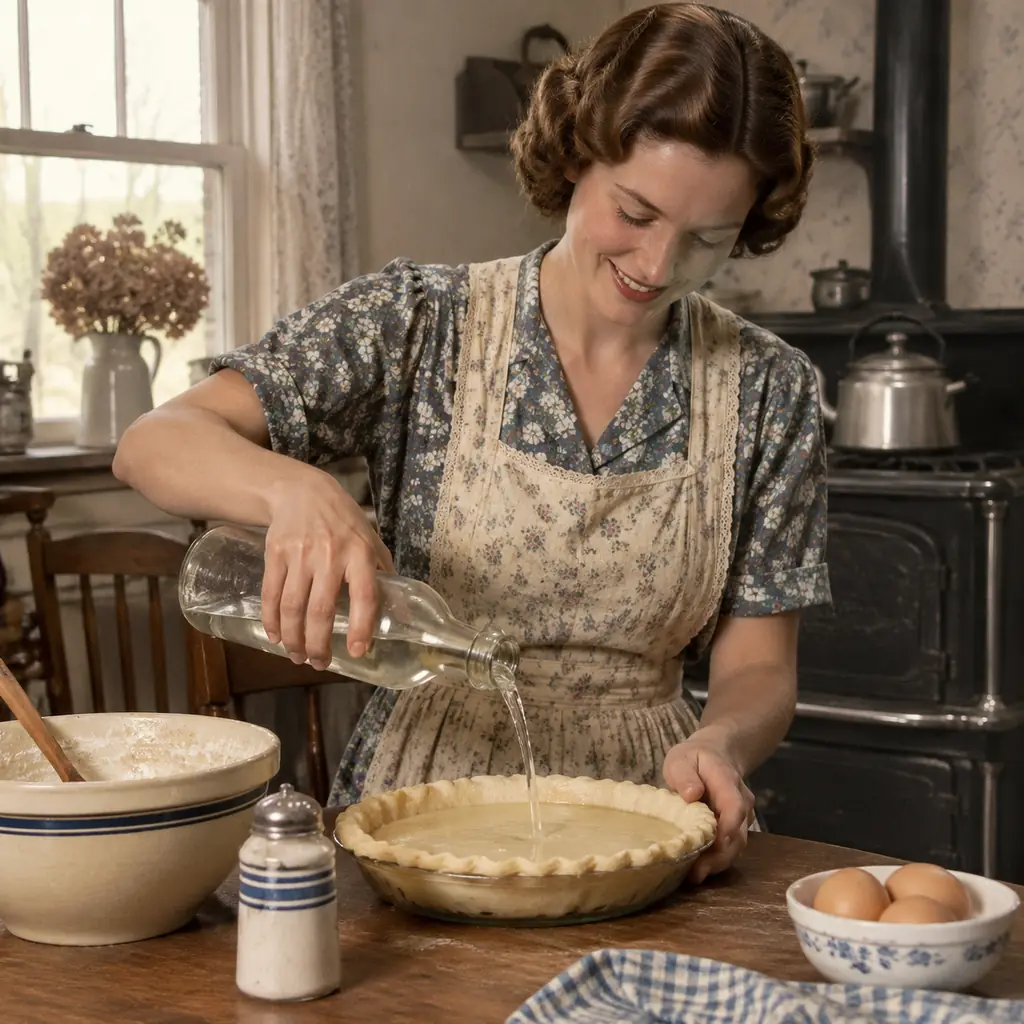
Vinegar gave a sweet pie filling the acidity that fruit would normally bring. The cook still needed a crust and something to thicken the center, but there was no bag of apples to buy.
There are different preparations under the vinegar-pie name. A finished slice is its own dessert, with a sharp note that keeps the sugar from tasting flat.
14. Egg-drop soup
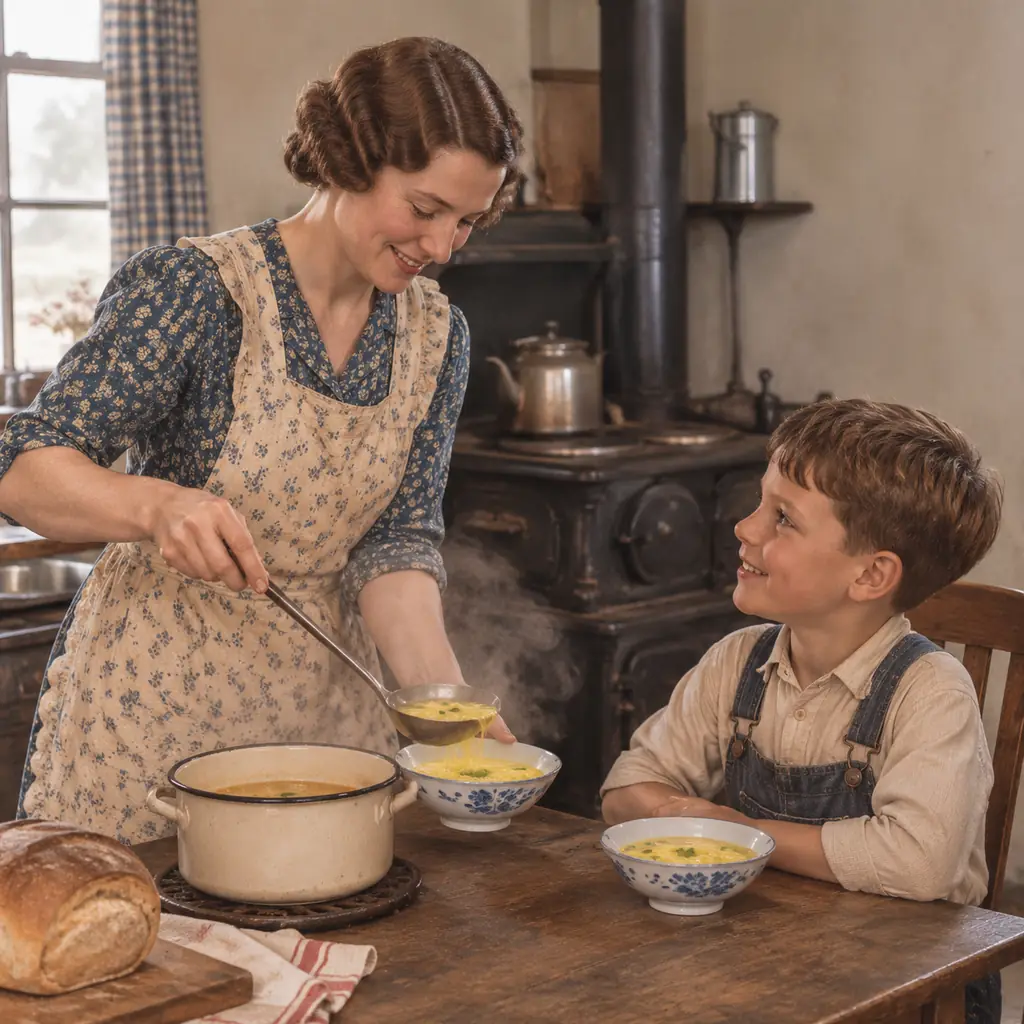
A beaten egg makes thin strands when it meets hot broth. One egg can put a bit of substance in a whole pot, especially when the broth already has a strong flavor.
The result could be a light meal on its own or a first bowl before bread. Chinese cooks and restaurants brought familiar versions of this soup to American diners.
15. Biscuits with gravy
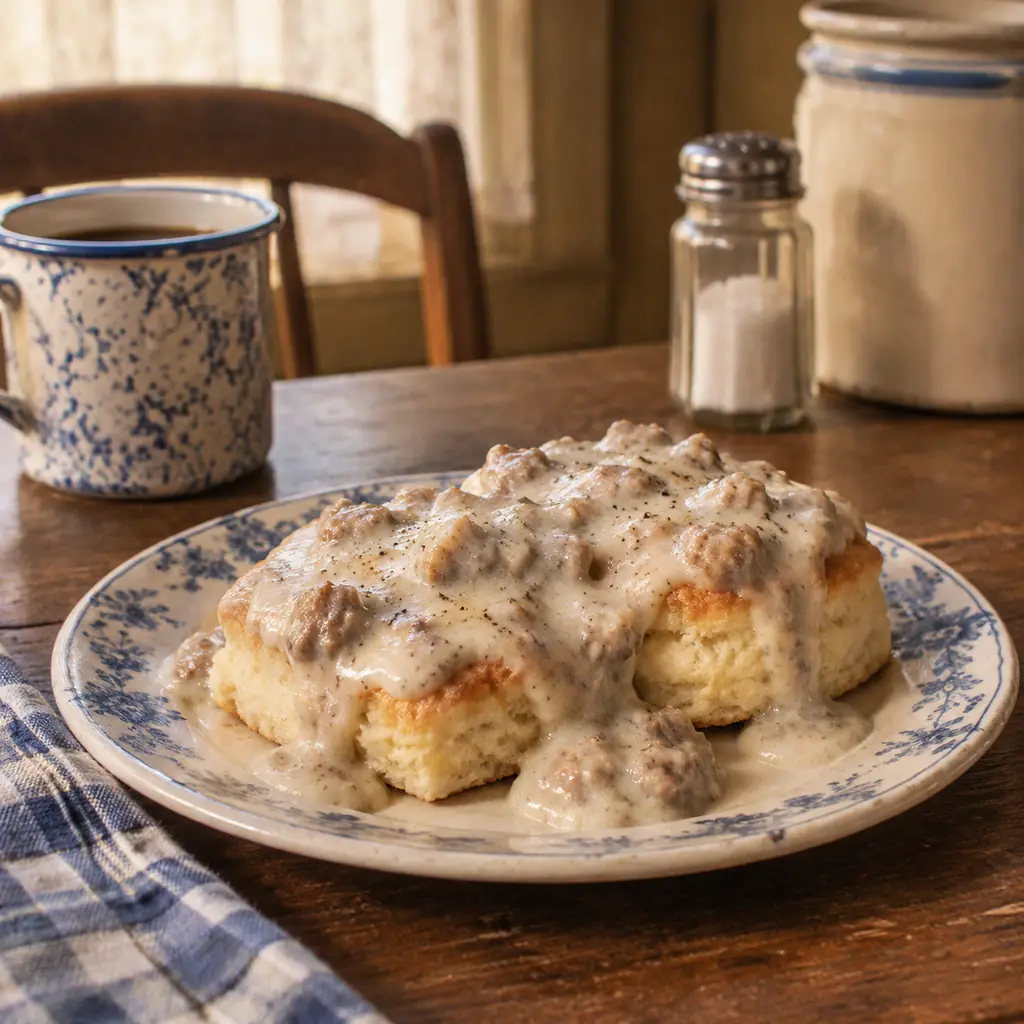
Biscuits left enough soft interior to soak up gravy. That made the meal feel generous even if the drippings or meat that flavored the pan were in short supply.
Sausage was one way to start the gravy. Cooks could also use other drippings. The biscuit gave each person something more substantial than a ladle of sauce.
16. Fried bologna
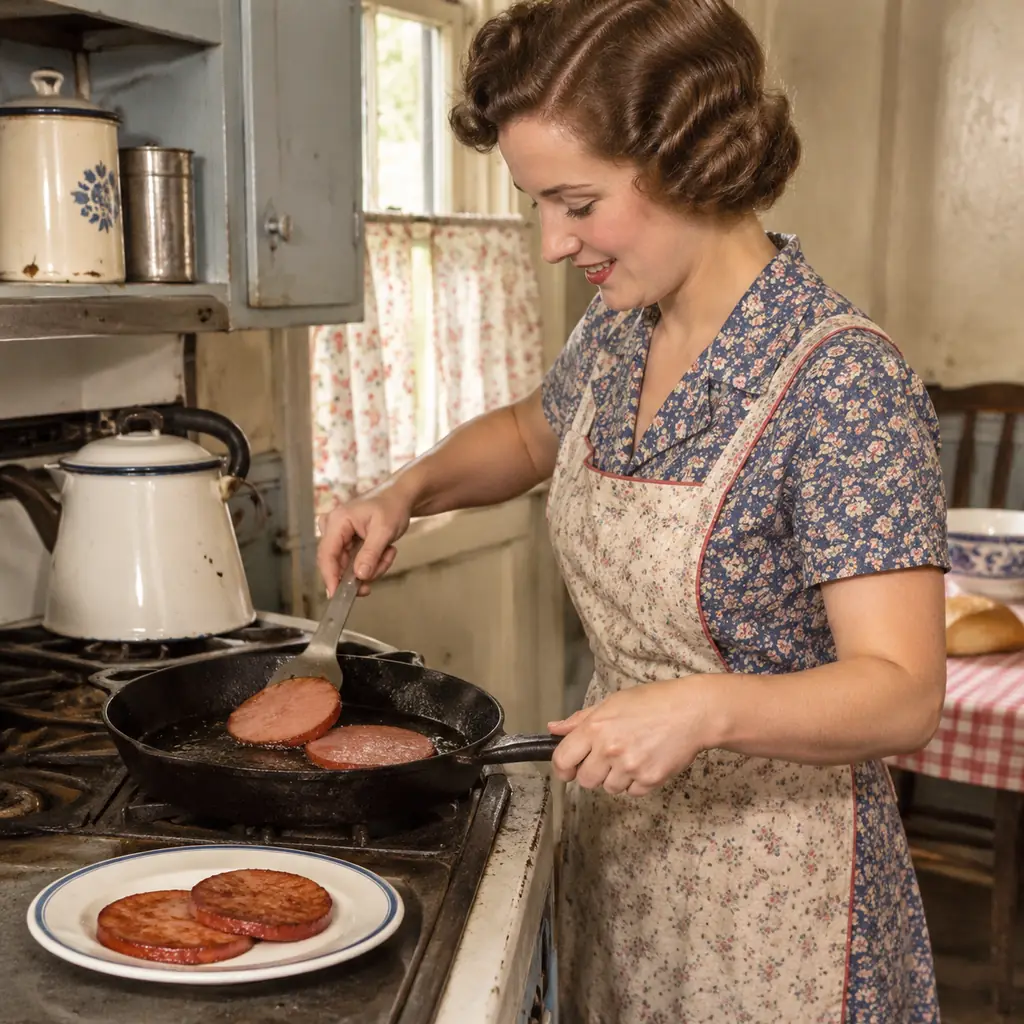
A slice of bologna curls as its edge takes the heat of the skillet. Frying gave a familiar piece of lunch meat a browned surface before it went between bread.
A cook could put it straight on the plate too. The appeal was a hot serving that took only a few minutes and required very little meat per person.
17. Beans simmered with a ham bone
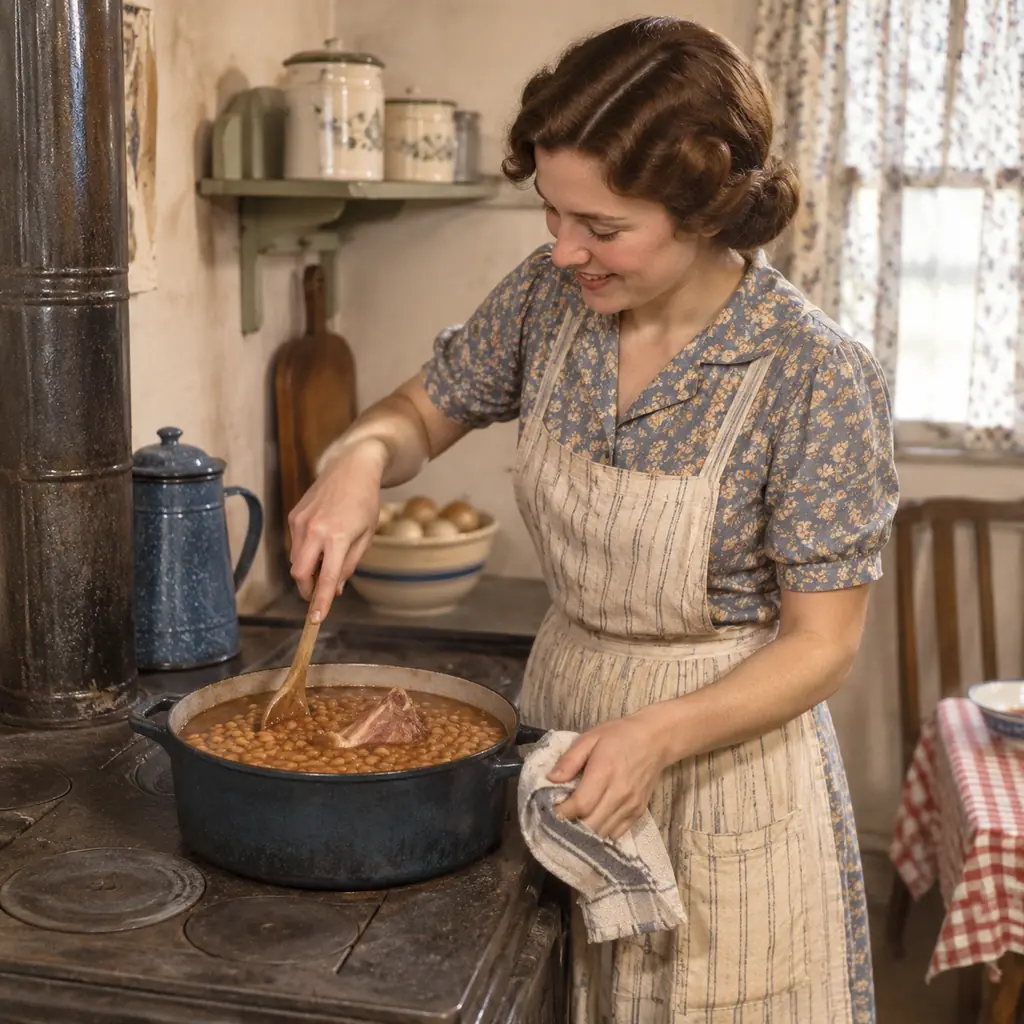
A bone left from a cooked ham sometimes carried scraps of meat along the edge. It could go into a pot of beans and season the liquid while the beans softened.
You picked over the bone before serving. It was a way to use the second life of something that had already paid for the first dinner.
18. Tomato gravy
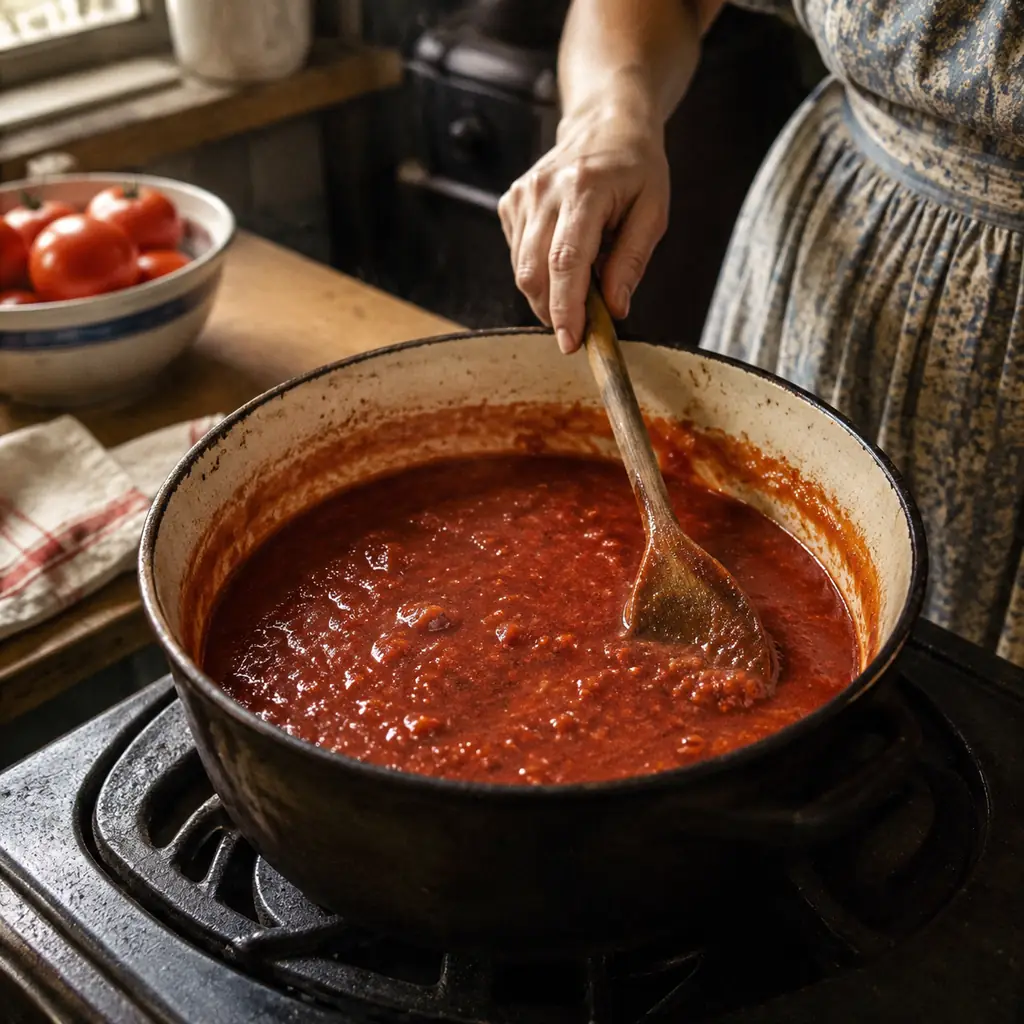
Tomato gravy started with a bit of fat and flour in the pan. Tomatoes gave the mixture color and a sharpness that made plain biscuits taste like part of a whole meal.
Southern versions varied with the season and what the cook had canned. The recipe was useful at breakfast or supper when there was no separate meat dish.
19. A sugar sandwich
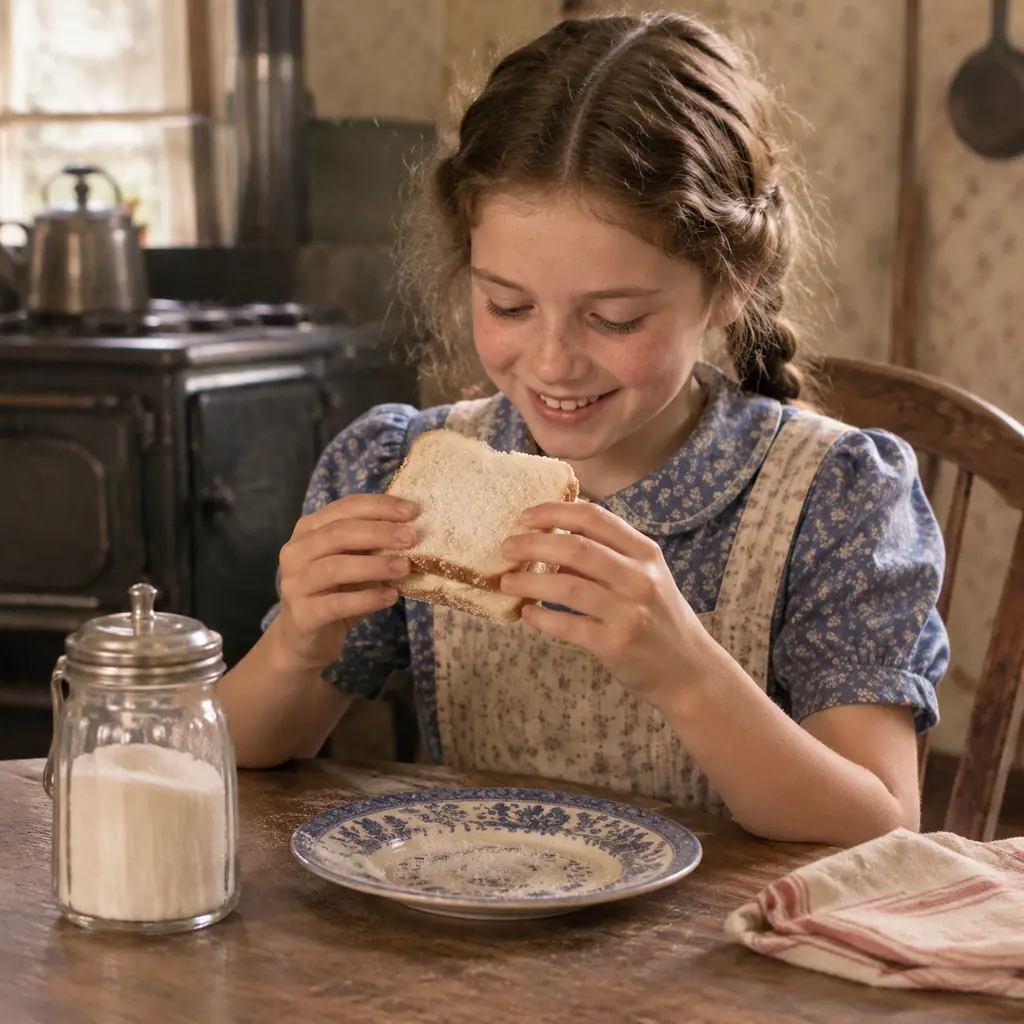
A little sugar on buttered bread got a child something sweet without a baking pan or a fresh batch of cookies. The butter helped the grains stay on the bread.
The crunch was part of the experience. This made more sense as a snack or a remembered treat than as a full dinner.
20. Soup made with potato peels
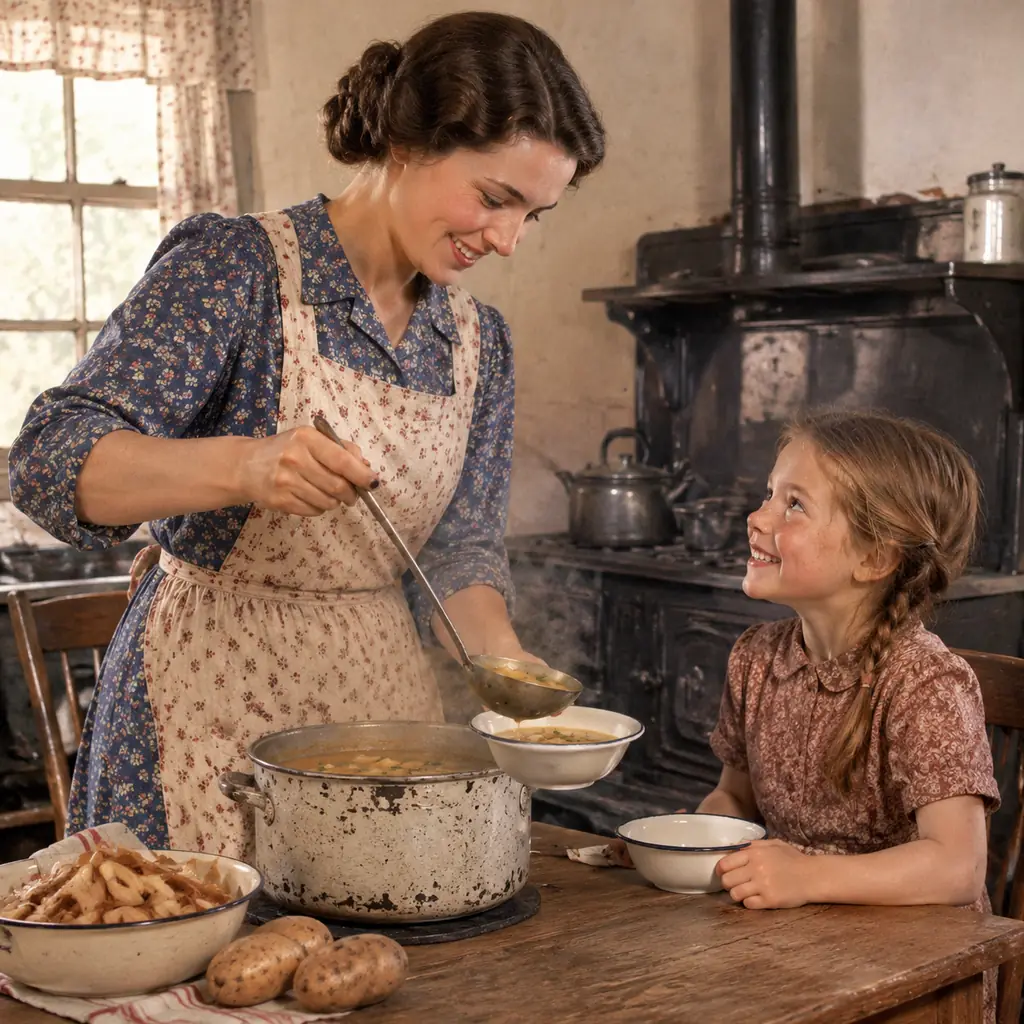
Potato peels still had bits of flesh clinging to them when a cook peeled by hand. Clean peels and other vegetable trimmings could lend flavor to water used for soup stock.
A household could add a little grain, onion, or whatever else it had. This is a memory of using kitchen trimmings where the ingredients were sound.
21. Bread soup
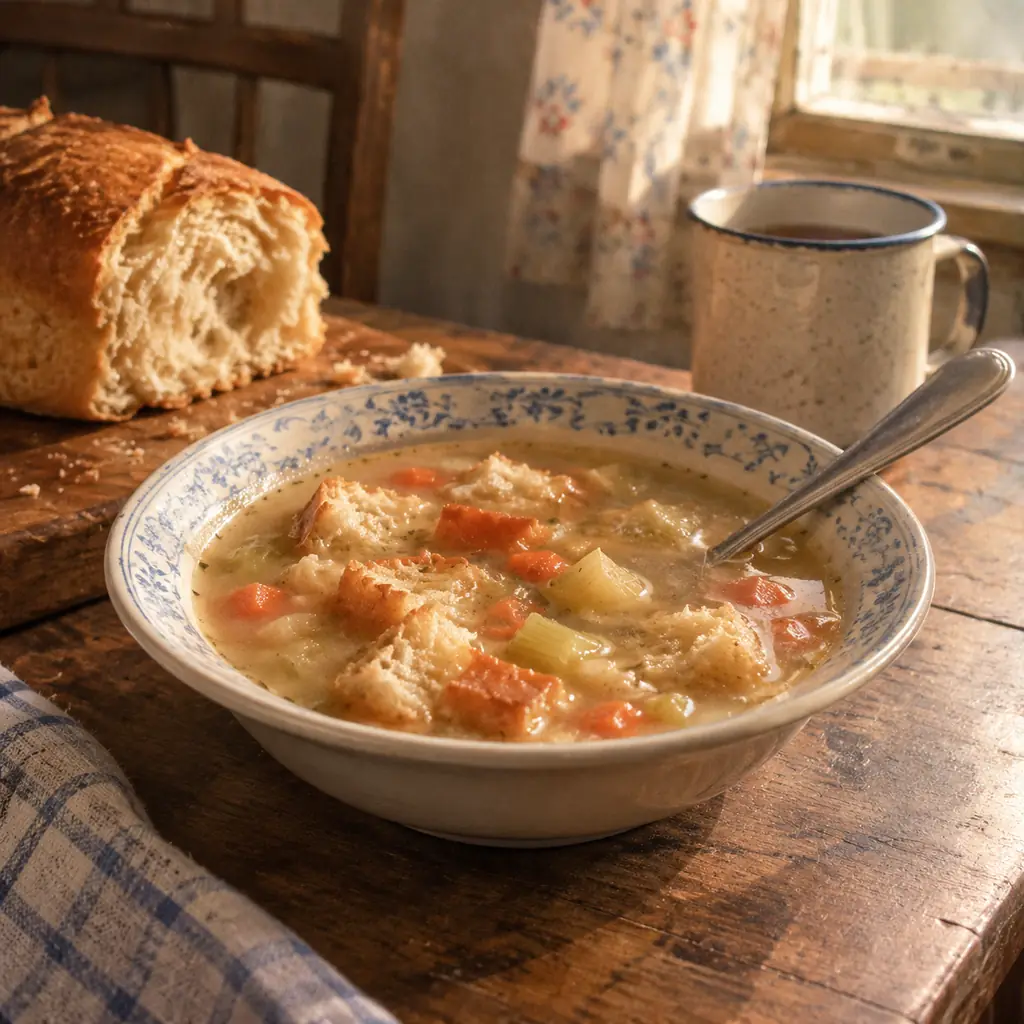
Stale bread could give a thin broth a thicker feel. Some cooks broke it right into the pot. Others put it in the bowl and poured hot soup over it.
That practical trick appears in several culinary traditions. The exact name and seasonings changed, but the bread provided a reason to keep yesterday’s loaf.
22. Mock apple pie
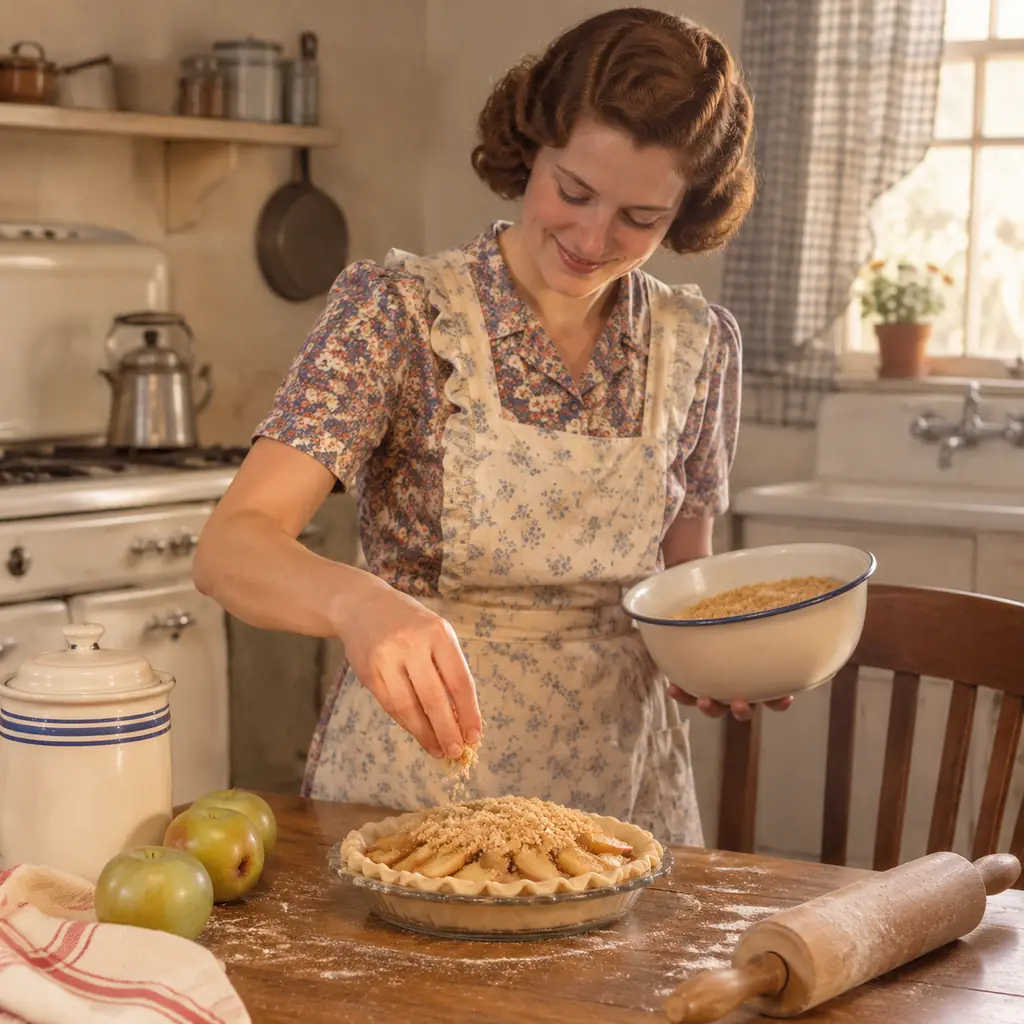
In a cracker version of mock apple pie, crackers supplied the bulk and a tart, sweet syrup carried the flavor. Cinnamon helped give the familiar smell when the dish came out of the oven.
Other mock apple pies used different fillings. They show how often a home cook remembered the experience of a dessert even when its main ingredient was unavailable.
23. A mustard sandwich
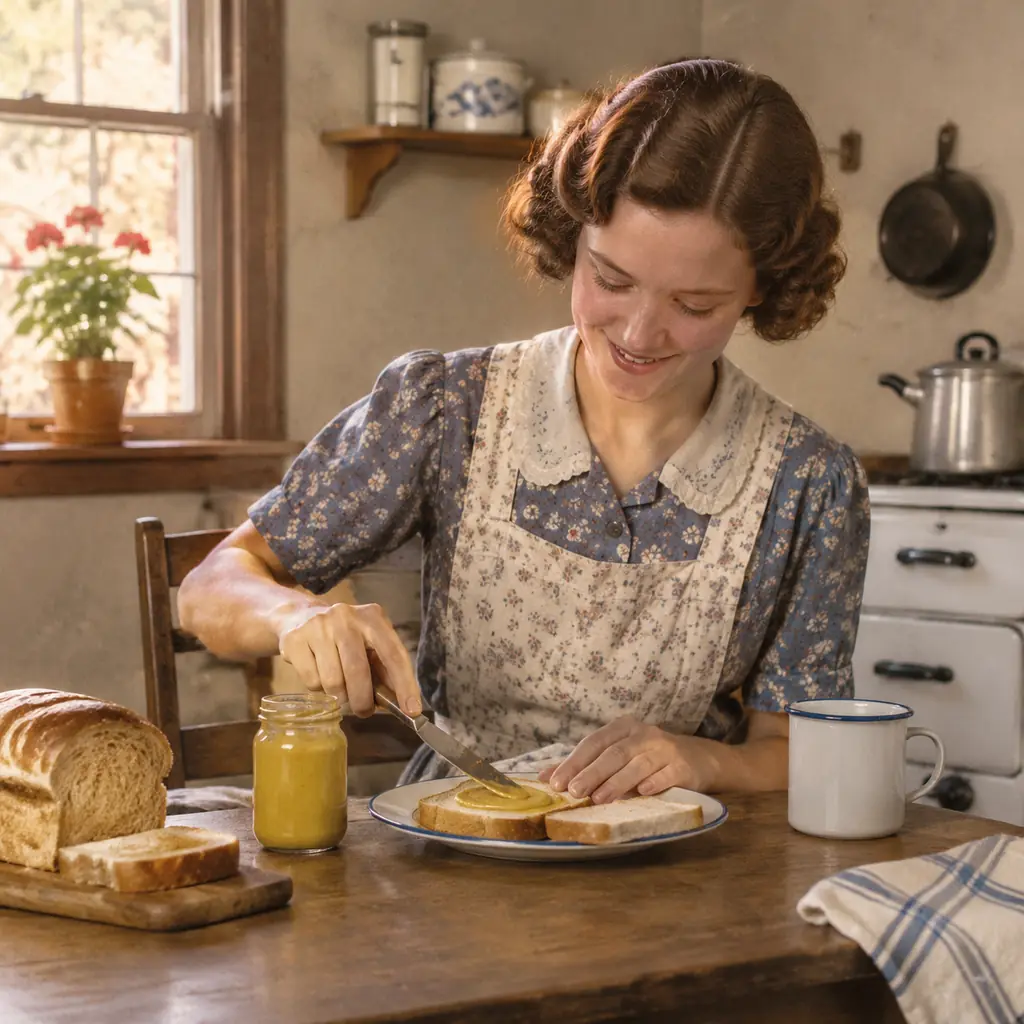
Mustard could put a strong taste into bread from a jar that lasted longer than sliced meat. A thin spread was enough to carry the whole bite.
People remember this as a stopgap or simple snack in different households. Which mustard was in the kitchen made a bigger difference than the recipe.
24. Codfish gravy
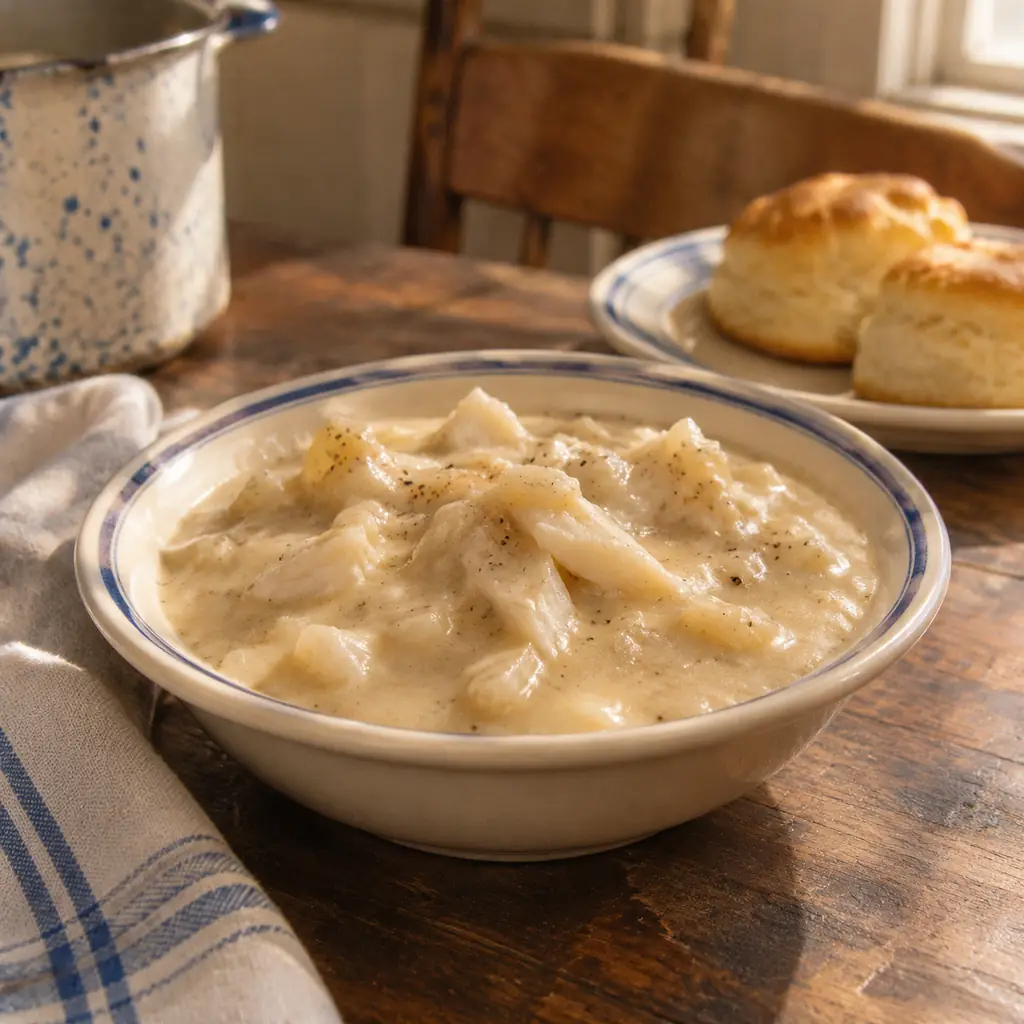
Salt cod kept on the shelf in a way fresh fish could not. After preparation to remove some of its salt, a small portion of fish could flavor a white gravy.
Potatoes, biscuits, or toast had the job of catching the sauce. It was a filling way to serve fish without buying a fresh piece for every person.
25. Milk toast
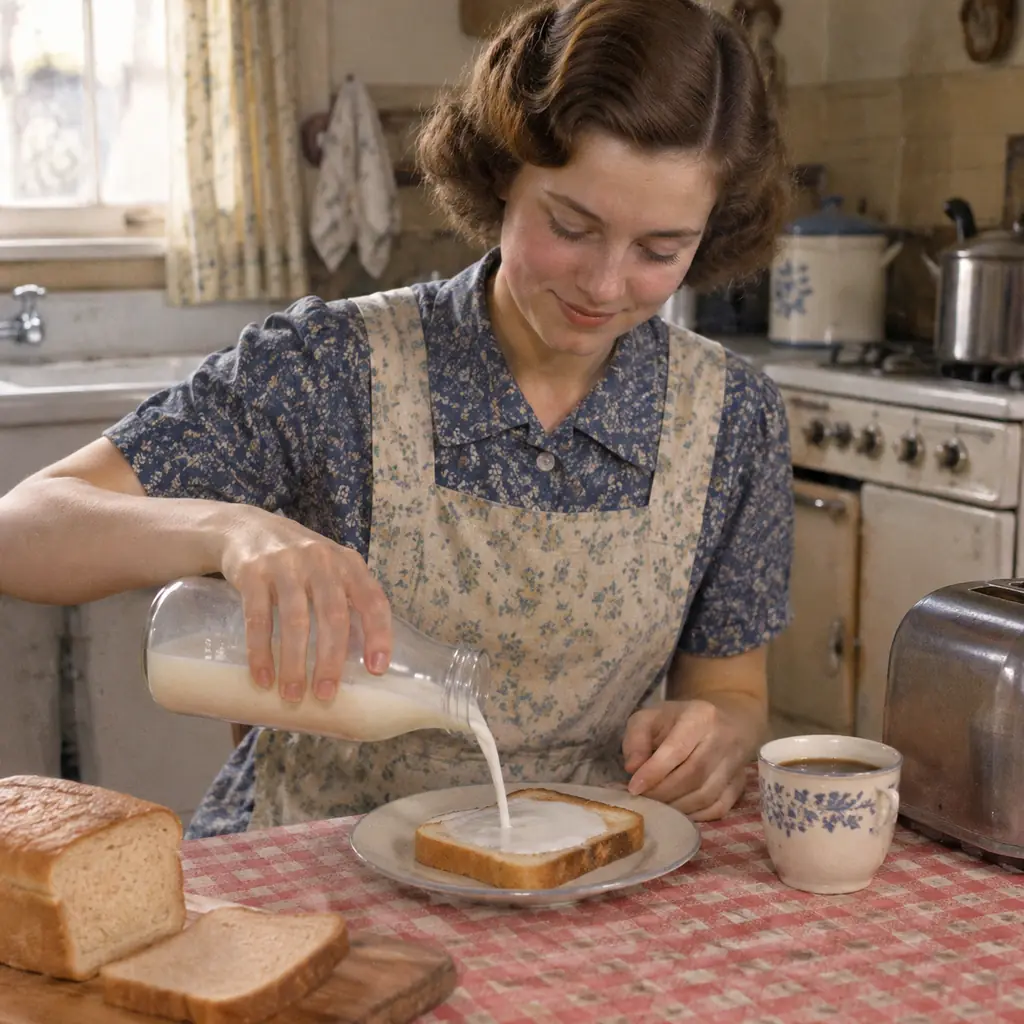
Warm milk softened toast into a meal that could be eaten with a spoon. Some cooks added butter or sugar. Other versions kept the flavor plain and savory.
Milk toast had a place in American cookbooks before the Depression. People also remember it as something an older relative could make in a few minutes.
26. Fried cornmeal mush
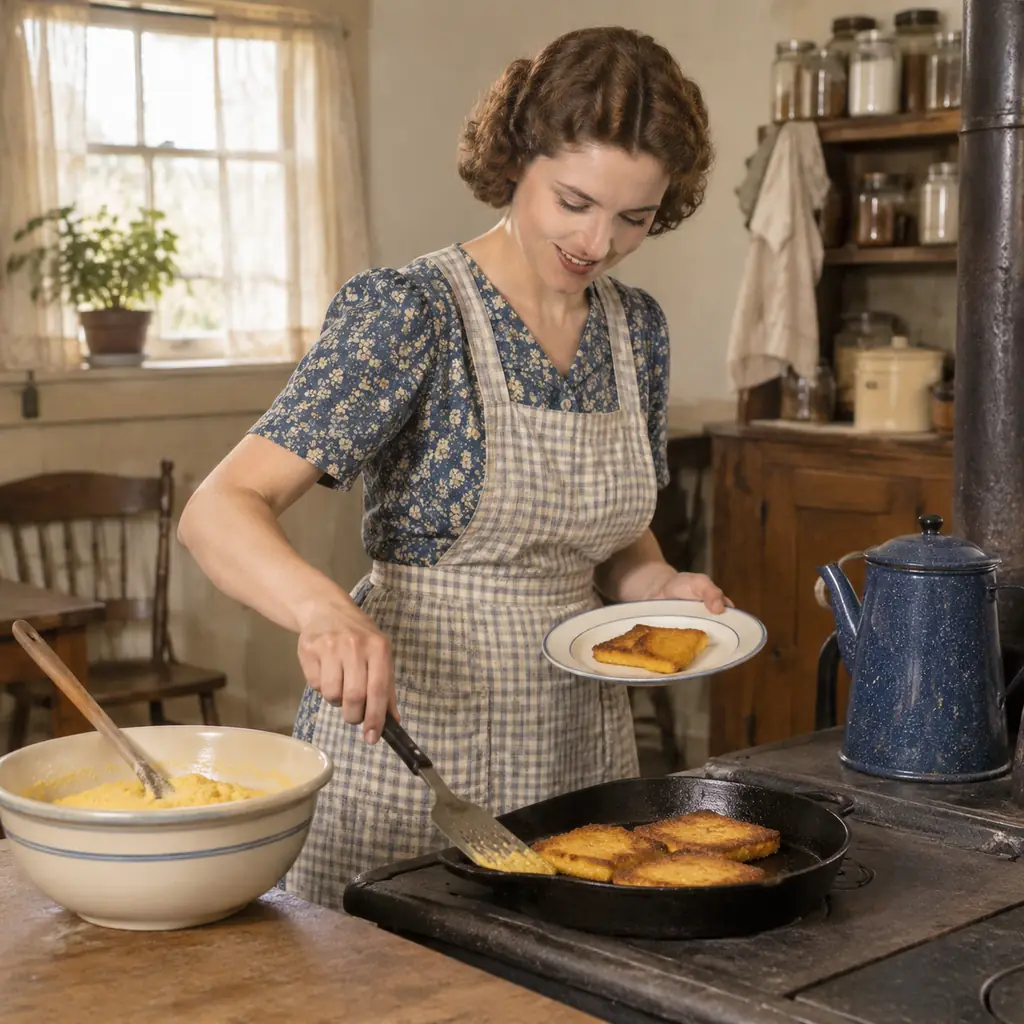
Cooked cornmeal can be chilled until it firms. A cook who had some left from yesterday could fry slices and give the outside a crisp crust.
The center stayed soft. Syrup made it a sweet breakfast, while an egg or a little gravy could take it in a savory direction.
27. Potato cakes from leftovers
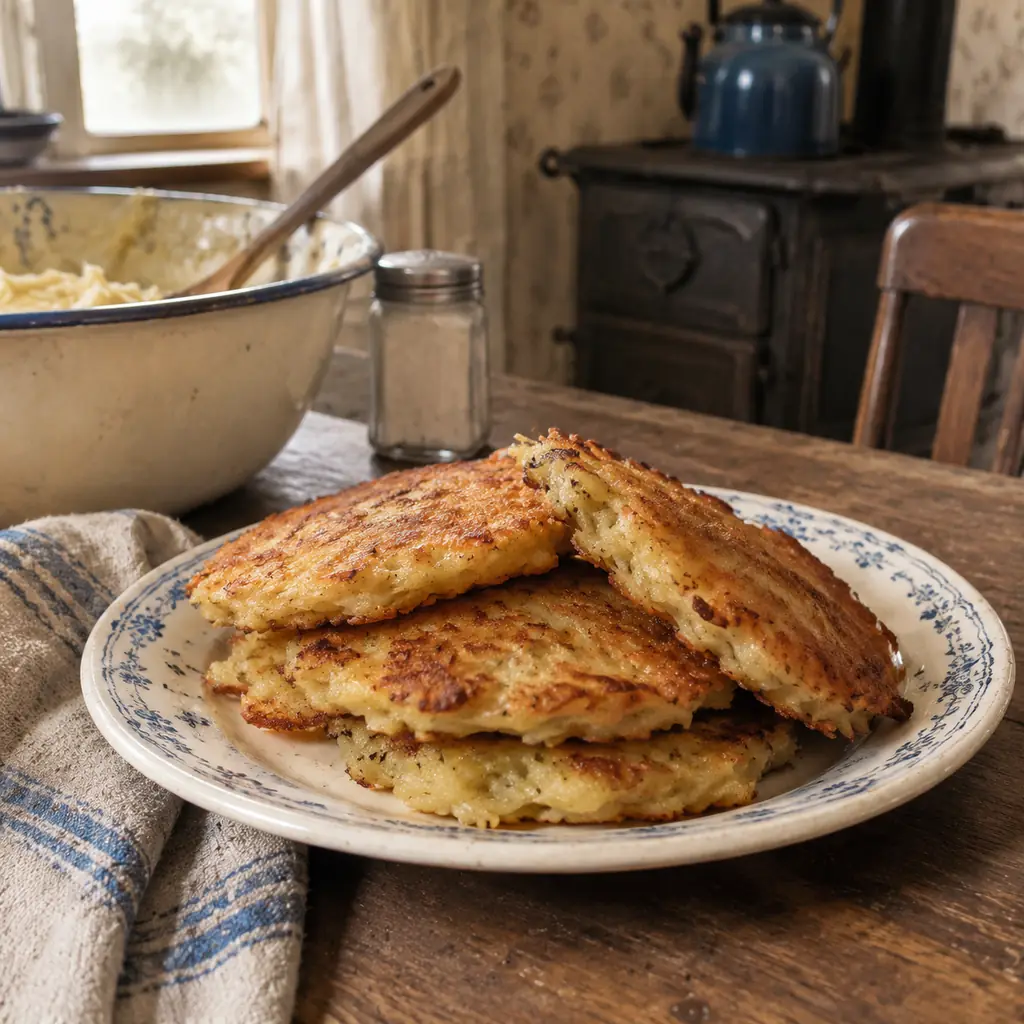
Cold mashed potatoes were easier to shape the day after supper. A patty put into a hot skillet browned at the edges long before the middle dried out.
This was one reason to save a small amount that could not feed everyone again in its original form. Leftover potatoes could become part of breakfast instead.