The Christmas Traditions Families Kept in the ’60s and ’70s
You could tell Christmas was coming when the toy catalog showed up and lights turned the living room tree a different color. These are the traditions that marked the holidays for families in the ’60s and ’70s.
Some took a whole evening. Others lasted just long enough to see what came next.
1. An aluminum tree with a color wheel
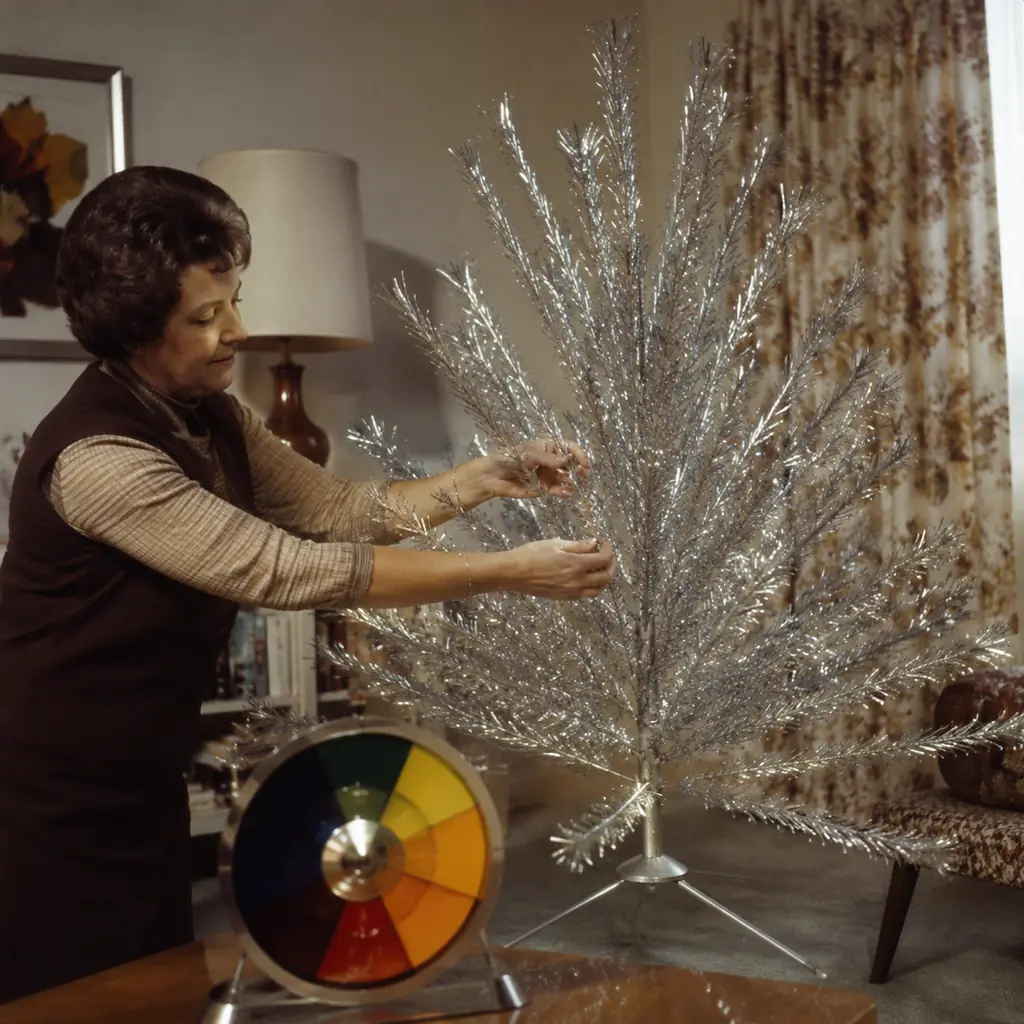
A silver aluminum tree could go from blue to red while the branches stayed perfectly still. The movement came from a little lamp with a rotating color wheel, set on the floor nearby.
The branches caught every patch of color. Some families chose a matching set of ornaments because the wheel already provided most of the decoration.
2. Lead tinsel draped on a tree
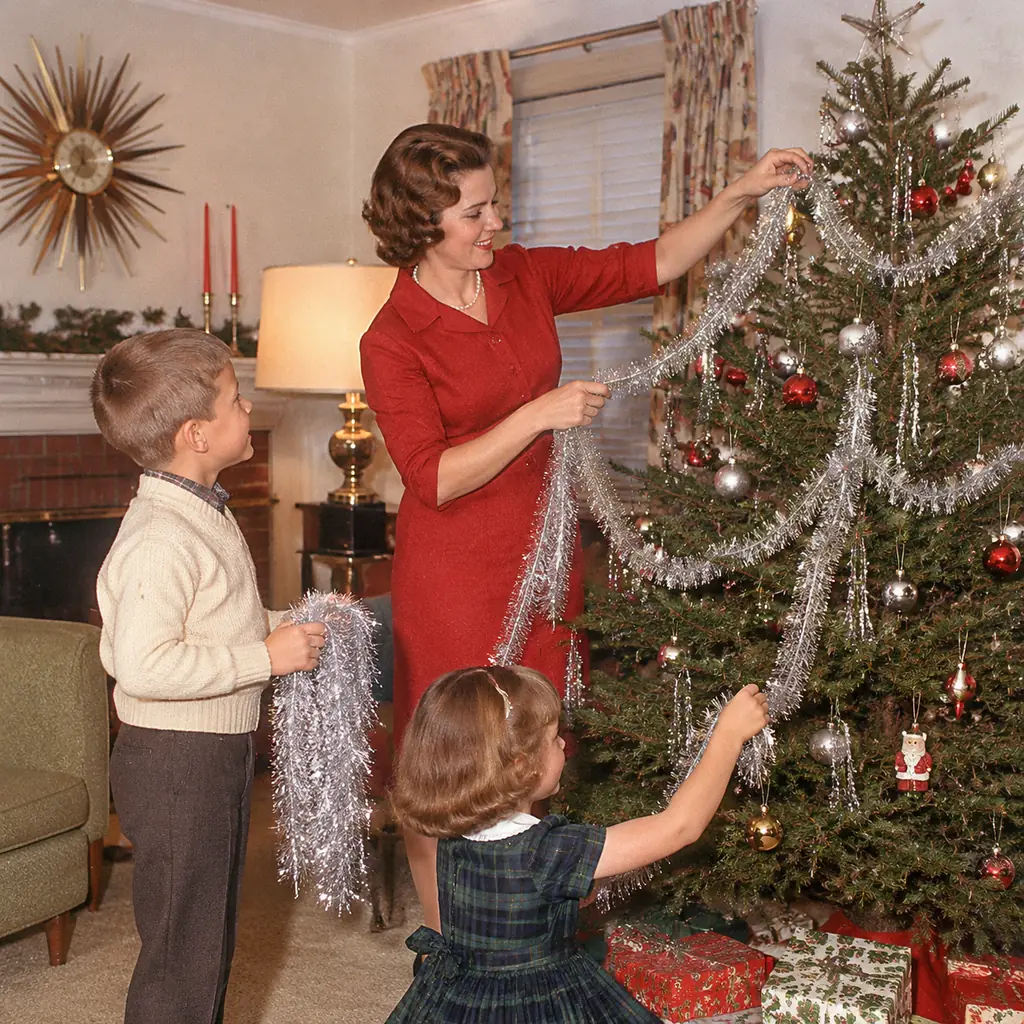
Early metal icicles had enough weight to hang straight from the end of a branch. On a tree with colored bulbs, a single strand caught the light every time someone passed.
Packages of tinsel changed materials over the years. By the time lighter strands became familiar, the older metal ones had already acquired a reputation for how neatly they fell.
3. Caroling from house to house
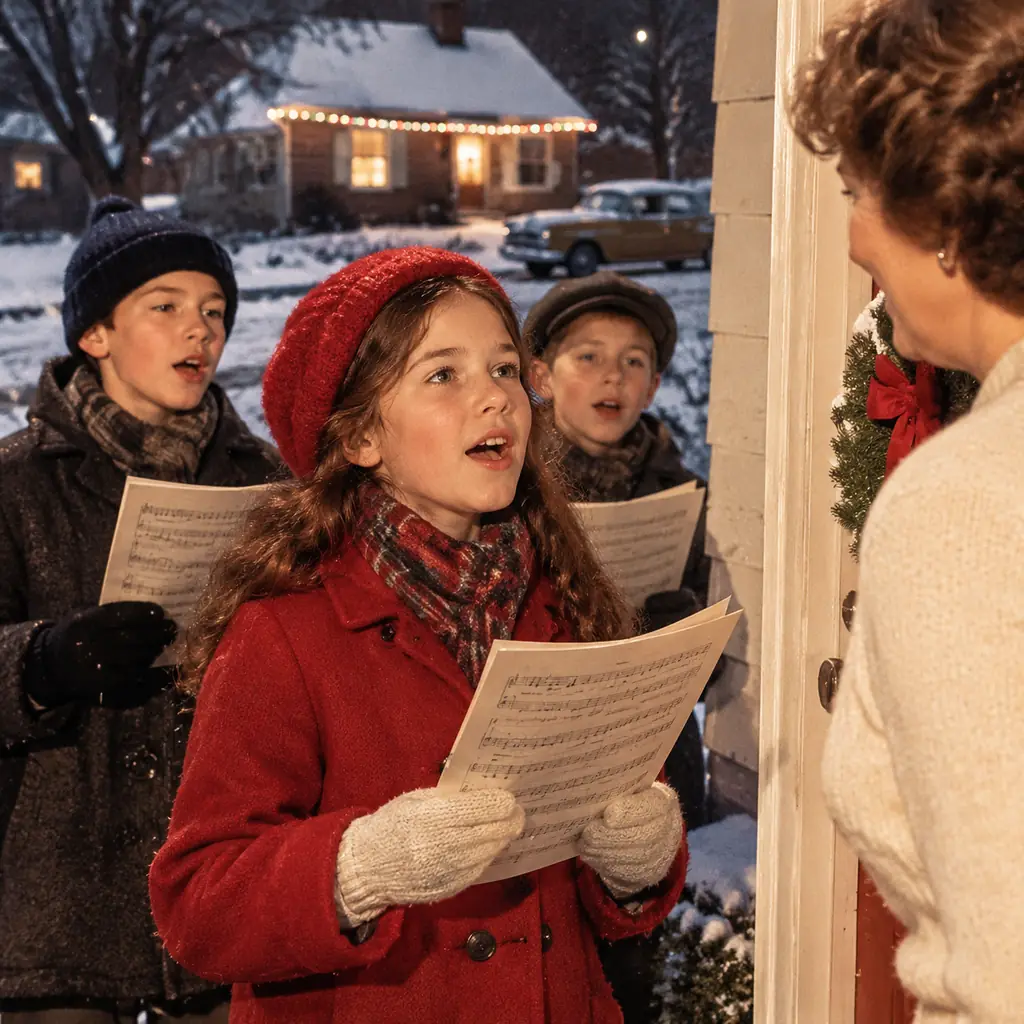
When carolers came round, you might hear the first verse through the front door. The group had to stay close enough for everyone to keep pace in the dark.
Churches and local organizations arranged outings. Neighbors sometimes answered with a warm drink, a word of thanks, or a request for a second song.
4. The Christmas mail-order catalog arriving
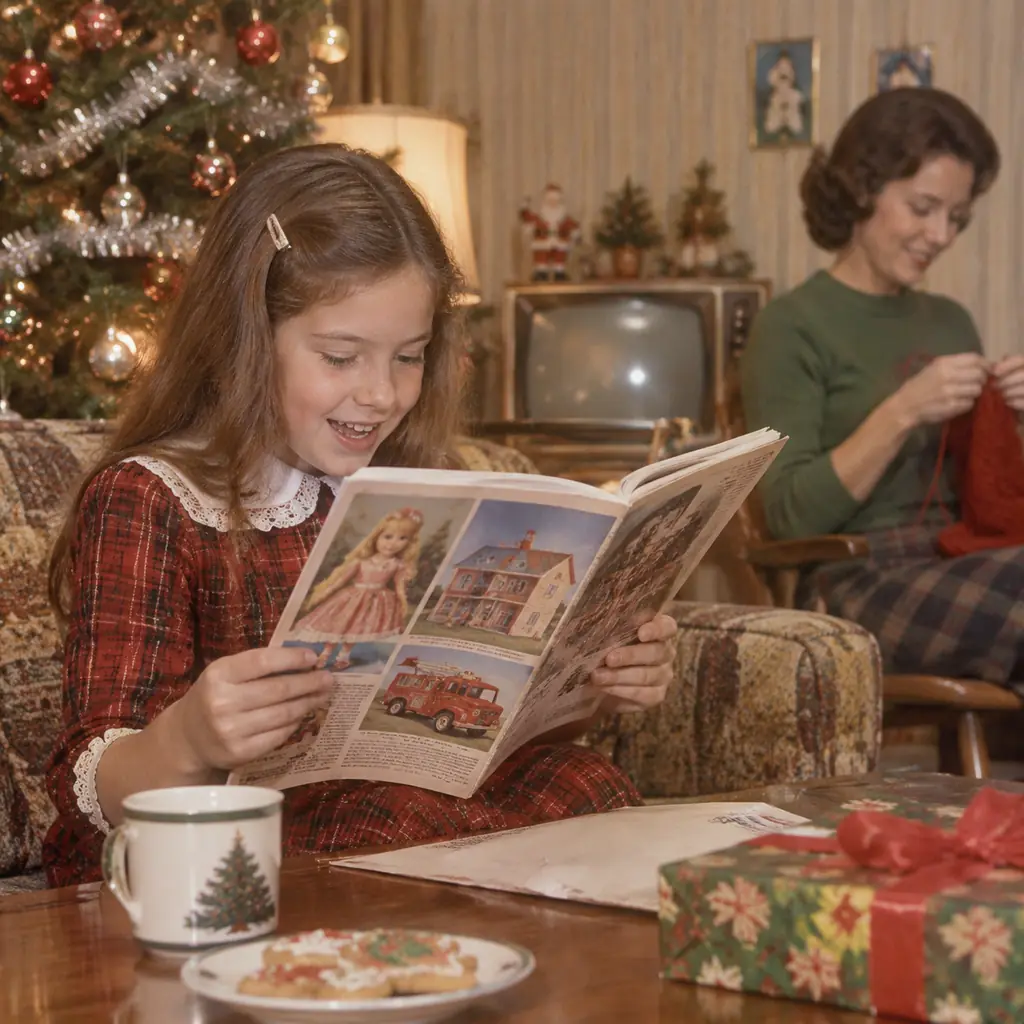
A Christmas catalog that came through the post could keep a child busy for an afternoon. Names were circled, corners were turned, and a page might get shown around the house until the paper softened.
Sears was a familiar example. The pictures put distant stockrooms within reach of a child on the living-room floor.
5. Saving for gifts in a Christmas Club account
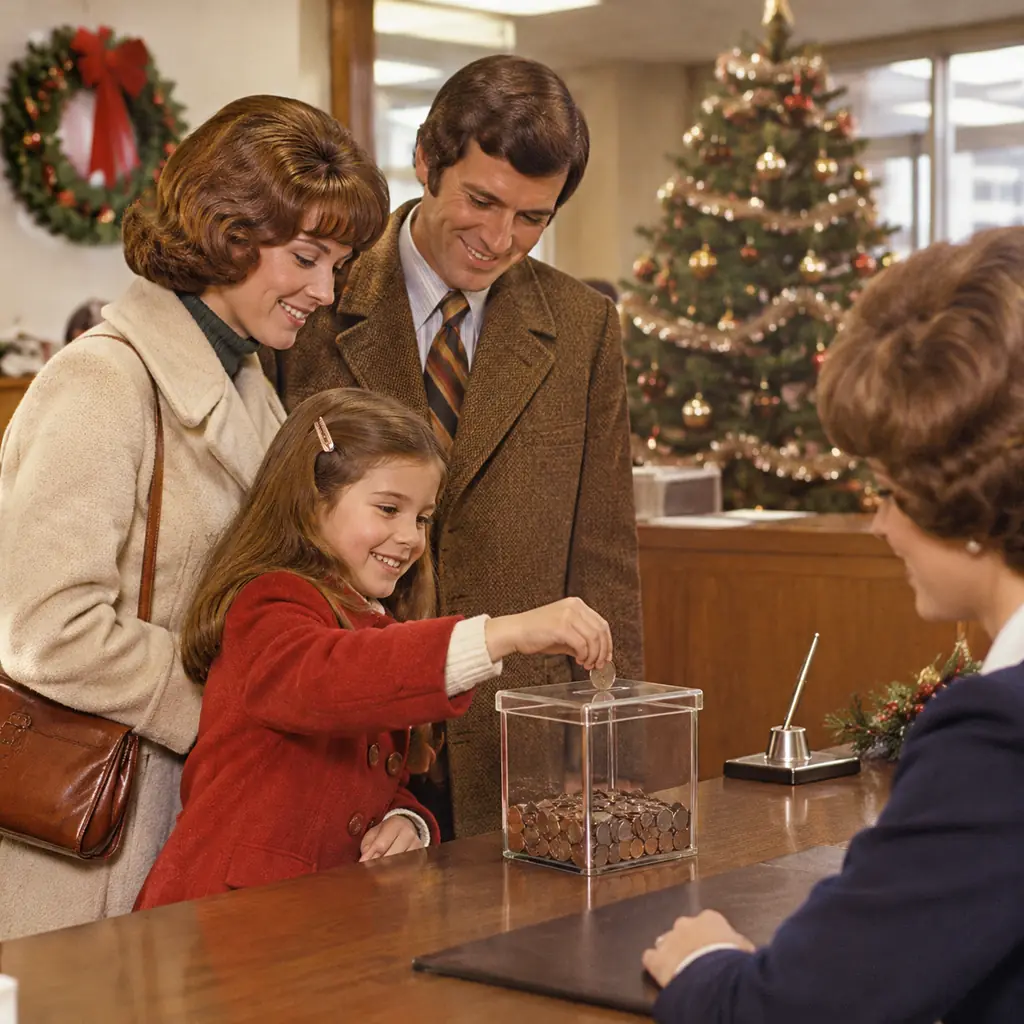
Christmas Club accounts encouraged people to put money aside during the year so it would be available for holiday purchases. A small regular payment felt different from a big outlay in December.
Some savers waited for a check. The practice gave the holiday an unusually early start, even if the shopping itself happened close to Christmas.
6. Bubble lights on the tree
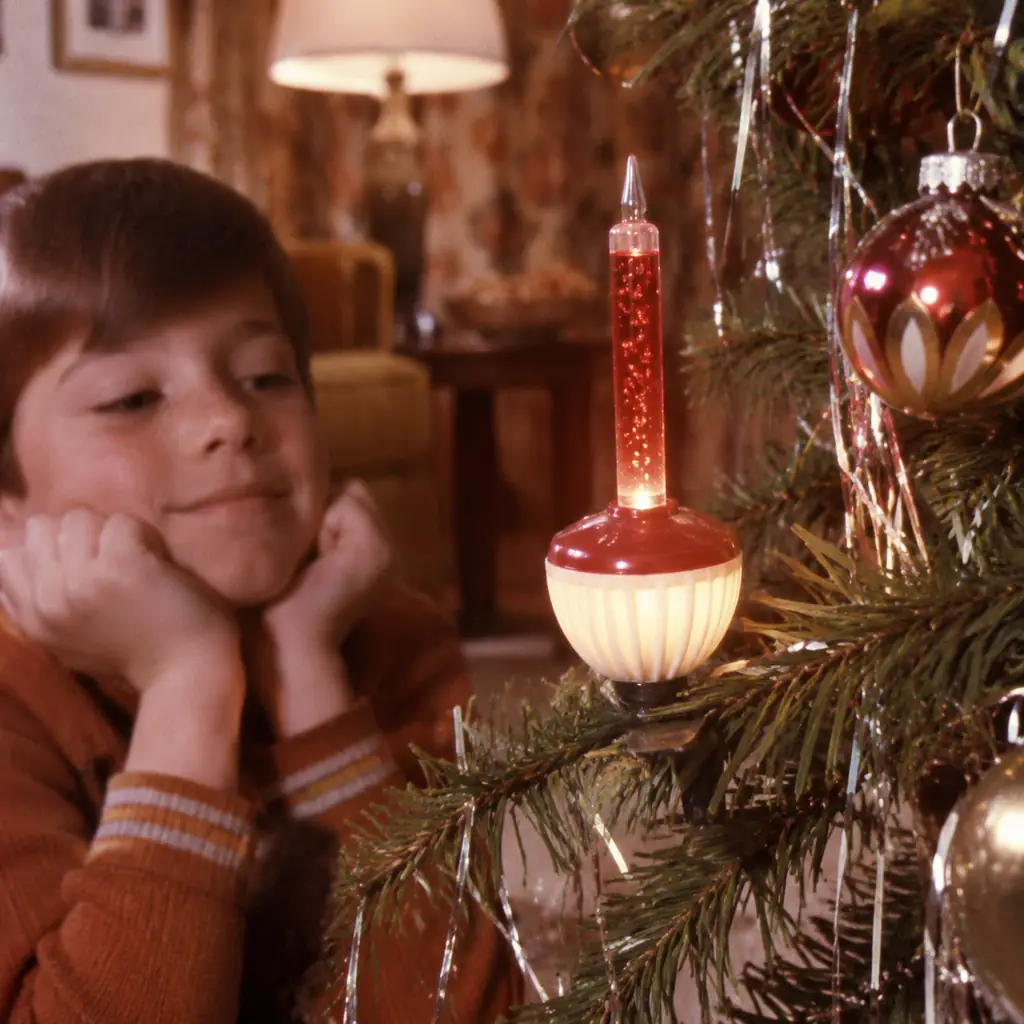
These lights had a little tube with liquid inside. Once a working bulb warmed the tube, the movement caught your eye from the other side of the room.
Seeing several in a row made the tree look busy even when the room was quiet. The effect was quite different from an ordinary opaque colored bulb.
7. Holiday department-store windows
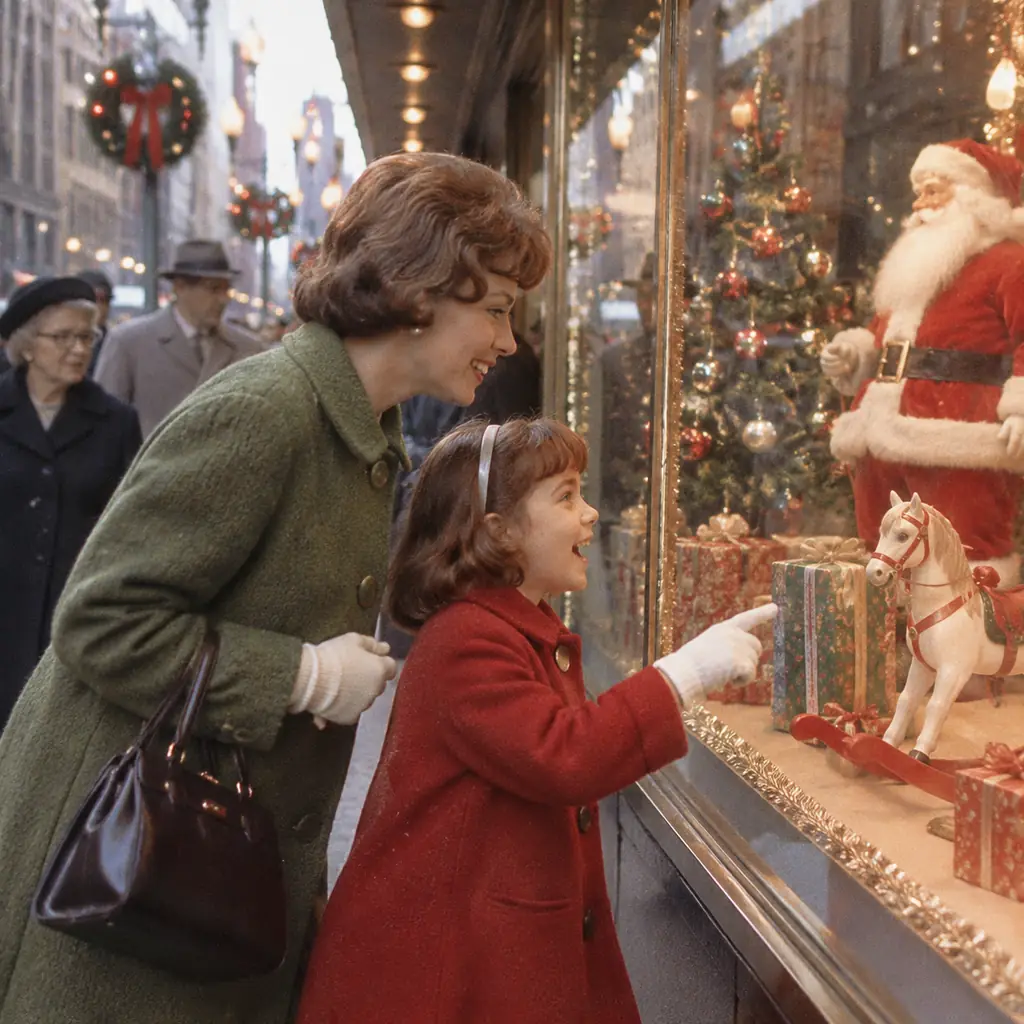
Store windows turned a sidewalk into somewhere to stop. There might be miniature figures, a train, or an animated scene that repeated while the crowd shifted for a better view.
For a child, the holiday could begin before anyone set foot inside the shop. Large department stores made a ritual of unveiling their displays.
8. Shops closing on Sundays
Limits on Sunday retail varied by state and town. In places where shops did close, a family had to finish errands on Saturday or make plans around the schedule.
Christmas shopping put extra pressure on that calendar. A quiet main street on Sunday could sit just a day away from full sidewalks and long lines.
9. A homemade paper chain
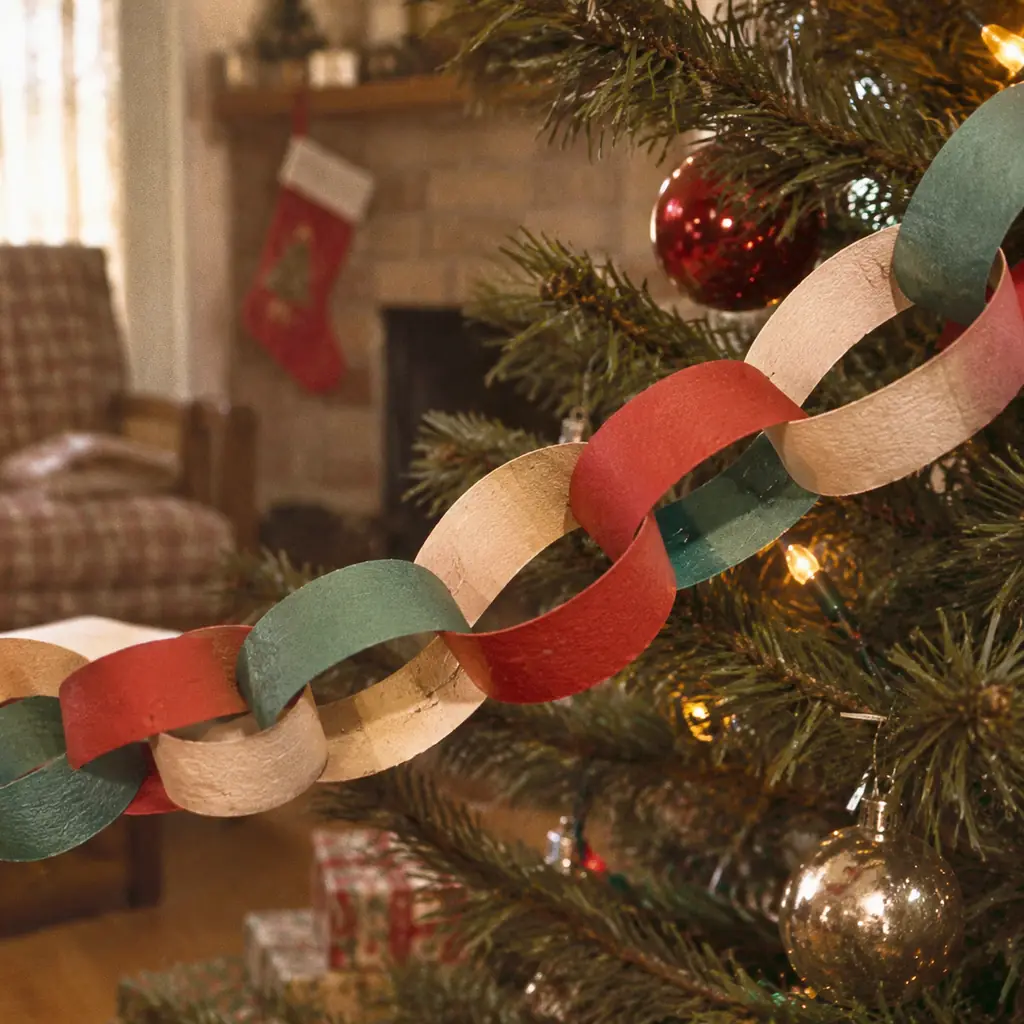
A paper chain grew one loop at a time. It could cross a classroom or climb a living-room wall when enough children were given paper and a place to work.
The colors and strips rarely matched from one end to the other. That was part of what told you who had helped put it together.
10. Angel hair decorating the mantel
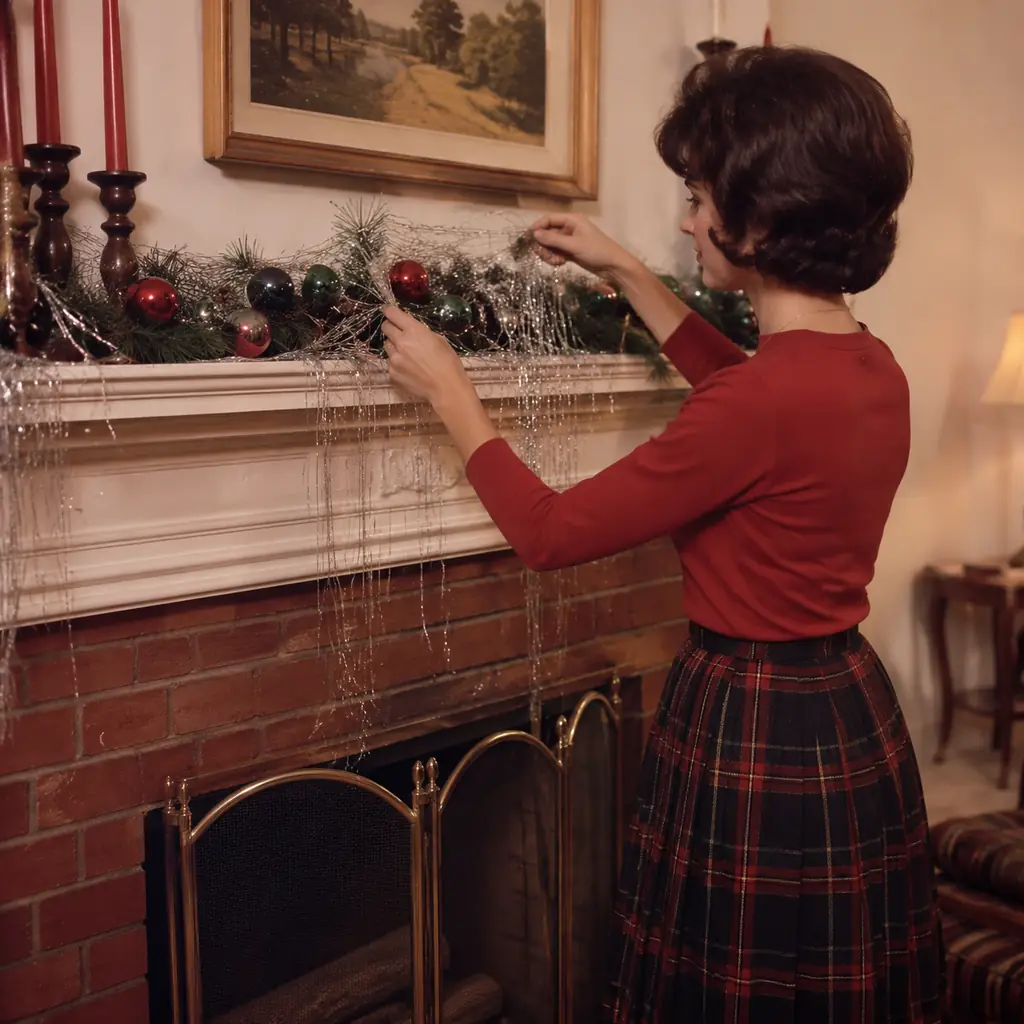
Angel hair gave a mantel or branch the appearance of a light frost. The thin, pale fibers caught anything bright behind them and could make a little display look snow-covered.
Vintage products could be made from glass fiber. Old packages and their contents are better treated as collectibles than as hands-on craft supplies.
11. Flocking a tree at home
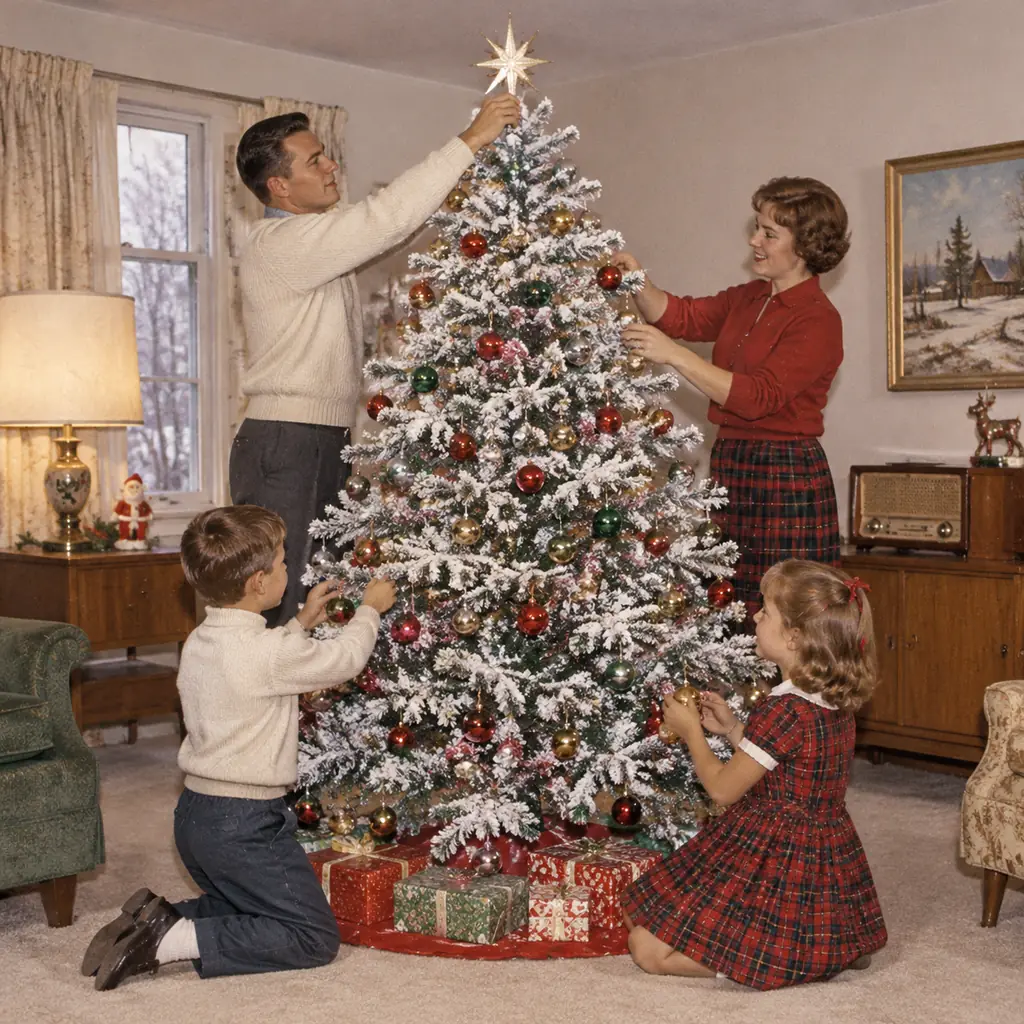
Flocked trees brought a snow-covered look indoors. A family could buy a treated tree, or take the project into its own hands with a home kit.
The attraction was the white against the green. Presents looked particularly bright under branches that appeared to have been outside in a snowfall.
12. The Yule Log on television
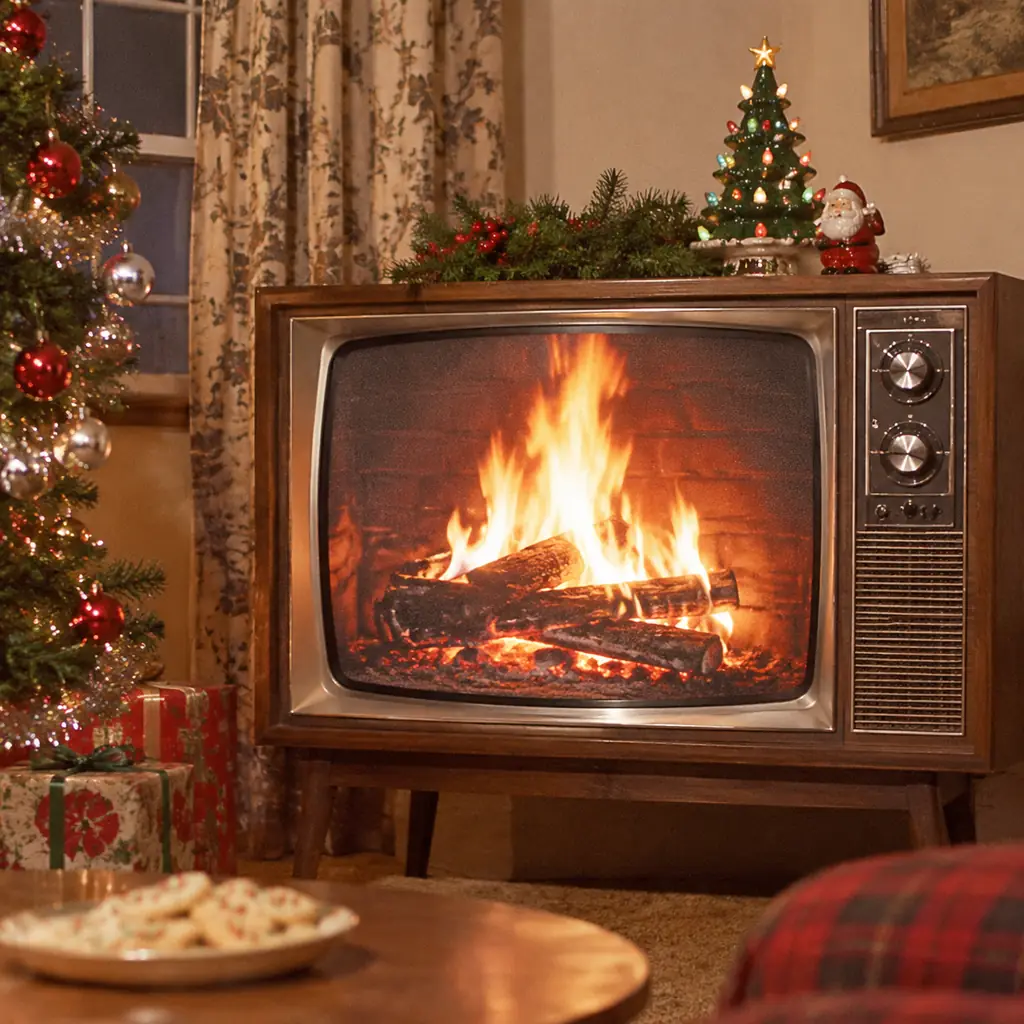
The Yule Log gave a household a fire to look at, complete with music and the familiar movement of flames. It also gave people something they could leave on while the rest of the room talked.
New York’s WPIX first aired its version in 1966. The simple idea traveled well beyond the apartment that had no hearth.
13. Fruitcake wrapped as a gift
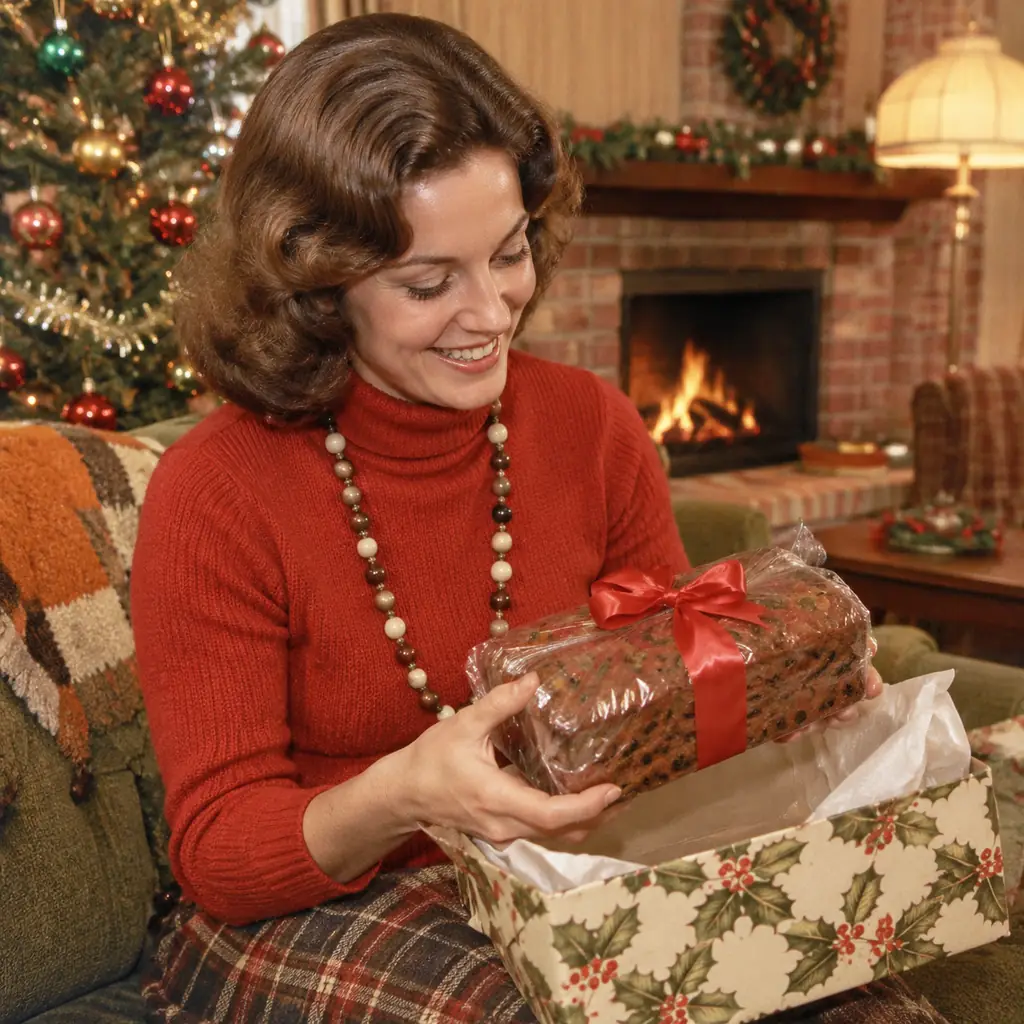
A mailed or hand-delivered fruitcake could sit on a sideboard long after the other sweets had gone. Dried and candied fruit made it rich enough that visiting company got a small slice.
Some recipients looked forward to it. In households with a baker known for a particular recipe, the name on the card sometimes mattered more than the wrapping.
14. Wearing a Christmas corsage
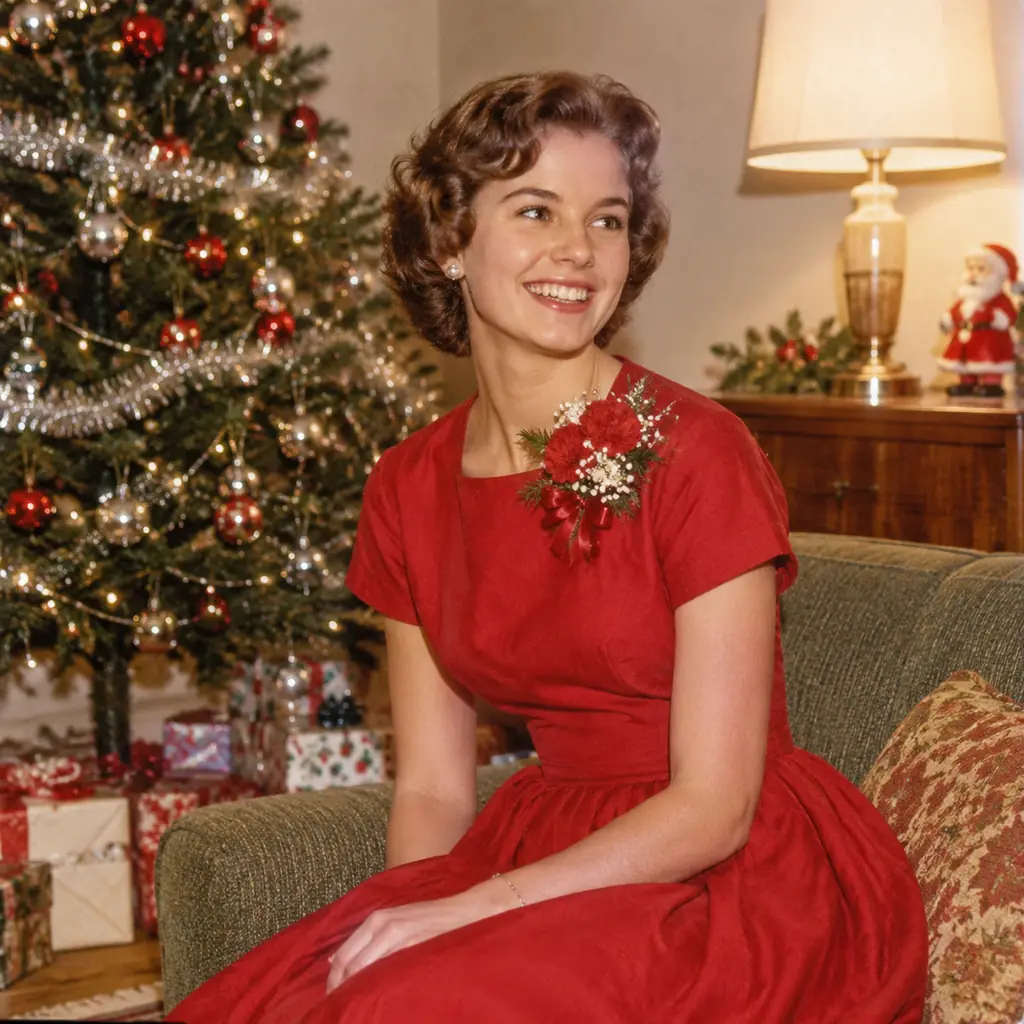
A Christmas corsage could be pinned to a coat or dress before church or an evening visit. Sprigs, ribbon, and little ornaments made a familiar outfit look dressed for the season.
It was small enough to wear in a room full of people. When you came home, it might be set on a dresser and kept for another occasion.
15. Toy ads during Saturday cartoons
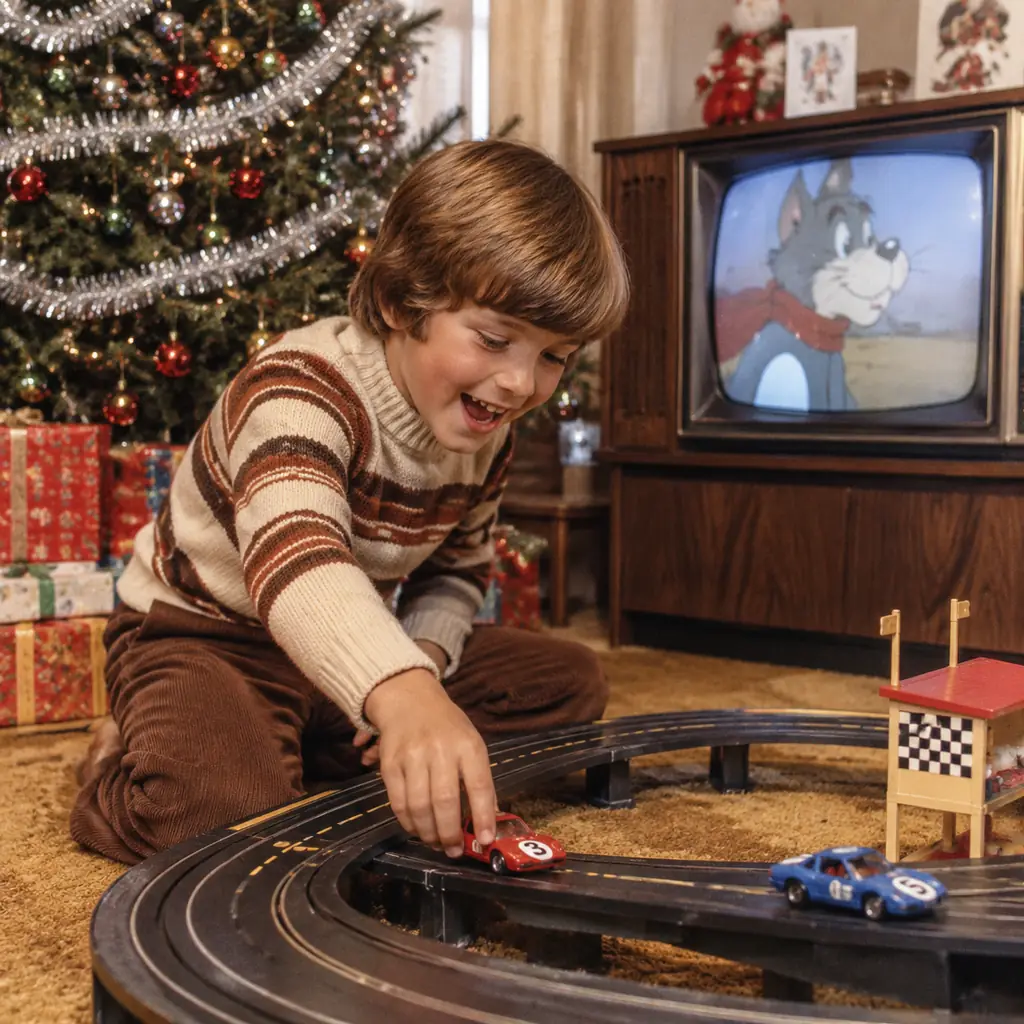
Toy makers had a reason to buy commercial time around Saturday cartoons. Children were already sitting in front of the television, and a demonstration could make a toy look bigger or faster than a still picture did.
You could hear the same product name again the following week. Christmas gave children somewhere to put the names they had memorized.
16. Sending a stack of Christmas cards
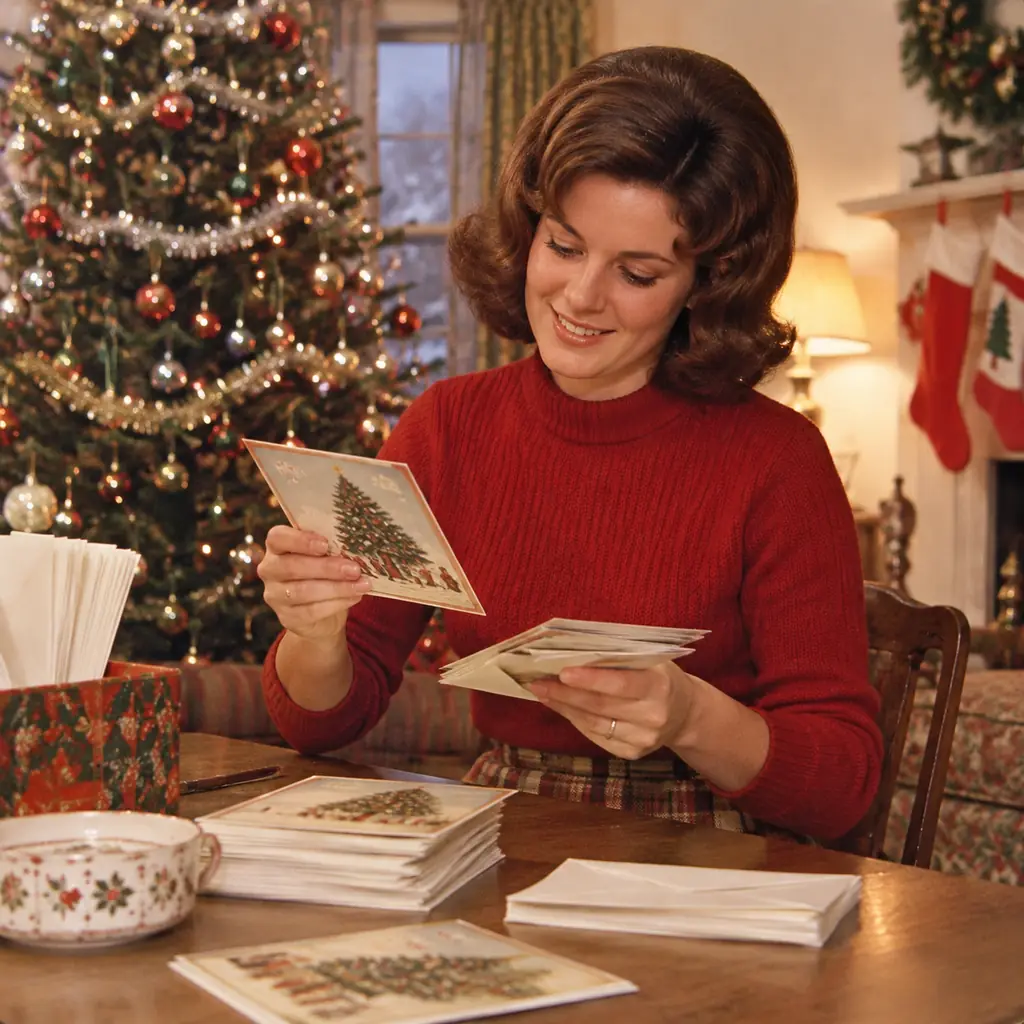
Writing holiday cards took over a tabletop. You needed addresses, enough stamps, and a little time to write a line for relatives you might see only once a year.
Cards that came back could be lined up along the mantel. A household got a visible record of who had remembered them that season.
17. Christmas Seals on the envelopes
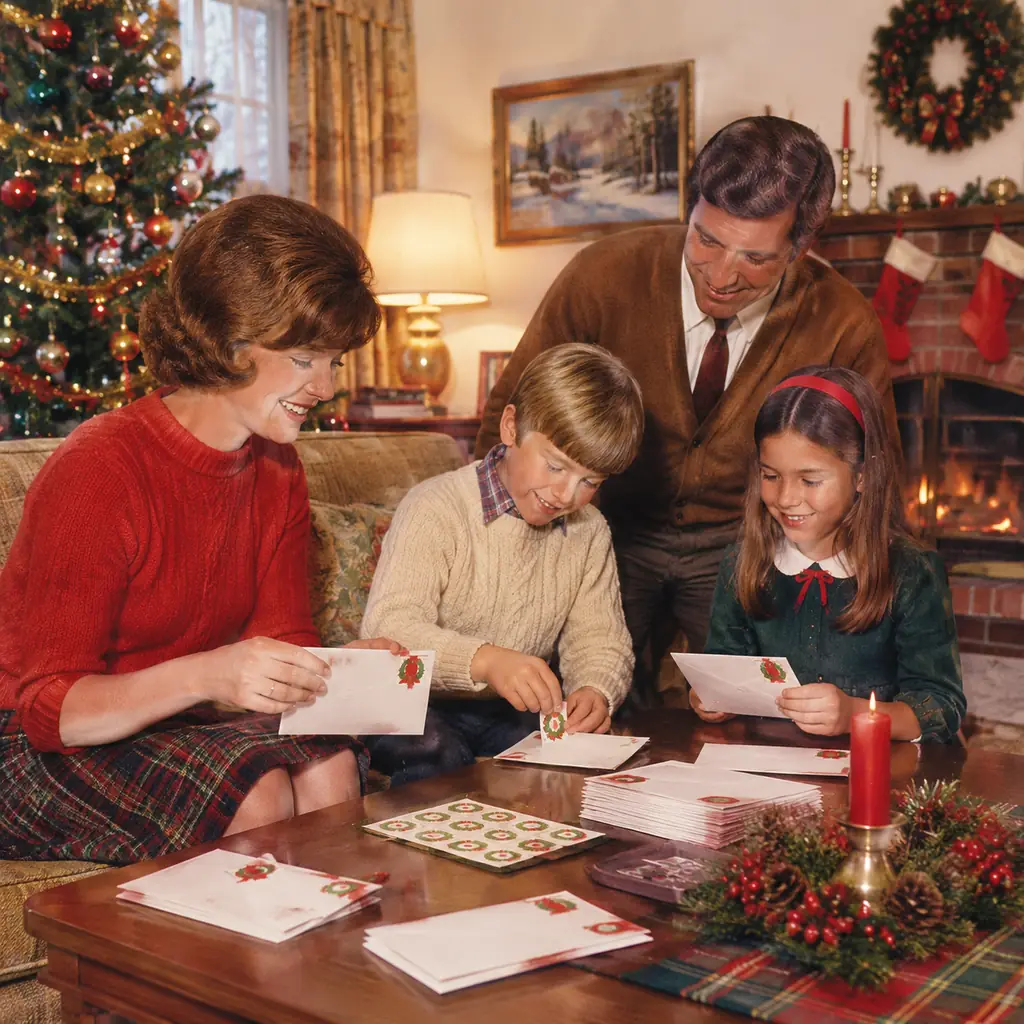
Christmas Seals were fundraising stickers, separate from the postage that carried the envelope. Holiday mail gave the seals a natural place to be seen.
The program supported tuberculosis work and became familiar even to people who rarely thought about the campaign during the rest of the year.
18. A cash Christmas bonus
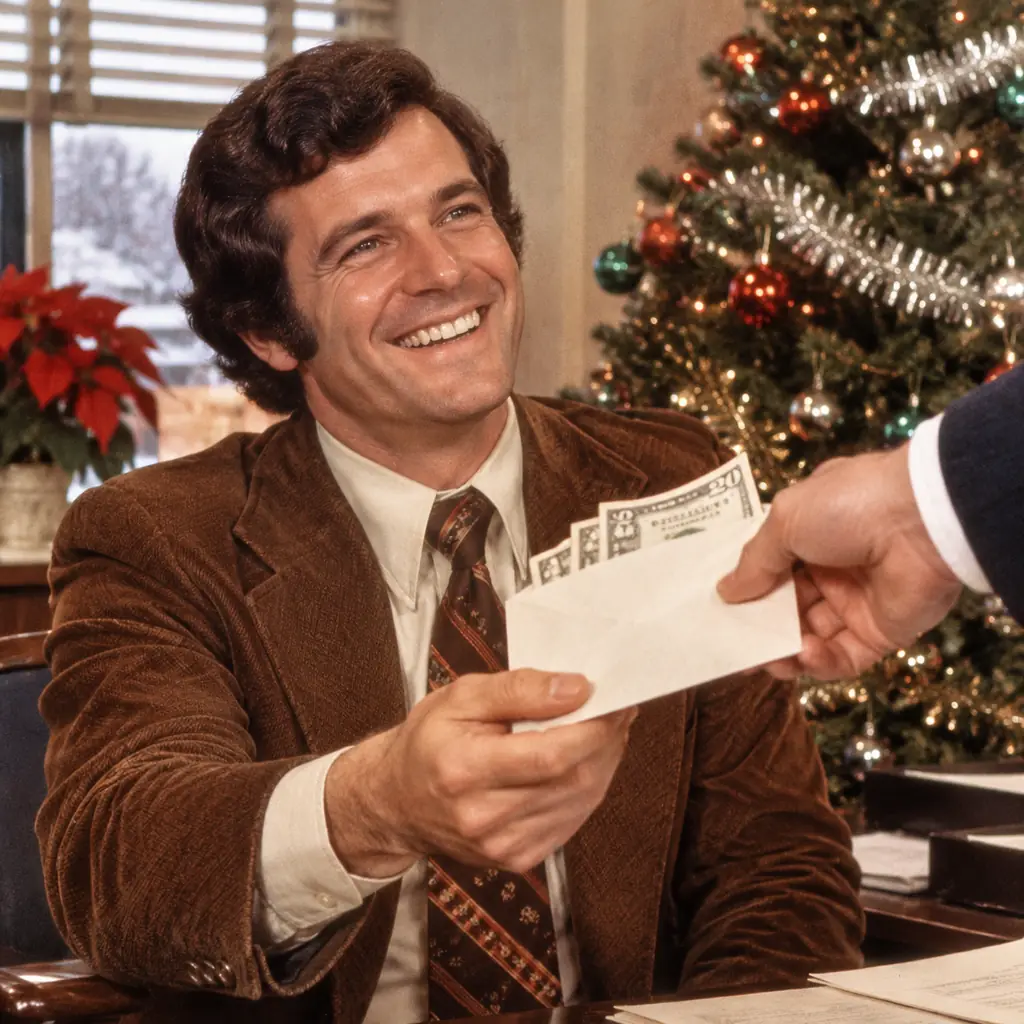
A bonus envelope changed what a family could take home for the holidays. Some employers handed out cash, while others chose a check, food, or a smaller gift.
Its timing mattered. An envelope arriving just before Christmas could settle a present put on layaway or cover another trip to the grocery store.
19. The office holiday party
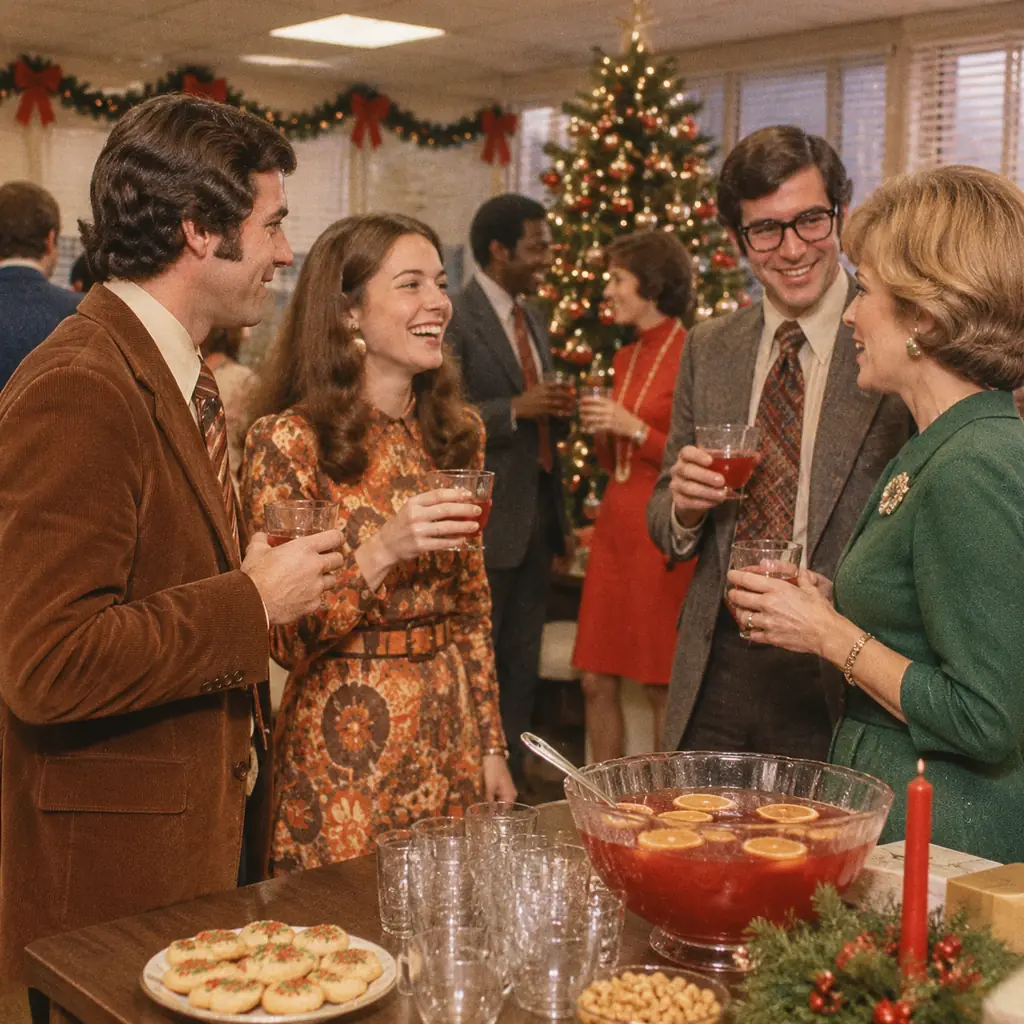
The holiday party moved coworkers away from their desks and machines. Some firms put out food in the workplace. Others booked a hall or restaurant and expected the office to turn up.
How optional it felt depended on the boss and the culture of the place. The party was part celebration and part work ritual.
20. A cigarette carton wrapped as a gift
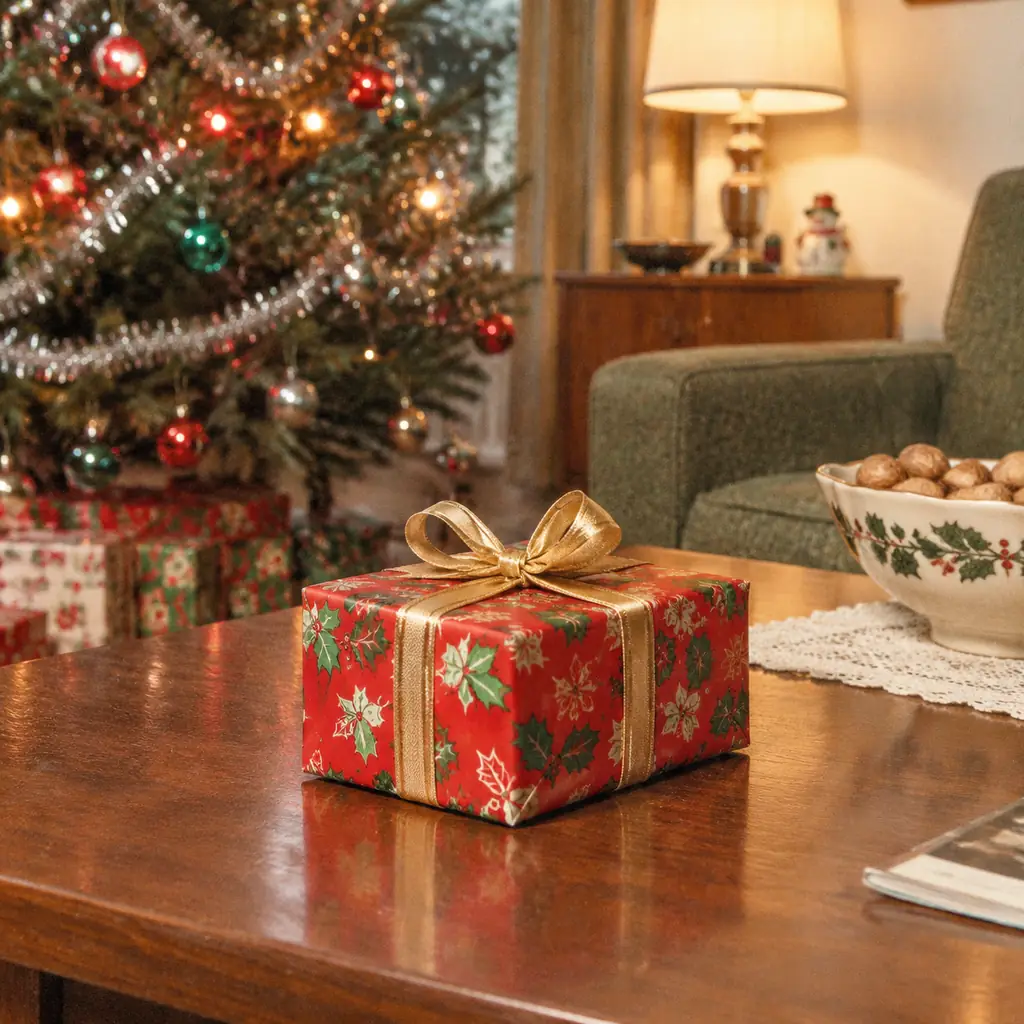
Cartons of cigarettes were sold and advertised as holiday presents in an era when smoking was far more common. A carton was large enough to wrap and familiar enough to buy for someone whose brand you knew.
It reads differently now. The gift survives in old advertisements as an example of how closely tobacco companies tied their products to ordinary occasions.
21. Putting on a school Christmas play
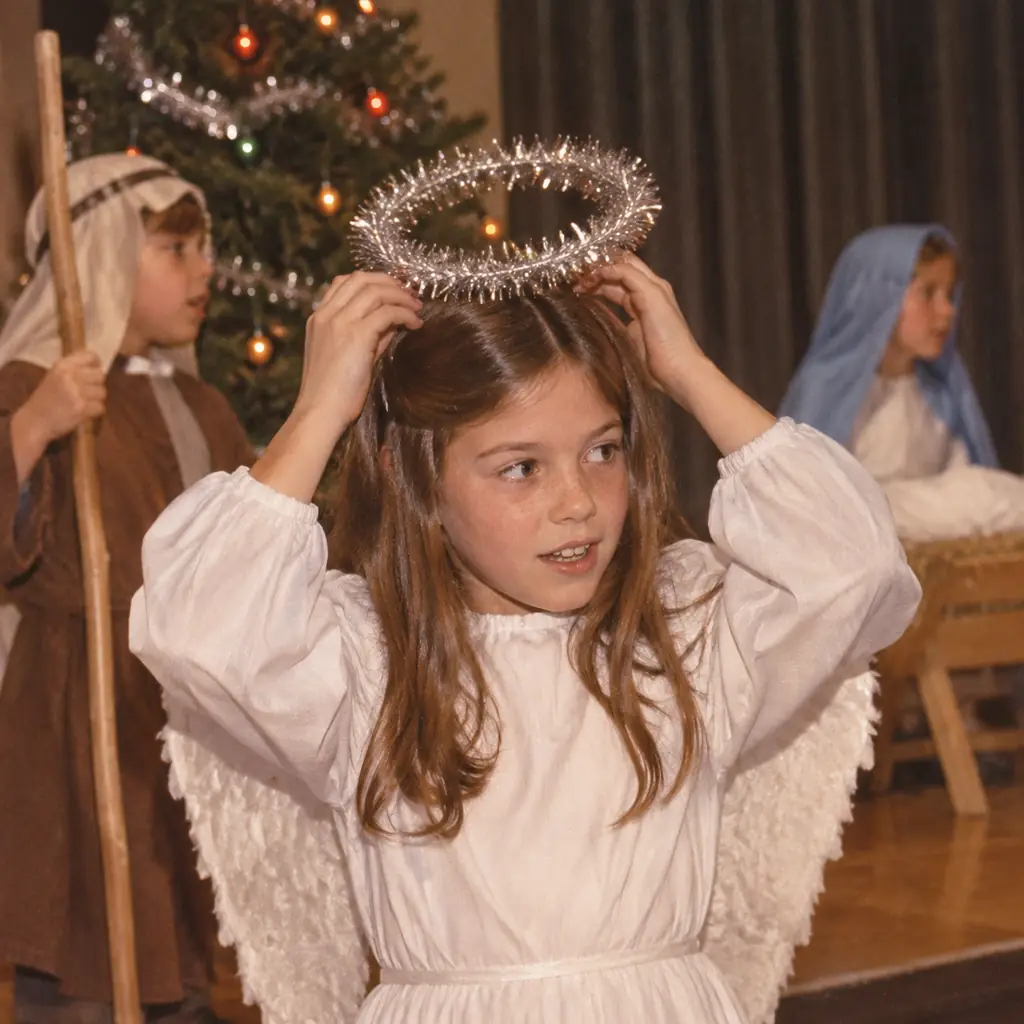
School plays let children wear a costume and have their families come to watch. Some productions were religious, and others used holiday stories or songs suited to their community.
Rehearsal could take more time than the performance. A child who remembered one part for years might have had only a line or two to say.
22. A real tree in the classroom
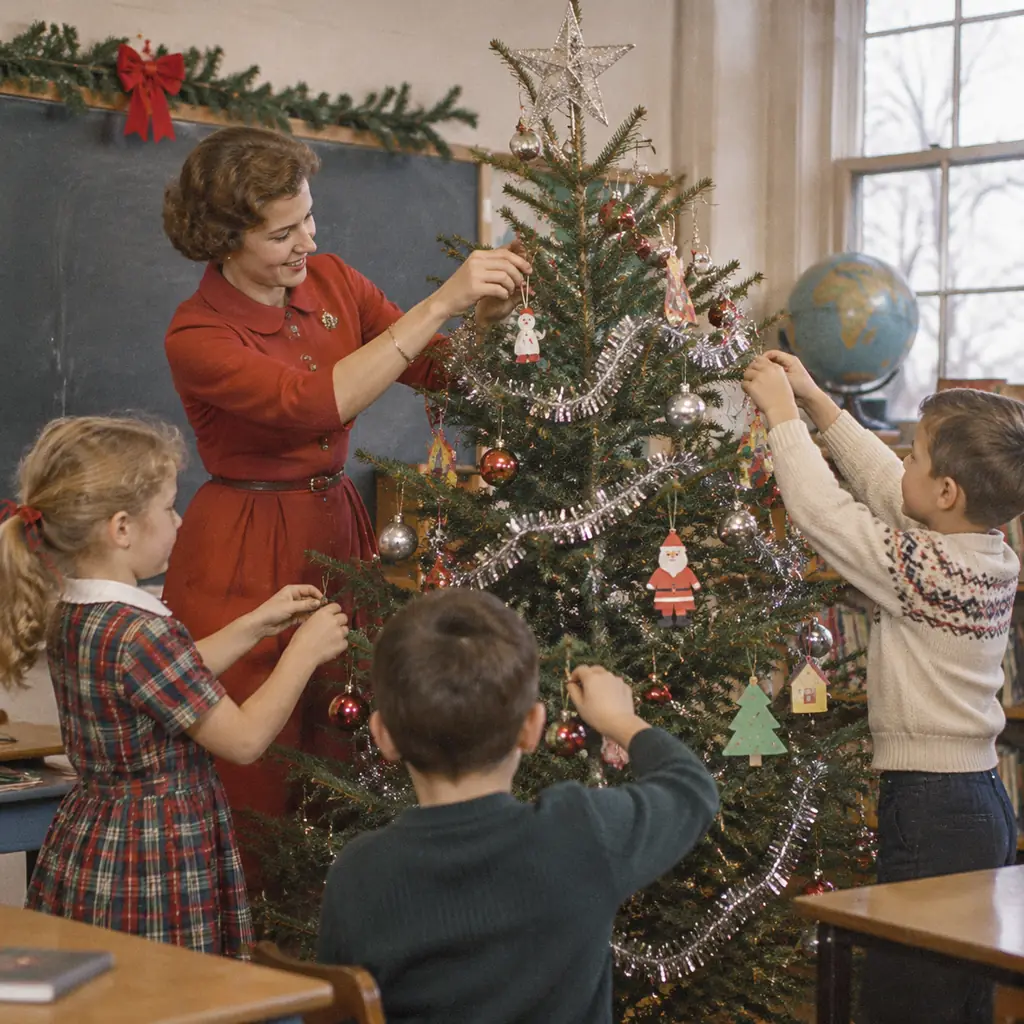
Evergreen needles and wet soil gave a real classroom tree away before you turned the corner. Children might bring homemade ornaments, and someone had to remember the water.
Practices differed from school to school. For the room that had a tree, going in after a weekend meant finding out how much it had dropped.
23. Oranges and unshelled nuts in stockings
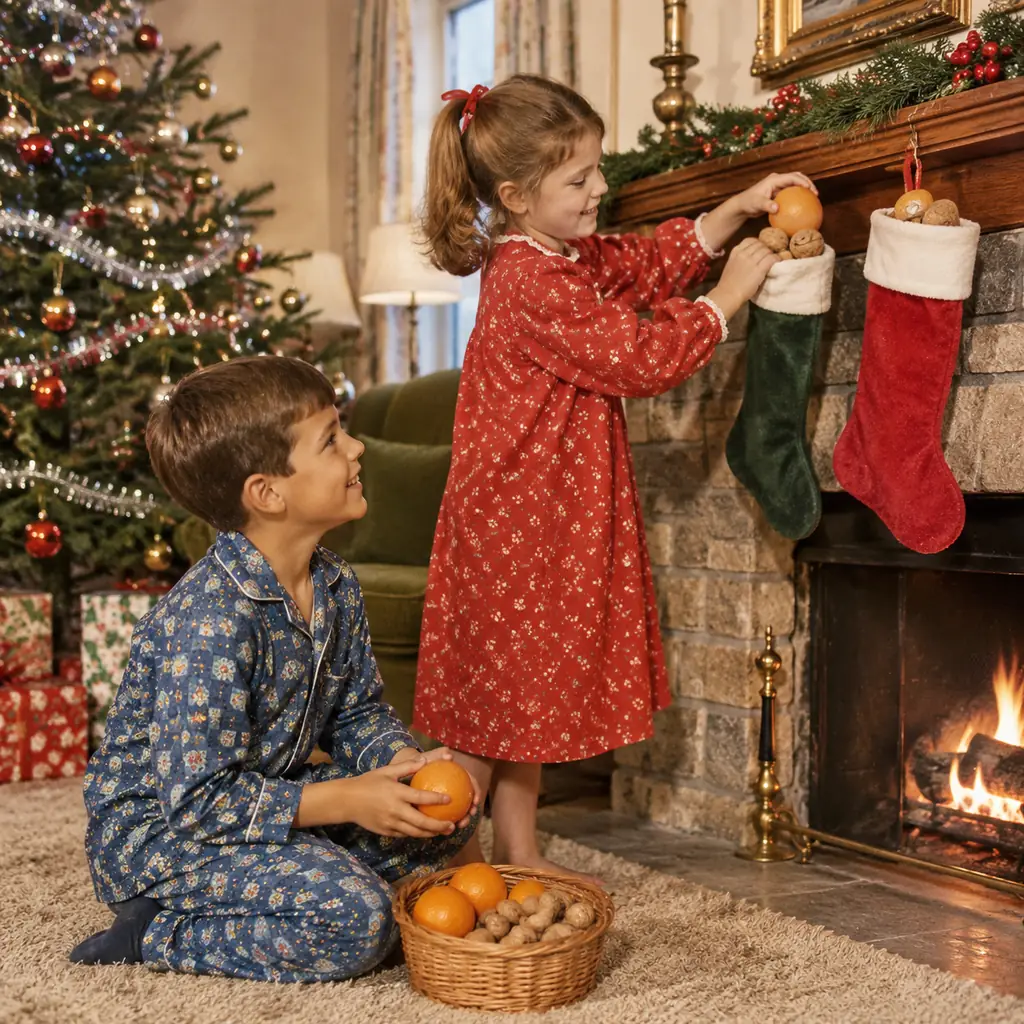
An orange at the bottom gave a stocking its shape. Unshelled nuts rattled against the fruit and asked for a nutcracker long after the paper or ribbon had been torn off other gifts.
The fruit looked ordinary at the grocer. In the toe of a stocking, it was part of how the morning started.
24. The company Christmas party for children
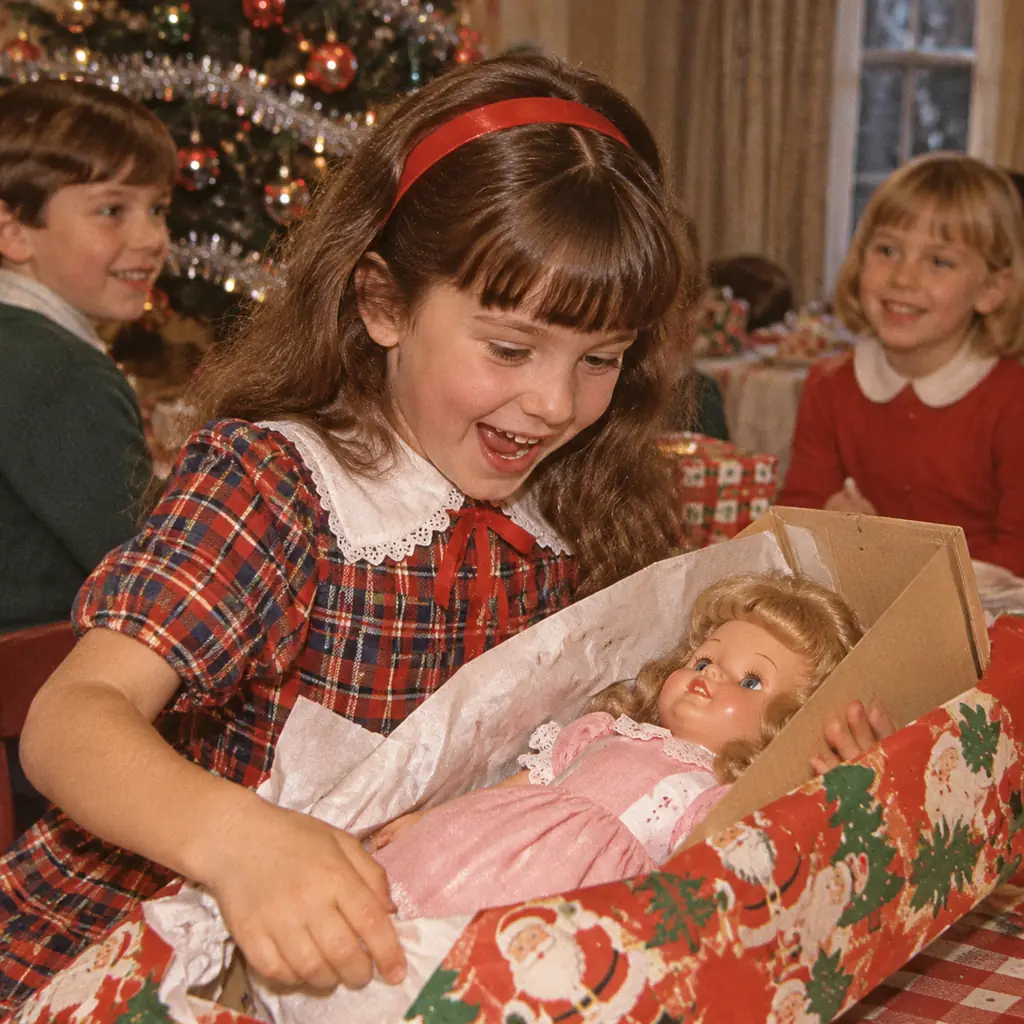
A company party for employees’ children could mean a big room, a brief visit with Santa, and a present handed out by somebody from a parent’s work.
Some children saw fellow families only on that one day each year. You might know your parent’s coworkers by the games they played rather than by their jobs.
25. Burning wrapping paper after Christmas morning
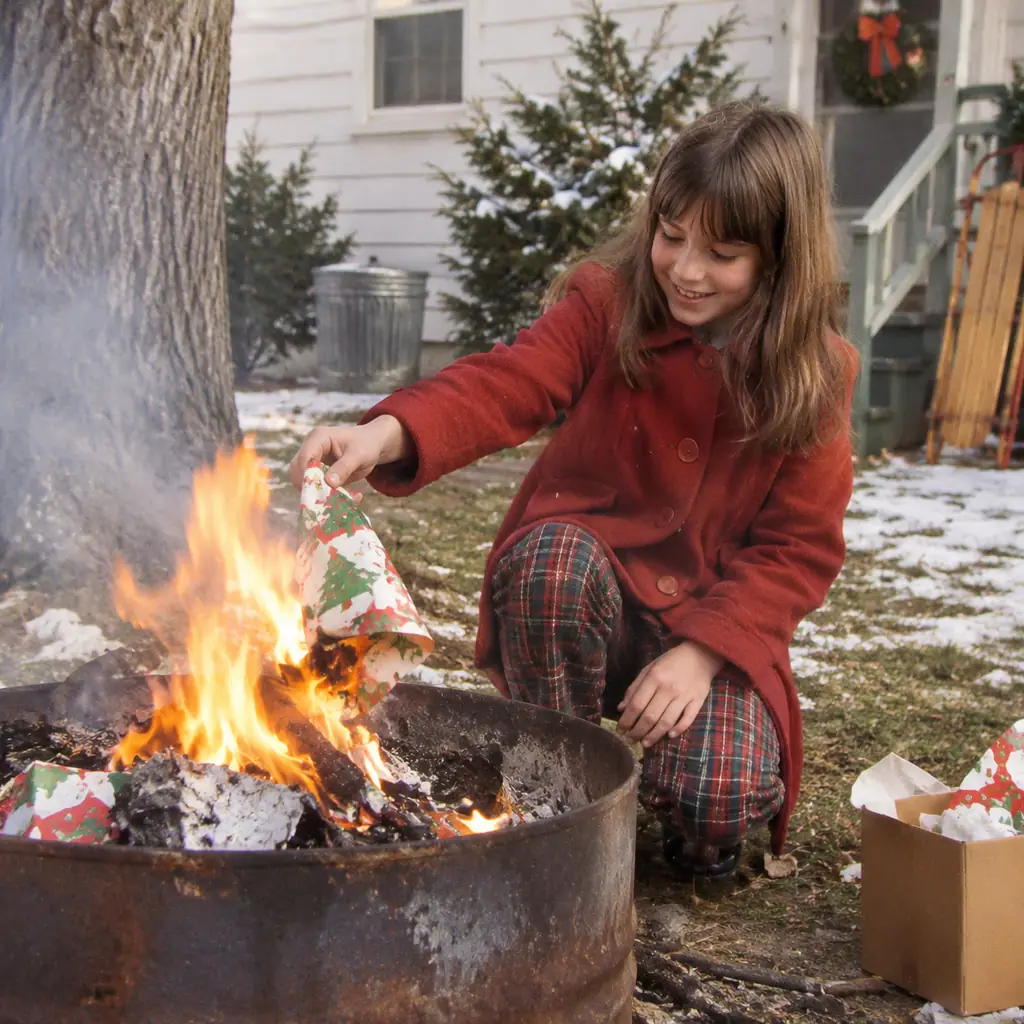
In towns where households burned trash, the wrapping left from the morning could go out to a burn barrel. The pile looked larger once boxes and paper came out of the living room.
Waste collection and restrictions changed that practice. It is a small detail that locates the memory as firmly as any toy in the photographs.
26. Going downtown for the Christmas parade
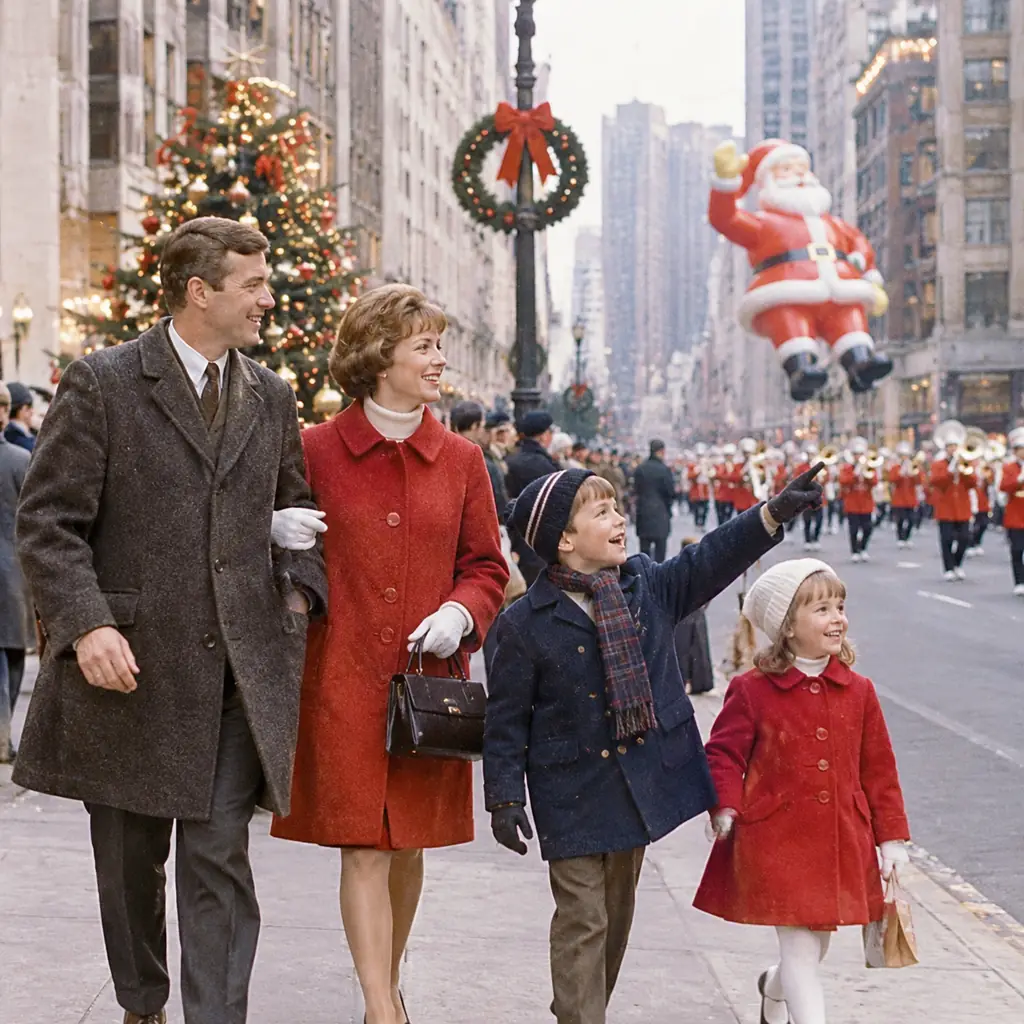
Standing on the curb downtown gave a child a view of the bands, floats, and store signs all at once. The parade was an outing as well as a way to draw shoppers to the business district.
A good place to stand could be as important as what was on the program. People waited to see the closing float.
27. A meat-and-cheese gift box
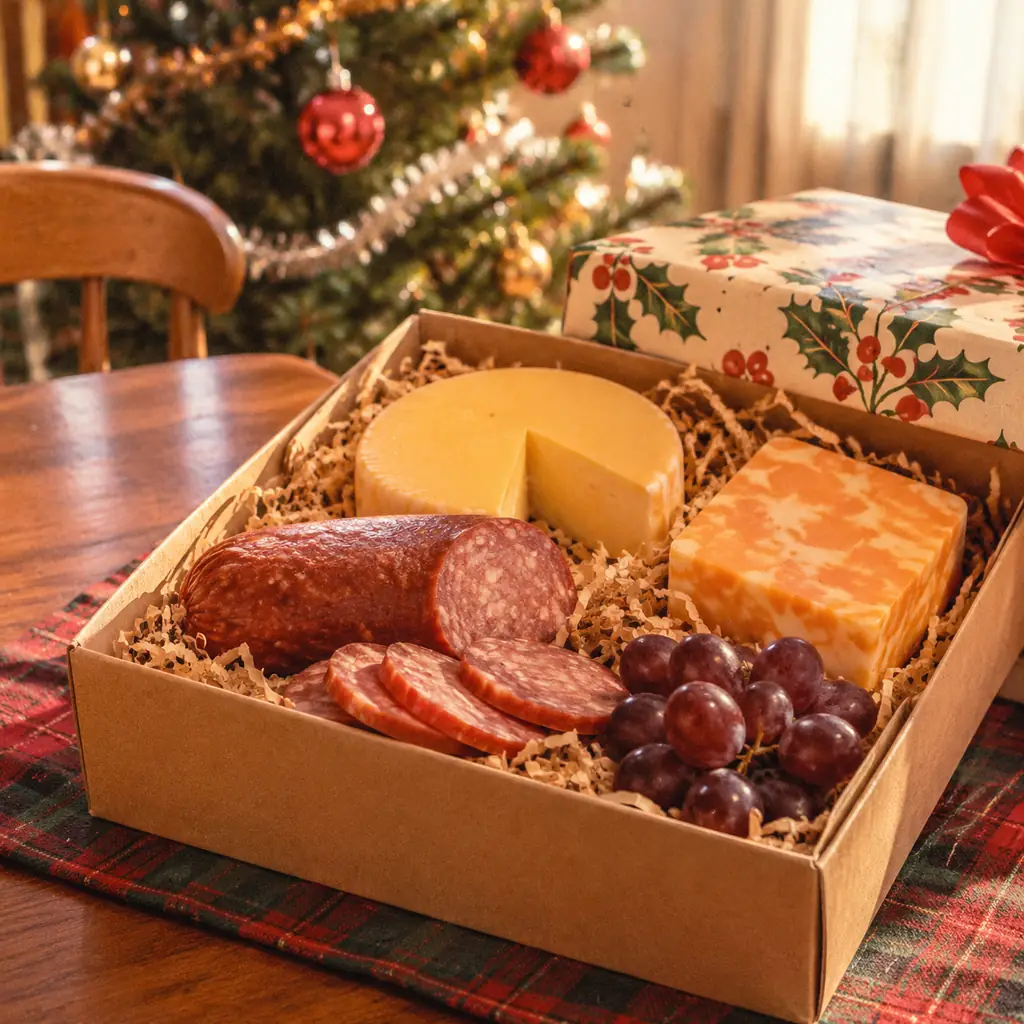
A boxed assortment of summer sausage, cheese, and crackers looked ready to carry to a relative’s home. Retailers such as Hickory Farms helped make that style of gift familiar.
Once opened, the box turned into food for whoever had stopped by. It could be divided easily without the host having to prepare another dish.
28. Waiting for the department-store Santa photo
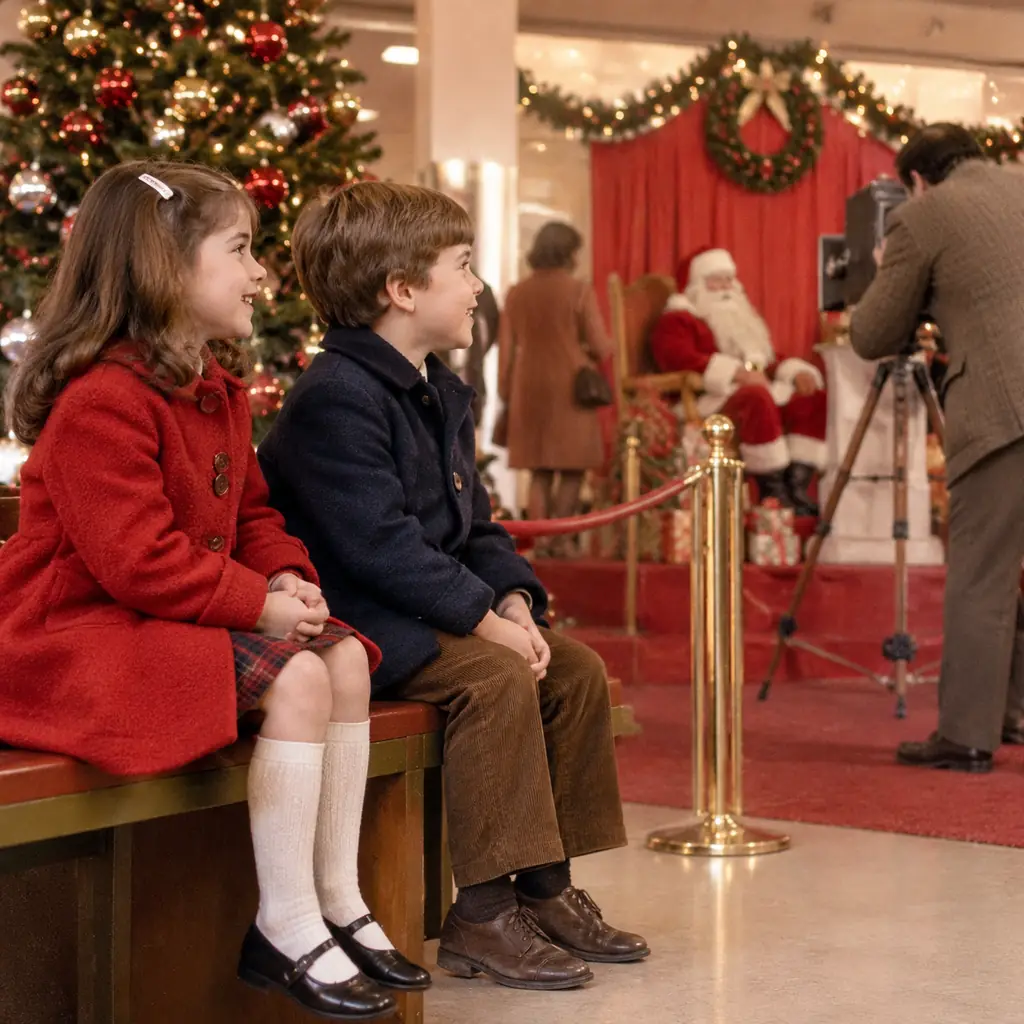
The visit to the department-store Santa sometimes ended with a claim slip. Families placed an order for a print and waited for the photograph to be ready.
The delay gave the photograph a second life as a keepsake when it finally came home. What the child had asked for was sometimes already forgotten.
29. German glass ornaments
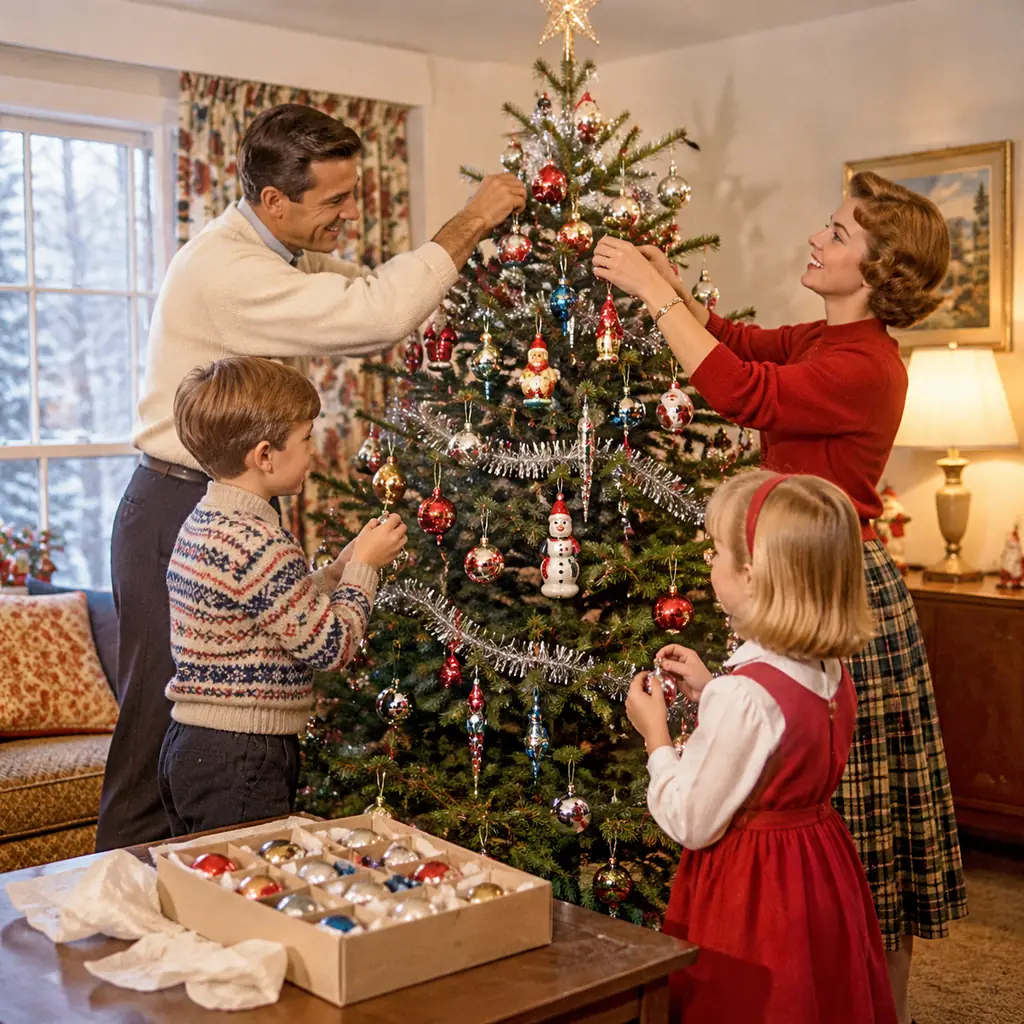
Imported German ornaments added painted details and delicate shapes to a tree. Thin glass made the most interesting pieces ones you held by the top when taking them out of their boxes.
Older ornaments might be kept in tissue for years. In a family that used the same set, each piece had a usual branch or a person who liked putting it there.
30. A popcorn and cranberry garland
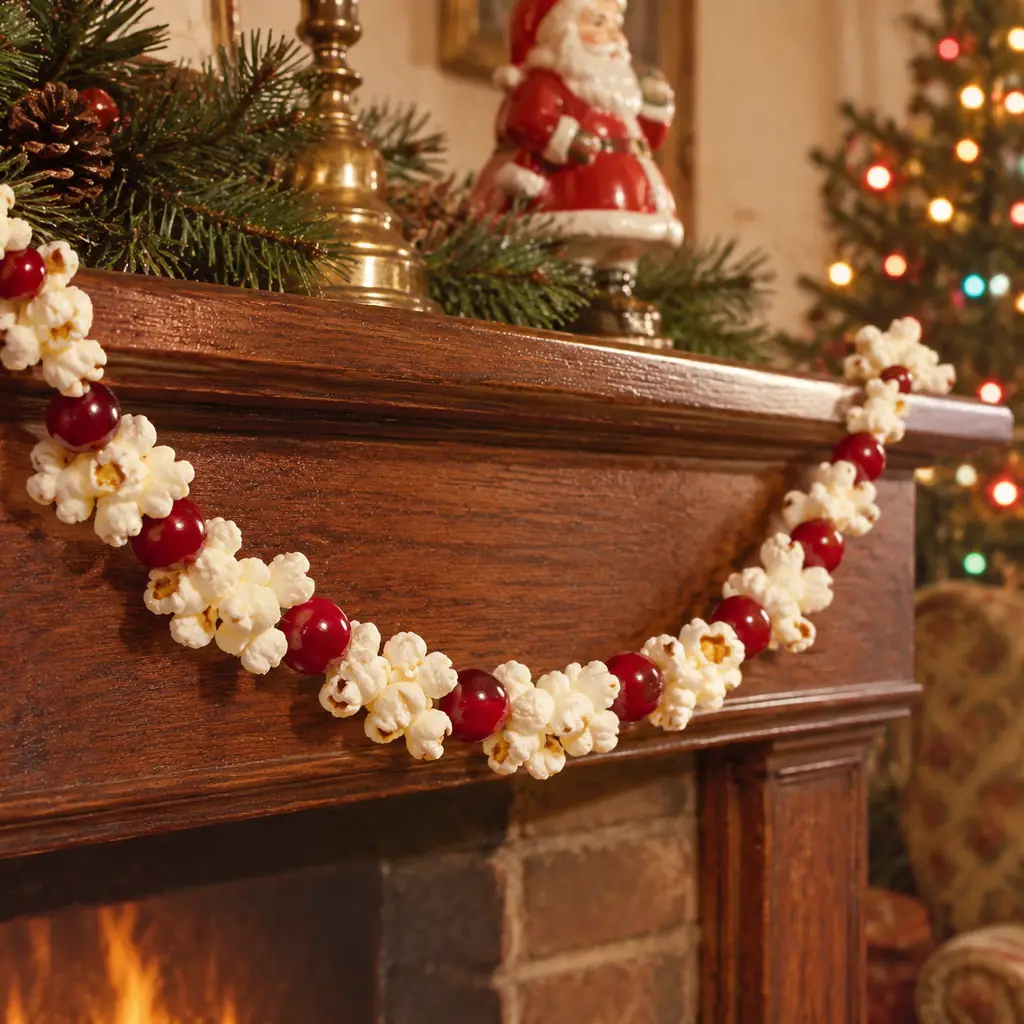
Popcorn and cranberries made a garland with its own uneven rhythm. One child could count while another decided how many white pieces ought to sit between the red ones.
The result put something handmade beside store-bought decorations. It usually had more knots, gaps, and shy last pieces than anyone saw from across the room.
31. Paying for presents on layaway
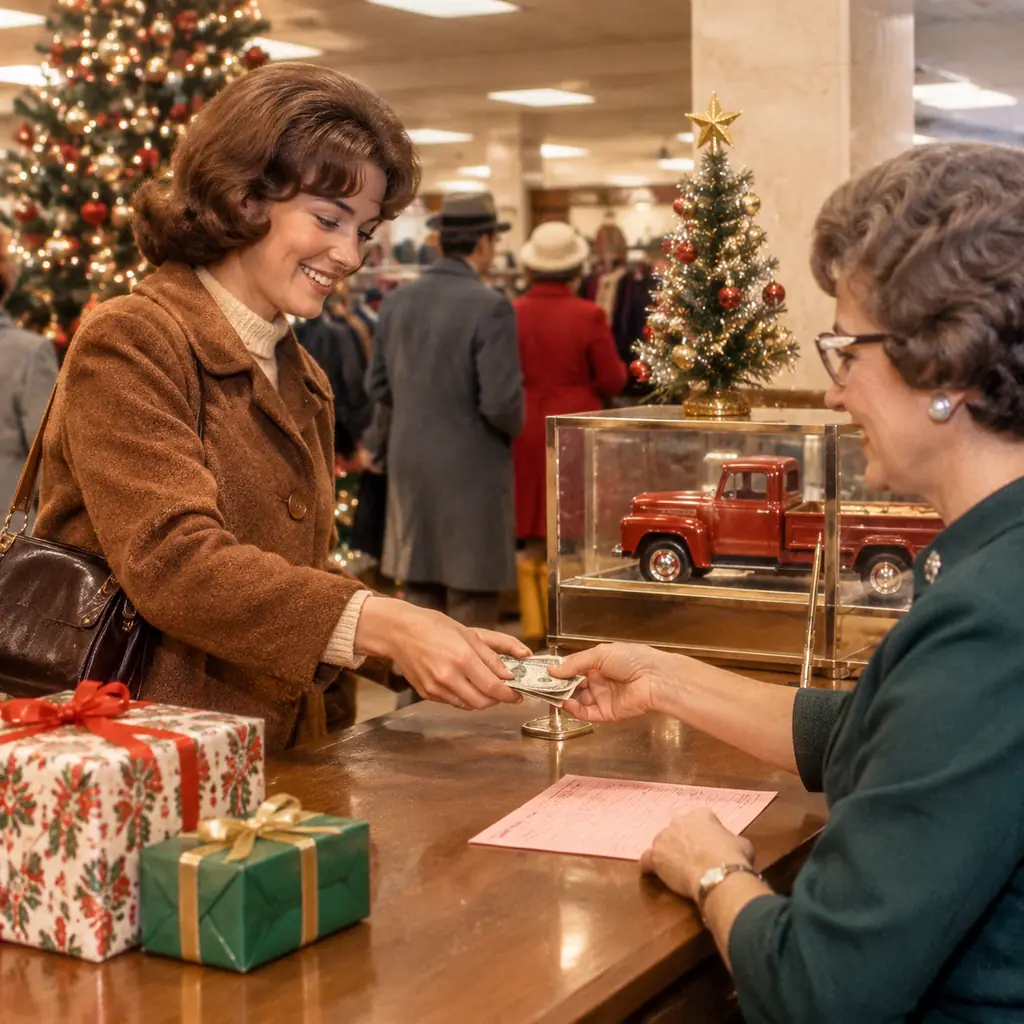
Layaway let a shopper pay in installments while the shop held the present. The gift stayed there until the last payment, sometimes in the same store where a child had first seen it.
The system took some planning. It also solved the problem of where to hide a box that would be hard to explain at home.
32. An orange handed out at school
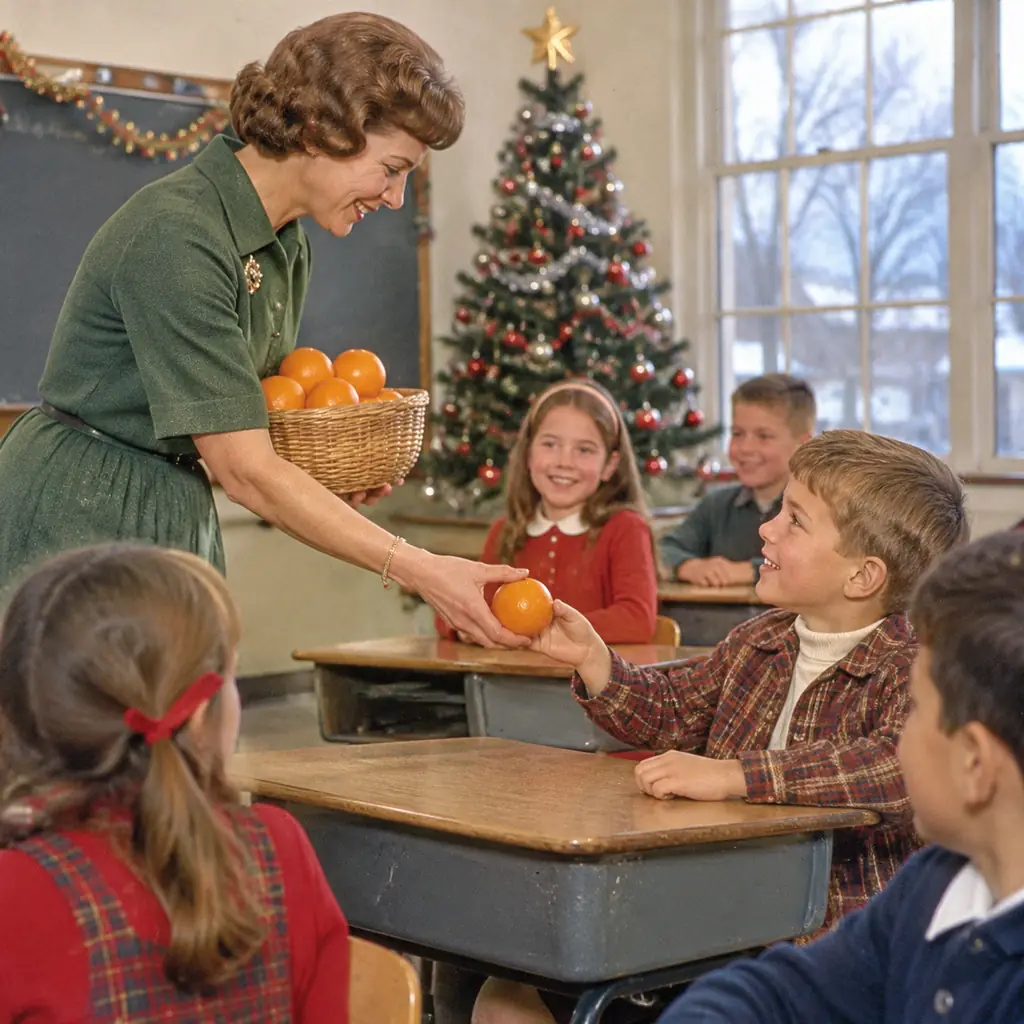
An orange from a teacher or school party was a small gift with a strong smell once it had been peeled. Some classrooms paired it with candy or a handmade bag.
This depended on the school and the people organizing the event. A child could finish the term remembering the orange more vividly than the party itself.
33. Window stencils made with Glass Wax
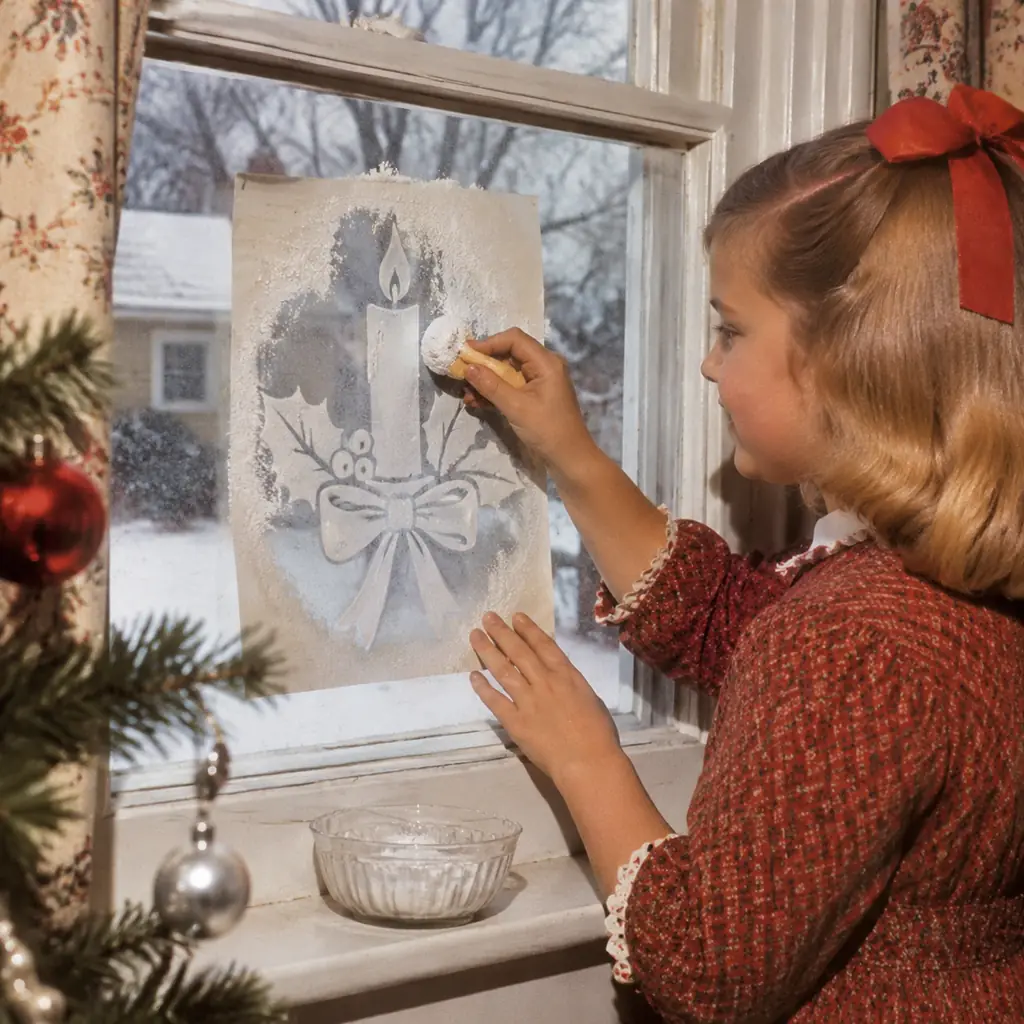
A stencil held against a window could leave a white bell, tree, or snowman when the Glass Wax dried. The cleaner came off the plain areas, so the window still did its normal job.
The design was easy to see from outside in the right light. A holiday set of stencils gave children a few shapes they could recognize year after year.
34. A turkey from work
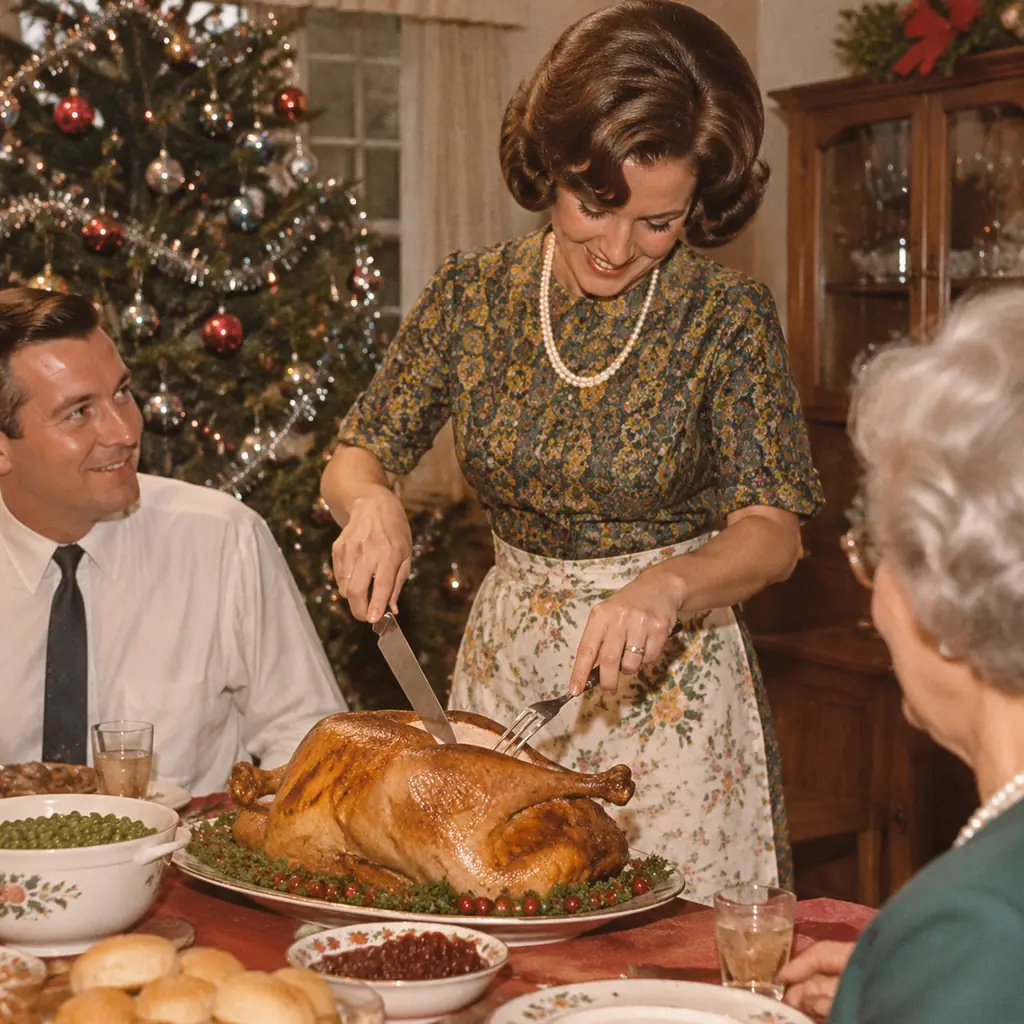
A turkey from an employer made the end-of-year bonus something you could bring to the family table. It might be handed over directly or collected using a voucher.
For a household planning a holiday dinner, the gift took one decision off the shopping list. The family still had to find a way to fit it into the refrigerator.
35. Going to a midnight Christmas Eve service
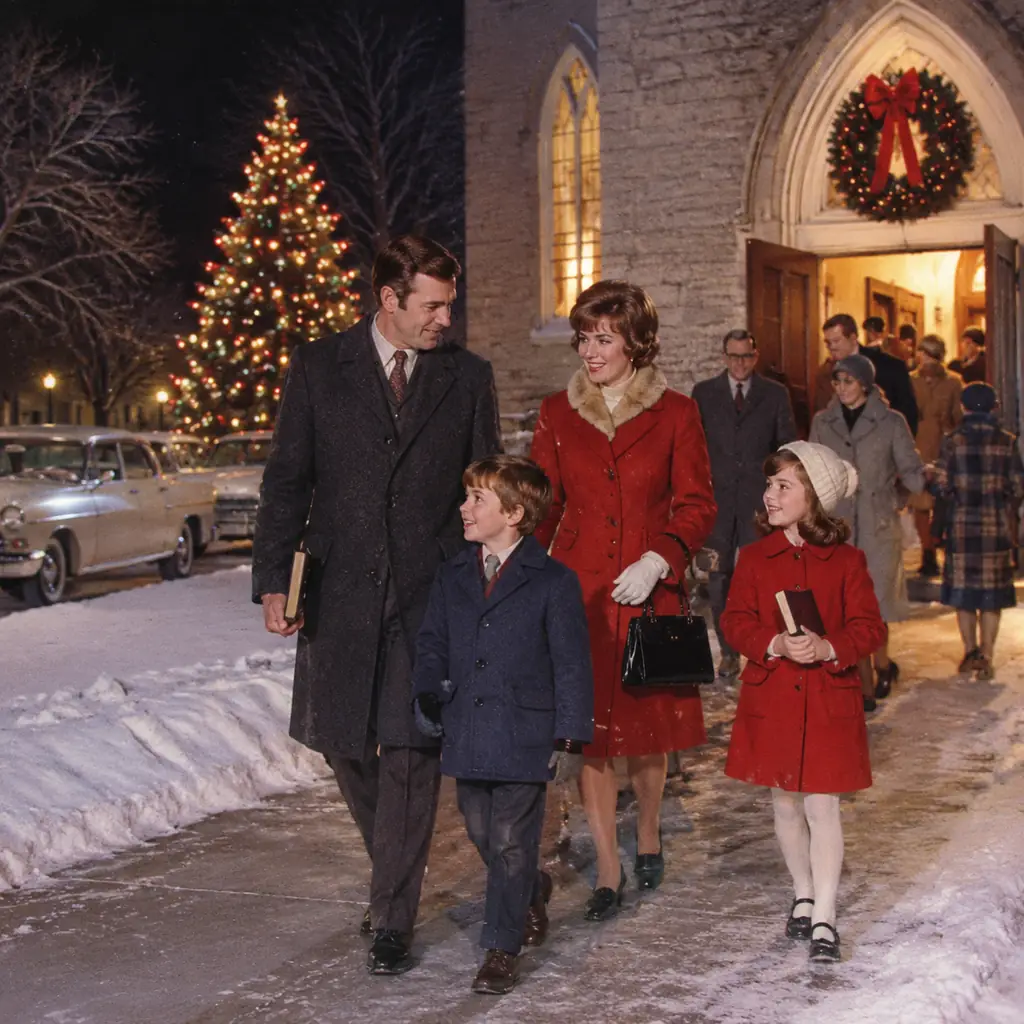
A late service took families out again after an evening at home. The walk across a cold church parking lot was part of the change in mood as Christmas Eve turned into Christmas Day.
Congregations chose their own times and customs. For people who attended one, the service gave the season a clear beginning.
36. Watching Rudolph on television
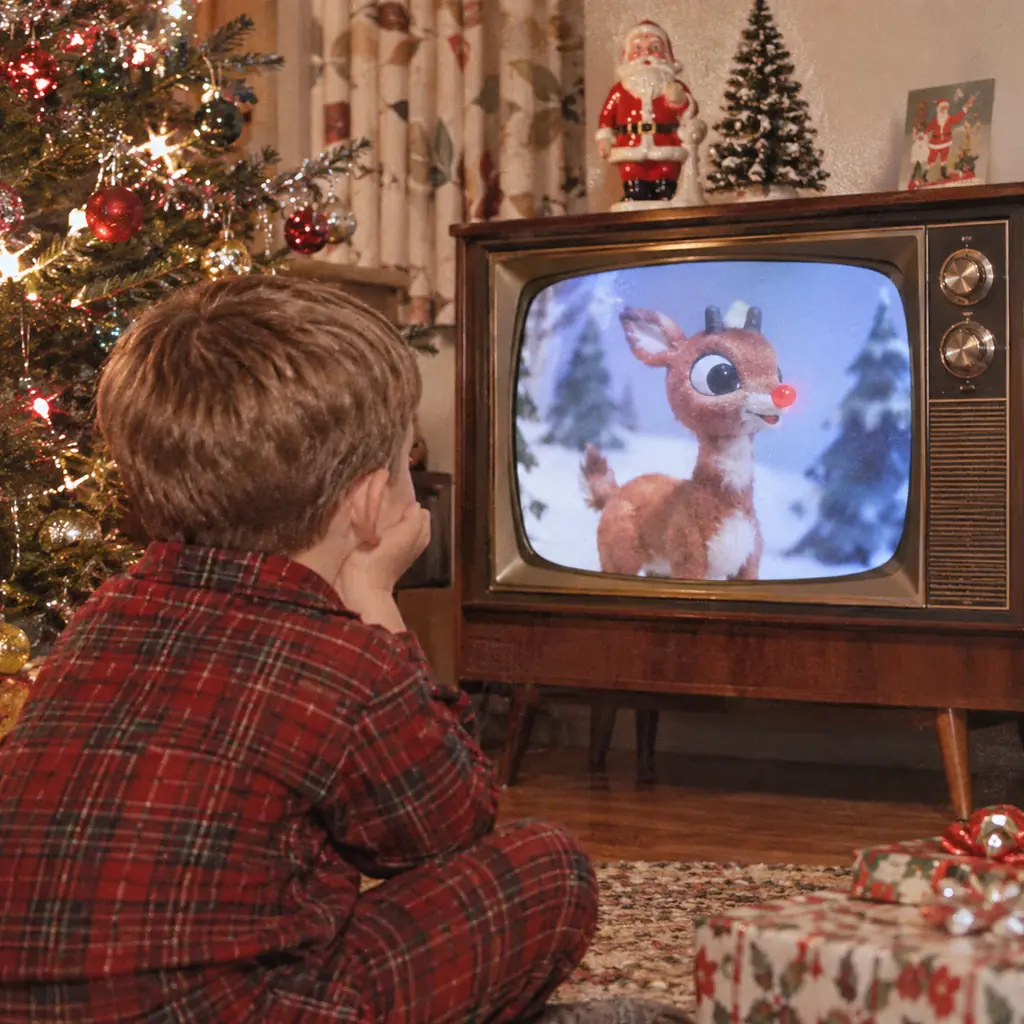
A television special made the family gather at a particular hour. The animated Rudolph first aired in 1964, and children could return to the same story in later seasons.
You had to notice the broadcast time if you wanted to see it. The annual program felt like a family appointment in homes with one television.
37. Driving around to see Christmas lights
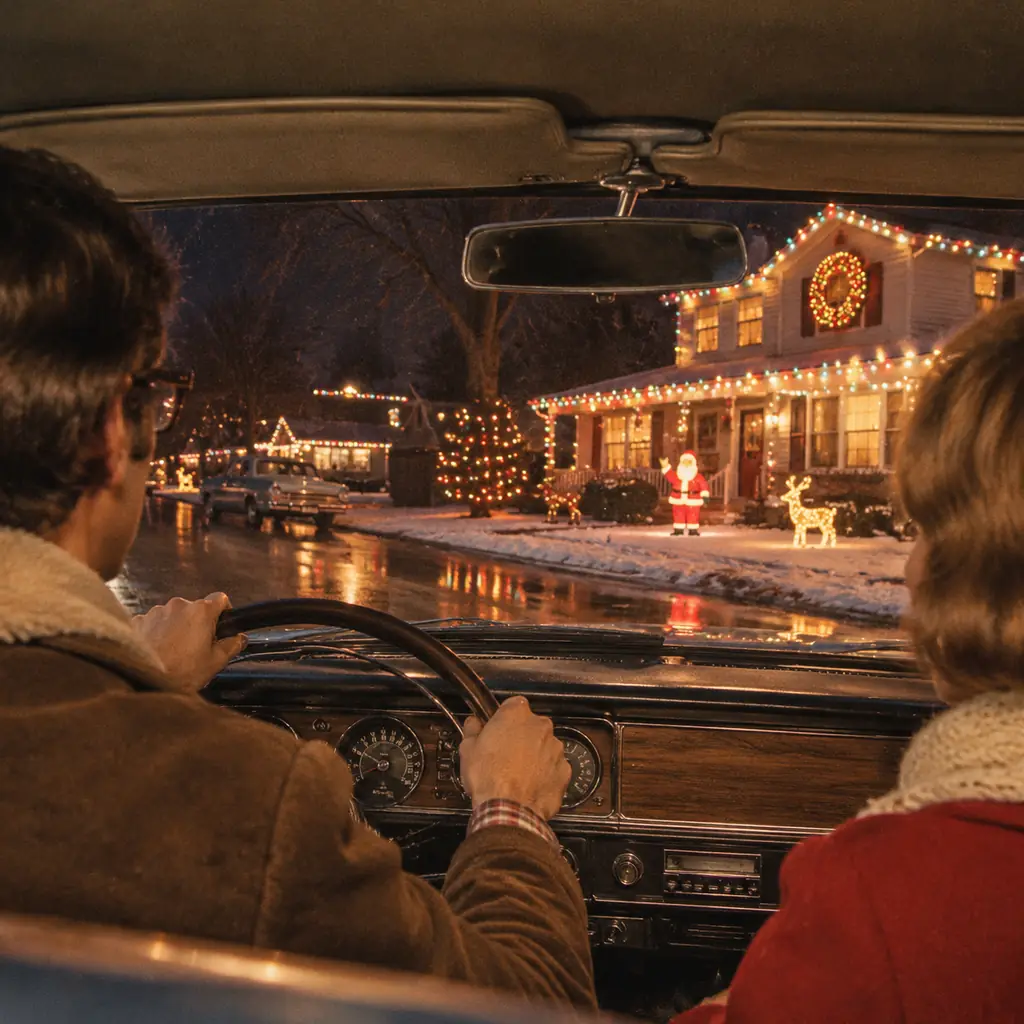
Some families took the long way home to see front yards, windows, and rooflines lit for Christmas. Which street had the biggest display could become a piece of neighborhood knowledge.
It gave people something to do between dinner and bedtime. You could see a surprising amount without ever getting out of the car.