The Songs That Filled School Dances and Roller Rinks
 Denver8 min read
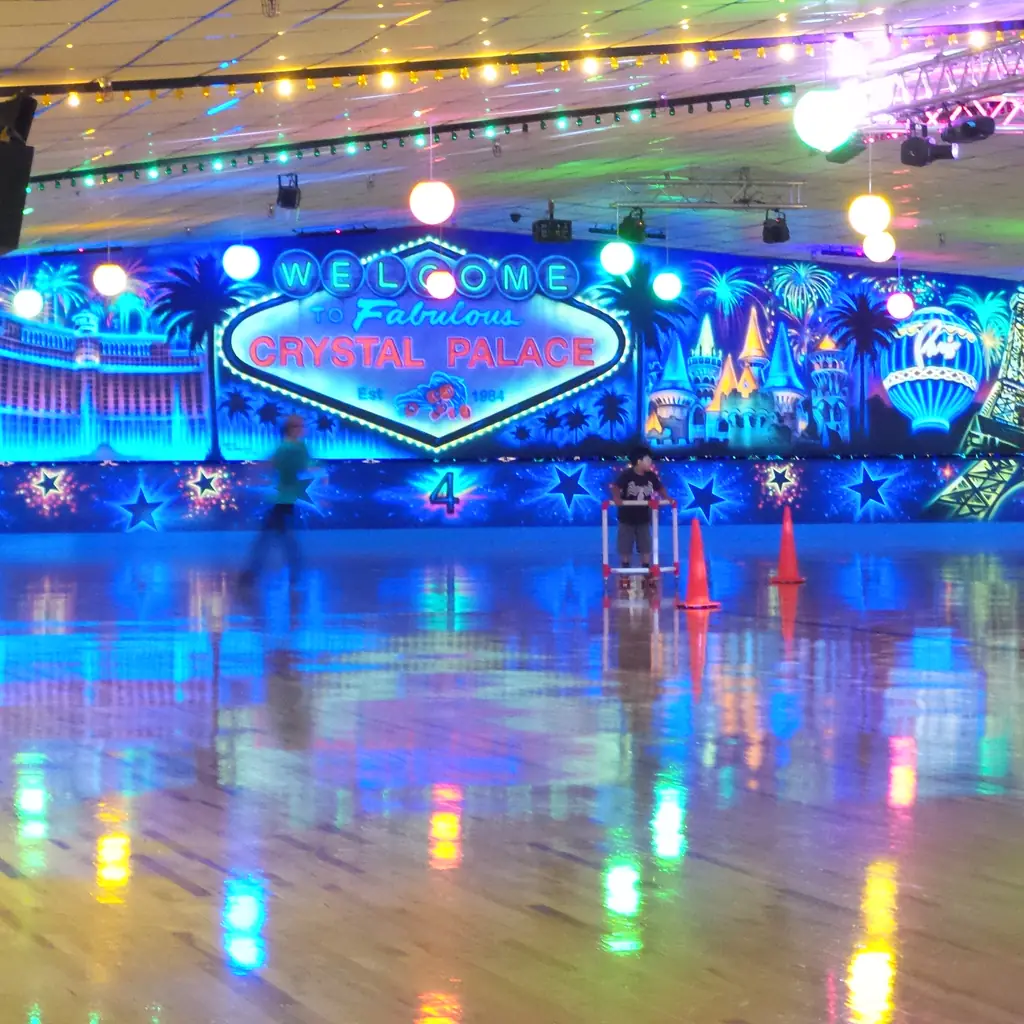
A rink session and a school dance could have very different soundtracks, even in the same town. These records recall disco, funk, pop and slower moments without pretending that every DJ played the same set.
1. Dancing Queen — ABBA
ABBA’s 1976 Dancing Queen joins a steady dance pulse to a melody that seems to keep rising. The combination can welcome people who want to move and those who would rather sing nearby.
On wheels, a clear pulse provides a musical line to follow around the room. At a school dance, the same record offers a broad chorus without requiring a named routine.
Its melancholy edge also leaves room for the awkwardness around a crowded floor.
2. September — Earth, Wind & Fire
Earth, Wind & Fire’s 1978 September places bright horn accents over a tightly organized groove. The arrangement keeps presenting small details while the basic motion stays easy to follow.
That balance suits a floor where people have different levels of confidence. Someone can respond to the beat without trying to match every flourish.
The song’s appeal comes from collective momentum rather than a command that everyone perform an identical step.
3. Le Freak — Chic
Chic’s Le Freak built its identity around disciplined rhythm and a highly recognizable refrain. The Library of Congress includes the recording in its preservation registry.
The guitar and bass parts leave enough space for the groove to feel crisp. At a rink, that sort of rhythmic clarity can be as useful as a large chorus.
The record also recalls how disco’s musical craft could survive the fashions and arguments surrounding the genre.
4. Good Times — Chic
Good Times is part of Chic’s late-seventies catalog, documented alongside Le Freak in the Rock Hall’s collections. Its bass line supplies much of the recording’s forward motion.
The arrangement feels precise rather than crowded. That leaves room for skaters or dancers to find their own emphasis inside the beat.
The song’s connection to later musical developments is another reason an older groove can sound familiar to someone who missed its first release.
5. Get Down Tonight — KC and the Sunshine Band
Get Down Tonight appears on KC and the Sunshine Band’s 1975 self-titled album. The record turns repeated phrases and a light, quick-moving groove into a direct invitation to dance.
Its bright sound can cut through the noise of a busy room. A listener does not need a long introduction to understand what kind of musical moment has arrived.
That immediate character makes it an easy record to associate with a crowd already in motion.
6. Boogie Shoes — KC and the Sunshine Band
Boogie Shoes belongs to KC and the Sunshine Band’s seventies recordings and appears on the Saturday Night Fever soundtrack. Its compact, springy feel gives it a different character from a grand disco production.
The music offers a relatively uncomplicated pulse with small rhythmic accents to play against. A short record can refresh a session without demanding a dramatic change of mood.
Its film connection supplied another route into the same dance-oriented sound.
7. Stayin’ Alive — Bee Gees
Stayin’ Alive is one of the Bee Gees recordings on the 1977 Saturday Night Fever soundtrack. Its beat moves with unusual certainty while the voices sit high above it.
The record’s confidence can be felt even by a listener who has not seen the film. For a rink, the continuous pulse suggests steady travel rather than sudden changes.
The famous association with walking also shows how dance music can shape an ordinary movement.
8. Night Fever — Bee Gees
Night Fever is another of the Bee Gees tracks preserved as part of the Saturday Night Fever soundtrack. It has a smoother sweep than the sharper insistence of Stayin’ Alive.
The vocal blend and arrangement can make a room feel larger without losing the central groove. That is useful music for people moving continuously rather than stopping for a dance instruction.
Remembering these records together does not mean every childhood included the film itself. The same distinction matters when revisiting other songs associated with movies.
9. Hot Stuff — Donna Summer
Hot Stuff appears on Donna Summer’s Bad Girls album. The record combines an insistent dance rhythm with a harder edge than a listener might expect from a narrow idea of disco.
That mixture gives the song a punch that can carry across a large room. The vocal sounds forceful without obscuring the beat underneath.
It is a reminder that the dance floor’s remembered soundtrack could include guitars as readily as strings and electronic textures.
10. Bad Girls — Donna Summer
Bad Girls shares an album with Hot Stuff but creates a different scene through its vocal phrasing and rhythmic details. The title track is documented in the album’s official music catalog.
The song has a conversational energy around the main vocal, as though the performance extends beyond one person at a microphone. That keeps the groove socially animated.
A recognizable repeated sound can become attached to a room even when the full story passes a young listener by. A repeated musical detail can work differently in shared sing-along records.
11. Boogie Wonderland — Earth, Wind & Fire with the Emotions
Earth, Wind & Fire’s history identifies Boogie Wonderland as a 1979 collaboration with the Emotions. The recording pushes its dance pulse through a large, layered vocal sound.
The arrangement feels exuberant, with enough rhythmic definition to stop the energy becoming shapeless. A busy floor can respond to both the steady movement and the decorative bursts.
The combination also highlights how much vocal teamwork supported the dance records people remember.
12. Celebration — Kool & the Gang
Kool & the Gang released Celebration in 1980. The band’s own account places it among the records that have accompanied school dances and other shared occasions.
The song states its mood plainly and gives a crowd time to enter. Its rhythm feels organized around bringing people together rather than asking them to watch an exceptional soloist.
That openness helps explain why the record can belong to memories of very different kinds of gathering. That immediate mood-setting is also a strength of familiar television theme songs.
13. Y.M.C.A. — Village People
Village People’s Y.M.C.A. dates to 1978. The song’s broad musical gestures make it particularly easy to connect sound with movement.
For listeners who know the familiar arm shapes, participation becomes visible across the room. Others can simply follow the beat or sing without joining a routine.
It is worth separating the recording from the many later contexts in which people encountered it; not every remembered dance dates to its original release.
14. I Will Survive — Gloria Gaynor
Gloria Gaynor’s 1978 I Will Survive starts with a more exposed vocal before arriving at its fuller dance rhythm. The change gives a DJ a distinctive shift in energy.
A room can move from listening to joining in within the same record. That small dramatic journey makes the song feel larger than a continuous beat alone.
Its emotional force also gives dancers something to identify with beyond the practical question of keeping time. A dramatic musical change also gives many examples of movie music their force.
15. Let the Music Play — Shannon
Shannon’s Let the Music Play carries a 1983 recording copyright in the label’s official release credits. Its electronic rhythm offers a different texture from the strings and horns of earlier disco.
The crisp programmed sound gives movement a firm outline while the vocal supplies an emotional story. That combination can feel both mechanical and human.
For an eighties rink memory, this shift in musical materials can be as vivid as a change in clothing.
16. Genius of Love — Tom Tom Club
Genius of Love appears on Tom Tom Club’s 1981 debut album. The record’s loose, playful voices sit above a distinctive bass-centered groove.
Its pleasures are distributed through small repeated parts rather than reserved for one large chorus. That lets a dancer stay with the rhythm while noticing different details on each return.
The music’s later reuse also means some listeners recognize pieces of it before they know the original recording.
17. Billie Jean — Michael Jackson
Billie Jean is part of Michael Jackson’s 1982 Thriller album. Its sparse opening makes the bass line and beat especially easy to identify.
A clearly defined groove can give less confident dancers something reliable to follow. The vocal tension then adds character without constantly changing the foundation underneath.
A listener may remember the record from radio, a dance or a television appearance; those routes should not be collapsed into one universal eighties experience. Different routes into recognition also help explain the commercial jingles people remember.
18. Girls Just Want to Have Fun — Cyndi Lauper
Cyndi Lauper’s 1983 recording brings a playful, expansive lead voice to a bright pop rhythm. The Library of Congress discusses the song as part of She’s So Unusual.
At a school dance, an easily recognized chorus can draw attention away from the discomfort of deciding how to move. The performance offers an invitation rather than a test.
Its energy belongs to pop as much as to a specialized dance scene.
19. I Wanna Dance With Somebody — Whitney Houston
Whitney Houston’s 1987 single places an extraordinary voice over an immediately welcoming dance rhythm. Its musical scale can fill a room without making the beat difficult to follow.
The song connects the wish for company with the act of dancing. That gives a school-dance listener an understandable situation beneath the polished performance.
No ordinary dancer needs to match Houston’s vocal range to share the release when the chorus arrives. The wish for company turns up in quieter settings among holiday songs, too.
20. Open Arms — Journey
Open Arms appears on Journey’s 1981 album Escape. Its slower pace gives this selection a different kind of dance-floor memory from the faster records around it.
A slower song could change who entered the floor and how people arranged themselves. The piano and sustained vocal leave room for anticipation rather than continuous activity.
For some listeners, remembering the transition to a slow dance is more vivid than remembering which faster song came immediately before.