Where Your Work Skills Can Still Be Useful in Retirement
Turn something you learned at work into a small, useful job that another person can carry on without you.
Editor's note: These examples offer ideas for using work skills after retirement.
The people and projects are illustrative. Local groups have their own procedures, training, and requirements. Images are for illustration purposes only.
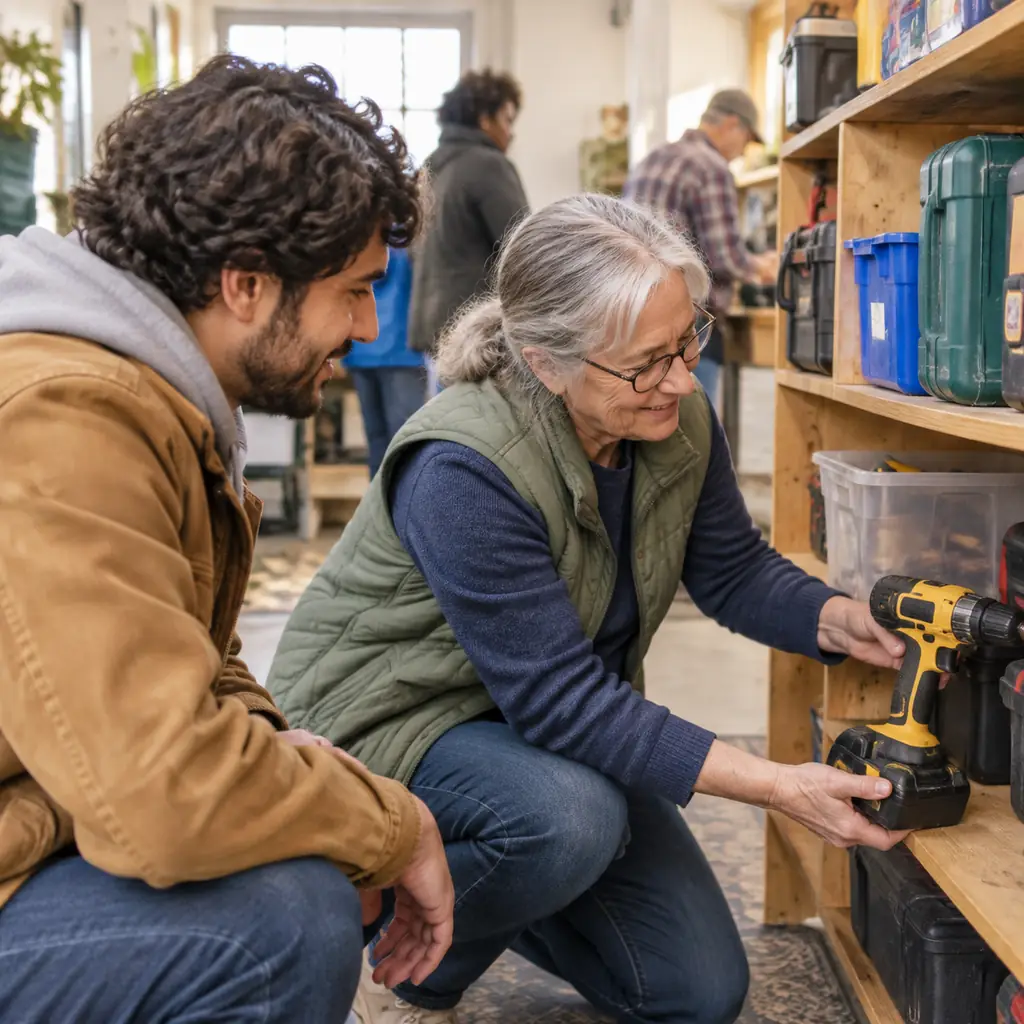
At a neighborhood tool library, the drills came back with their batteries in a different bin each week. A retiree who knew how to run a parts counter could make that one handoff easier.
1. Show one person how to close the tool library
Notice a task that falls to whoever happens to be nearby. In a tool library, that might mean checking for returned batteries and putting the drills back in their cases.
Ask the coordinator to show you their closing routine first. Then run through that routine with the person who will close next week.
Let them do the last return alone. You can go home when they know where to find everything.
2. Help the food pantry shorten the first ten minutes
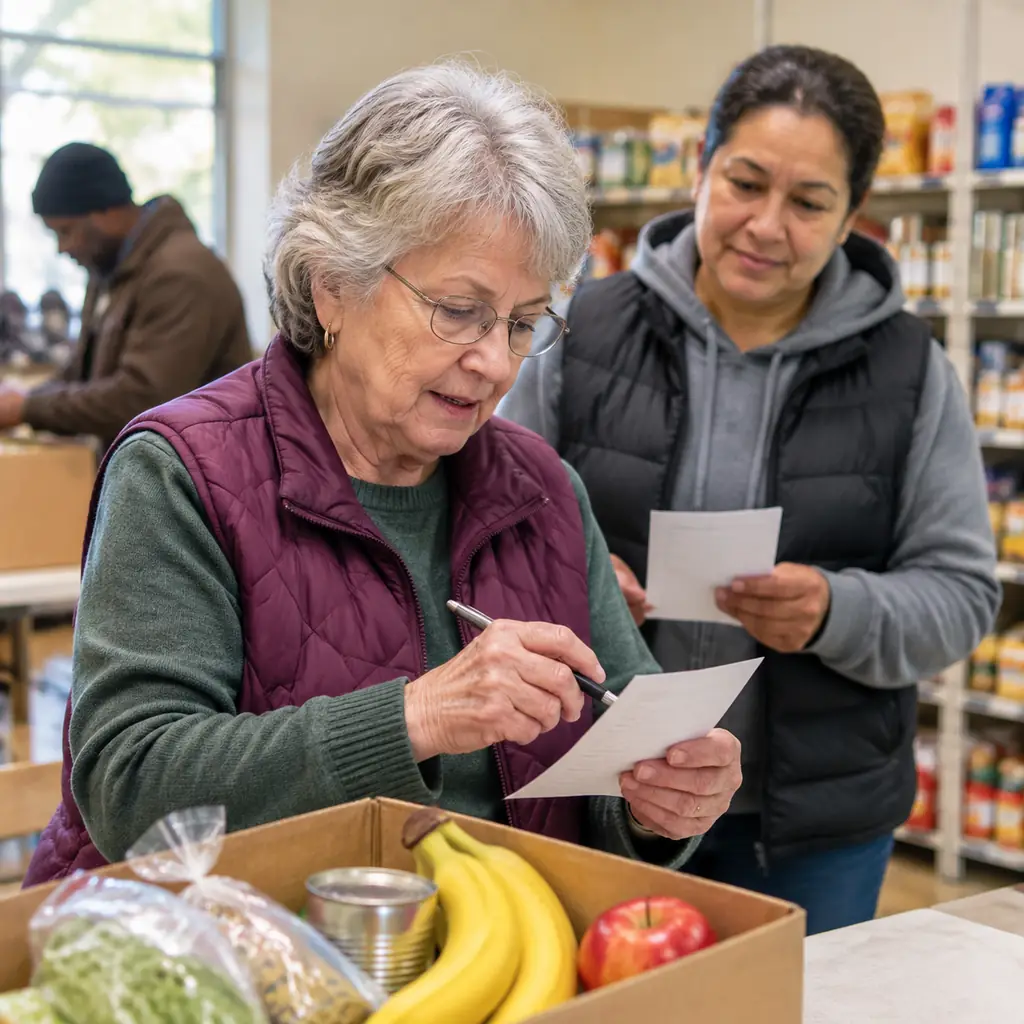
A former receptionist might notice that every new volunteer asks where to set their coat and who can answer a question. At a busy pantry, that confusion lands on the same worker each week.
Walk through the start of a shift with the manager. Write down three things the manager already wants volunteers to know.
Ask the manager to test those directions with the next person. Leave them a copy they can update.
3. Demonstrate the job that always gets handed to the same person
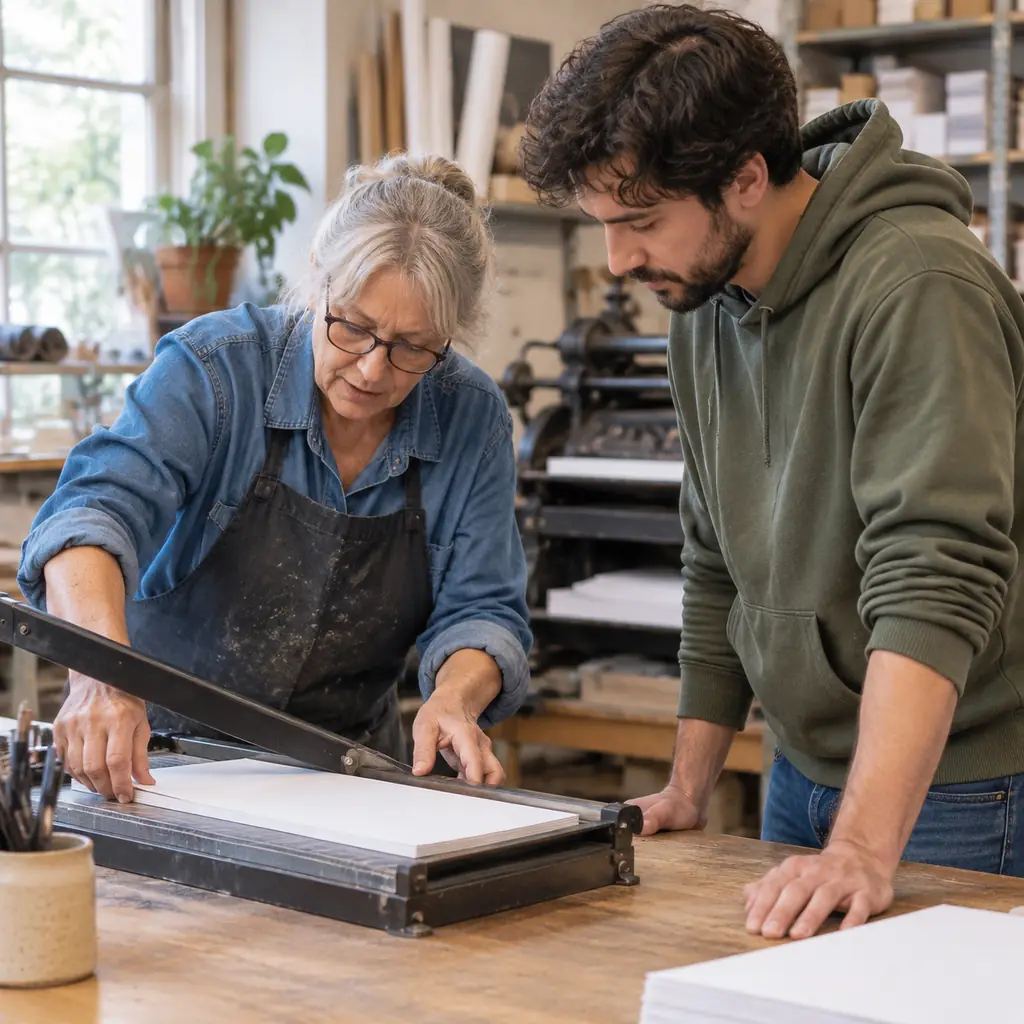
The community center has a paper trimmer, but only one person knows how to line up the programs without ruining the first stack. If you have done that work, offer to walk a second volunteer through the center's routine.
Work with the person responsible for the equipment. Ask them who should receive the training and what safety rules apply.
Let the learner cut a small practice stack. They will have something to check before trying the real job.
4. Help a neighborhood group read the two bids in front of them

One contractor includes surface prep in the price. The other bid gives a lower total but says nothing about prep. A former maintenance supervisor may know exactly which question the group needs to ask.
Offer to review the two descriptions at one meeting. Point out where the scopes differ and let the group ask the contractors for clarification.
Stay with what you know from your experience. Leave the hiring decision with the people who own it.
5. Help a trainee practice the question they dread
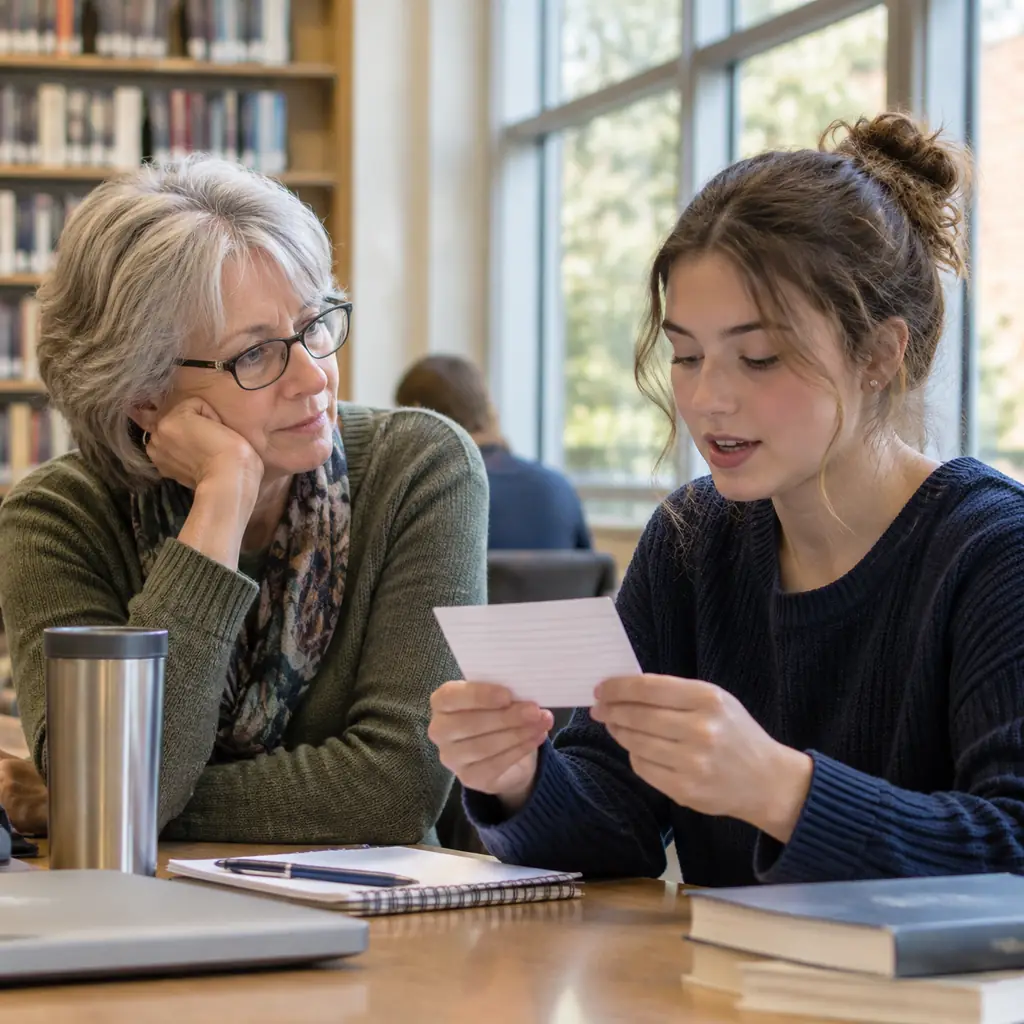
An apprentice may know the task and still feel unsure about how to describe the mistake they caught. If you used to train new starters, you can help them practice one answer.
Ask the training group which situations come up often. Set a half-hour meeting and pick one situation to rehearse.
If you miss having somewhere to be, a regular session may fit. Try the first one before you promise a whole term.
6. Give a volunteer crew a better way to pack up
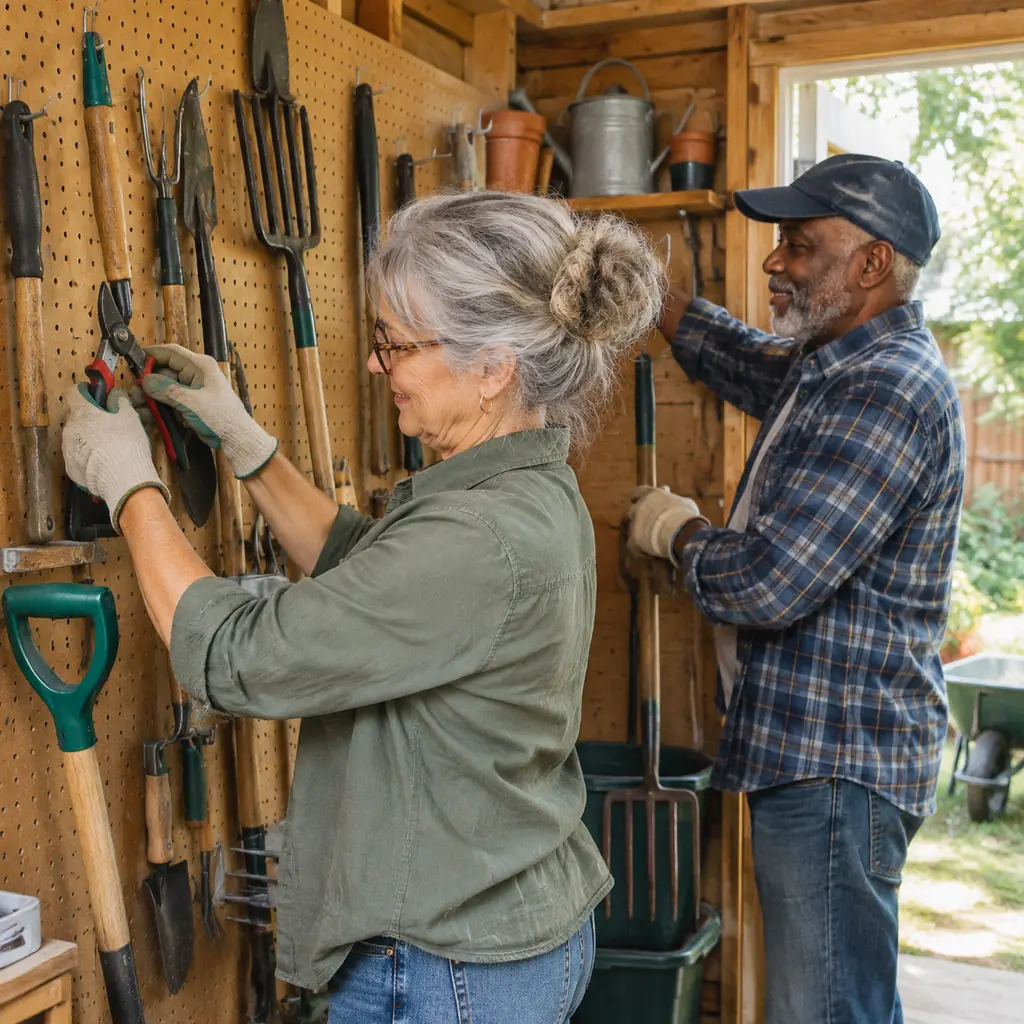
A volunteer garden can have six trowels in April and two easy to find by July. Someone who once tracked a shop's tools may be able to help without taking charge of the garden.
Join one cleanup with the shed organizer. Put the items people borrow most often within easy reach. Show another volunteer where things now go.
The same idea helps keep a hobby corner ready. Leave enough space for the next person to put things back.
7. Make the first call less awkward

People often remember the phrase a good supervisor used to open a nervous phone call. If you have made a lot of those calls, help a local group practice one that keeps going badly.
Ask the group's staff to describe a typical call without using a client's details. Write a plain opening together and take turns saying it aloud.
A single practice session makes a useful first assignment when you are trying volunteering with clear hours.
8. Leave the next shift a note they can use
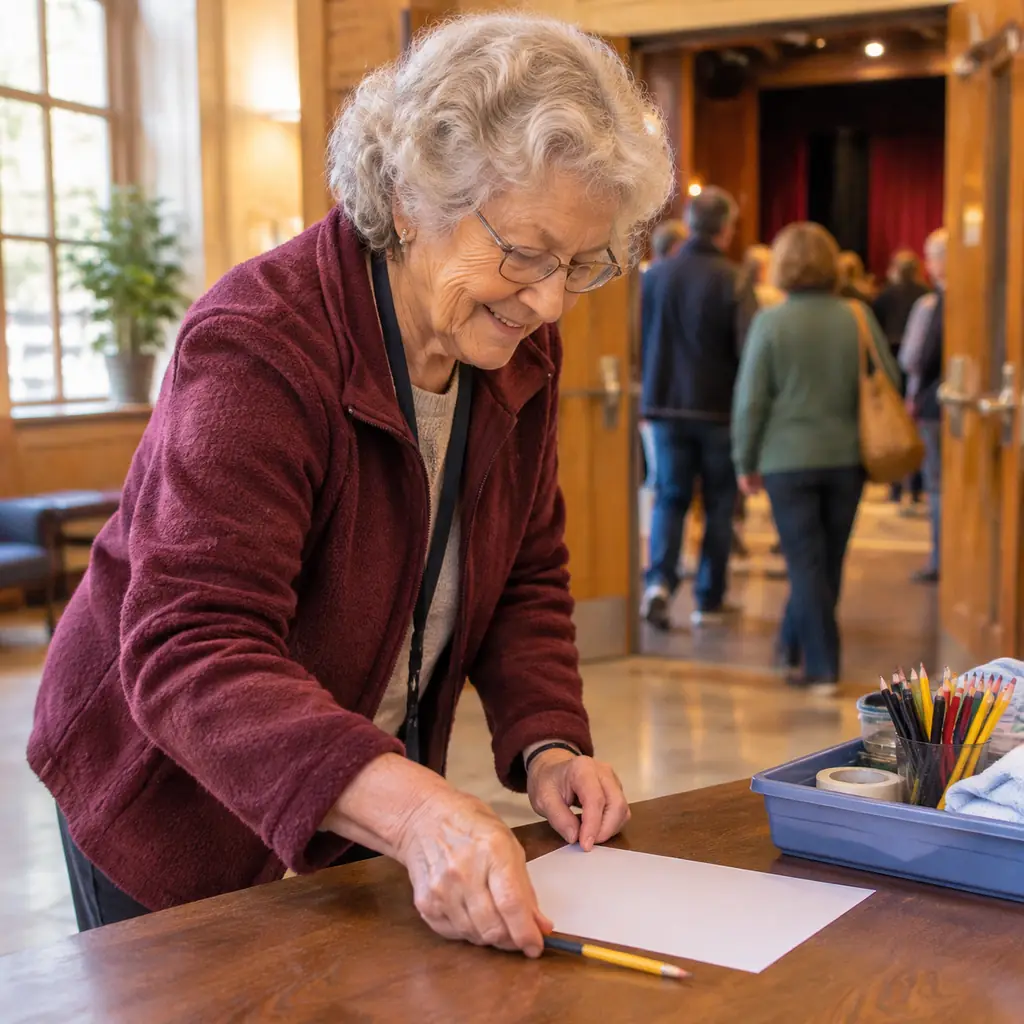
If you used to run a shift, you may have learned what the next person needs to hear before they unlock the door. A volunteer theater crew can use that skill around opening night.
Ask the outgoing crew to show you how they pass on changes. Make a simple handoff note for the next shift to test.
Keep the note short enough to read while standing up. That also makes it easier to protect some retirement time when people ask you to keep the arrangement running.
9. Take a small job you can finish this week
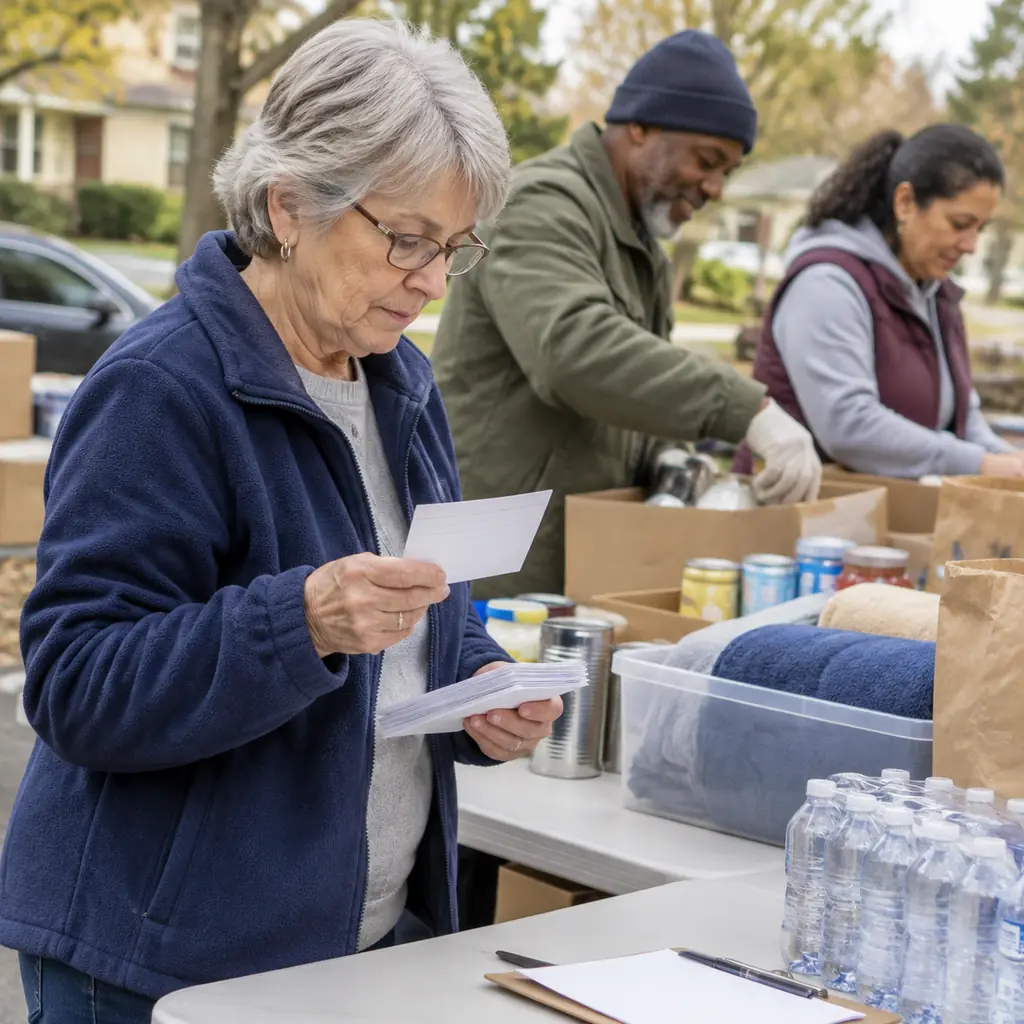
A friend asks if you can help with a donation drive. Give yourself a minute to find out what they need. You may be able to make a simple count sheet without being available for every pickup.
Agree on what the finished job looks like and when to hand it over. Ask the friend to pick someone who will use the sheet.
You can do work that matters while keeping your retirement calendar from filling up.
10. Teach what you look at first
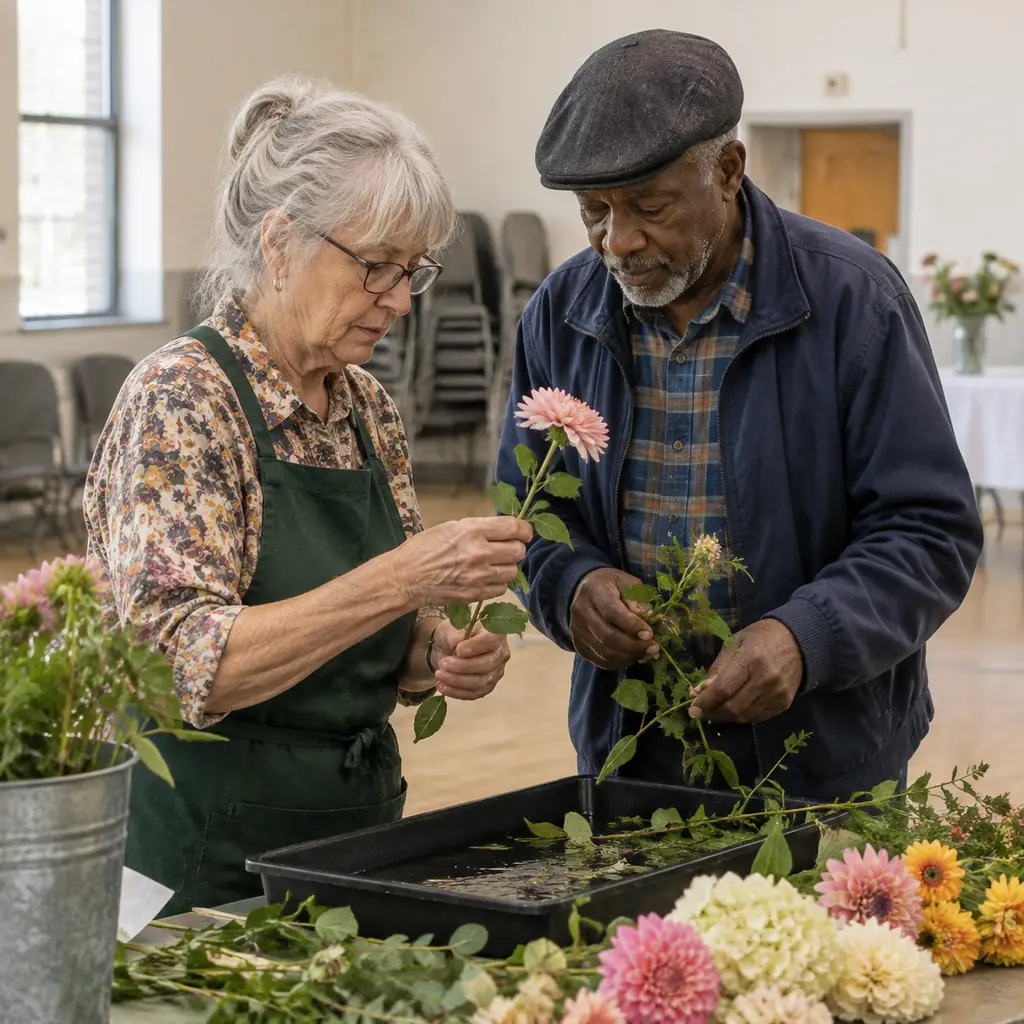
A retired florist may look at the stems before counting the flowers. The people setting tables for a community event might never think to check them in that order.
Choose a small job and describe what catches your eye first. Ask the learner to try the same check on the next group of stems.
Starting a hobby as a beginner is a good reminder of how much an expert can see before they say a word.
11. Keep a little paid work if the work itself still appeals

Some skills take time and carry responsibility. If a regular paid job suits you, ask about a particular shift or assignment before saying yes to being available whenever needed.
Find out who will set the work and what will happen when you take a week away. Ask for a clear description of the arrangement.
Part-time work can fit a retirement schedule when the hours and expectations work for both sides.
12. End by asking someone else to do it
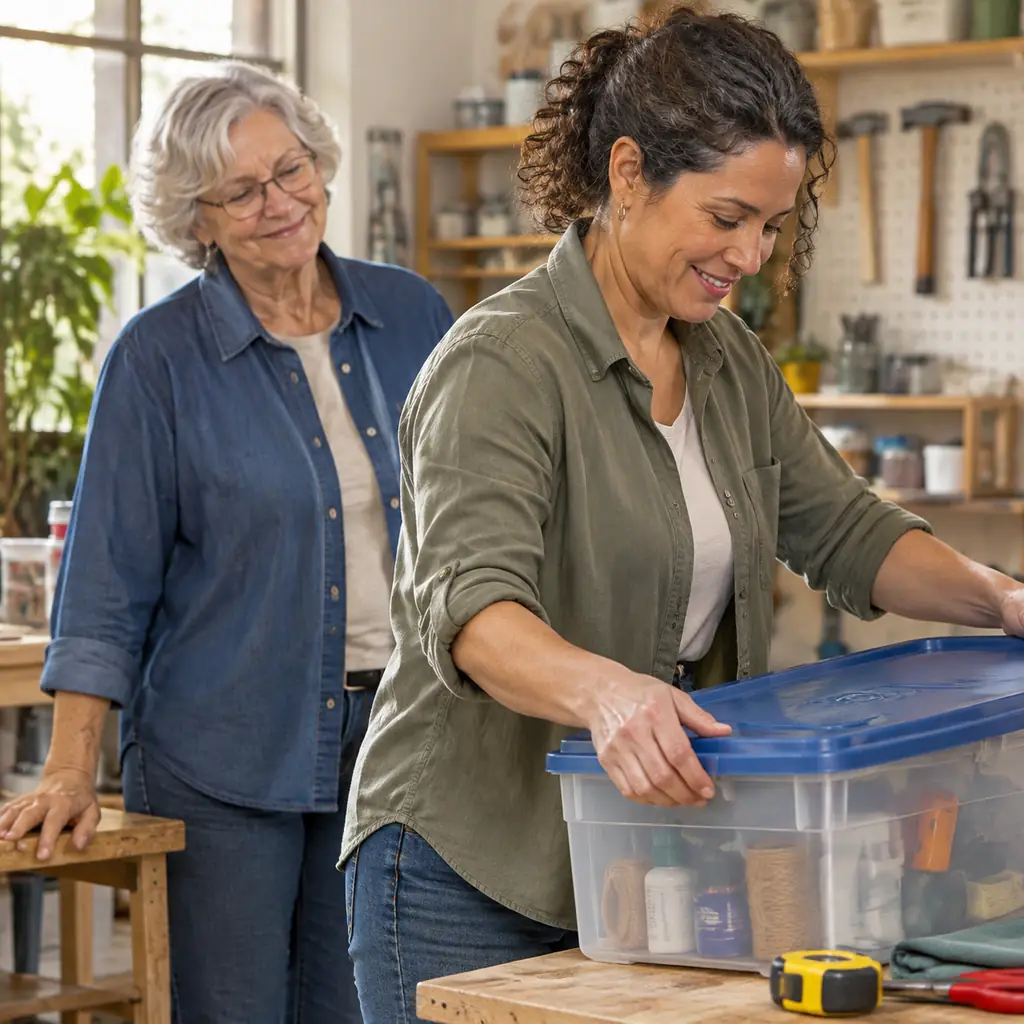
Pick one point when you will see whether your help worked. Let another person put away the tools, run the first ten minutes, or pass the note to the next shift.
Listen for questions they still have. Fix one confusing instruction while you are together.
When they can do the job on their own, you have handed over something useful. Ask before you take on another assignment and give yourself a fresh chance to choose it.