What People Miss About Work After They Retire
A badge in a drawer, a joke at the next desk, or a question only you knew how to answer can tell you what you miss about work.
Editor's note: These examples illustrate ways retirement can change everyday life.
The examples are hypothetical, and experiences vary. The article draws on published retirement adjustment research. Images are for illustration purposes only.
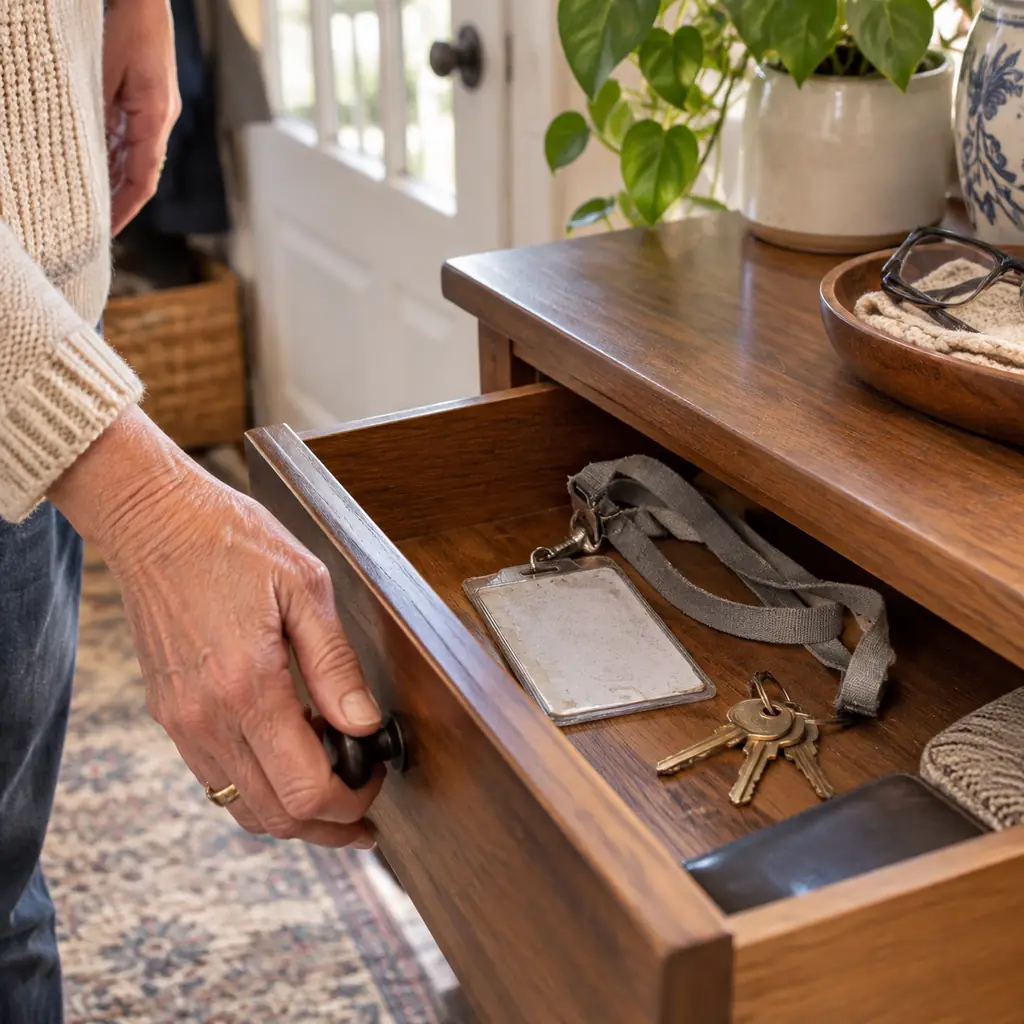
You reach into the drawer for your car keys and find the badge you used to put on every morning. The things you miss about work can point to what you want in retirement.
1. The badge that told you where you belonged
A badge could open a side door, get you a nod at the front desk, and tell a new person who to ask for. It was easy to take all three for granted.
Ask what you miss when you hold the badge. A familiar place and a familiar role are different losses.
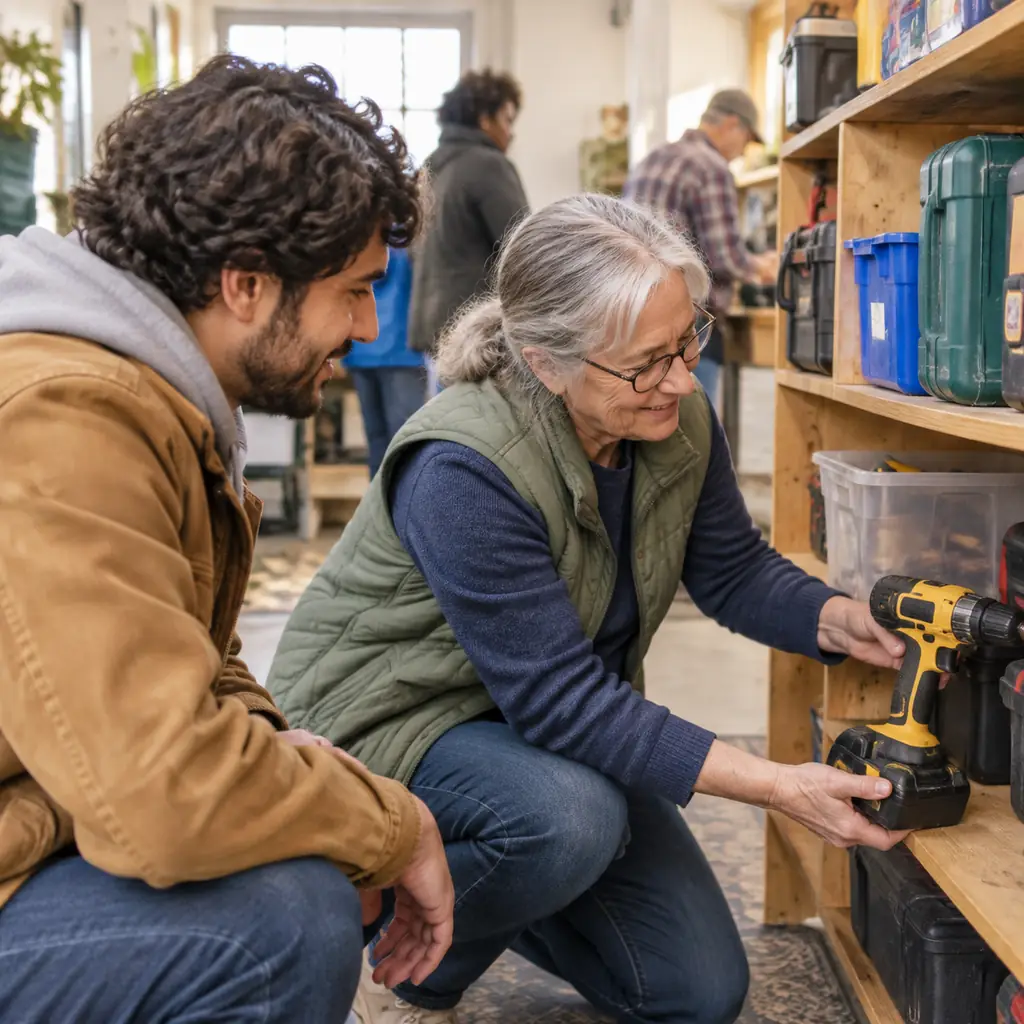
If you miss being known somewhere, keep going back to one place at the same time. Give people a chance to recognize you.
2. The jokes that needed no explanation
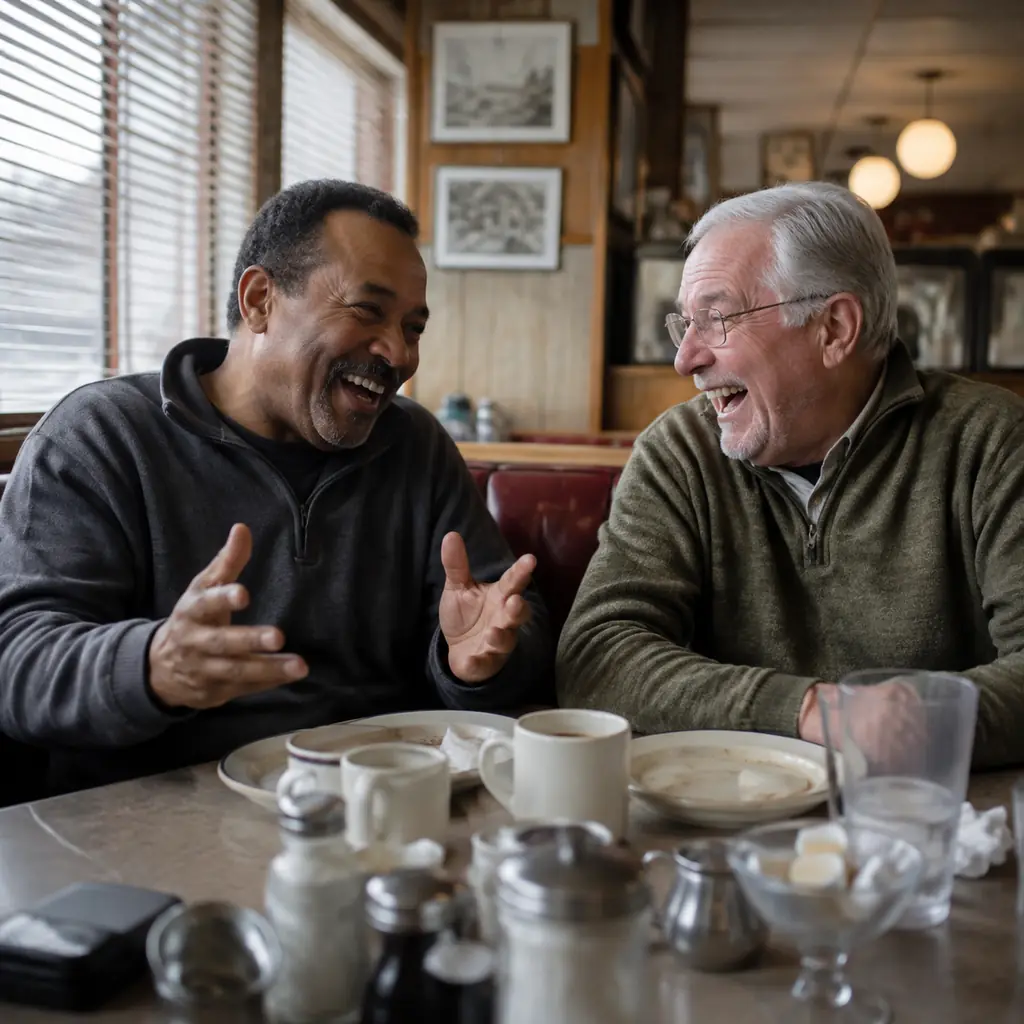
One coworker could say the name of an old copy machine and make the whole table laugh. A new acquaintance would need ten minutes of backstory.
That shared history can be hard to duplicate. You can keep some of it alive by asking one former coworker to breakfast and naming a day that works.
Leave room for news about their life now. The friendship can grow beyond the stories you already know.
3. The moment the shift was over
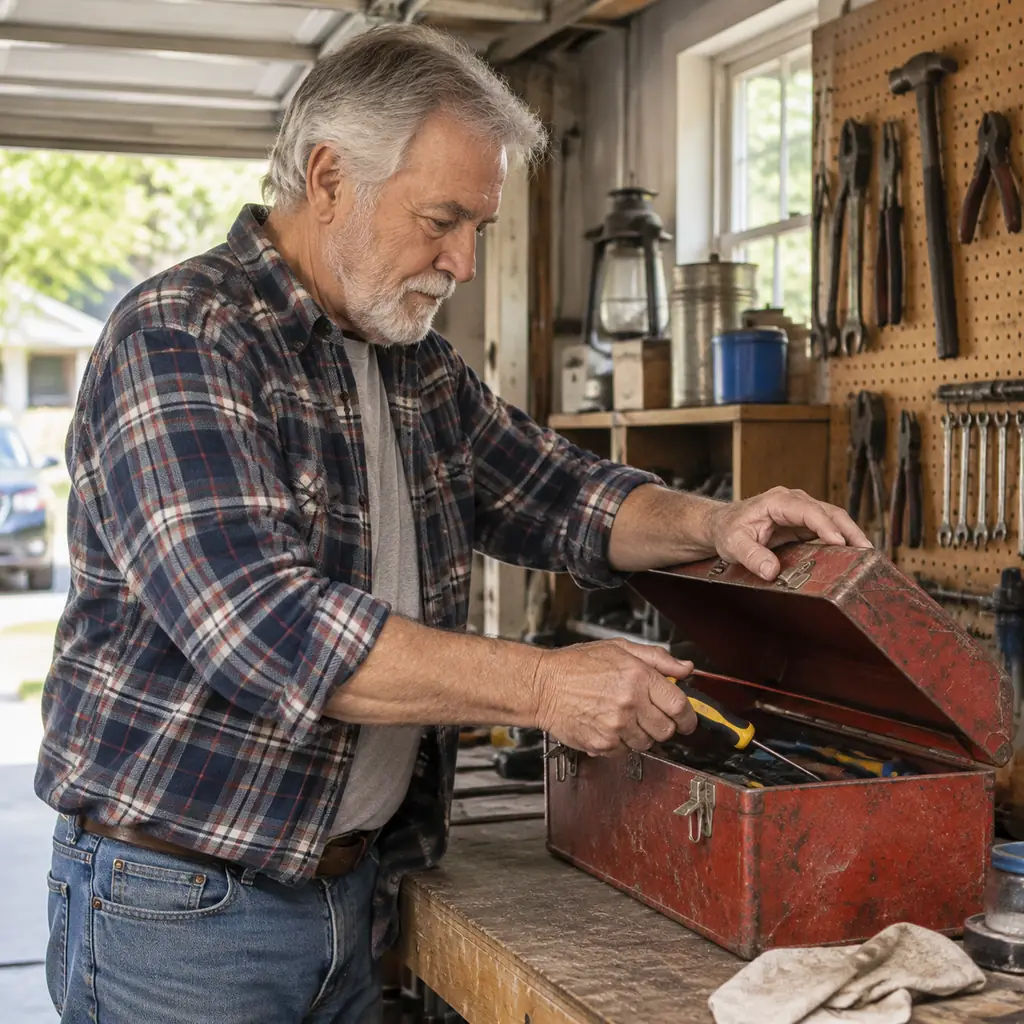
Someone locked the shop or took over your shift. The clock gave you a clean reason to put down what you were doing.
At home, the garage can keep calling after you've fixed the drawer you went in to fix. Pick a point when you want to be done before you start.
Put the tools away when you reach it. The rest of the room can wait for the next time you decide to work on it.
4. Being asked for your opinion
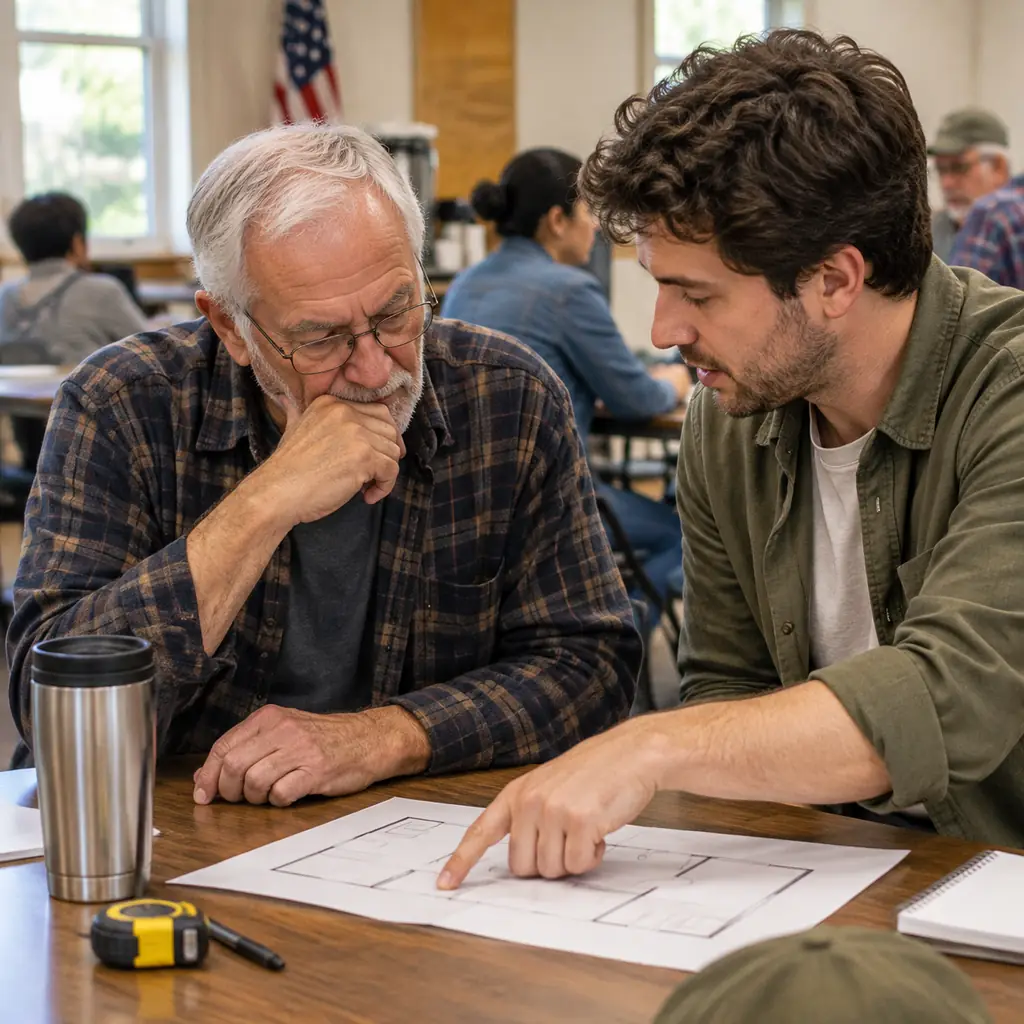
The question might have been small. Which delivery should go first? What did the supplier mean by that line? Someone trusted your answer because you had seen the problem before.
Notice which questions you were glad to get. Tell one person who could use that kind of help.
Offer to look at a specific choice with them and share what you see. You can give your judgment and leave the decision with the person doing the work.
5. An easy answer when someone asks what you do

A job title once did the work of an introduction. After retirement you may find yourself leading with the old title because the new answer feels too long.
Try saying what you do on an ordinary day now. It could be walking the river loop or learning to make bread.
There are more ways to describe a life than there are job titles. Building a fuller life after work can give you new details to tell people.
6. Running into someone without making plans

At work, some of your best conversations may have happened while you waited for the kettle. Nobody had to choose a restaurant or find a free Friday.
If you miss that easy contact, think about where the same people turn up each week. A market stall or a library group could give you a place to start.
The first conversation can be brief. Try making a second invitation when you see the person again.
7. Someone else deciding when the day began

Before retirement you could decide how you felt about Monday on the drive to work. Now a whole morning may pass while you are deciding what to do with it.
Pick one thing with a start time that belongs to you. Meet someone for a walk or go to the first showing.
A day with somewhere to be still has room for a slow afternoon. The start time just gets the morning moving.
8. Seeing yourself get good at something
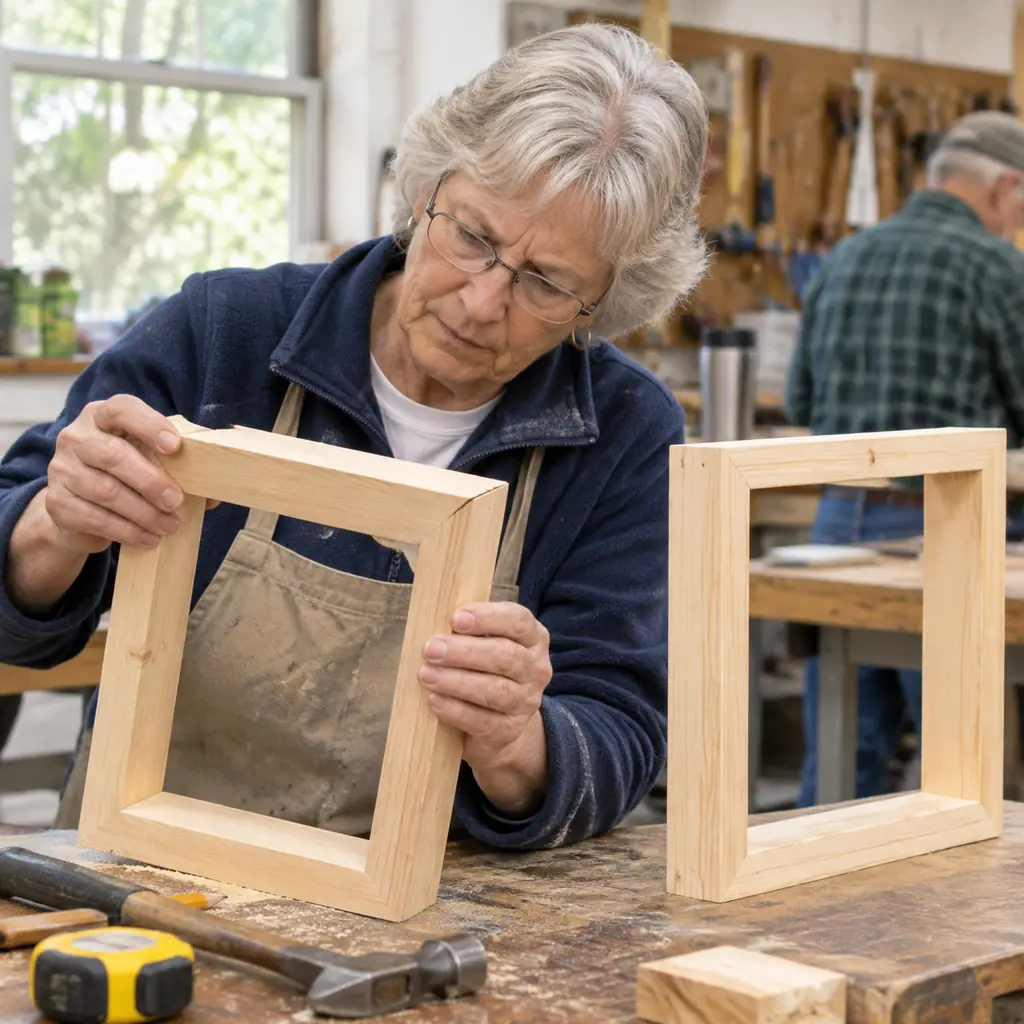
You may remember the first time a job felt easy that had taken ages to learn. Experience gave you a way to see how far you had come.
Find an activity where you can keep your first attempt. A crooked frame or a recording of your first piano practice will do.
When you start a retirement hobby as a beginner, pull that first attempt out in a month. You will have something concrete to compare.
9. Having an ordinary reason to leave the house

There may be little you miss about traffic. There may be a great deal you miss about seeing the bakery lights come on or having a few minutes to think on the way home.
Try going out for the part of the route you liked, at an hour you get to choose. It could be an errand, a short walk or time alone in the car.
Small routines can make the first year of retirement feel more familiar.
10. Knowing who would notice if you were away

Even on a forgettable day at work, someone may have noticed that your chair was empty. You might suddenly miss that kind of ordinary accountability.
Look for a place where you can be a regular. Try the same seat at a recurring discussion group, or take on a small job someone can count on.
If you choose volunteering with clear hours, ask who to tell when you need a week off. That is how a place starts to feel yours.
11. Being able to put a price on the time

A paycheck was money you could spend. It also marked what a week of time had earned. A volunteer shift or a day helping family can be worthwhile without feeling the same.
Ask yourself whether you miss the income, the feedback, or both. Those answers lead to different choices.
If you miss visible progress, keep a record of a project you care about. If you miss being paid, you can consider part-time work that fits retirement.
12. The particular thing worth getting back

For a week, write down the moment you find yourself thinking about work. Include the time of day and what you were doing. A pattern may become clear after a few entries.
A study of Dutch retirees considered income, work contacts, and status separately. The same distinction can give you somewhere to start.
Circle one thing on your list. Try one small way to get it back and see whether it is the part you were looking for.