What to Check in a Smaller Home Before You Commit
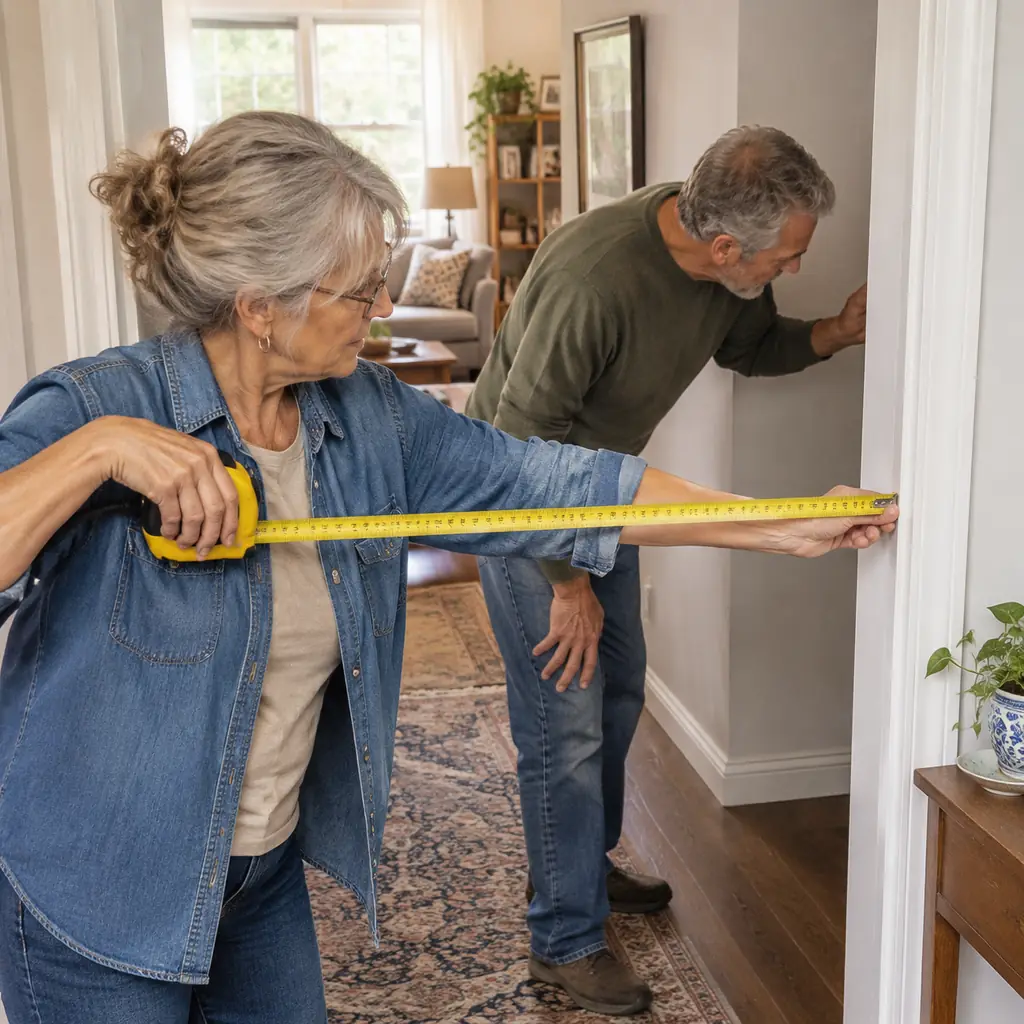
Take a tape measure and run through an ordinary day to find out how a smaller home would really work.
Editor's note: This walkthrough offers practical checks to make on a second visit.
Homes, buildings and household needs vary. Ask a qualified professional about accessibility or alterations. Images are for illustration purposes only.
Your favorite chair may fit the living room and still get stuck at the turn outside it. On a second visit, trace the jobs you do every day and take the measurements the floor plan leaves out.
1. The tight turn between the truck and the room
Bring the width, depth and height of the piece you most want to keep. Measure the narrowest open doorway and the turning space on the way there. Include the elevator and any landing where a furniture mover has to change direction.
Ask the mover to check the route before booking. Taking the legs off a chair might help, but some pieces cannot be taken apart without damage.
2. The path you take with two bags of groceries
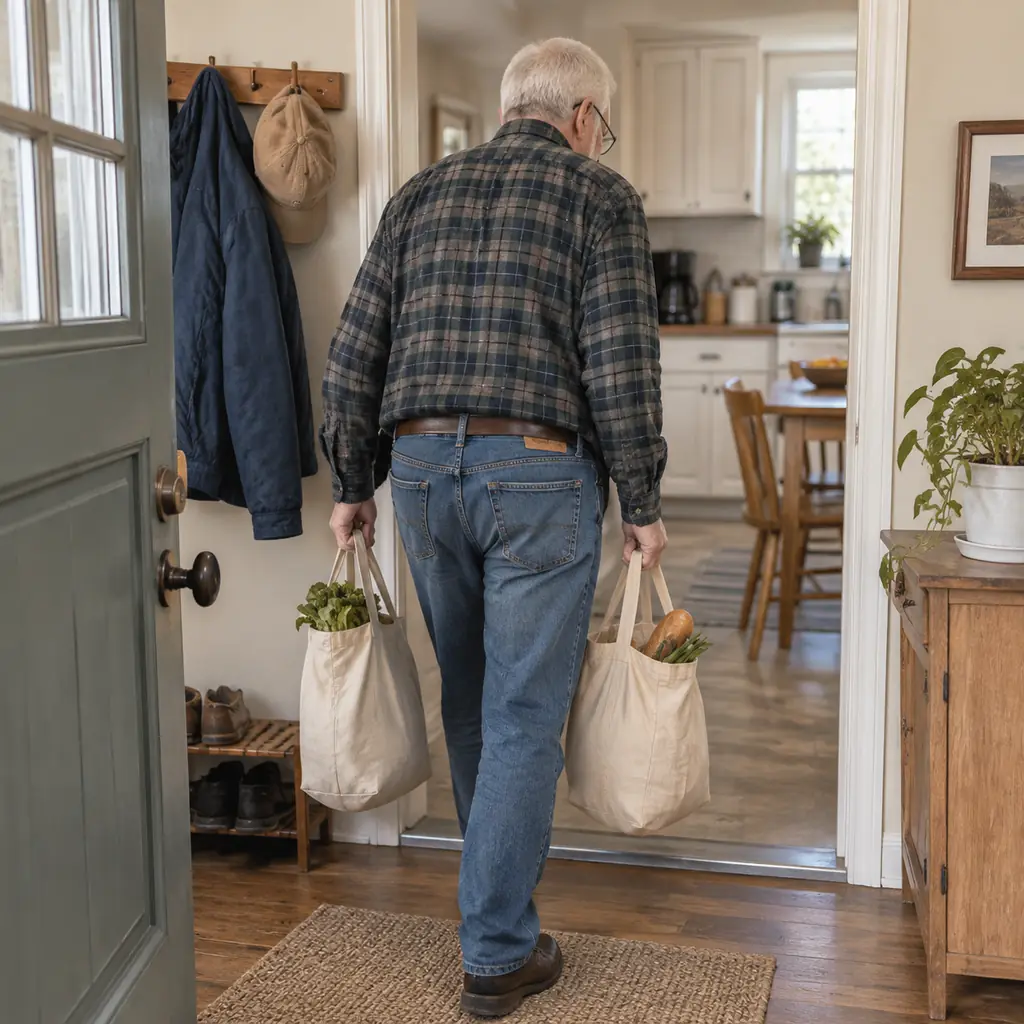
Walk from the actual parking spot to the kitchen. Include any gate, steep stretch, heavy door or place where you need a hand for a key. Look for somewhere to put both bags down while you unlock the door.
Walk the route at your usual pace. If you’d need to make several trips carrying a normal shop, decide whether that would still suit you in bad weather.
3. The space behind the chair at dinner

A small dining table can fit the room on paper while an occupied chair blocks the walk to the kitchen. Sit down, pull the chair out and ask someone else to go past.
Check the size of your own table, including any leaves you use. If you entertain a few times a year, decide where the extra people could sit before giving up a table that works well every week.
4. The laundry trip at the end of the day

Find the washer, dryer, hamper and spot where you’ll fold clothes. A stacked unit may save floor space while putting its controls higher than you find comfortable.
Imagine moving a damp load with the doors open. If the laundry is shared, check how far you’d carry the basket and when you can use the room.
Ask whether the machines in the listing stay with the home.
5. The actual route from bed to bathroom
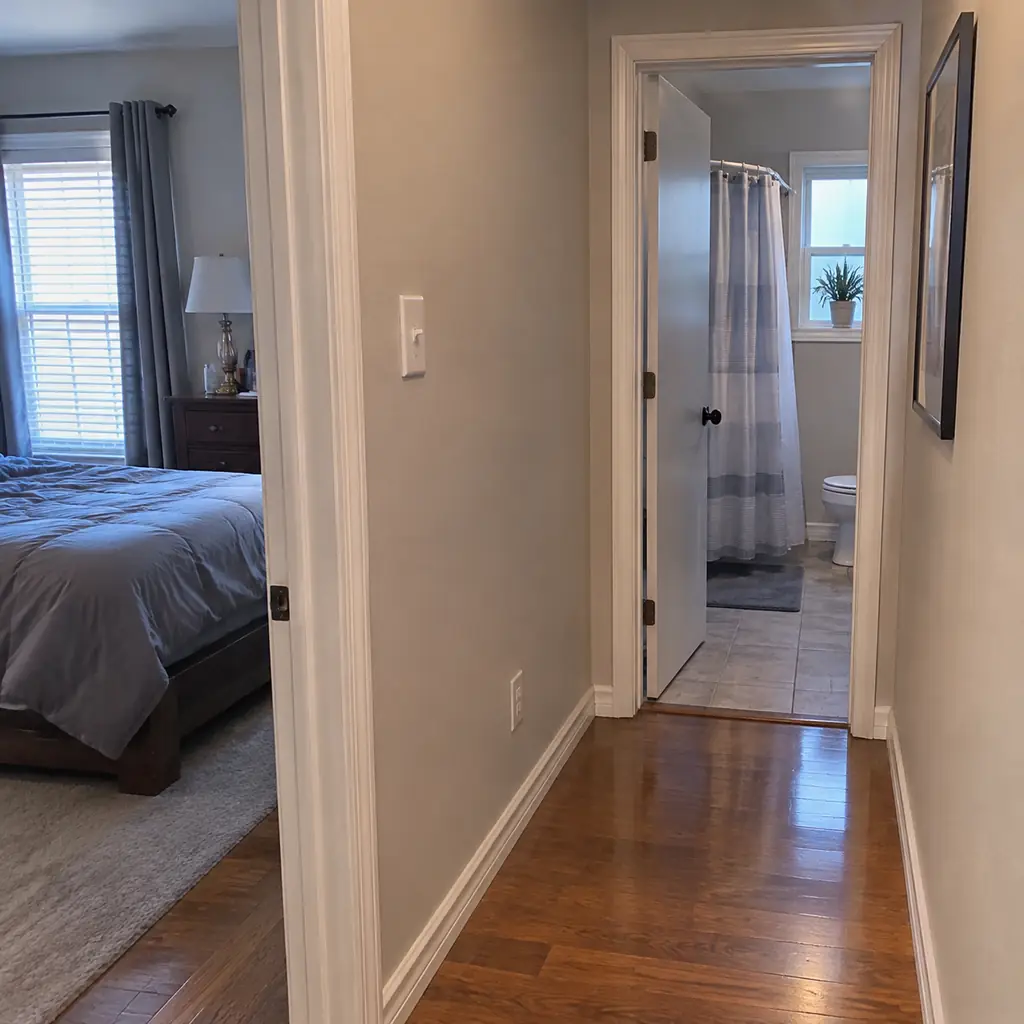
Walk this route with the arrangement you’d actually use. A robe hook, the swing of the bathroom door or a narrow passage beside the bed can make a difference every night.
Notice where you can turn on a light from each end. Read what to consider when planning a home for retirement if the same route is already difficult in your current home.
6. The drawer or shelf that will have to do two jobs
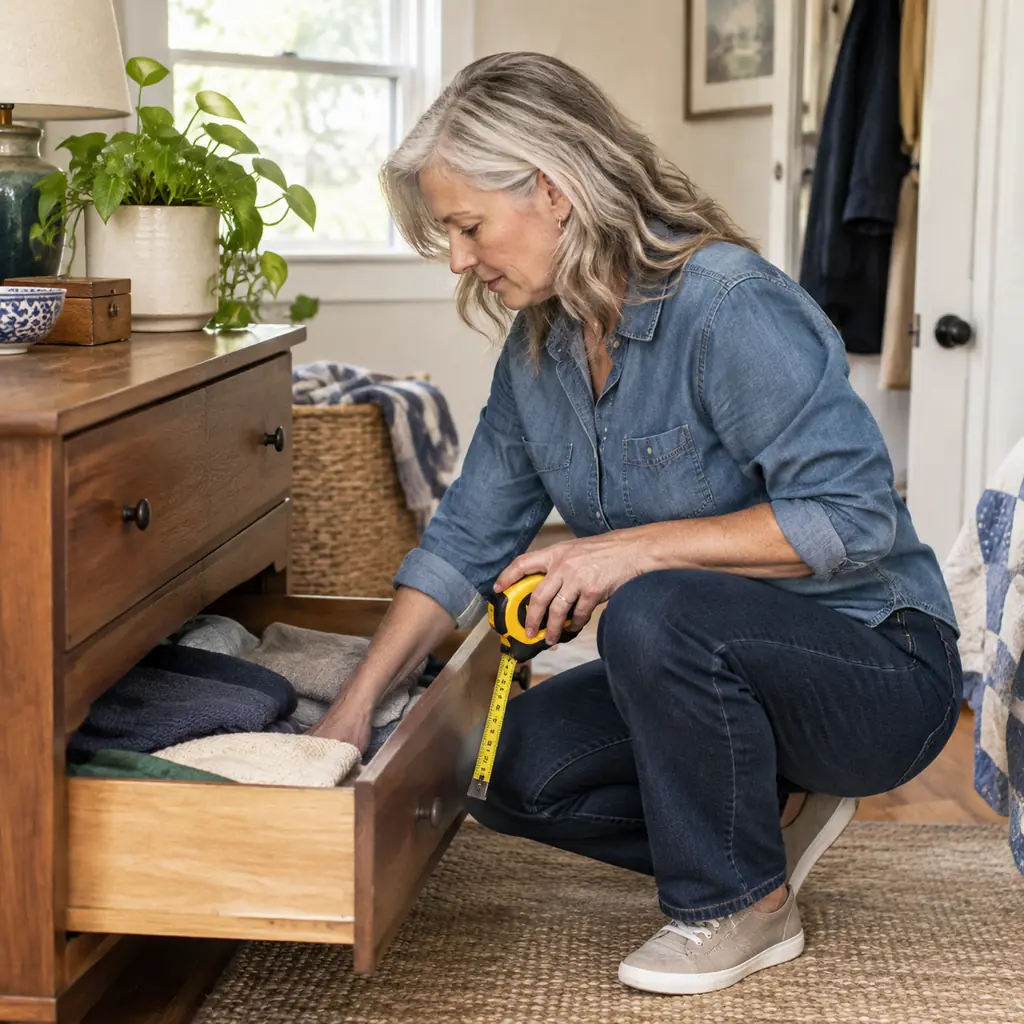
Name the everyday objects you want at hand, including a big pan, a laundry bin and extra bedding. Open the places where they’re supposed to go. Check the usable depth after allowing for hinges, drawers and plumbing.
If everything only fits by stacking it above head height, look again at your downsizing floor plan. Space you can reach counts for more than empty shelves you’ll avoid.
7. The sound when the windows are closed

Turn off any music and stand still for a minute in the bedroom. Listen for the elevator, garage door and traffic. At a second visit, try the hours when you’d sleep, read or make a phone call.
A place feels different on an ordinary weekday in a retirement town than it does during a scheduled showing. Ask whether you can also hear the room with the windows open.
8. The place where visitors take off their coats

Picture the last time you had company. Imagine where those visitors would put their bags, sit down, use a bathroom and charge a phone in this place. If someone stays overnight, lay out the space a bed would take.
A small home can work for visits near family if you make a deliberate plan. You’re checking your kind of visit, which might be a two-hour lunch or a full weekend.
9. A spot where an unfinished project can stay out
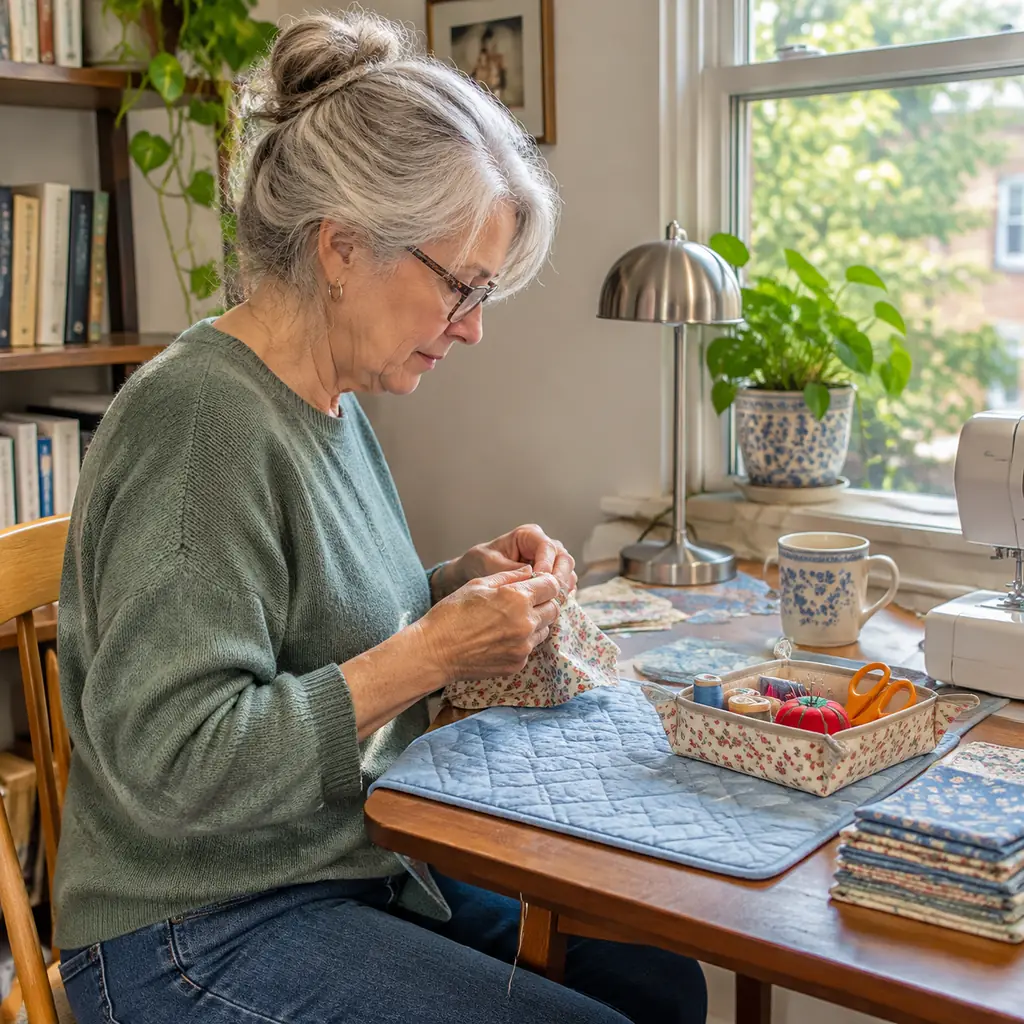
Mark out the space for whatever you do with your hands. A jigsaw, sewing project or half-painted model needs somewhere to wait between sessions. If you clear it away every time you eat, you may use it less.
Try the measurements from a hobby corner that stays ready in the new spot. Check how far you’d carry the supplies before deciding it works.
10. What a change would need permission to fix
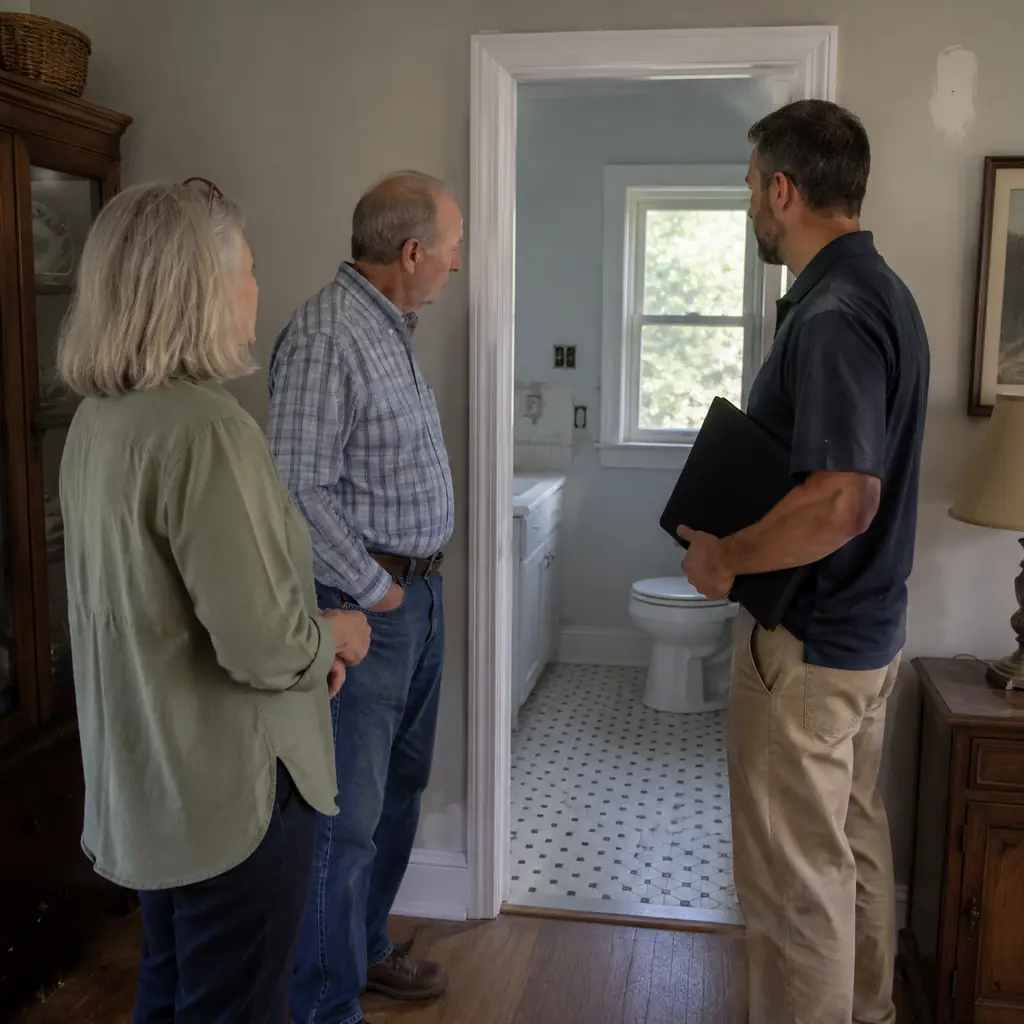
Record each change you assumed would be easy, such as switching a door’s swing or adding lighting by an entrance. Ask who can approve the work and whether the agreement needs to be in writing.
Have the actual conditions checked before relying on any alteration. The examples in this guide to home upgrades can help you write better questions for a qualified installer.
11. The least convenient trip to the trash

Walk to the trash and recycling at the end of your visit. Find out whether there’s a short route at night and how many doors you need to open. If bins go to the curb, ask who brings them back.
Keep this on the same list as groceries and laundry. Small trips repeat often enough to matter, especially when your hands are full or the weather’s bad.
12. The check you couldn’t finish

Take your notes outside before talking yourself into a solution. Mark what you actually measured, what someone told you, and what you still need to see.
Give the uncertain thing a next step. Ask to see the parking space after dark or get the mover to look at the hall.
A second visit is doing its job when it leaves you with one good question you can answer before committing.