Retirement RV Regrets That Start After the First Road Trip
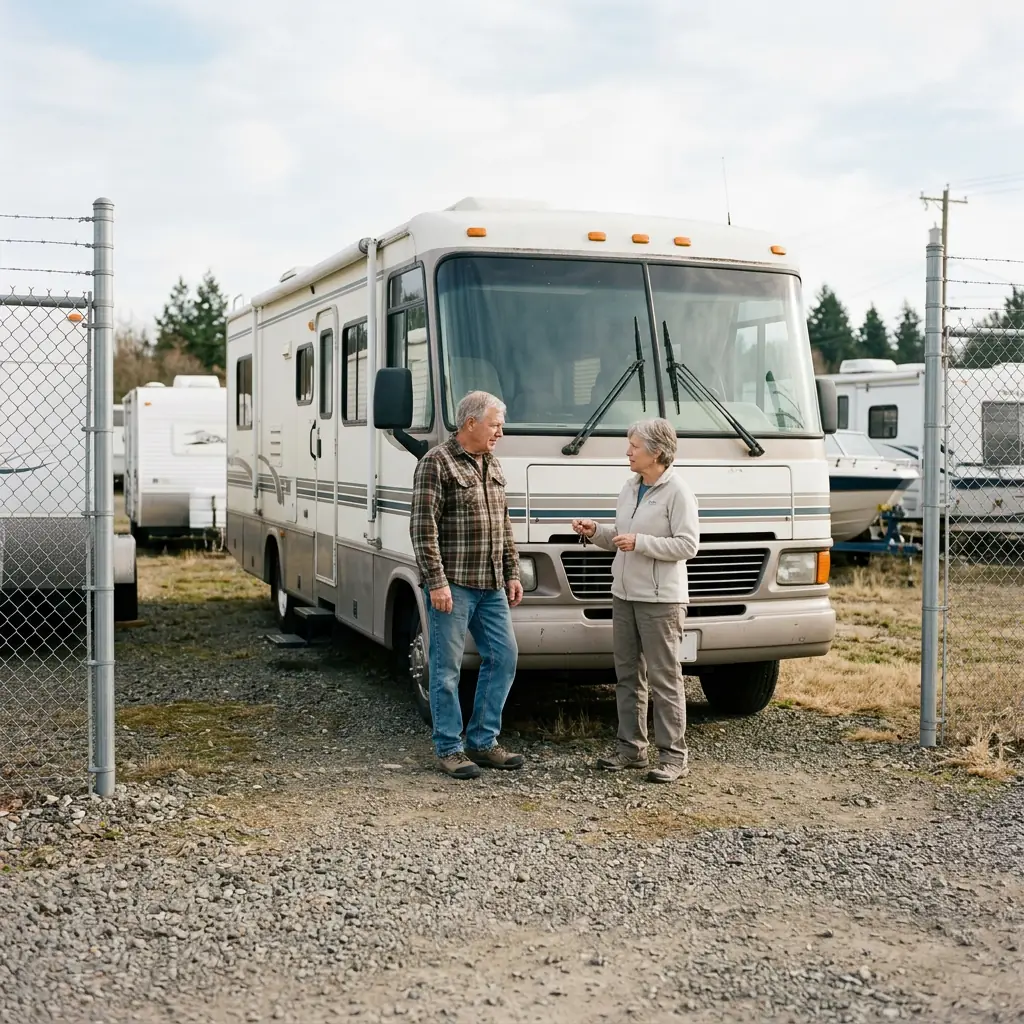
The RV you fall for on the dealer’s lot can look different after a wet weekend, a tight campsite, and a month in storage. Start with the trips you expect to take and test the parts of ownership that come between them.
The storage bill between trips
Get quotes for a space that fits the actual rig and check access hours. Include the drive to collect it each time you want to leave.
The backing maneuver you never practiced
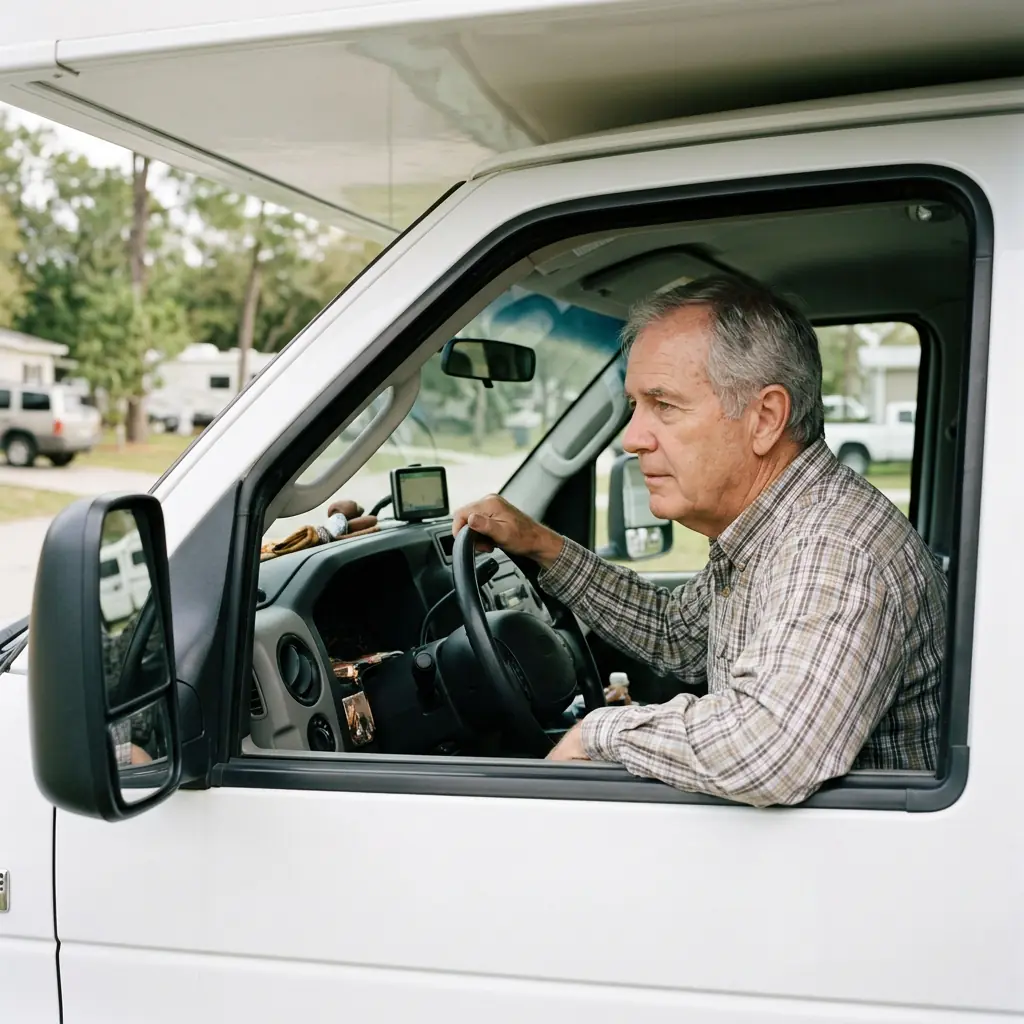
Ask to practice in an open lot with the person who will help on trips. Agree on simple signals and see what you can see in the mirrors.
The bathroom you only looked into
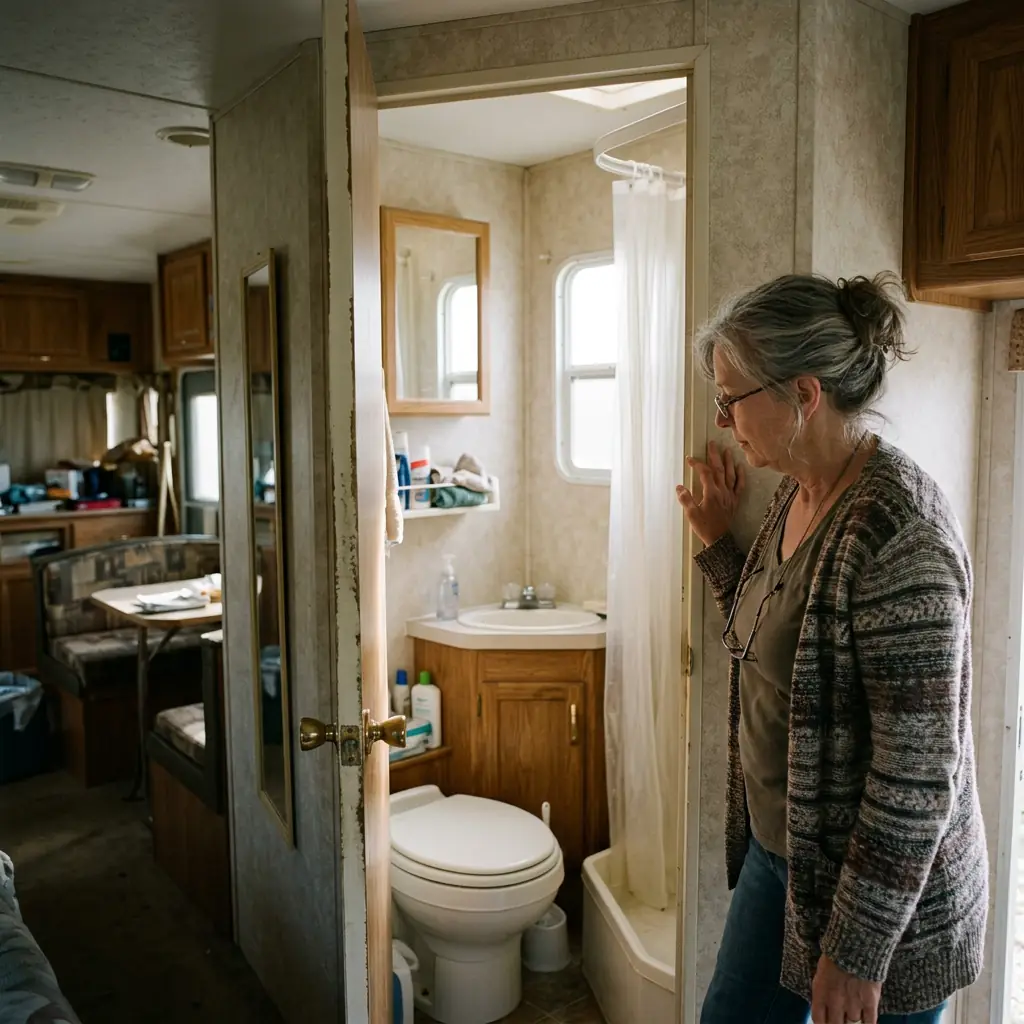
Close the door and try the route to the sink and shower. Check where towels and clothes would go without getting wet.
The route that looks easy in a car
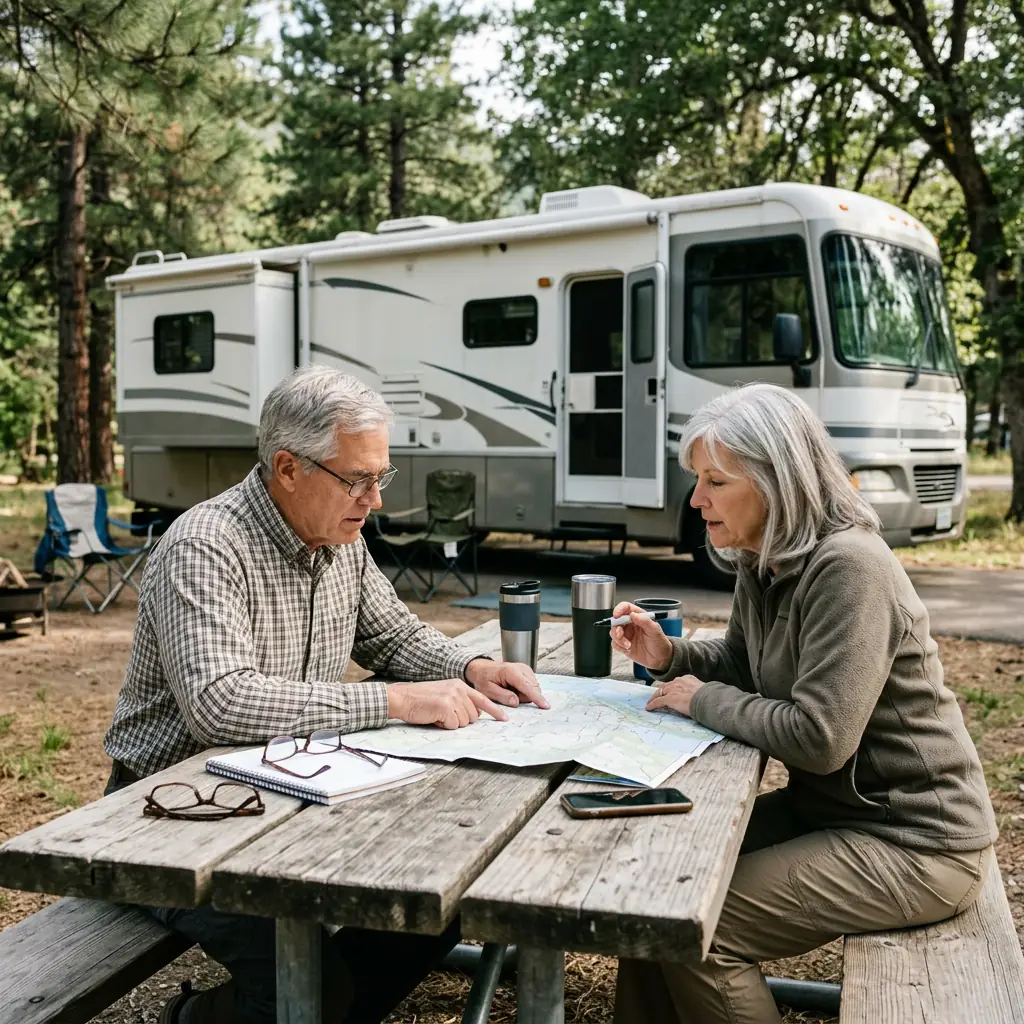
Trace a familiar trip with the rig’s height, length, and turning space in mind. Look at fuel stops and arrival roads as carefully as the campground.
The bed you have to climb into
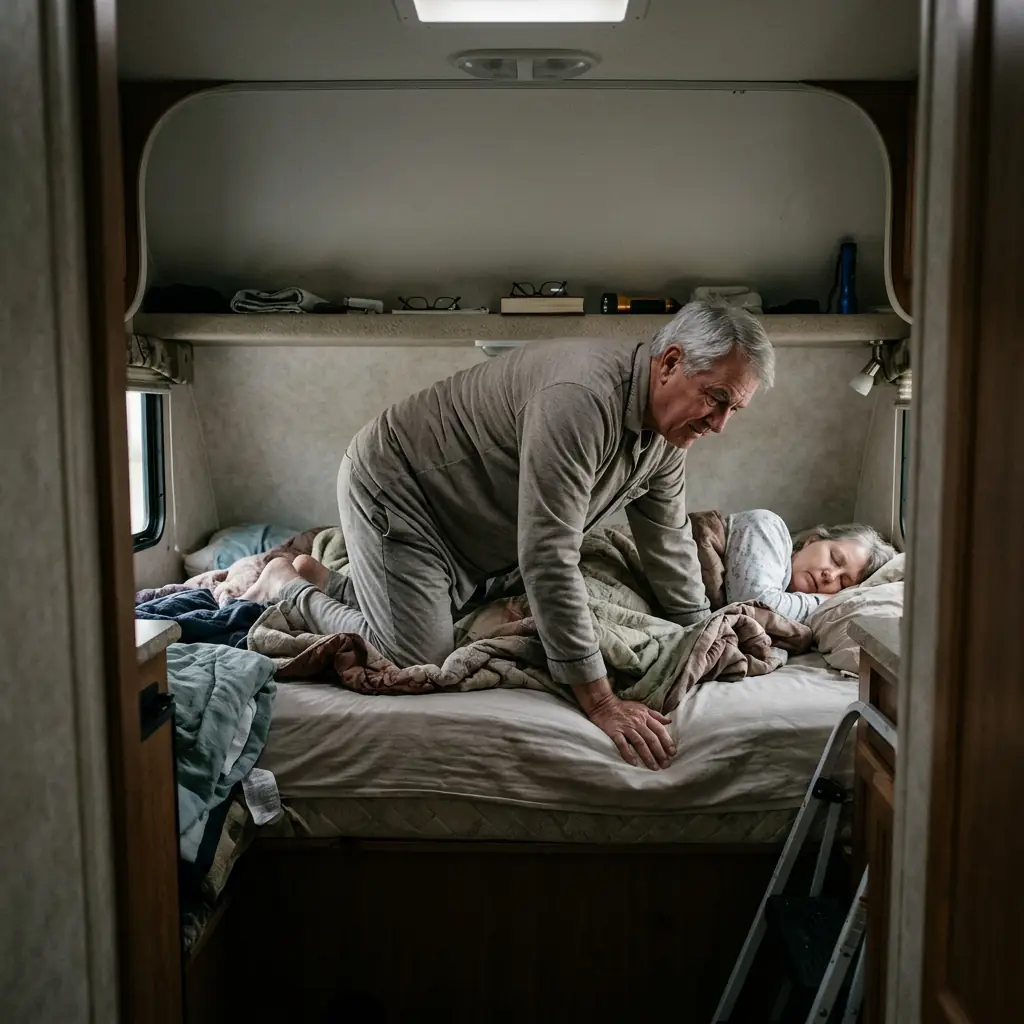
Try getting in and out from both sides in the viewing. Picture making the bed and getting up in the dark while someone else is asleep.
The kitchen you can't both use
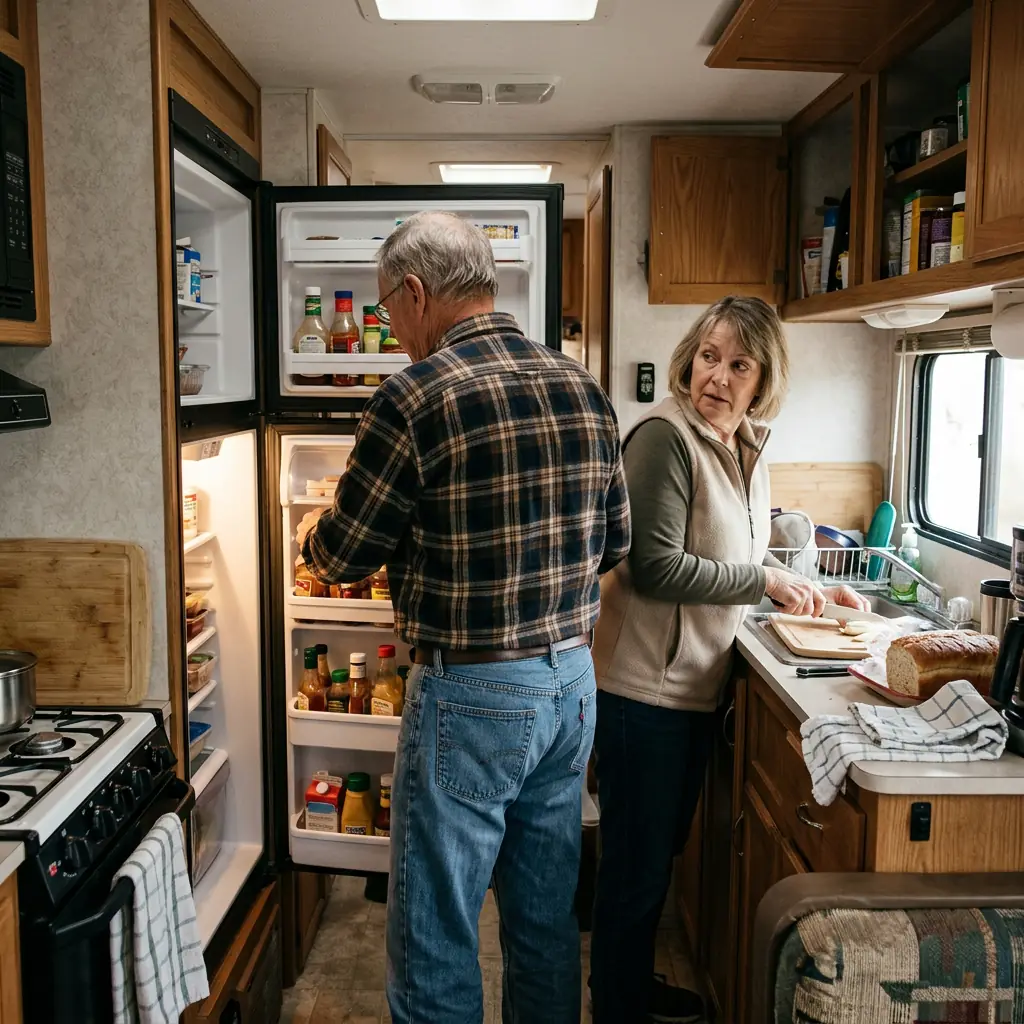
Stand in the aisle with another person while the fridge is open. Find out whether one of you can pass while the other prepares food.
The couch you sit on when it rains
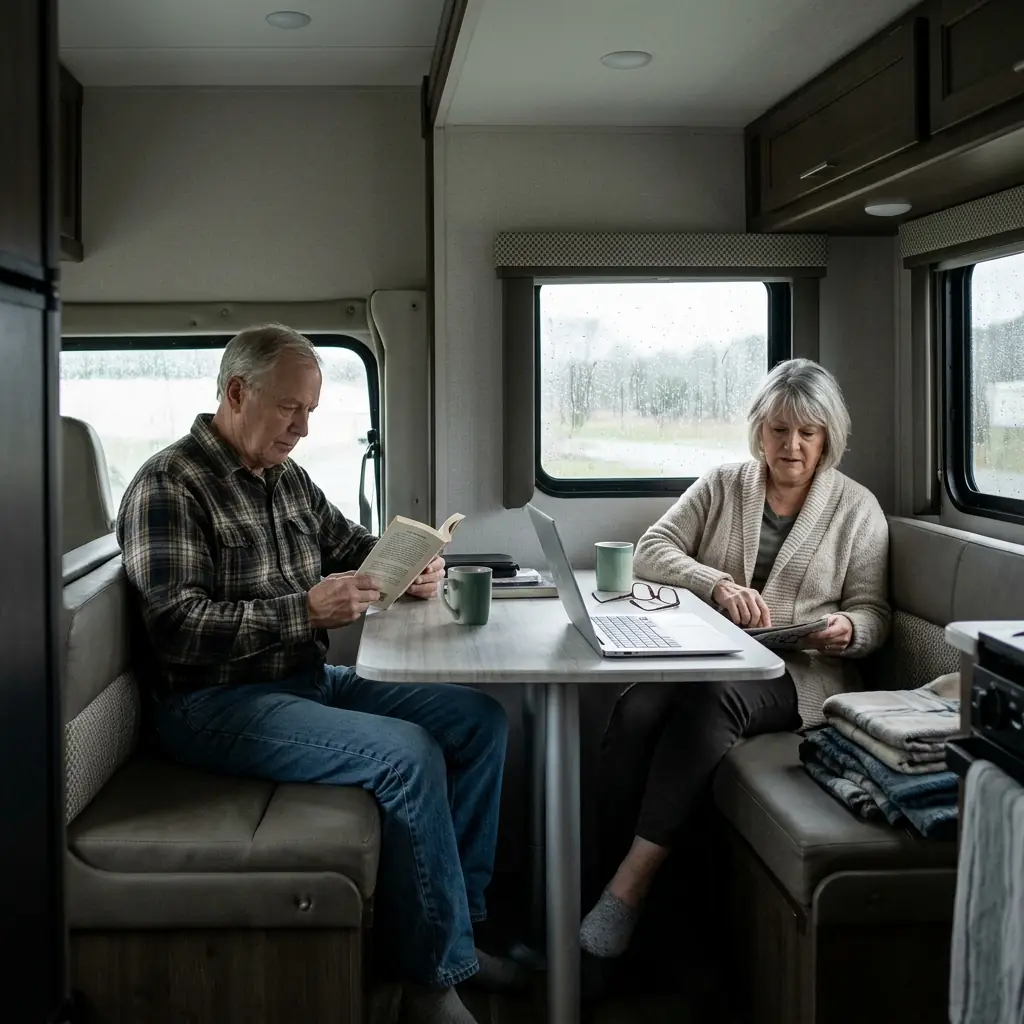
Spend time on the seating with the table up and the slide where it would be on a rainy day. Notice whether you can both sit somewhere comfortable for an hour.
The campground space you thought would fit
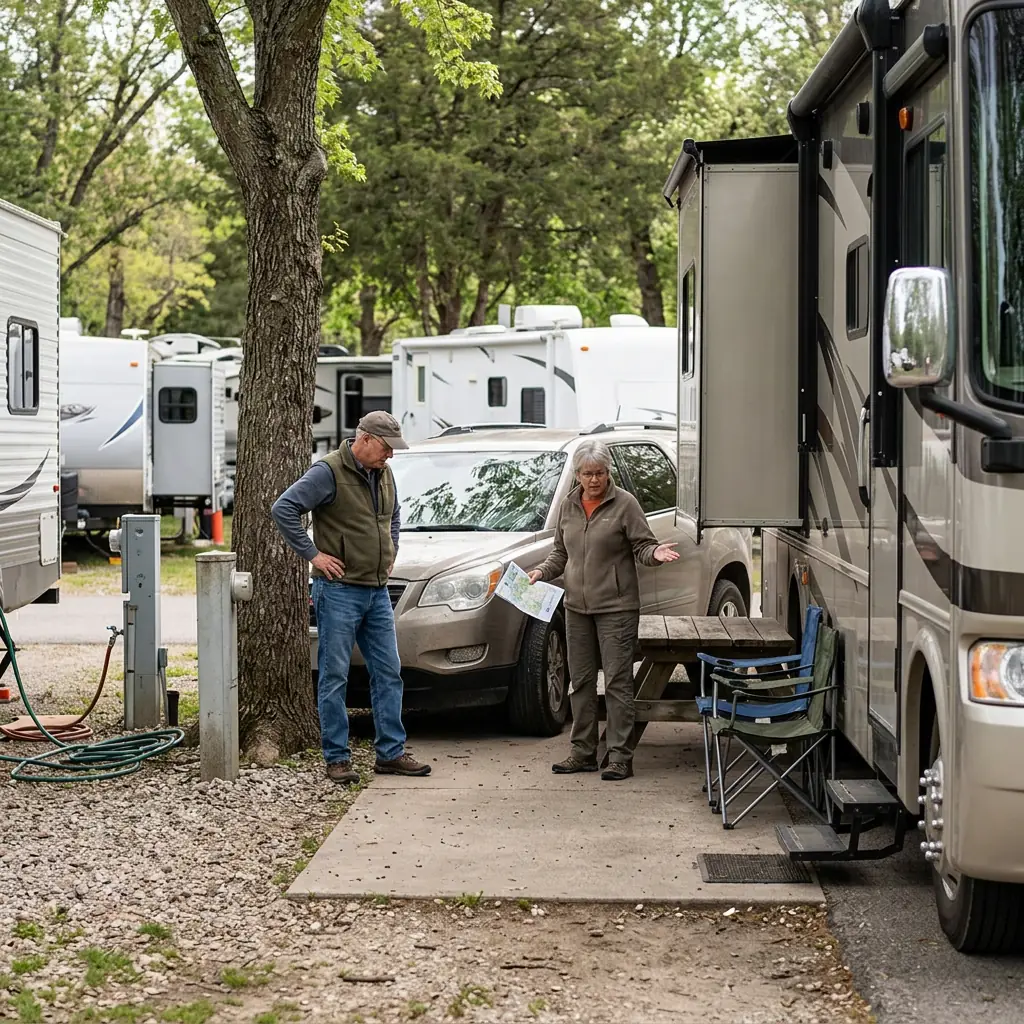
Check booking details for length, height, and site access. Ask whether your rig fits with its slides out and another vehicle parked beside it.
The power you assumed came with the site
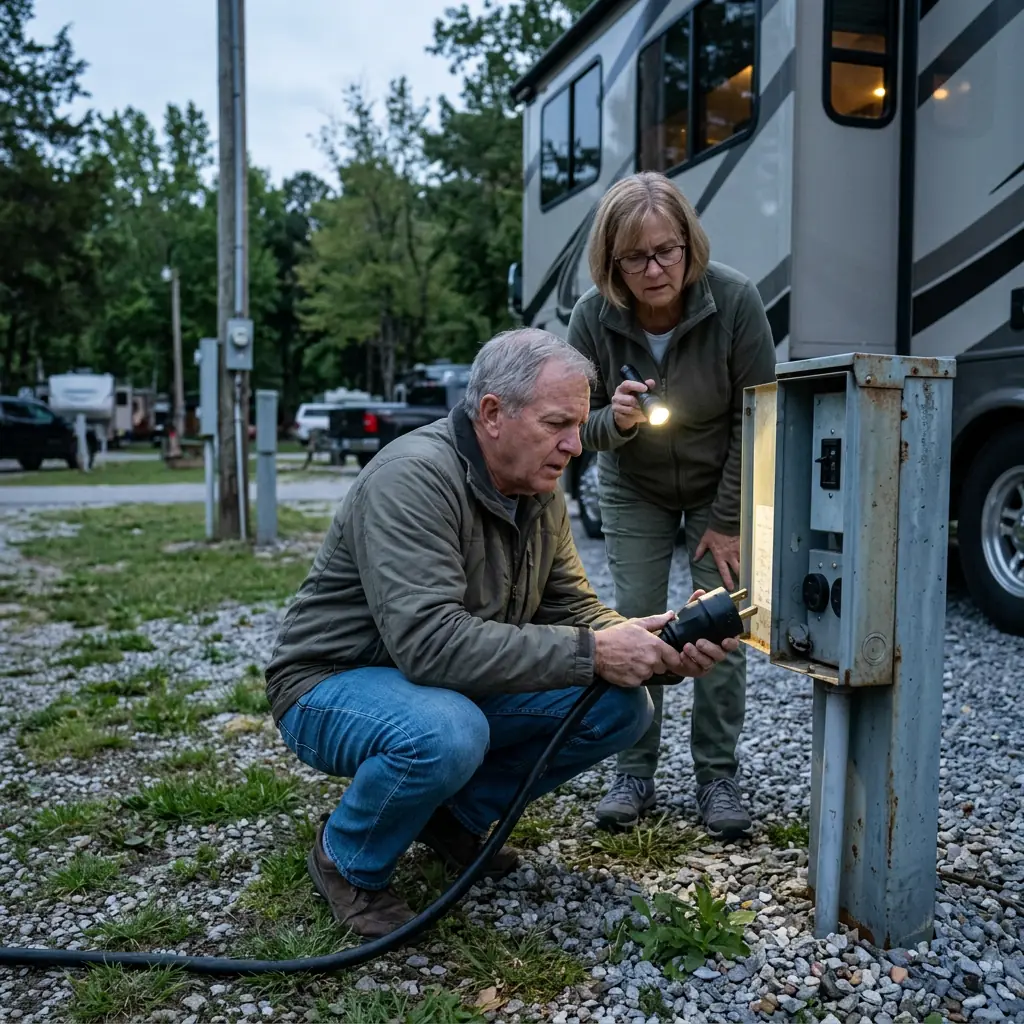
Check what the site provides and what your rig needs. Ask for a demonstration of the basic connections before trying them at a late check-in.
The waste hookup you never saw demonstrated
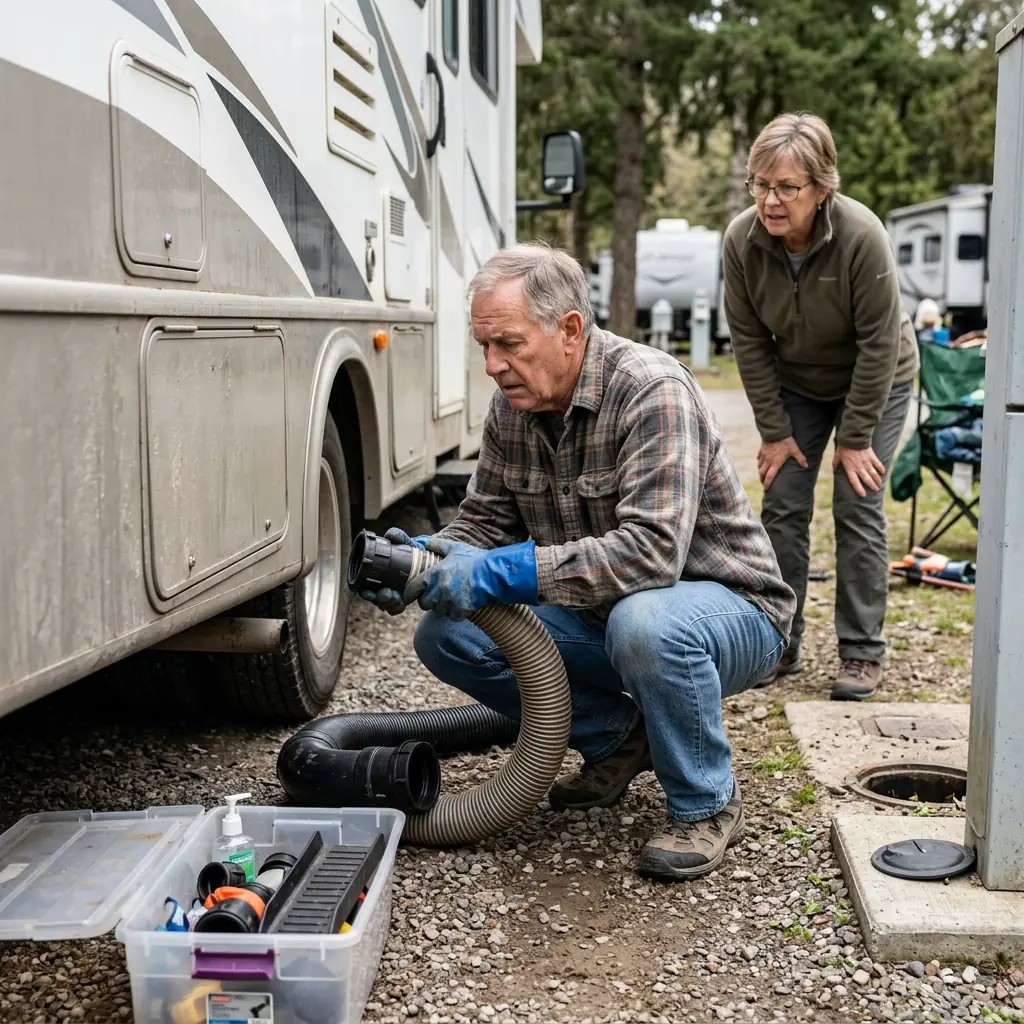
Ask to be shown the steps using the equipment supplied with the RV. Practice with someone experienced so you know where to store and clean it afterward.
The drawer that opens on the road
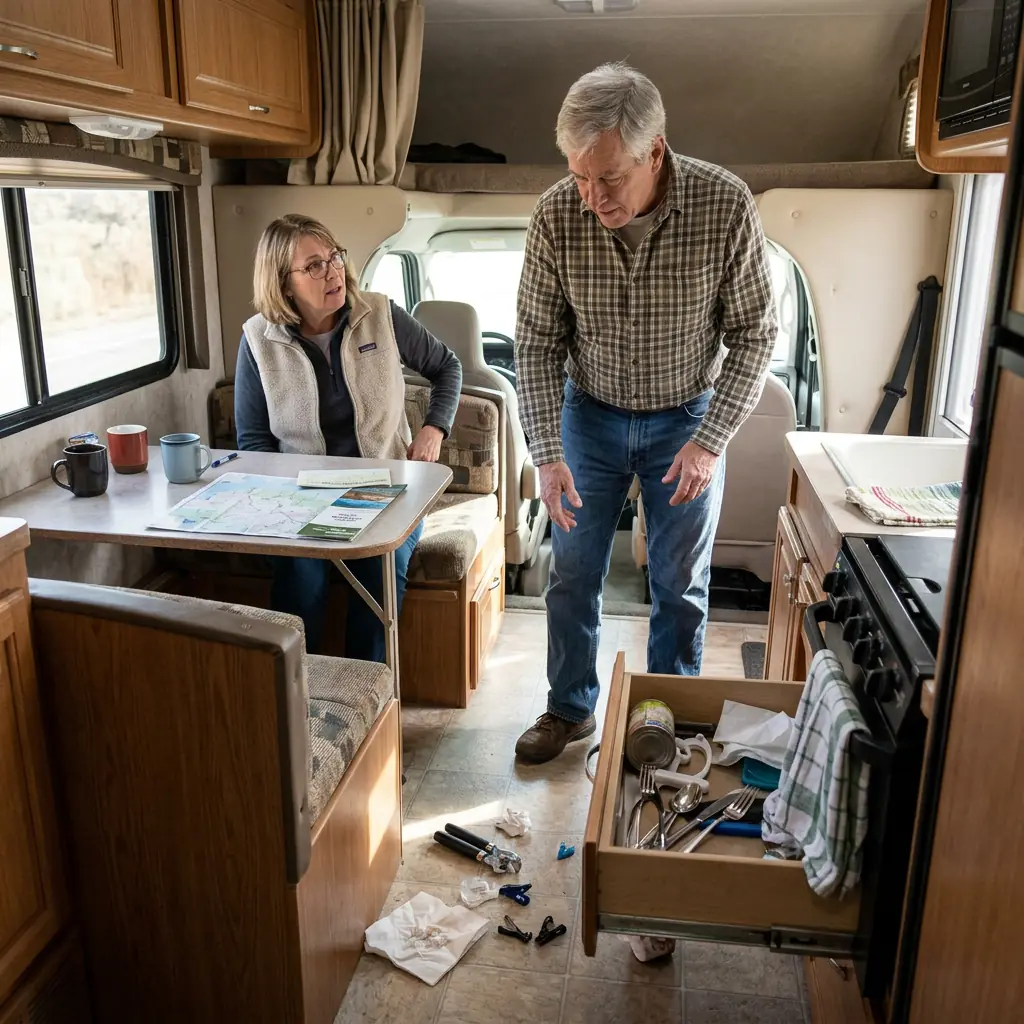
Look at how cupboard doors and drawers latch. Put away the ordinary things you would carry before your first short drive.
The gear you carry without weighing it
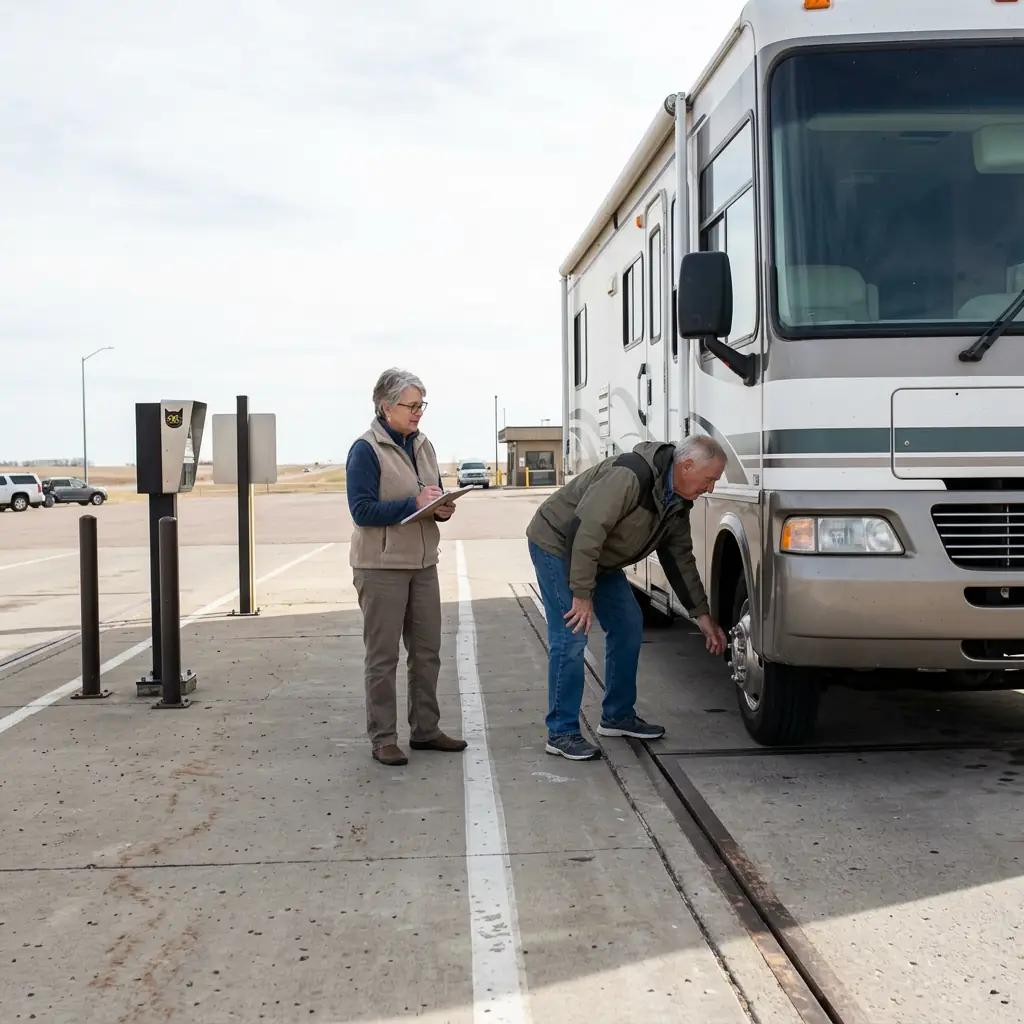
Ask how to check the rig’s loaded weight and what limits apply to your vehicle. Include water, passengers, and the gear you are likely to add later.
The trailer your daily car can't comfortably tow
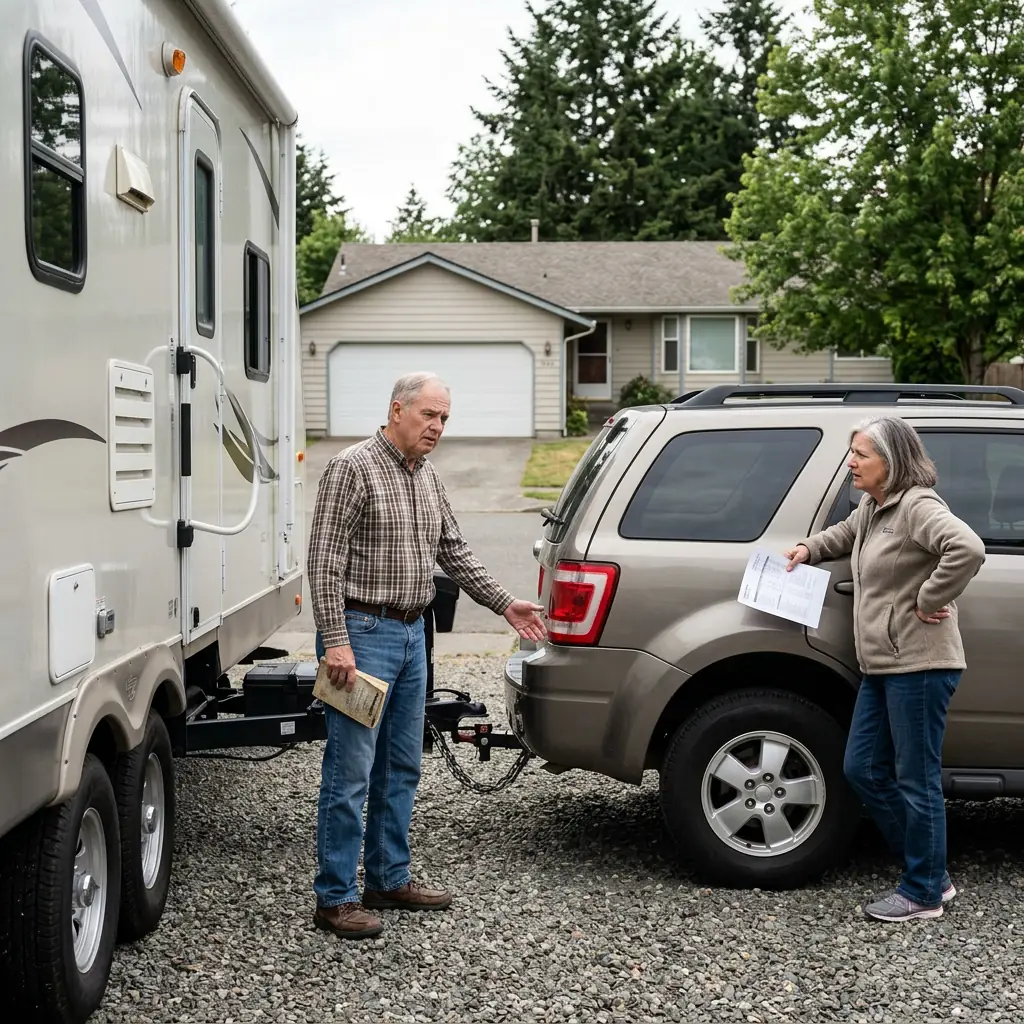
Check the tow vehicle and trailer manuals for their limits and talk with a qualified specialist. Ask them to explain the setup using your actual vehicle and expected load.
The repair shop that won't take your rig
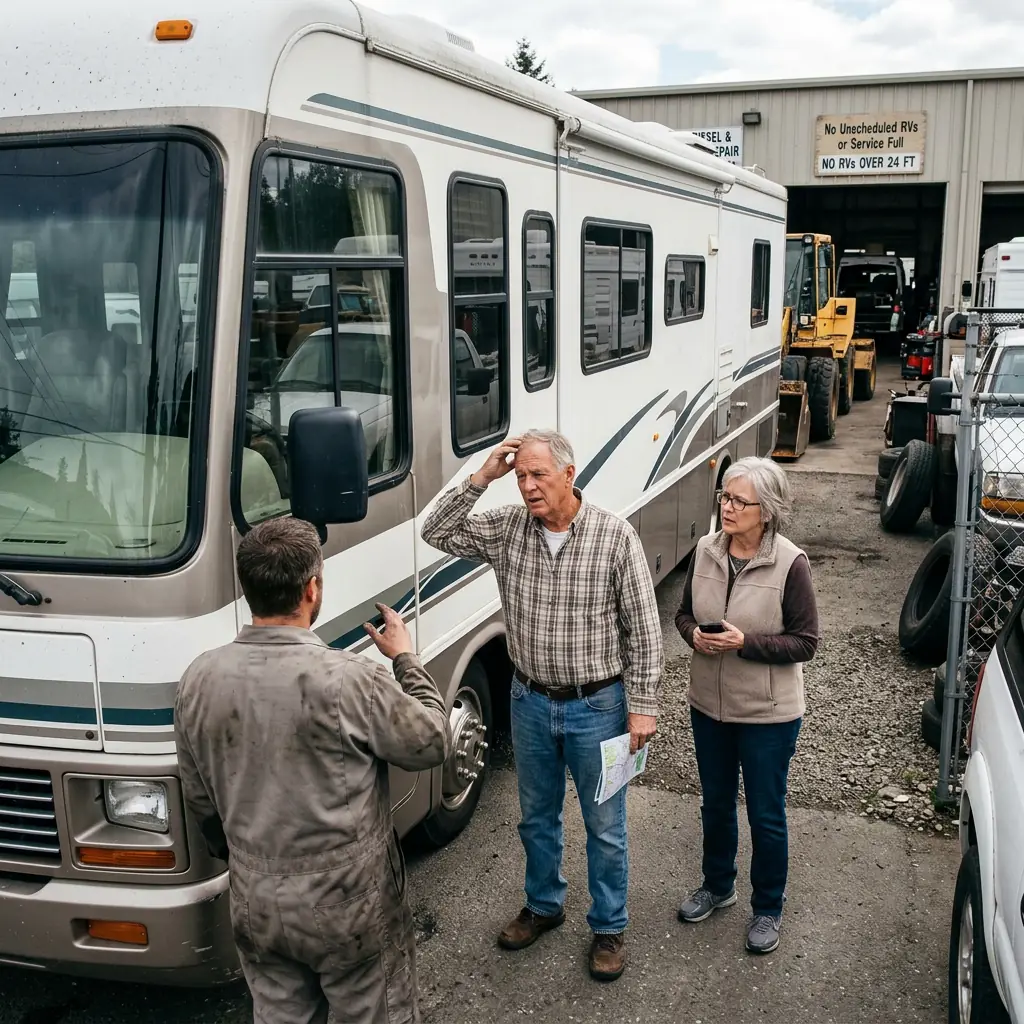
Call the shops near home and ask which work they handle and how appointments are booked. Know where you could wait if a trip is interrupted.
The roadside plan you read after breaking down
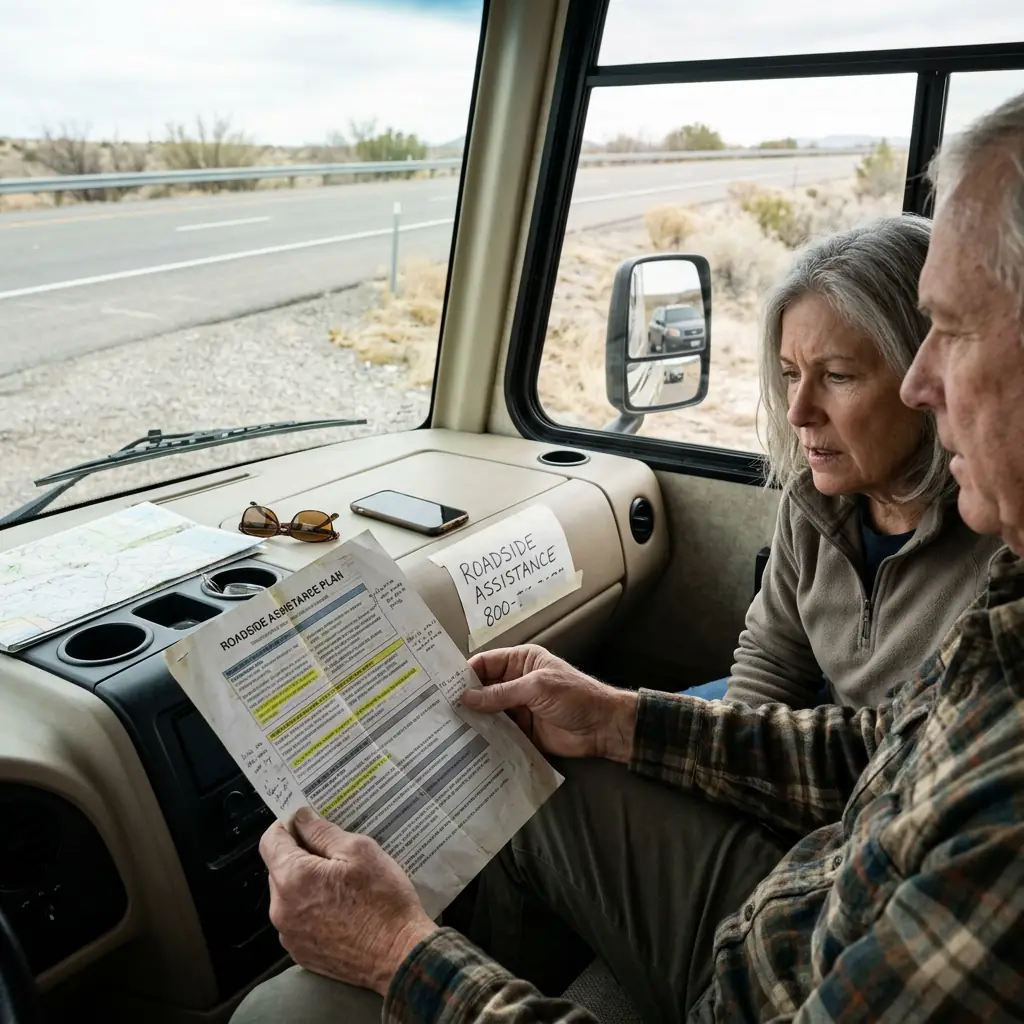
Ask what the service would do with your specific rig and any trailer or vehicle attached. Save the number where both travelers can find it offline.
The step into the rig that feels taller at camp
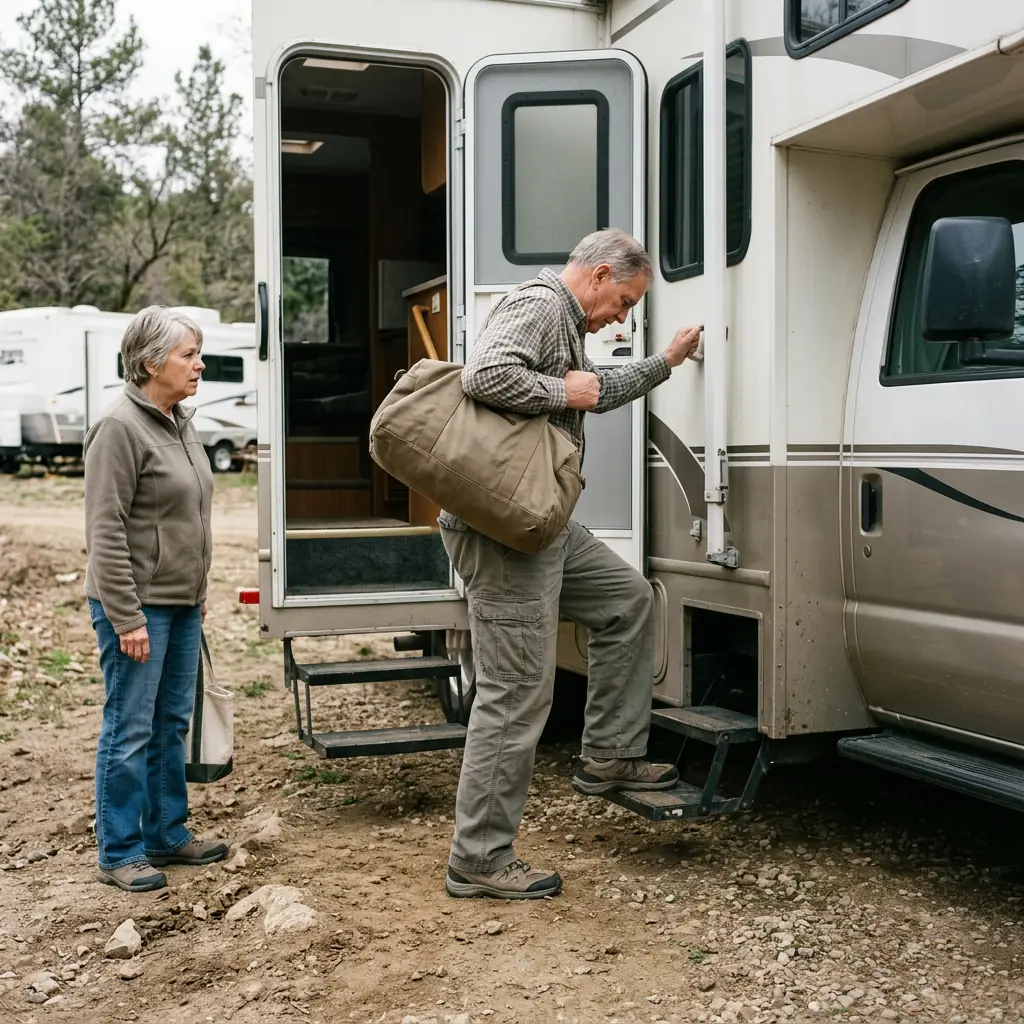
Try the entry at the dealer and check how it changes on uneven ground. Ask how the step operates and where you can hold on while carrying a bag.
The noise you only hear when it is running
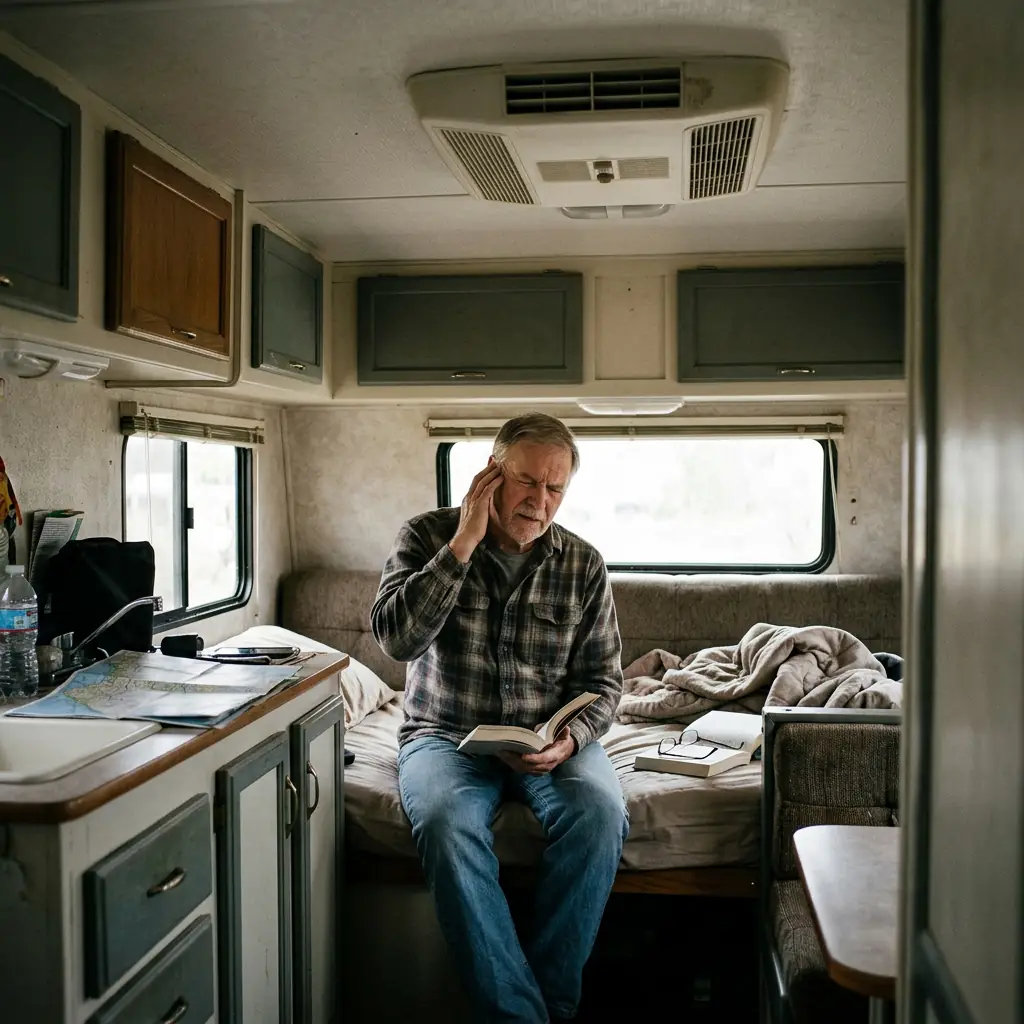
Ask for a demonstration of the air conditioner and any generator. Sit where you plan to sleep or read and listen to how loud they are.
The storage hatch you can't reach easily
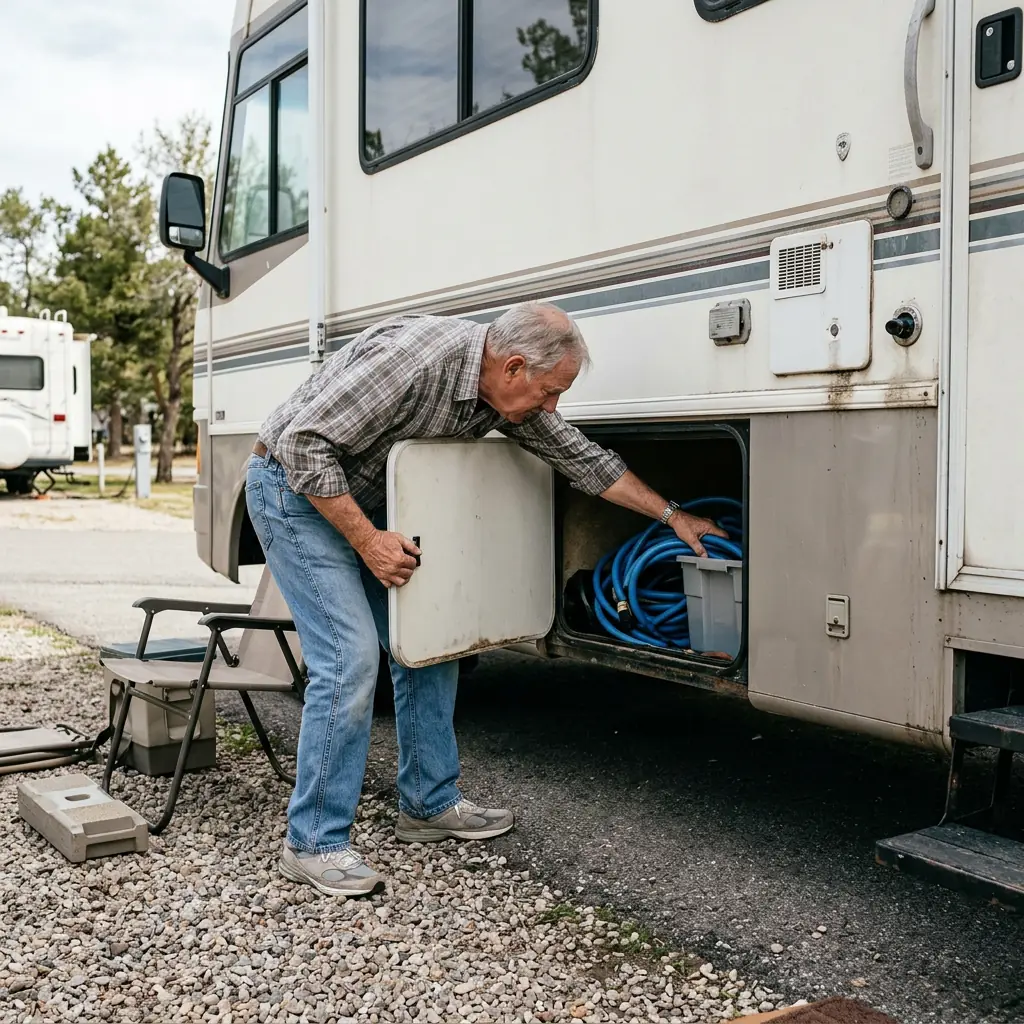
Try opening the hatch and lifting out a typical item. Decide which equipment you could realistically move without asking someone else every time.
The seat belts you didn't count
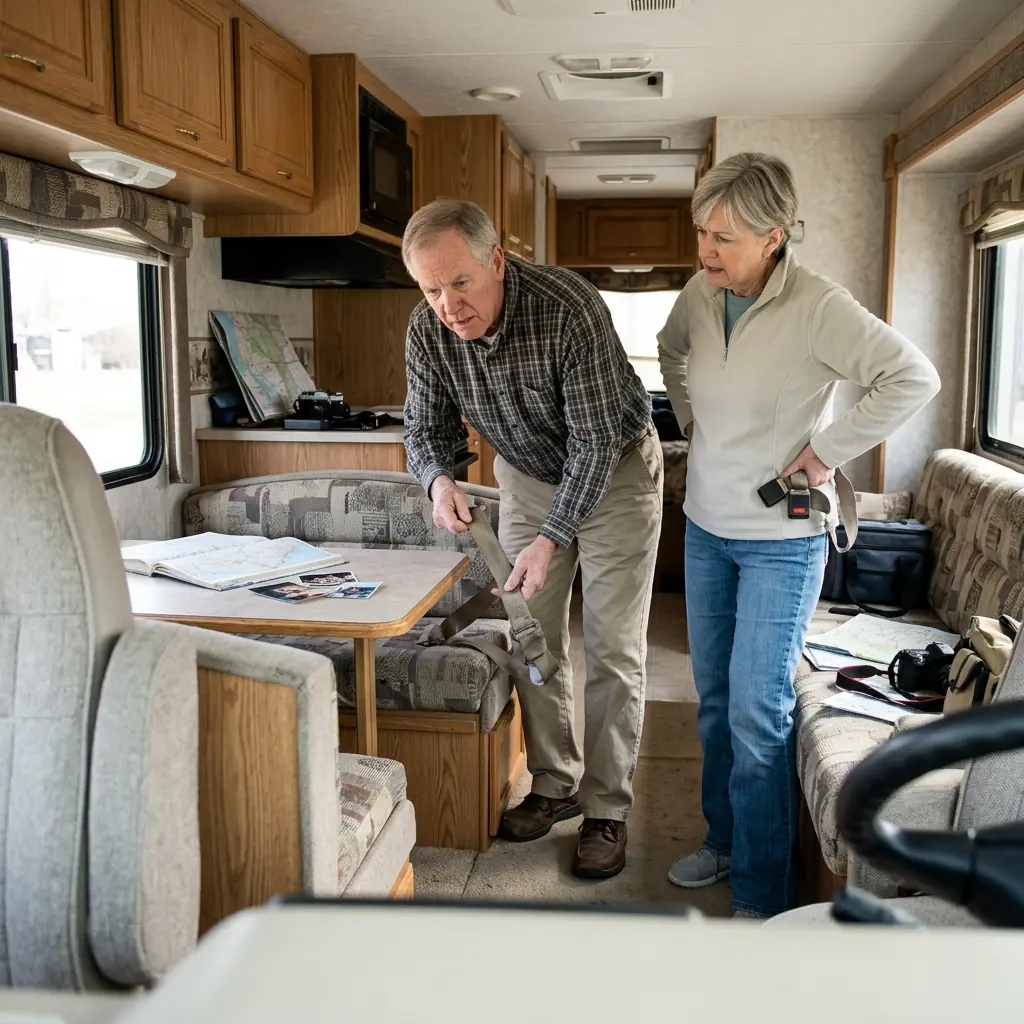
Find the designated seating positions and verify which have restraints. Make the passenger plan before inviting family on the first drive.
The camp you reach after the office closes
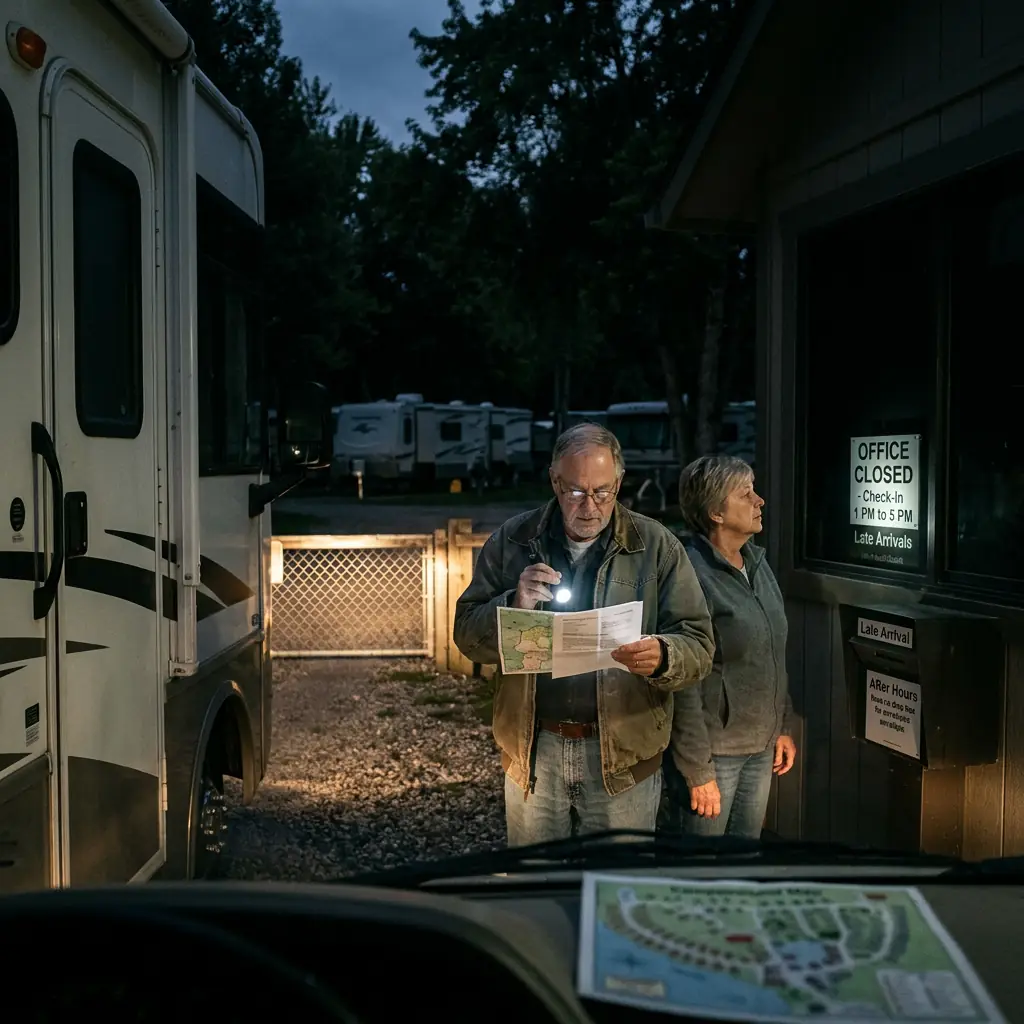
Ask how late arrival works and check where you would wait if you cannot enter. Carry the site map and reservation details offline.
The rig that won't fit beside the house
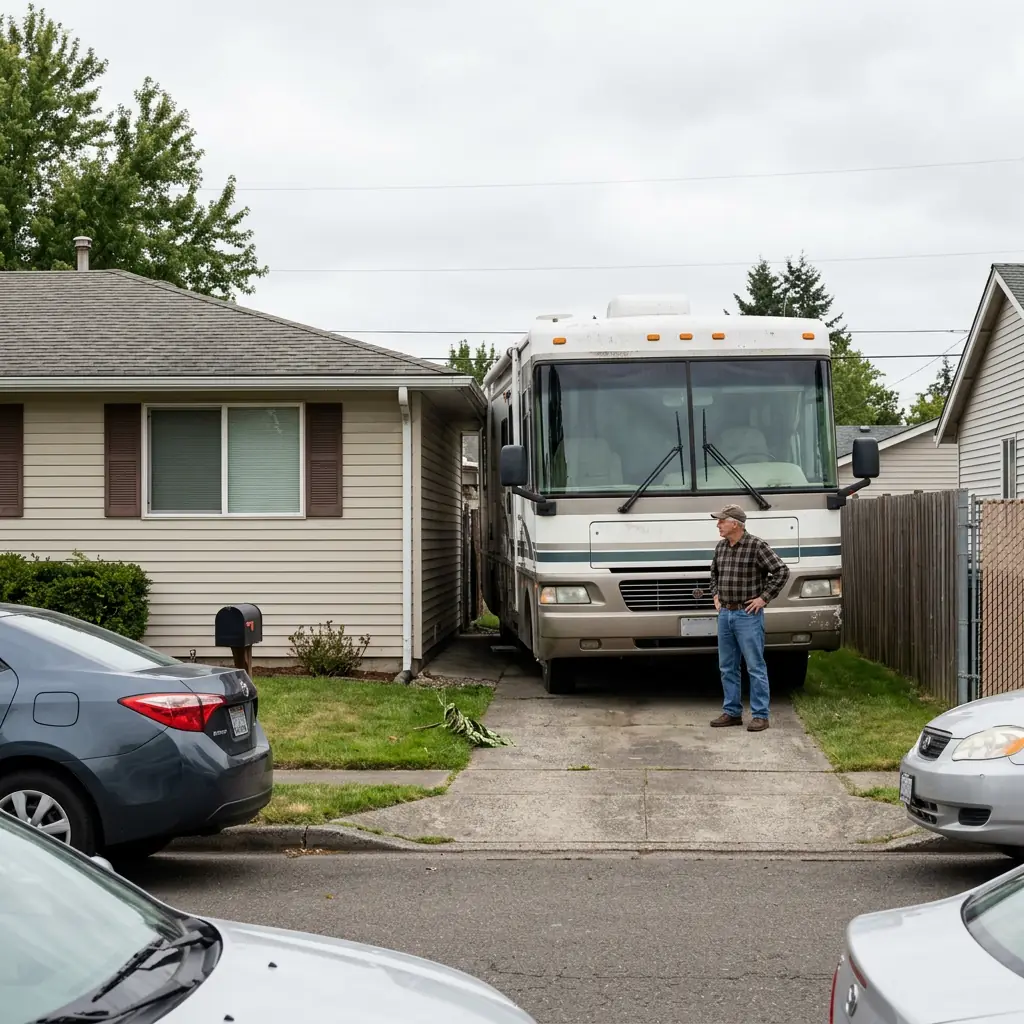
Measure the driveway and check access from the street with parked cars in place. Ask about any local or association rules that apply where you live.
The overnight stop that turns into a full day of packing
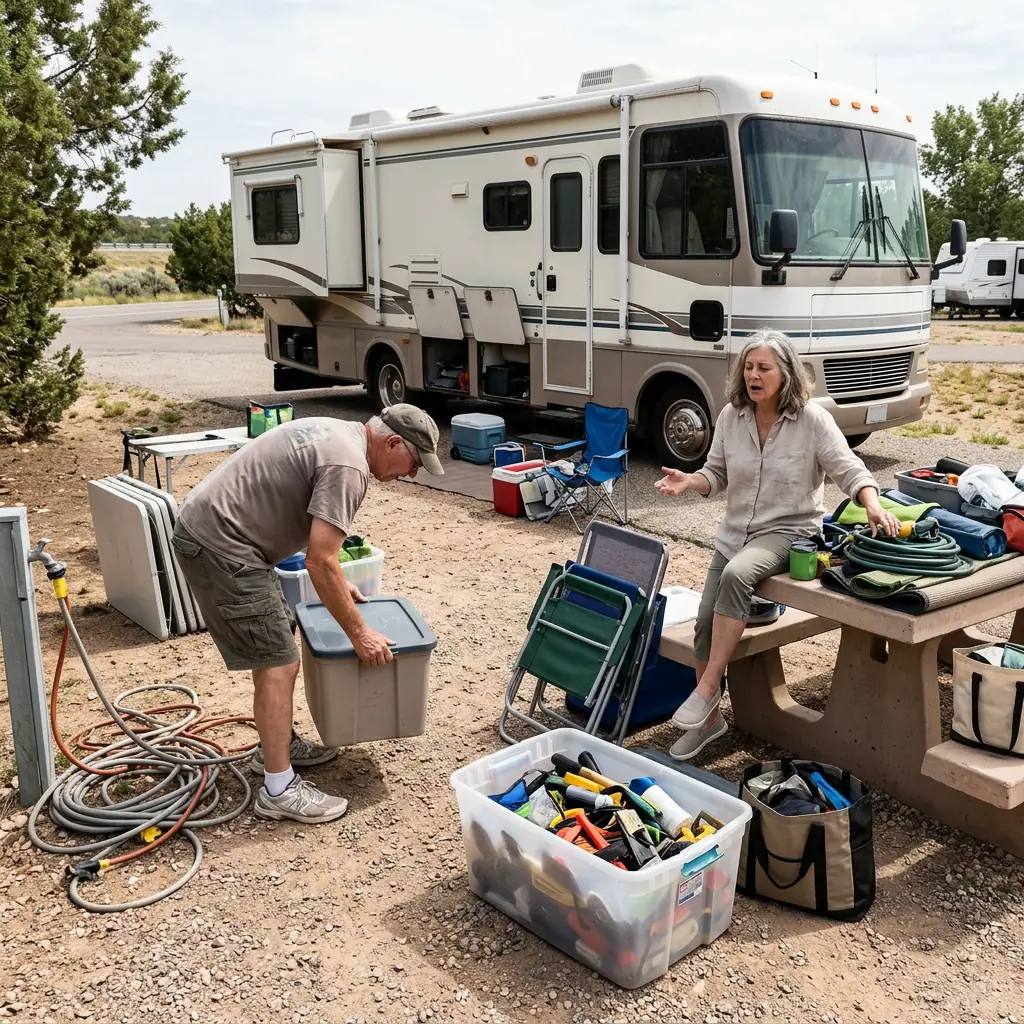
Set up a weekend’s supplies at home and note what takes the most time. Leave a small set of frequently used things in an easy-to-reach place.
The trip you promised to take every month
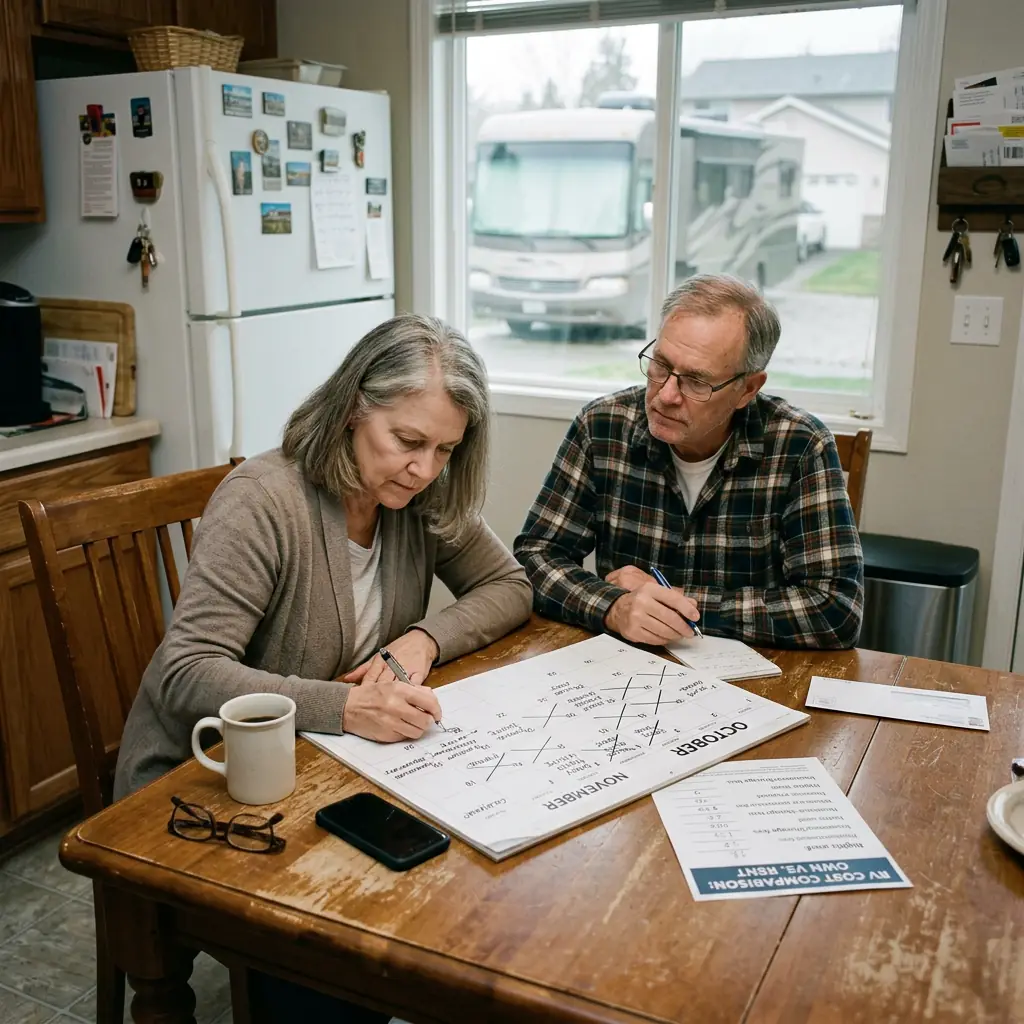
Put realistic dates on a calendar and look at weather and family plans. Count how many nights you would actually use the RV before comparing ownership with rental.
The price you compared with a hotel room
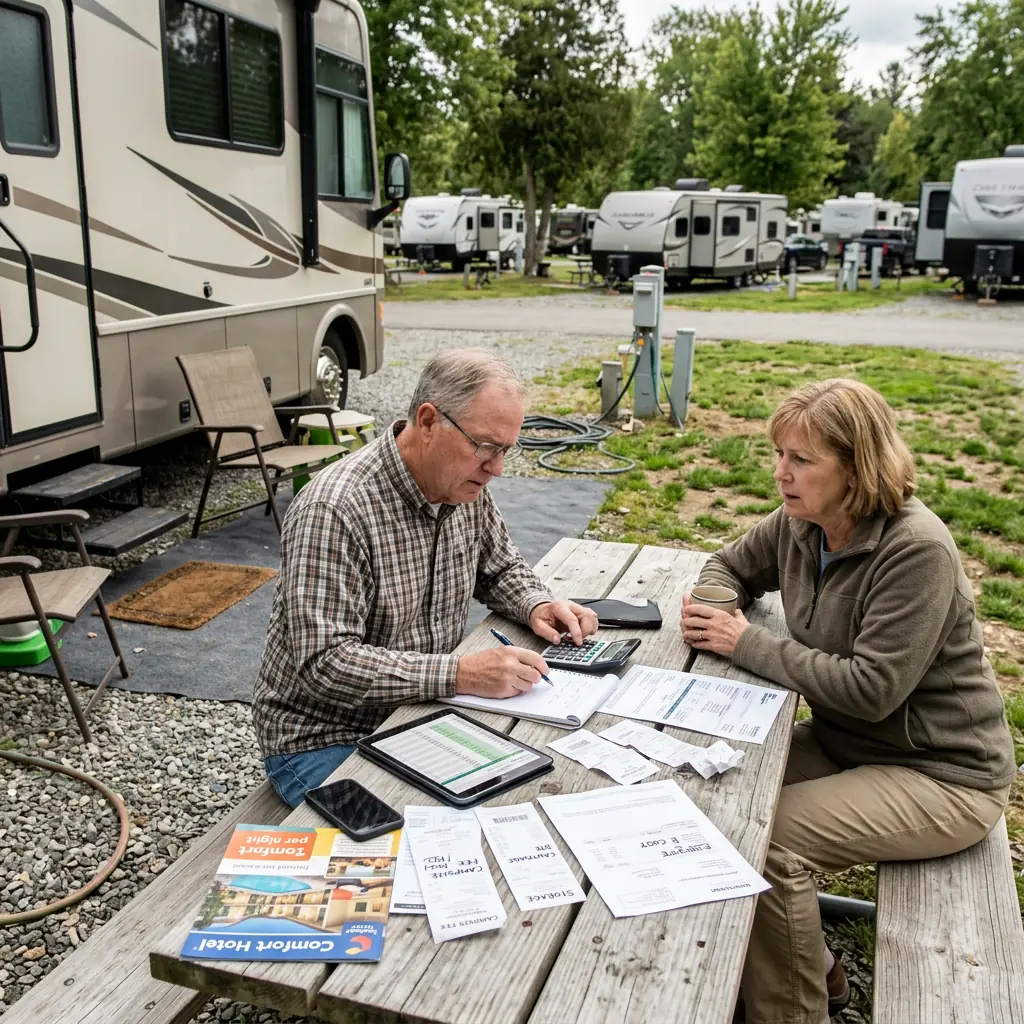
Add campsite fees, storage, fuel, maintenance, and the other charges you expect. Compare trips of the same length and include what you enjoy about each way of traveling.
The rental weekend that answers the most questions
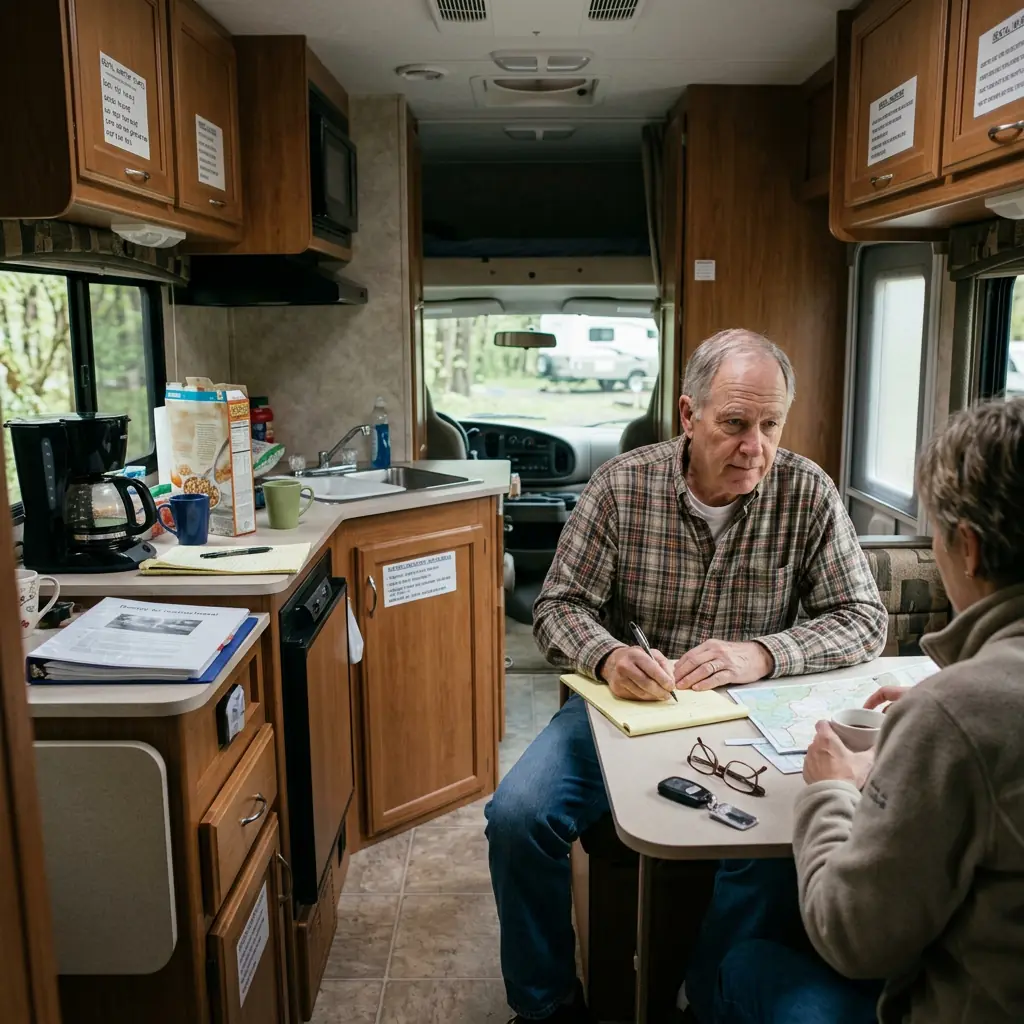
Rent a similar layout for a short trip before choosing a model. Write down the things you touched, lifted, listened to, or waited for each day.