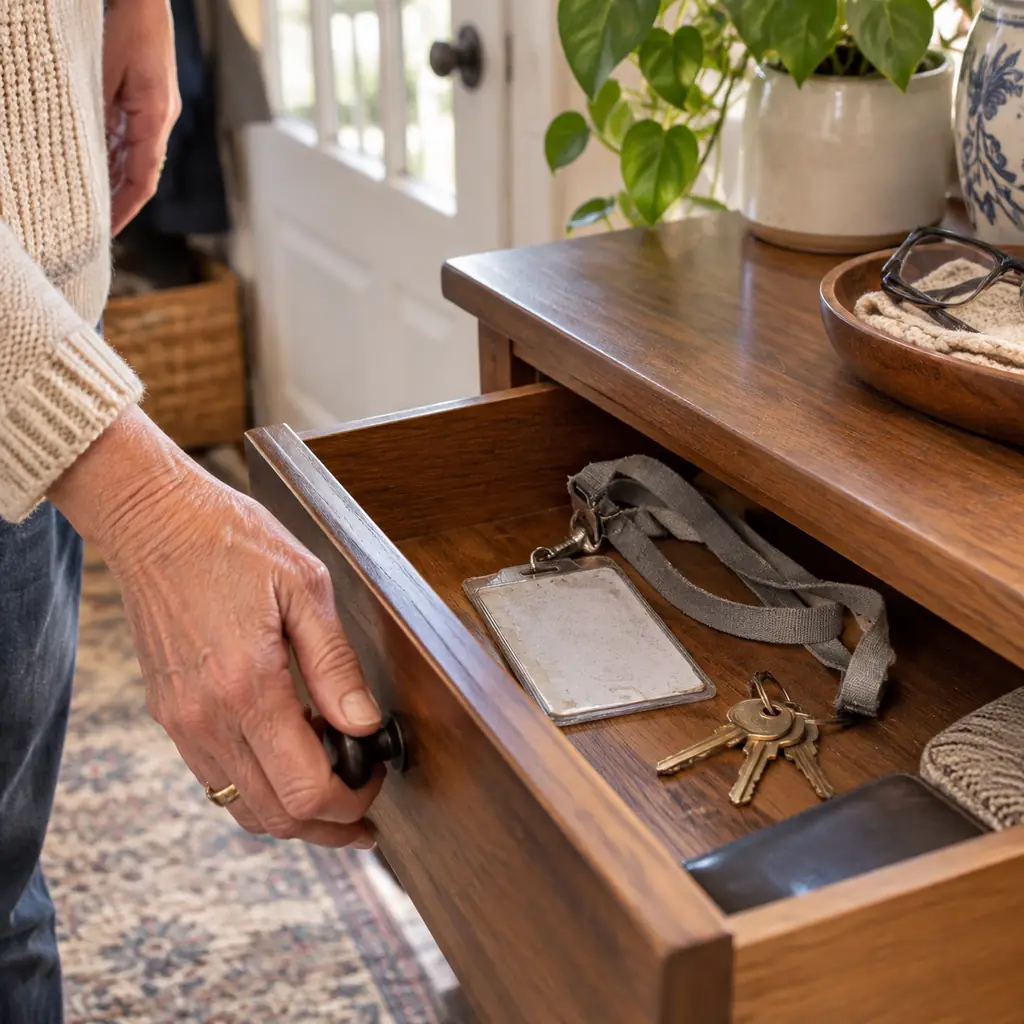
What to Agree on Before You Become the Regular Grandparent Babysitter
Talk through pickup, backup plans and the shape of an ordinary week before occasional grandparent care becomes a standing commitment.

Editor's note: This guide offers conversation starters for families arranging regular childcare.
Every family has different care needs and resources. Confirm school and care requirements with the people who run them. Images are for illustration purposes only.
One school pickup can turn into every Thursday before anyone has talked about whether Thursday works. Agree on the ordinary week and what happens when someone needs to change it.
1. Which days you’re actually offering
If you offered to help “a couple of afternoons,” put the days and hours into a shared message. Include the time you need the children picked up or dropped off.
Read the plan back as if it’s a week with a doctor’s appointment, traffic and an invitation of your own. Change the hours now if you can only make them work on an unusually quiet week.
2. Who goes on the school’s pickup list

Ask the parent to check how school pickup works before your first turn. Find out where to wait, whom to call and whether the office needs a name or identification in advance.
Save the school number and the parent’s backup number in your phone. A quick practice pickup together may answer more than a list of instructions sent while everyone is running late.
3. The call when a child wakes up sick

Talk about illness before you get a call at seven in the morning. A child who must stay home from school may need a whole day of care, which is a different offer from two planned hours.
Find out what each adult can cover and whom to call when you’re unavailable. Ask the parent to put the backup contact in the same place as the regular schedule.
4. What “a little late” means on a workday

Agree when parents should send a message if a meeting runs long. Give them a time you have to leave as well as the time you expect them home.
Decide who can pick up the children if the delay goes past that time. A concrete backup keeps the conversation about a plan the family can use while a parent is still stuck at work.
5. Who packs the things you always end up looking for

Pick one place for the clothes, school materials and equipment that have to travel. Ask the parent to show you what needs to go in the bag and which things can stay at your home.
Expect the first week to reveal something nobody thought of. If the arrangement also involves moving items between two homes, read what changes when you move closer to family.
6. The rule about an afternoon snack

Ask what the child usually eats, when they eat it and where the parent keeps the instructions for any allergies. Have the parent spell out the rules you need to follow so nobody relies on an old habit.
You can keep a treat or activity that feels special at your place. The small things grandparents notice often become easier to see once the basic routine works.
7. Who keeps your usual commitments visible

Put your own commitments on the calendar before you offer another afternoon. Include the things you'd like to keep even though they have no work deadline, like your regular walk or a class.
Then give a defined answer when someone asks for an extra day. Protecting time while helping family starts with knowing which times matter to you.
8. What the other grandparent is agreeing to

One person may offer to babysit and assume the other will help with driving or food. Ask your partner which jobs they'd choose and when they'd like the house to themselves.
If you’re both adjusting to a new schedule, leave room for separate routines in retirement. A plan you’ve both chosen is easier to revisit after a tiring week.
9. The holiday that changes the whole week

Check what happens during school breaks and teacher workdays. A commitment to meet a bus in the afternoon doesn’t automatically cover breakfast through dinner when school is closed.
Say which dates you can do and ask the parent to confirm the rest. If your plans are still taking shape, the first year without a workweek offers ways to keep some time open for yourself.
10. What needs to be said at handoff

Agree where to share information the next adult needs, such as a school form due tomorrow or a lunchbox left in the car. A short message can work better than trying to remember everything in the doorway.
If a small frustration needs more time, find a separate moment to talk. What grandparents wish their children understood can help start that conversation.
11. The things each household will keep on hand
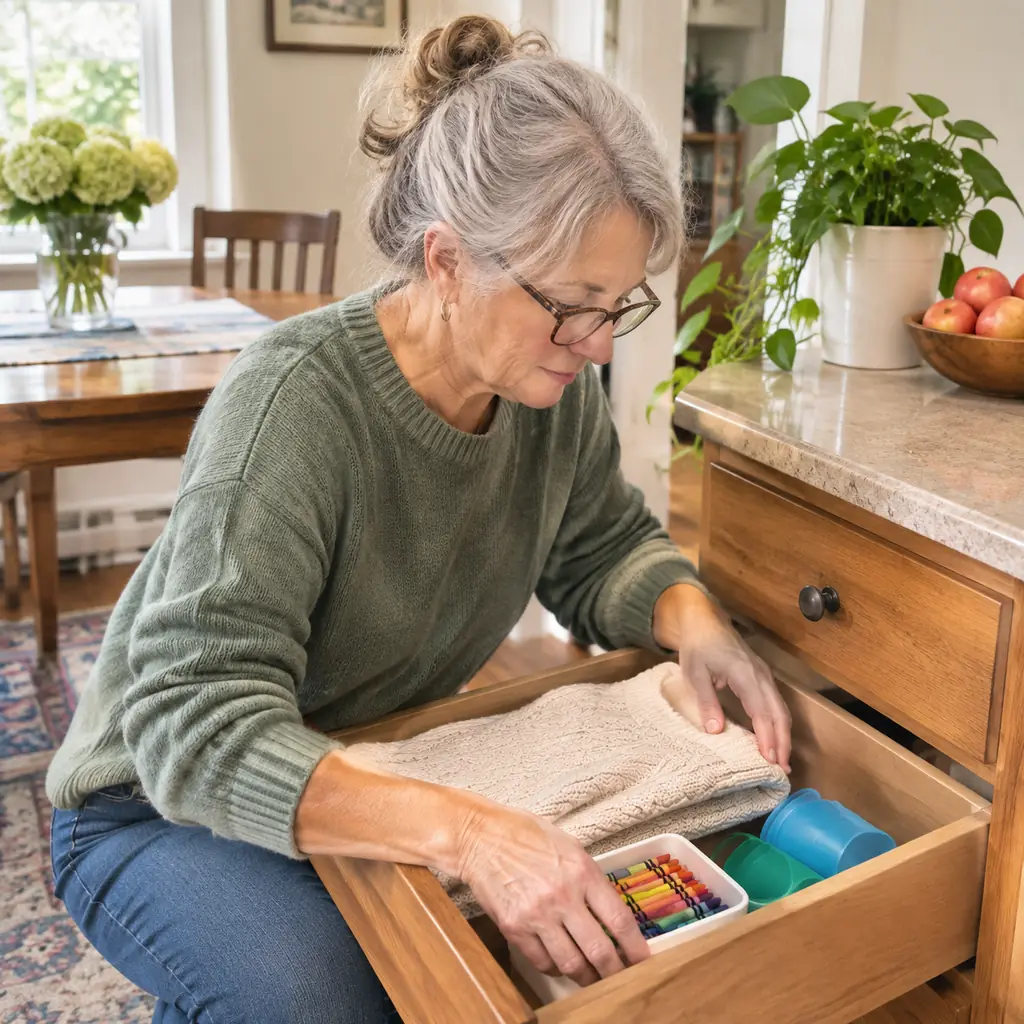
Choose a drawer for the everyday things that are easy to forget. Start with what you’ve actually needed twice, like a spare sweater or the cup a child already knows how to open.
Talk through who replaces supplies if you use them often. You can keep the arrangements simple without letting either household guess what the other is providing.
12. The date you’ll decide whether to keep going

Set a check-in after a few ordinary weeks and before the next school break. Ask which parts of the plan worked for the child and for the adults who made it happen.
If one afternoon is consistently harder than you expected, change that afternoon. Agree on what happens until the new schedule starts.
A manageable plan gives everyone a better chance to enjoy the time together.