What to Put on the Calendar Before Your Last Day at Work
Give your first ordinary weeks of retirement a little shape while you can still see what work puts in your day.

Editor's note: This guide offers one way to plan the transition out of work.
Schedules and retirement circumstances vary. The scenes are illustrative. Images are for illustration purposes only.
The first weekday without work looks wonderfully empty until you notice that everyone you might see is still at work. Before you leave, put a few things on the calendar that will make an ordinary week feel like yours.
1. The first thing you’ll leave the house for
Pick one reason to leave the house in your first ordinary week. A Tuesday library visit works if the branch is open and you have a book to collect.
Write down where you’ll go and roughly when. It’s easier to make a small trip you’ve decided on than to pick from an unlimited number of ways to spend the morning.
You can still come home early and enjoy the quiet.
2. An invitation your working friend can accept

The coworker who spent every lunch with you may be unable to meet at eleven on a Wednesday. The friendship still fits into a week that has deadlines and a commute.
While you’re both on the same schedule, ask for one specific plan that suits them too. Try breakfast near their office or a monthly Saturday walk.
Set the first date while you're together. You can decide whether to repeat it afterward.
3. A morning with nothing to show for it

Leave one weekday morning free after the farewell calls and errands are out of the way. It’s tempting to use every clear space for the drawer, fence or paperwork you’ve put off.
Try leaving the first block unassigned on purpose. Notice whether you want a slow breakfast, a walk or company when nobody is expecting anything.
That tells you more about what to add next than a prewritten list of retirement hobbies.
4. The one thing you’ll finish
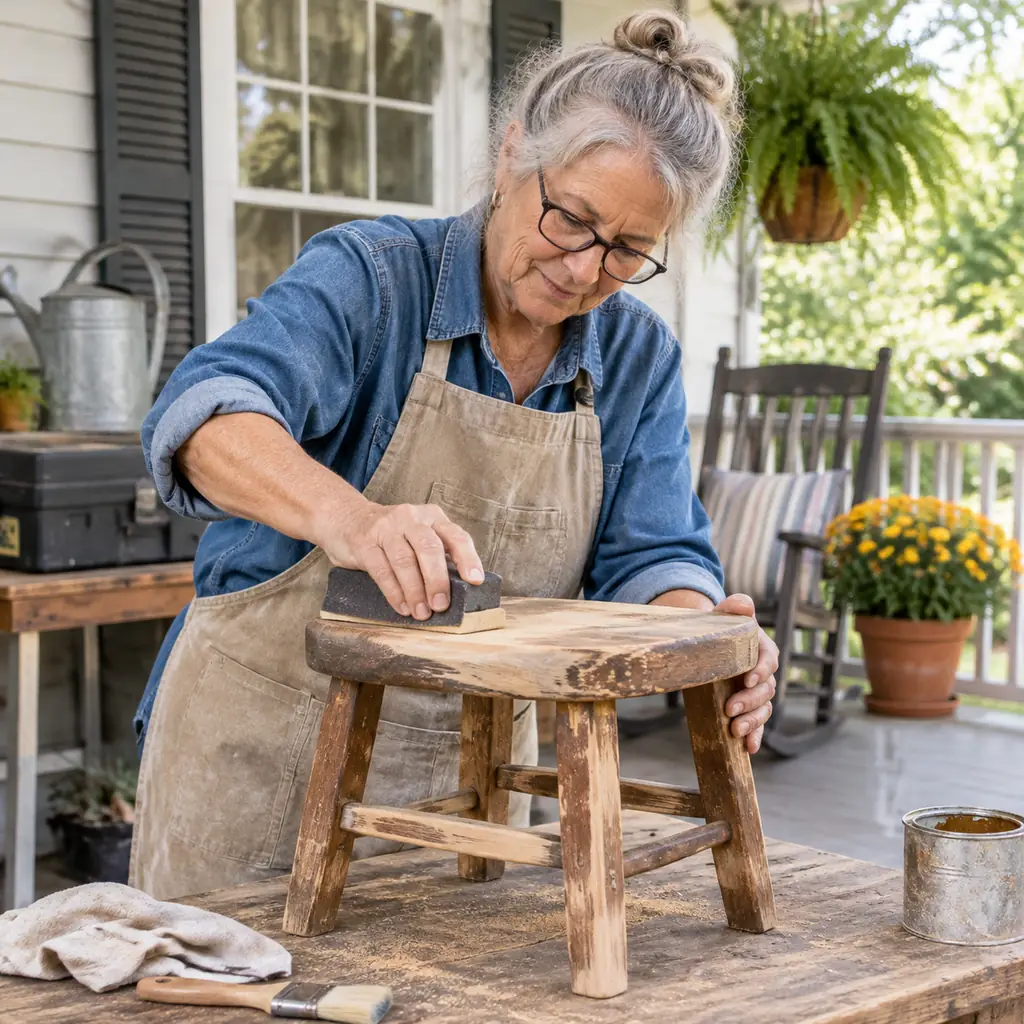
Pick a small job with an obvious finish, such as re-covering one chair seat. A project called “sort the house” can take over a week without giving you a useful stopping point.
Buy or borrow only what you need for that one job. Put the next project on a separate list.
If the chair takes longer than expected, you’ll know to keep a little space between appointments in the first month.
5. A trial session for an interest you haven’t bought into

Book a single ceramics session before joining a series or setting up a worktable at home. You’ll learn whether you like the activity, the people and the trip there.
Keep the second slot optional. One disappointing instructor or time of day can be a bad fit even when the activity itself is promising.
Try being a beginner at a retirement hobby before planning the whole month around it.
6. The handoff away from your old job

If you’ve offered to answer questions for your former team, give them a window and one route to reach you. Agree who handles issues after that window closes.
An open offer can leave you waiting for messages well into a Tuesday you had planned for yourself. A short call that everyone expects is easier to fit in.
If you later want regular hours again, consider how part-time work fits a retirement schedule as a separate decision.
7. A day you can offer family

Choose when you can help with rides, packages or school pickup before you start saying yes to individual requests. Your first week may look different from the one you want to keep.
Offer one defined time if you can. “I’m free on Thursdays after two” lets everyone plan around the same thing.
These ways to protect retirement time while helping family are useful when one offer starts growing into a standing arrangement.
8. A shared plan you’ll both choose

A partner who’s already retired may have a routine that suits them. A partner still working may be counting on Saturday for errands or recovery.
Pick a regular thing you both want, and put it on both calendars. It can be as simple as an evening walk on the days when neither of you has an early start.
Keep some separate routines when you retire together so the shared one still feels chosen.
9. An appointment that earns its own half day

Give the first complicated appointment its own half day. Leave the trip there, wait and trip home in the calendar, along with the appointment itself.
Use a quiet ten minutes beforehand to put your questions and documents together. Keep the next block free if you’ll need to make a call or think over what you heard.
An ordinary week after work may have more room when appointments stop competing with each other.
10. A place that expects you back

Try one place you can return to at about the same time each week. A neighborhood workshop or library group gives you more chances to see the same people than a new outing every time.
Commit to the first visit and pencil in the second. That’s enough to see whether the schedule and company suit you.
For more ideas, think about having somewhere to be in retirement beyond the errands you'd do anyway.
11. The week after you come home

If your first retirement plan is a trip, make a small plan for the week you get home. The flight and the unpacking will be over before you know what to do on a regular Tuesday.
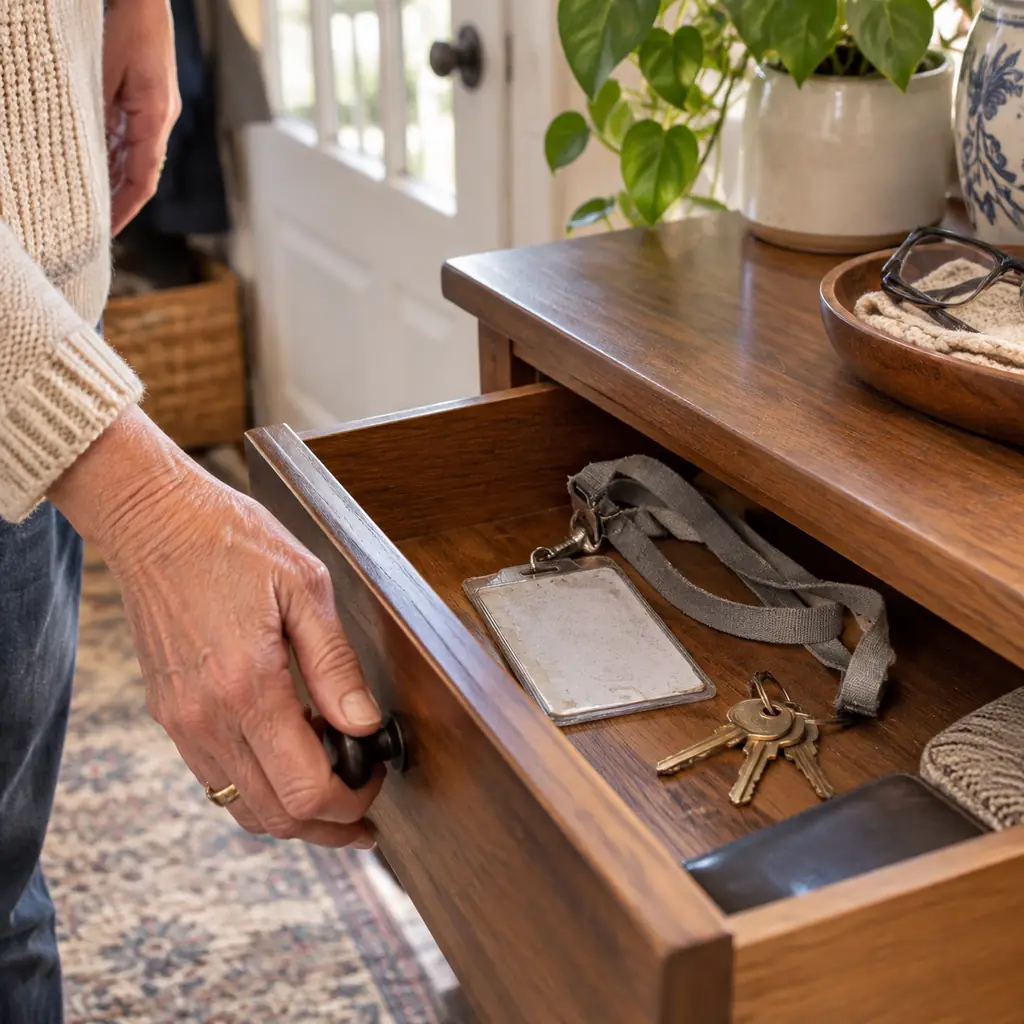
Pick something nearby that requires little preparation. A coffee date with a neighbor or a visit to the farmers market gives you a reason to put the keys back by the door.
Keep the rest of that first week flexible.
12. A date to change your mind

Choose a day about a month after you stop working to look over your calendar. Circle a plan you looked forward to and cross out a commitment that became more work than you expected.
Ask what left you feeling connected and what made the days run together. Then change just one thing for the coming month.
A good week may look different once the retirement party and the first round of visitors are behind you.