Try Living on One Floor Before You Decide to Downsize
Spend an ordinary week using mostly one floor. See which trips disappear, which rooms you miss and which limits are built into the house.

Editor's note: This opinion guide describes a simple way to learn what you need from your home.
Homes and abilities vary. Keep your normal safe routines and ask a qualified professional about access, equipment or alterations. Images are for illustration purposes only.
You can stop sleeping upstairs and still go up every morning for clothes, clean towels or a place to work. Try keeping most of your daily life on one level for a week and write down the trips that still matter.
1. The first reason you leave the floor
Try the first day with the things you already have on your usual floor. Use the rest of your home whenever you need it. Make a short note about what sent you there.
The first trip might be for a clean shirt, the good scissors or a chair where you can make a private call. By evening you’ll have a map of the things your current floor plan asks you to fetch.
2. The clothes you reach for every day
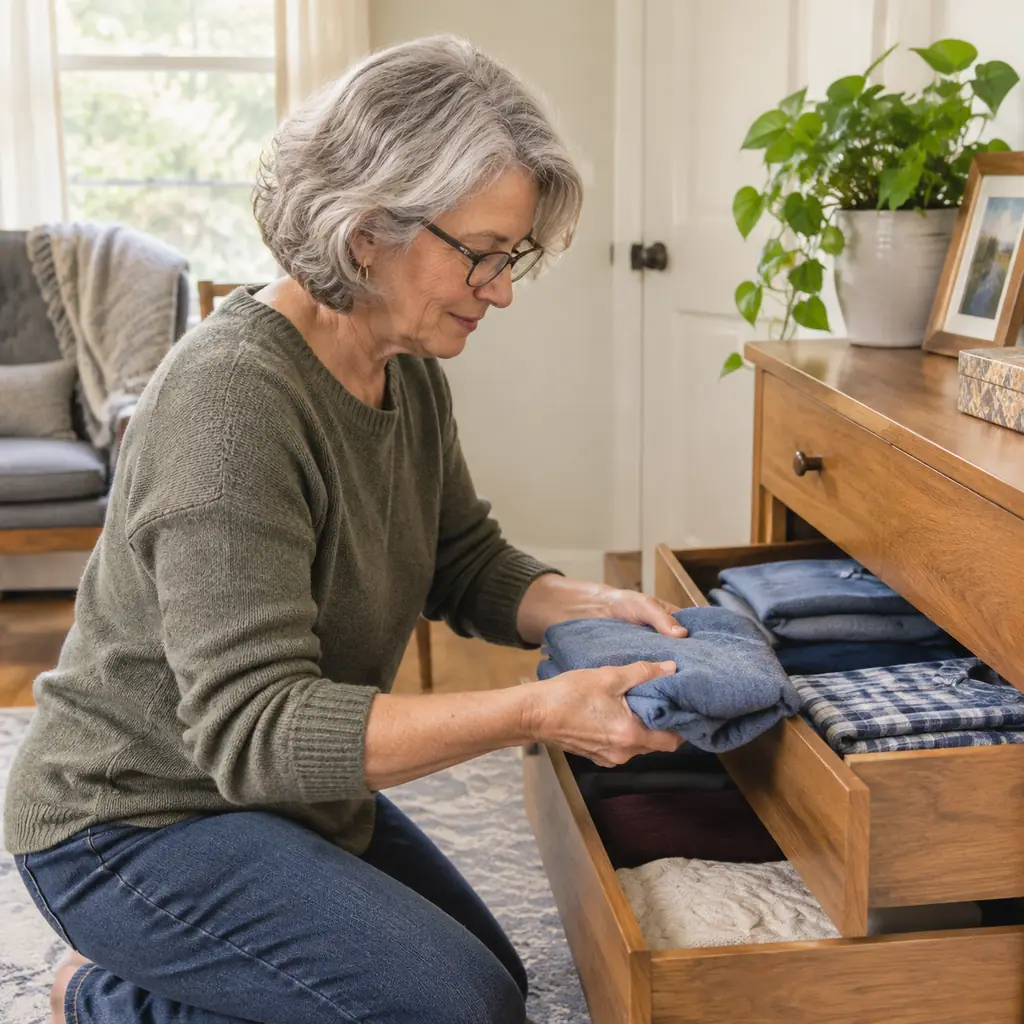
Bring a week’s ordinary clothes to drawers you can use on this floor. Include shoes, a jacket and the bag you take to the store. Keep the rest where it is.
See what you have to go back for. If you carry something down twice, you’ve learned more than you would from filling a closet with clothes you seldom wear. Try giving frequent items the easiest spots.
3. The point where laundry has to change hands

Notice where dirty clothes collect and where you return clean ones. If the machines are on another floor, log what crosses the stairs and who carries it.
You can keep using your usual arrangement during the trial. The useful question is whether a predictable laundry day works for everyone involved. Write down any task that regularly depends on a person who can’t always be there.
4. The shopping you put away on the day you buy it

Do a regular shop and put the food where you’d use it this week. Notice what always gets carried to storage and what you retrieve before you’ve used the next carton.
Keep common items on the floor with the kitchen during the trial if there’s a suitable place. If that means giving up a counter you use every day, record the trade rather than planning around an unusually small shop.
5. The room you go to when someone else is home

Try taking a real call or reading the paper while someone else is home. A downstairs room can be large enough for two people and still make one of them feel permanently in earshot.
Check where each person could spend an hour independently. The choices in retiring together with separate routines can help you see what a quieter room does for both of you.
6. The tools you need to practice a hobby

Try one session of the hobby you use the upstairs or basement room for. Bring only what you need for that session. Write down whether light, noise or setup makes you want to stop.
Next time, see how quickly you can pick up the work where you left it. A hobby corner that stays ready can show you the kind of space worth trying to keep.
7. The evening when you’ll need the bathroom in a hurry
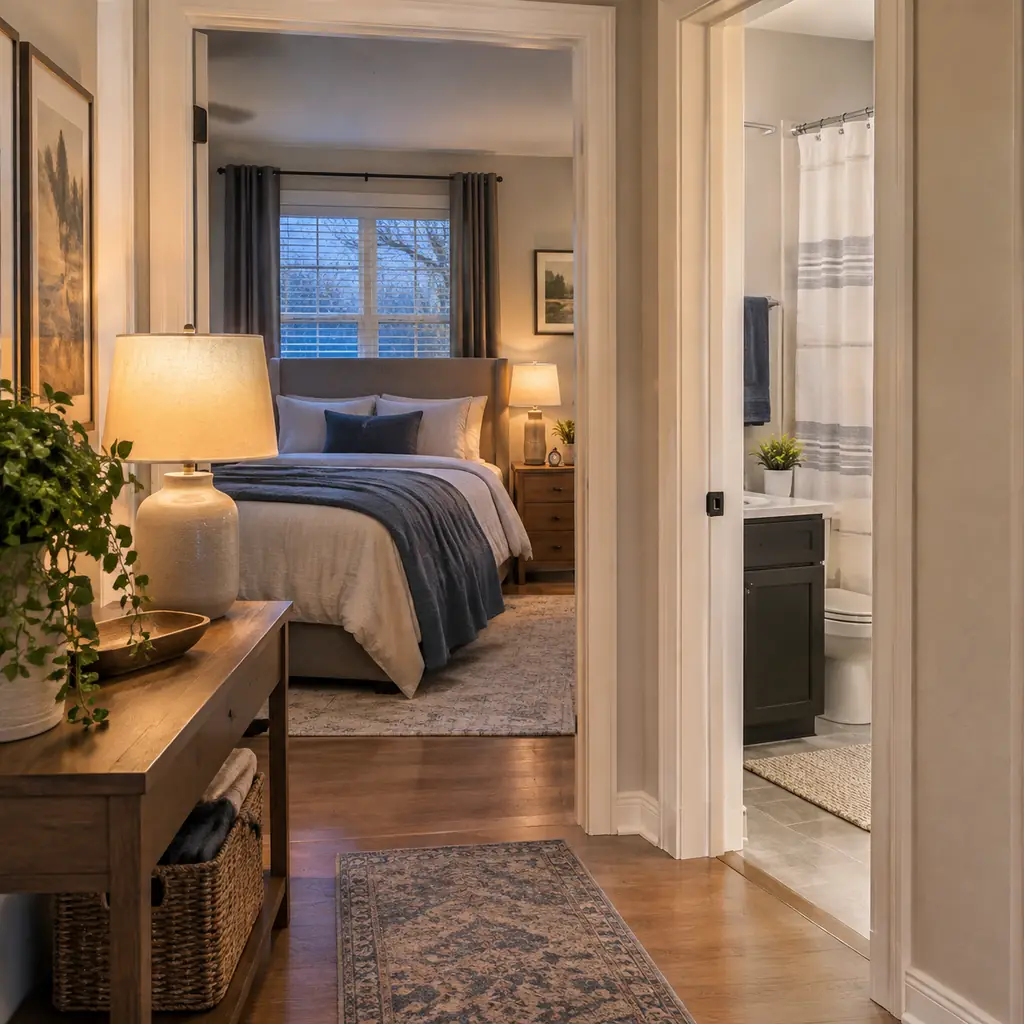
If the floor already has a bed and bathroom you can use comfortably, try them on an ordinary evening. Notice whether you have somewhere to put your glasses and whether someone else needs the bathroom at the same time.
If that part of the trial is impractical, log why and sleep where you normally do. These home upgrades for everyday access can help you frame questions for a qualified professional.
8. The belongings you store downstairs and still use upstairs
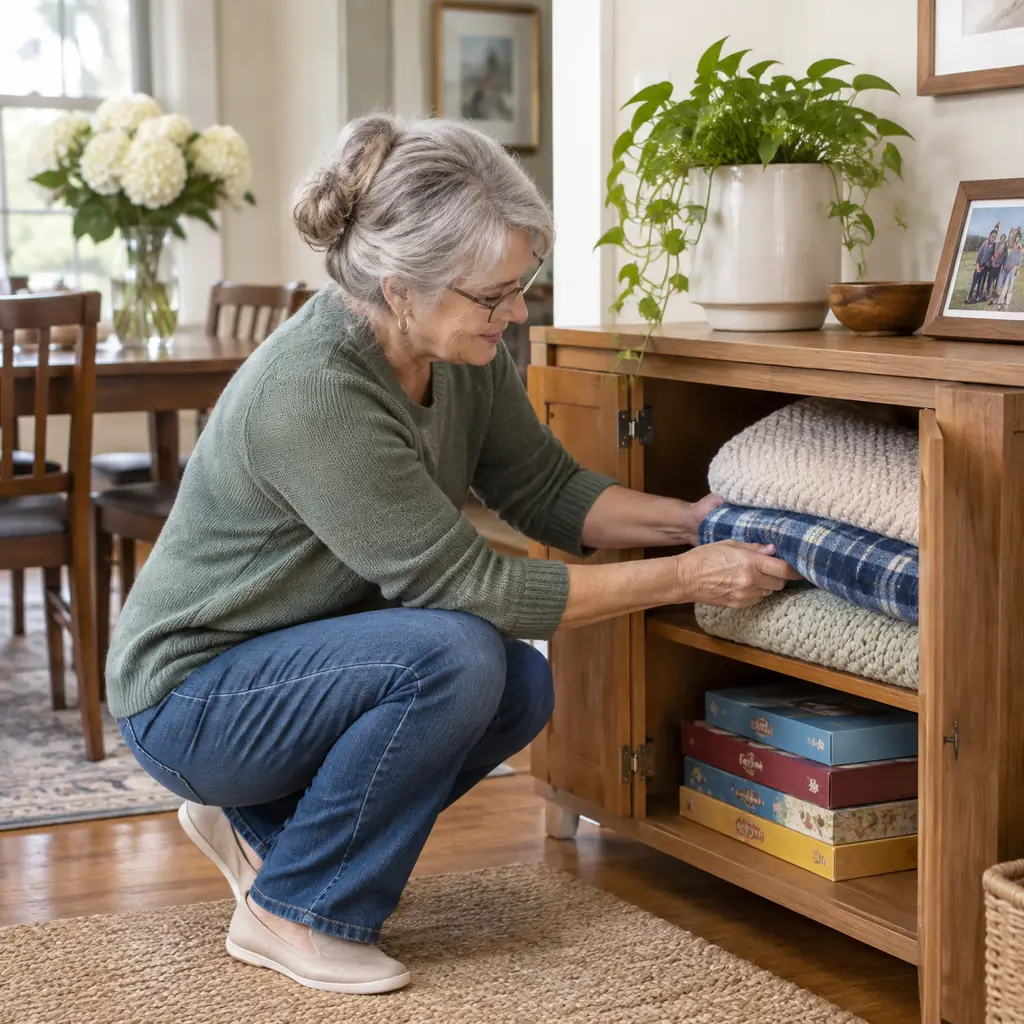
Pick six things you went upstairs or downstairs for during the week. Try to give them all reachable spots without crowding out what you use every day.
If the items don’t fit, decide which jobs belong nearby and which can stay somewhere else. A plan for a smaller home starts with knowing which storage has to be close to where you use it.
9. The day the weather changes the route
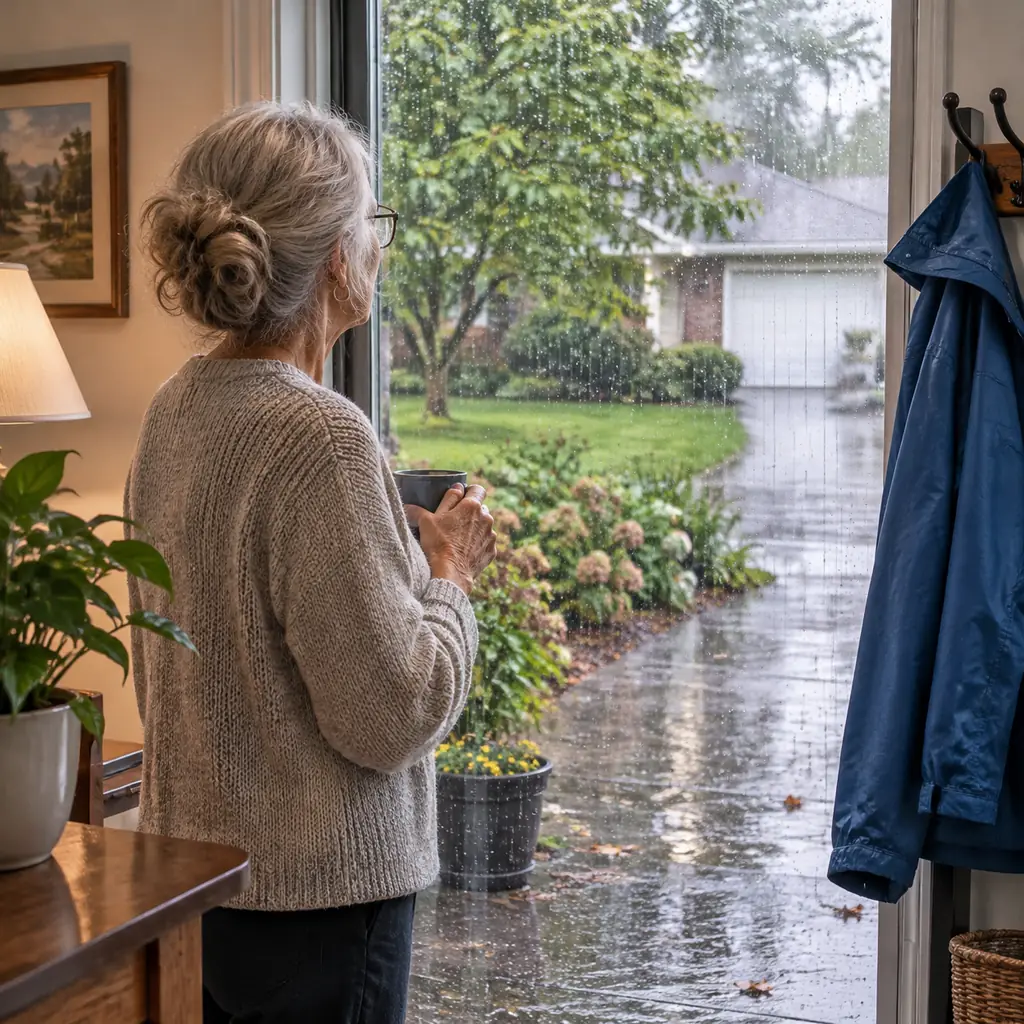
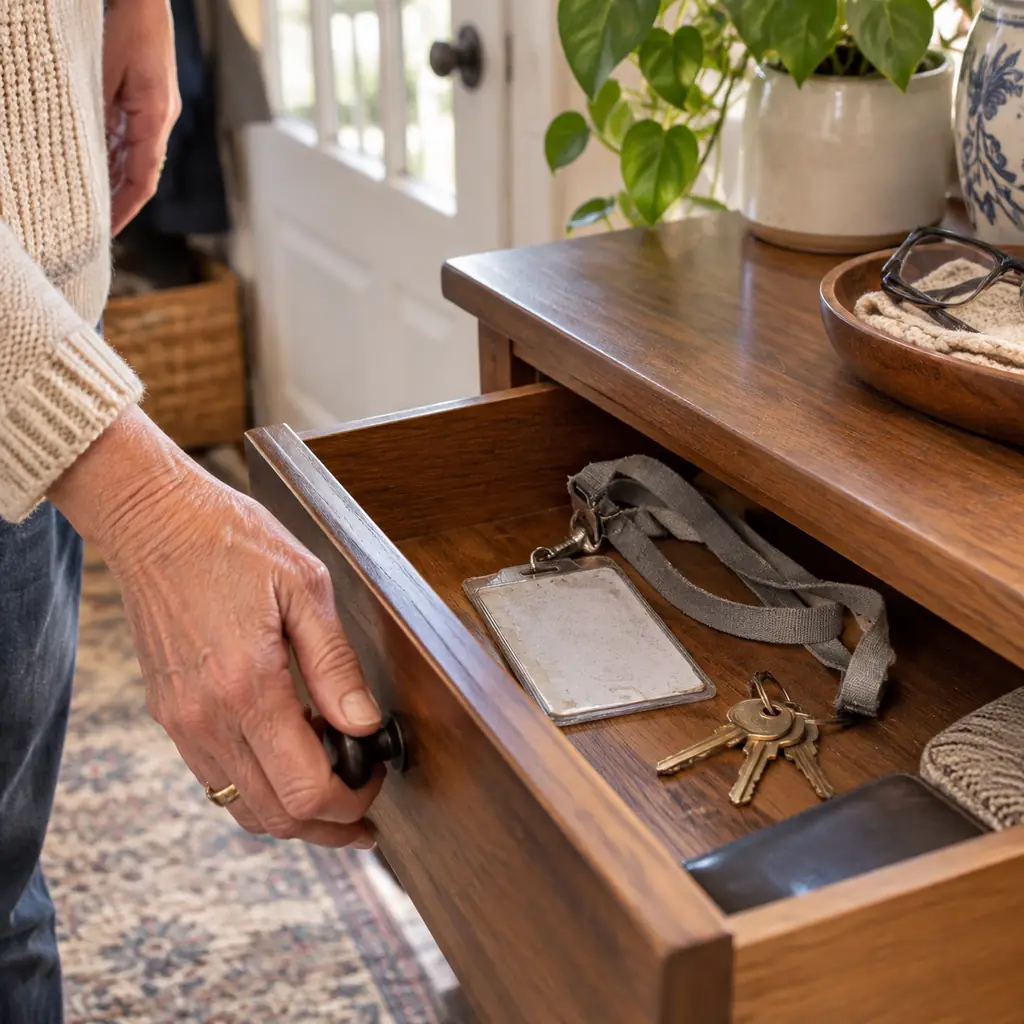
Follow the route you normally take into and out of this floor when it rains or gets dark. Notice where keys, wet shoes and shopping bags go. Use your usual safe route if another seems difficult.
Planning your house for retirement includes the space outside the door. If an awkward trip happens every time you go out, write it down alongside the indoor trips.
10. The visitor you’d still like to see

Invite someone for an ordinary coffee if that’s part of your usual life. Find out whether you can welcome them on this floor and still use the rest of the room. Include where a guest leaves a bag and whether they can get to a bathroom.
If different arrangements make a difference to how often you see people, include that in your plans for a week near family.
11. The trip that depends on the building
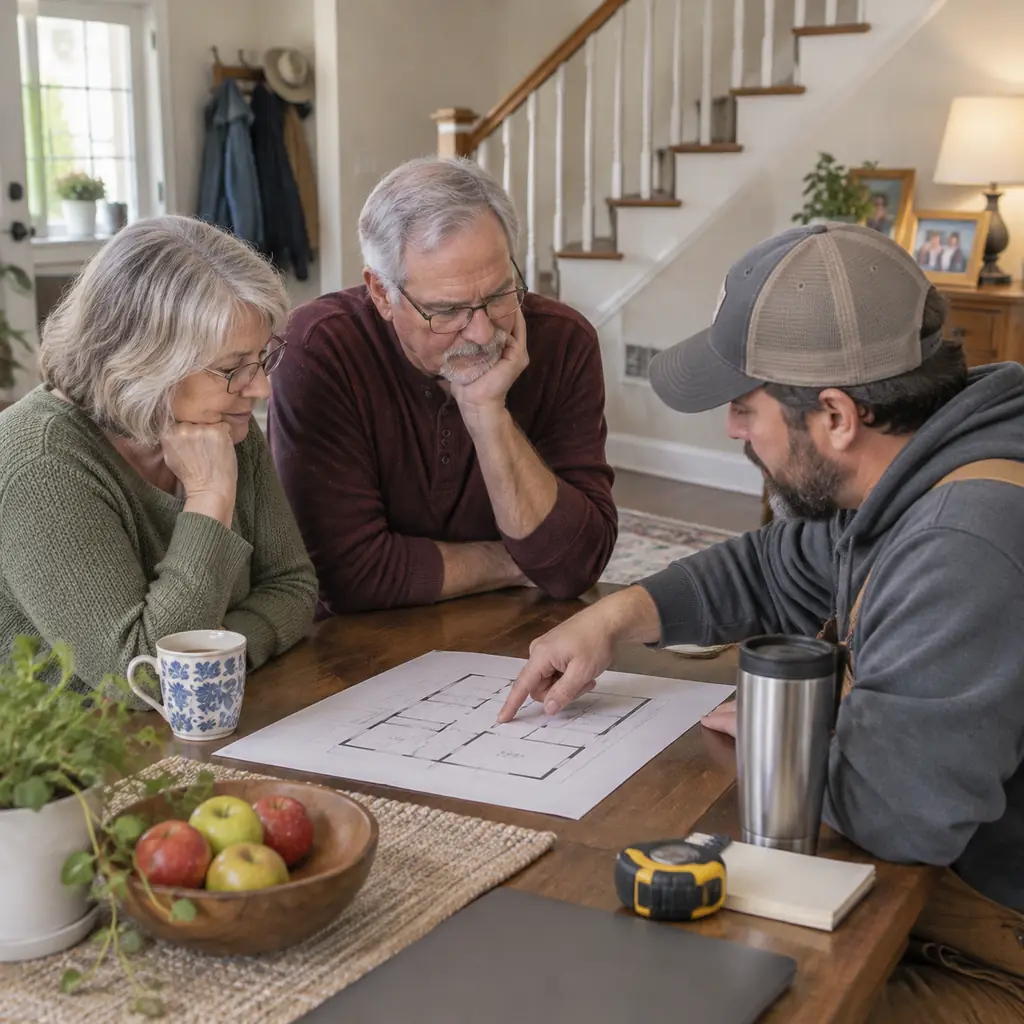
At the end of the week, put a mark beside the trips you could remove by moving a few things. Put a different mark beside the trips that depend on a bathroom, exterior entrance or laundry setup you can’t change yourself.
Give a qualified professional the list of tasks and where they happen. A useful answer should tell you how the layout could support your actual day.
12. What you’d have to give up to keep the arrangement

Read over the week before making a decision. Include time, privacy and the activities you still want to do. A layout that saves trips can feel cramped if you also lose a place to pursue something you enjoy.
If the first week was unusual, repeat the hardest day under normal conditions. Take a short list of what worked and what still needs to change when you compare the next home with this one.