Early Retirement Regrets That Show Up Once the Week Is Yours

The first Monday after leaving work can feel like a long weekend. It takes a few ordinary weeks to see what the job used to provide besides a paycheck.
The Monday with nowhere to go
Set one small reason to get dressed and leave the house. A walk with someone who expects you can give Monday a shape while you figure out what comes next.
The friends you only saw at work

Invite one person to meet away from the office while staying in touch still feels natural. Suggest a specific time and place so the plan can happen.
The partner whose week is still full

Compare calendars before assuming you now have the same days free. Give each person room for existing commitments and set a time you both look forward to.
The volunteer shift you accepted too fast
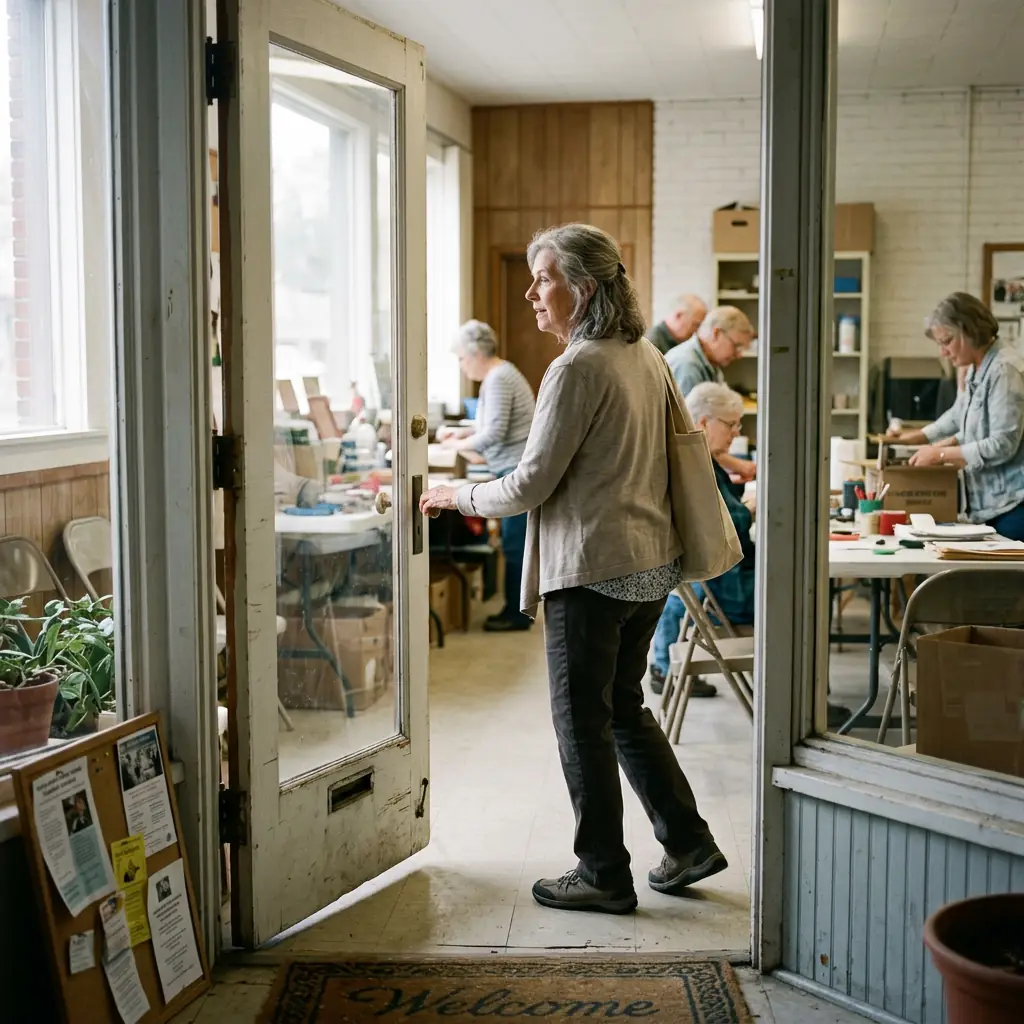
Try one session before taking on a regular role. Notice how you feel about the travel, the people, and the work when the novelty wears off.
The weekends that lost their meaning
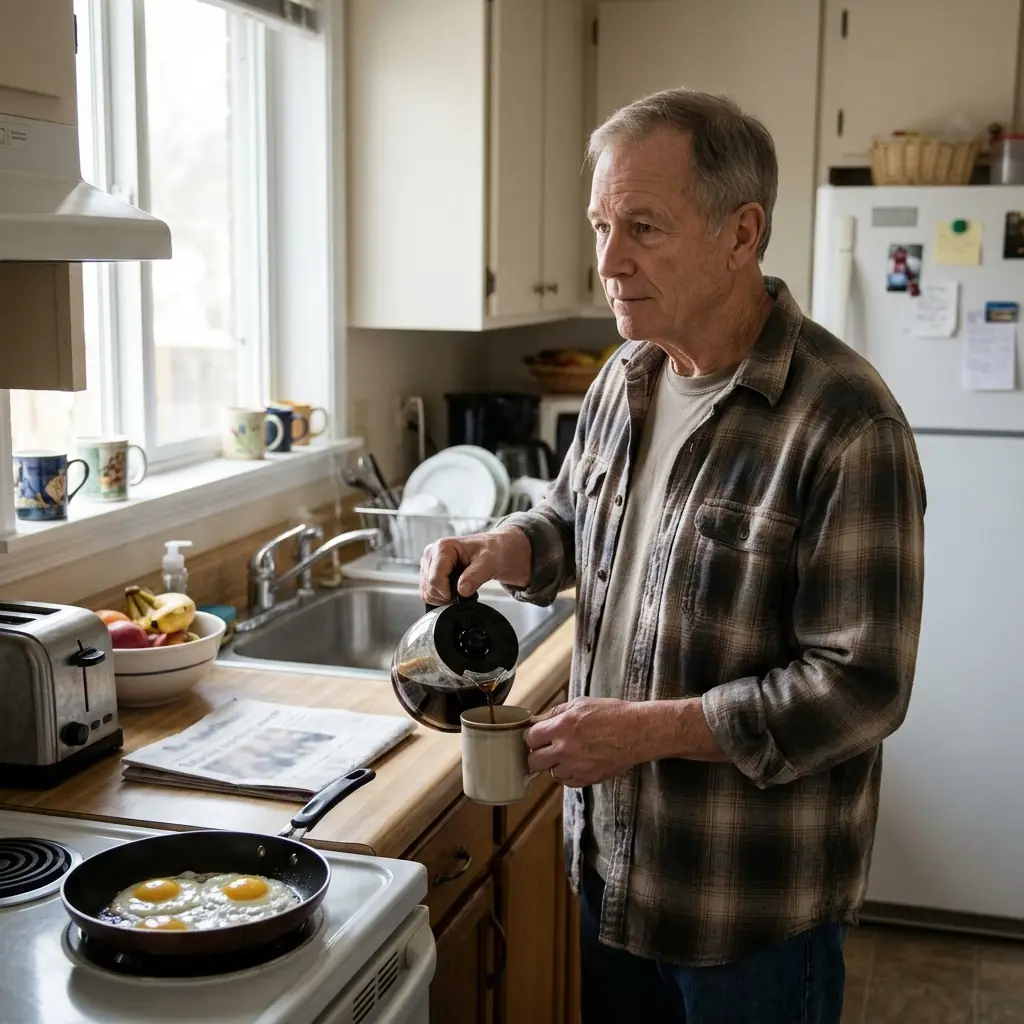
Keep one old Saturday ritual if you enjoy it. Taking the same walk or making breakfast slowly can still make the weekend feel different.
The project list you finish in a month

Give yourself a mix of short jobs and something you can return to for a season. A finished cupboard is satisfying, and a longer project gives you a reason to begin again next week.
The hobby you liked in small doses

Set aside a normal afternoon for it before buying equipment. Notice whether the activity itself keeps you engaged or whether the company was what you liked.
The travel dates you book together

Check how many days you want away and how much rest you need between trips. A few free weeks at home can feel as valuable as the time you spend traveling.
The errands that take over the morning

Put several errands on one list and run them together when you can. Keep part of the morning free for something you chose because you enjoy it.
The favor that becomes your new job

Ask what someone means by regular help before agreeing. Work out how it fits alongside your own plans and say which days you can offer.
The old lunch hour you still wait for

Give yourself permission to move lunch or eat with someone you rarely saw before. One small change can loosen a schedule you have followed for decades.
The desk you clear before you’re ready

Pack away work materials in stages and keep anything you still use. Set up the surface for a hobby or household task you want to make easier.
The calls that get fewer
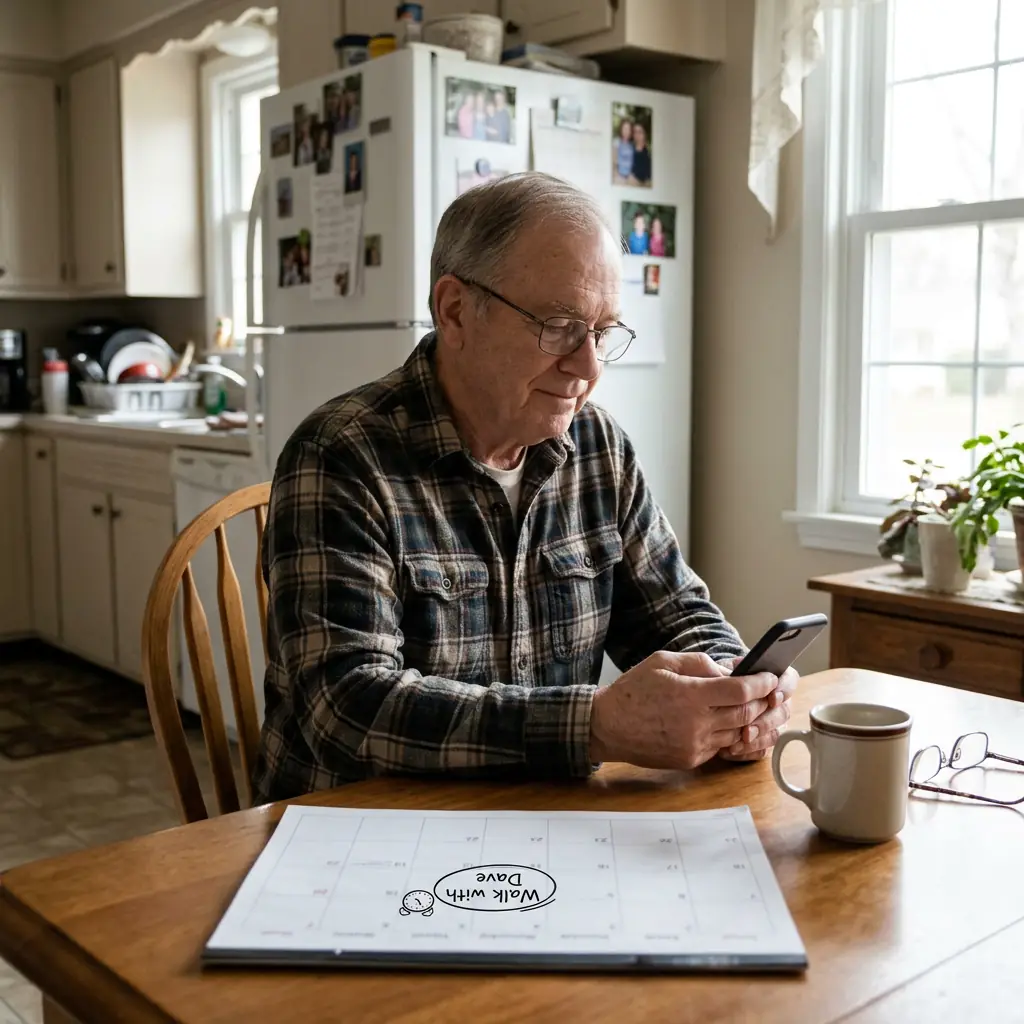
Put a recurring date on the calendar with a friend. A short walk every other week is easier to keep up than an elaborate plan you make only once.
The label you miss at introductions

Practice saying what you do now in ordinary language. Describe what you are interested in or what you are working on without needing a new job title.
The part-time role that fills every afternoon

Ask what a normal week actually looks like before committing. Read the schedule with your personal plans beside it and decide where you want room to say yes to other things.
The routine you copy from someone else

Try ideas from people you like and pay attention to your own response. The schedule that gives a friend energy may leave you looking forward to going home.
The bills you review too infrequently

Sit down with a full month of actual expenses once the new routine settles. Compare what changed in groceries, travel, and hobbies with what you expected.
The housework that falls to whoever is home
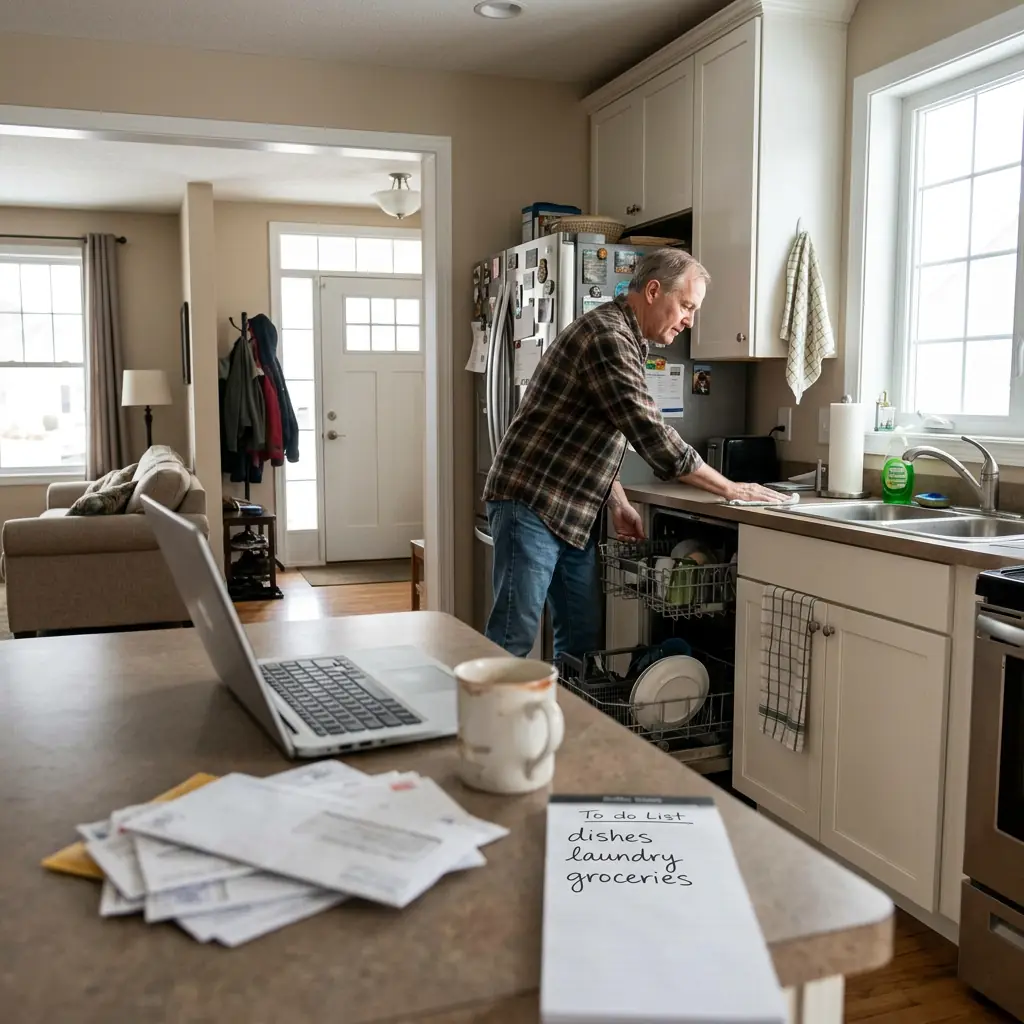
Talk through how you want to share regular tasks now. Agree on who does them and when, especially if one person is still working.
The skills you suddenly stop using
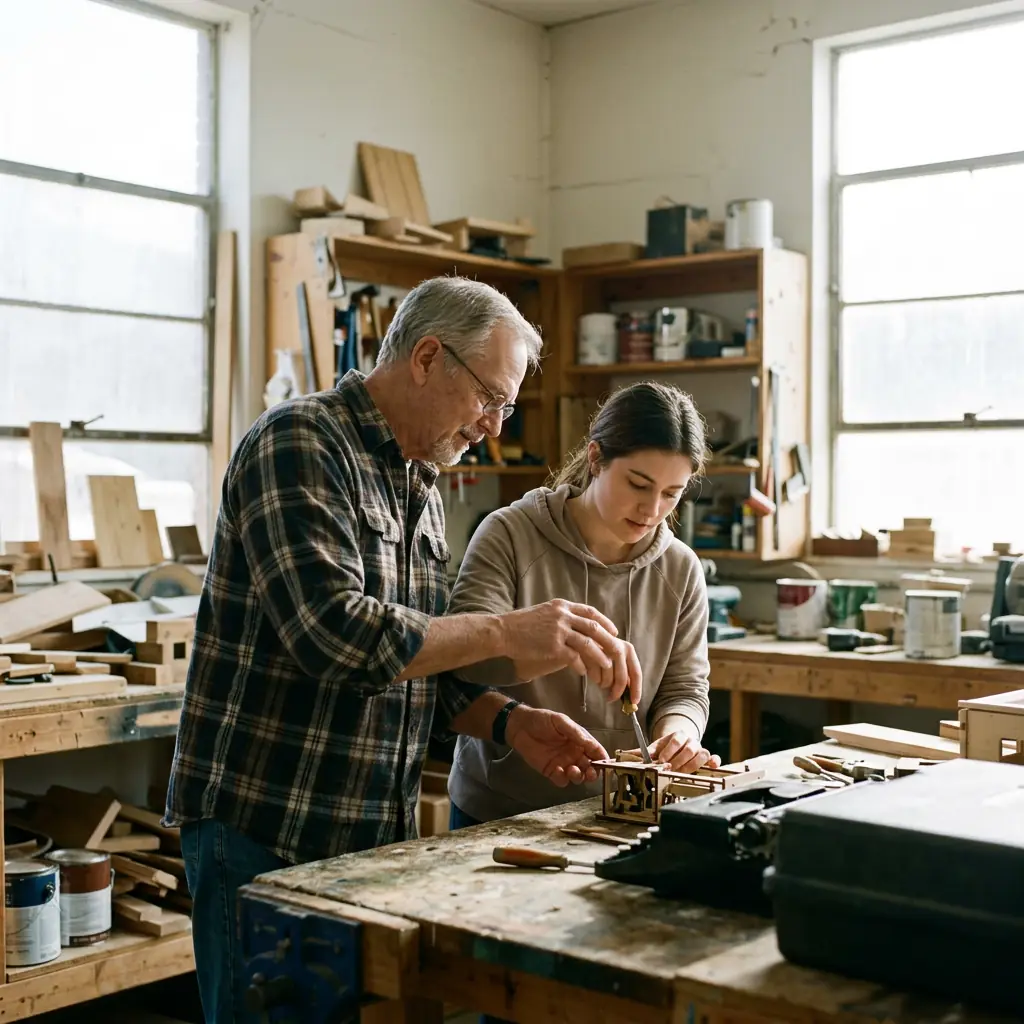
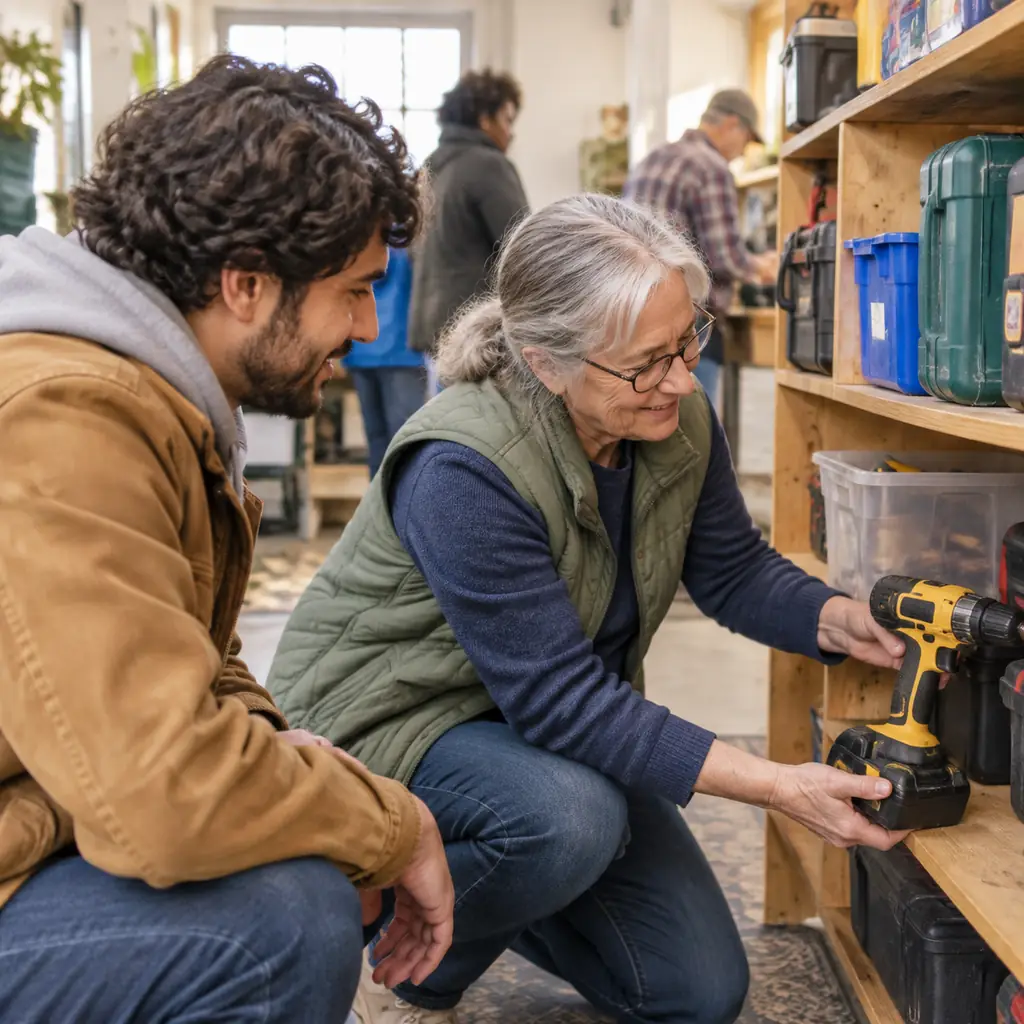
Find a small project where a familiar skill is welcome, such as mentoring at a workshop. Try it once and see how it feels to use the skill without the old deadlines.
The lessons you postpone for later

Choose a class you can reach easily and try the first session. A short course gives you time to find out whether you like being a beginner again.
The neighborhood you never explored in daylight
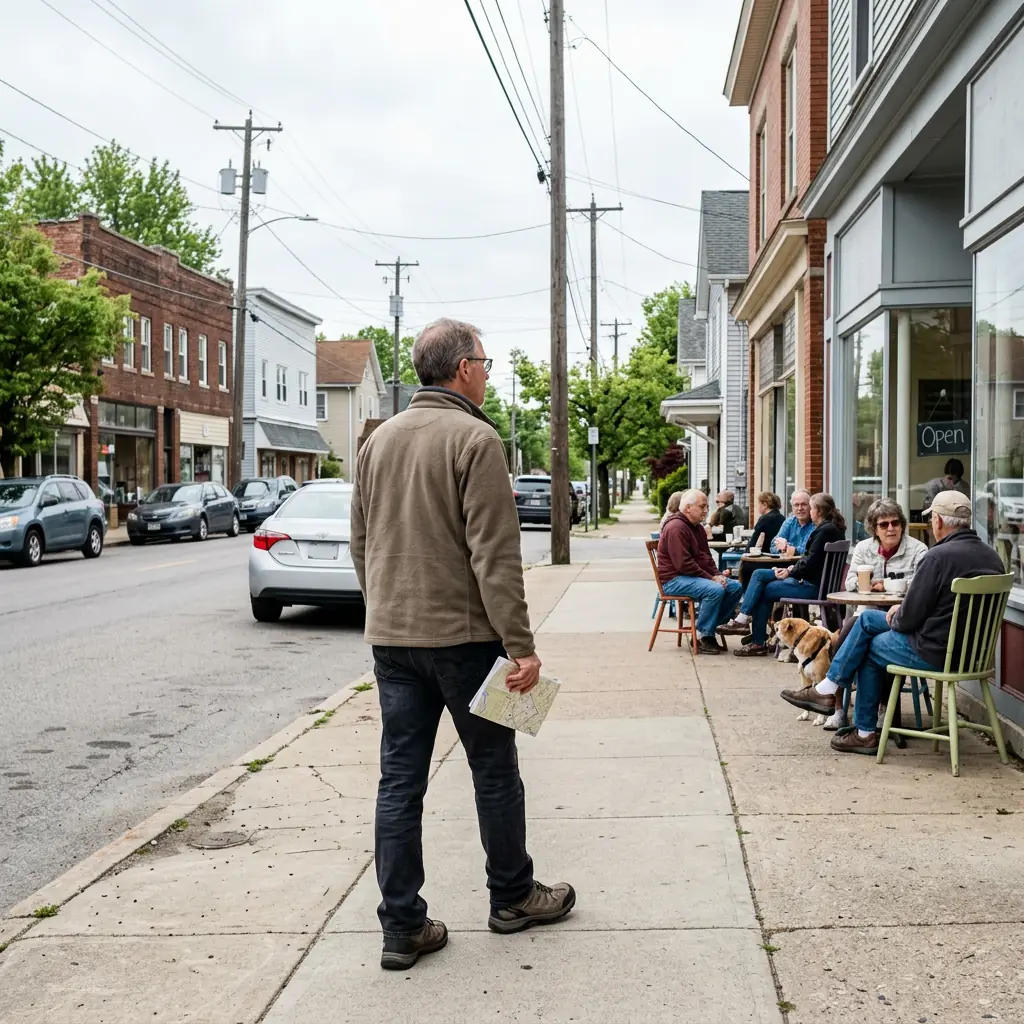
Walk a route you used to pass only on the way to work. Notice where people gather and find one place you would return to.
The alone time you did not plan

Decide how much quiet you enjoy and where you can get company when you want it. A library, class, or scheduled phone call can make the difference on a slow day.
The habit of checking work messages

Remove the shortcut if it no longer serves a purpose and replace it with something you actually want to read. Tell former colleagues how to reach you for an agreed reason.
The rule you make after one bad week

Try the new routine for several weeks before writing it off. Note which activities consistently leave you feeling better and give those more space.
The chance to change the plan

Write down what you hoped retirement would make possible and revisit it after a month. Add one thing you have learned you want and make time for it the following week.