What You Give Up When You Downsize Out of Your Neighborhood
Before leaving your neighborhood, list the people and places that keep an ordinary week running and work out which ones you can replace.

Editor's note: This guide uses illustrative scenes to help readers weigh a move.
Your plans will depend on where you live and who is available to help. Images are for illustration purposes only.
Your neighbor has had a spare key for years, and you can’t remember the last time you had to use it. Before you downsize, make a list of the people and places you count on and decide what to keep, replace, or do differently.
1. The neighbor with your spare key
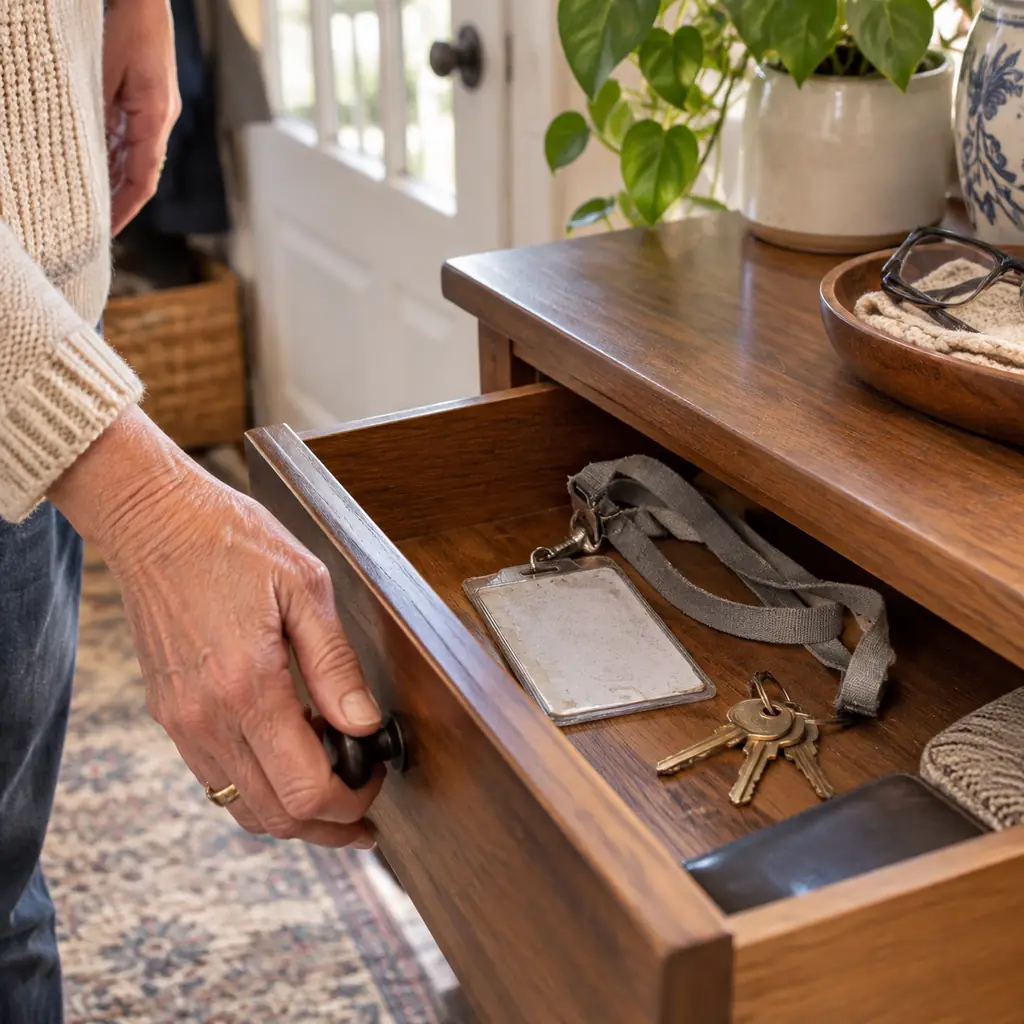
Think about the last time the neighbor let a pet sitter in or checked the house while you were away. The key works because the person holding it lives close and knows when you want them to use it.
Write down those jobs. Decide which ones you can plan ahead for and who could handle the rest. Give someone a key once you have a relationship that works for both of you.
2. The person who gives you a lift
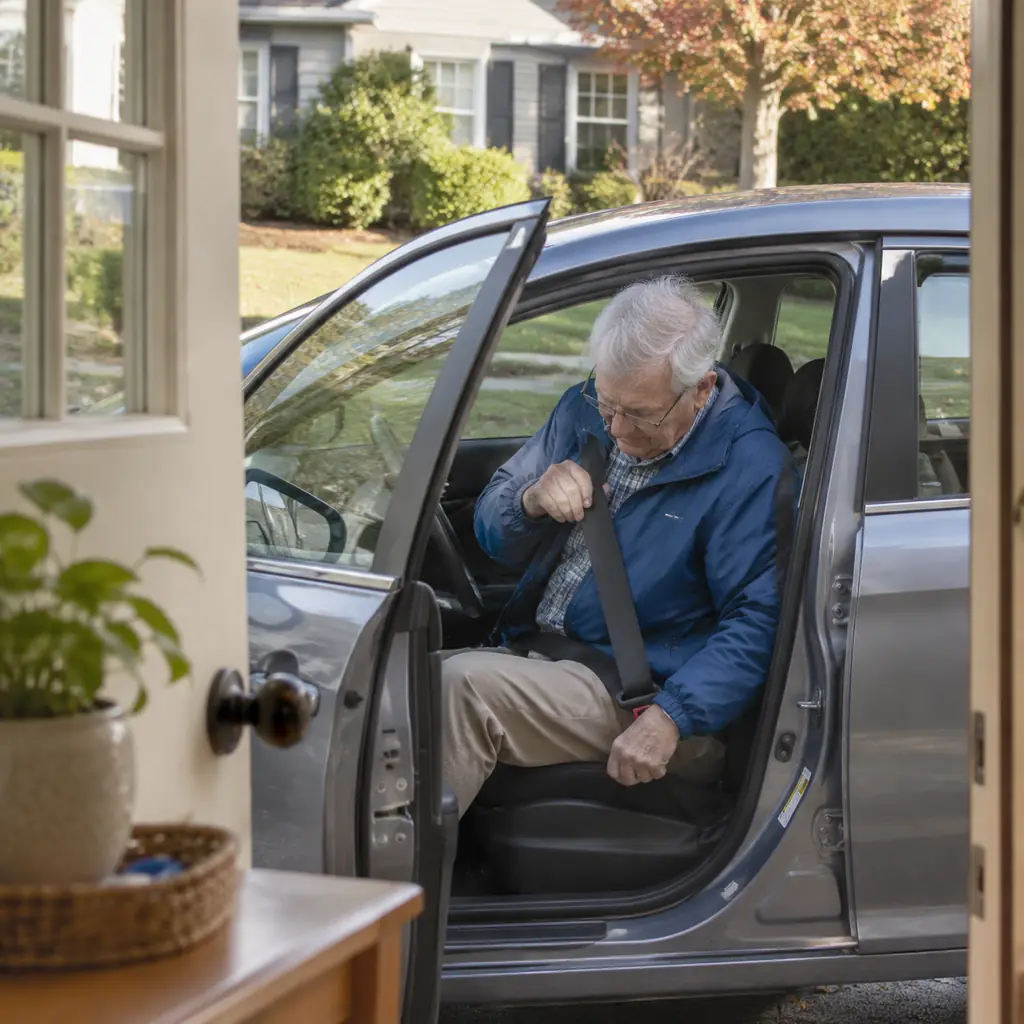
Your friend may still take you to an appointment after you move. Ask what the new pickup adds to the trip, especially if they already cross town to reach the office.
Then check one backup for an early visit and another for the trip home. Write down whether you need to book a ride in advance. If an appointment runs late, know which option will still come.
3. The pharmacy that sorts out a snag

Perhaps the pharmacy near you is open on Sunday, or the staff are quick to flag a prescription they cannot fill. Pick the two things that make the trip easy before you start comparing counters near your next home.
Call a candidate and check those details. If you plan to stay with the old pharmacy, work out who would collect a prescription on a day you couldn’t make the drive.
4. The circle that checks in when you miss a week

Look back at the plans you kept last month. A neighbor might notice when you miss your usual walk. The people at a class may assume you’re away until you tell them otherwise.
Keep one of those meetings in your calendar after the move if the route still works. Ask someone directly if they would like a regular call or walk. Make the arrangement before the visits start slipping.
5. The repair shop that knows your car or bike

A good mechanic might know which rattle you’ve been hearing for years. Keeping the shop could be worth the drive if you have a way to get home after you drop the car off.
Try the return trip on a map before assuming it’s easy. If you are also testing retirement with one car, include a service day in the trial. See how the other person’s plans fit around it.
6. The neighbor who borrows your ladder
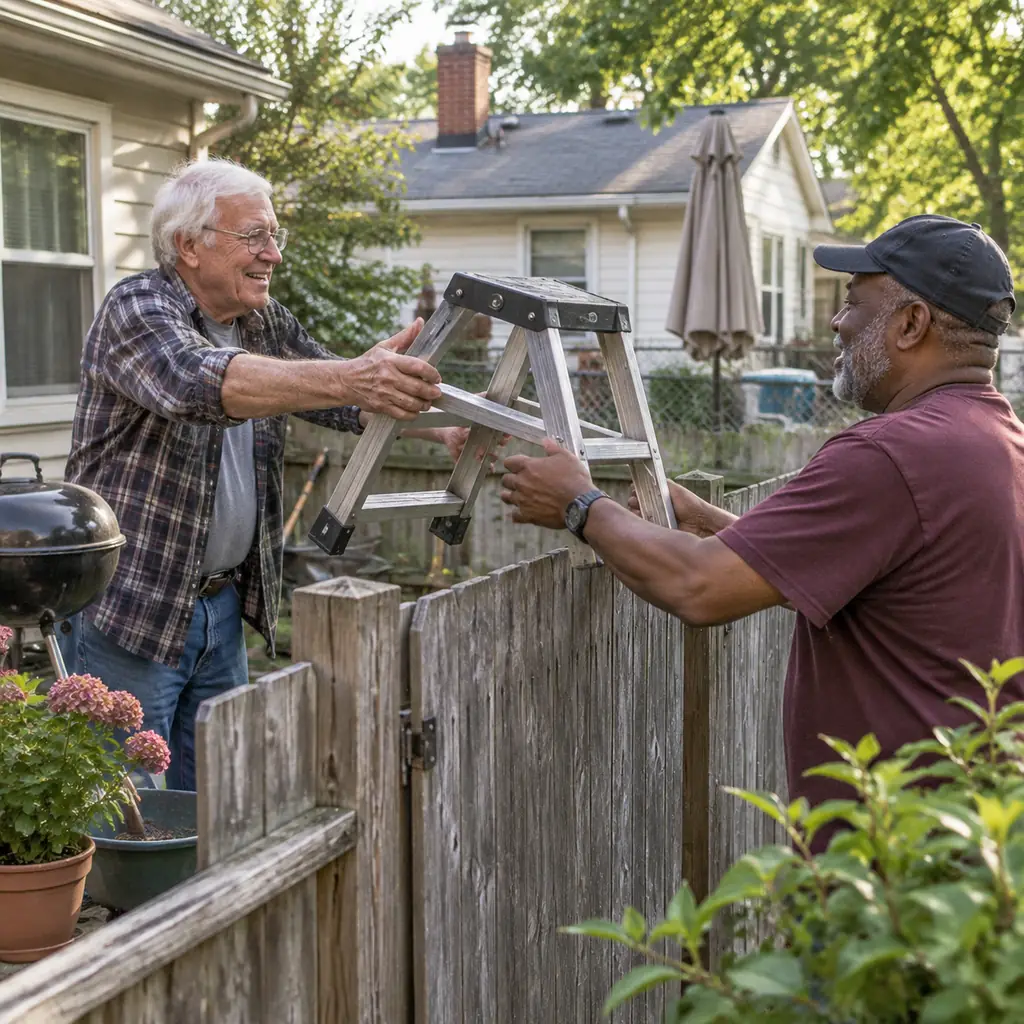
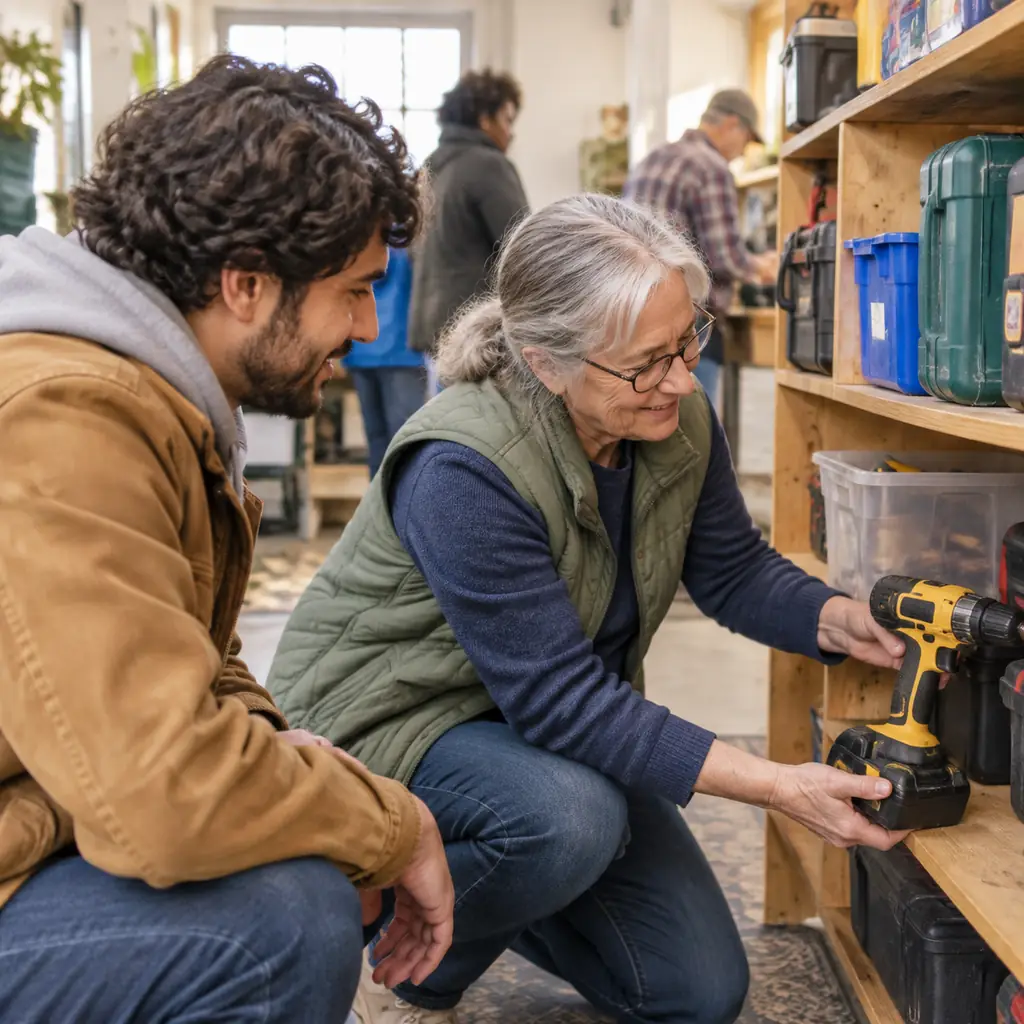
The shed may be smaller at the next place, and the people next door may have their own collection of tools. Sort your list by what you need regularly, what you could borrow, and what you could hire someone to do.
Then consider what you want to keep room for after downsizing. Leave space for a tool you’ll use. Give your current neighbor a chance to claim the tools you’re happy to part with.
7. The place where people know what you order

A morning stop can make the difference between seeing someone and spending the day by yourself. Go twice to one place near the new address, at about the same time. Notice if you enjoy the walk and feel comfortable being there without a companion.
If you want to see someone again, make a specific second invitation. Coffee next Thursday is easier to answer than a promise to stay in touch.
8. The person who looks after your pet
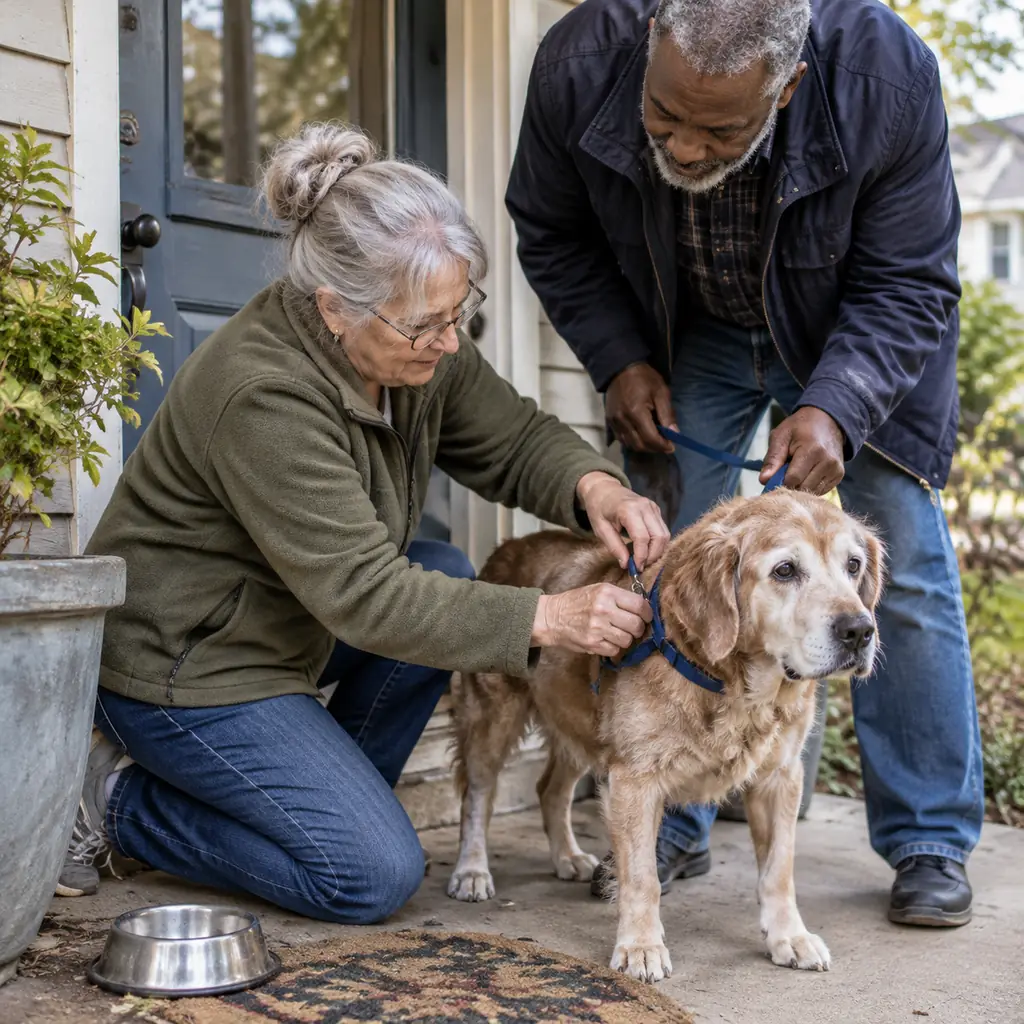
You may have a boarding place you trust for a vacation and a neighbor who can feed the cat if you get home late. Those two arrangements solve different problems. Check the late-day backup first.
If you’re moving closer to family, ask what relatives can actually take on. Walk a potential sitter through the routine while you’re there. For a dog, include the route and how you handle a difficult crossing.
9. The person who helps without making an afternoon of it

Some favors are easy because someone is already next door. If you need a second pair of hands to carry a table, a relative across town may have to set aside half a day.
Write down two jobs like that. See which ones you can arrange together and which need someone nearby. If you’re also deciding which retirement chores to keep doing yourself, use the same list to decide what to hand off.
10. The library desk or shop that answers odd questions

Think of the last time someone helped you print a form or find out which shop would fix a broken zipper. Put the places you actually asked on your list. Try the local library or another counter where you might ask the same question after you move.
If you’re looking for somewhere to show up regularly, check what happens there on an ordinary day. A place you’ll use anyway is a good starting point.
11. The friend who can still make tonight’s dinner

Your oldest friend may still be up for dinner after you move, but the new drive might put an end to a same-day invitation. Pick one old habit you both want to keep and agree on where you could meet.
If the trip makes dinner difficult, try lunch halfway between your houses. Use the same approach for easy small gatherings. A plan that takes less work is easier to repeat.
12. The backup you only notice when something goes wrong

Take a recent week when several plans changed. It might have rained on the day you had to pick up a prescription, or a ride might have fallen through. Trace how you got through that week from your old address.
Do the same exercise for the new address. Pick the one missing backup that could cause the most trouble. Put a name, place, or arrangement next to it before you make the move.