The Things You May Wish You’d Kept After Downsizing
Try the job each possession does before giving it away. A familiar table, pan or lamp may be harder to replace than it looks.
Editor's note: This opinion guide suggests ways to test what you still want to keep.
Household needs differ. The examples are illustrative and do not assign a resale value to any item. Images are for illustration purposes only.
You can give away a dining table and discover you also gave away your sewing bench, sorting surface and place to do a puzzle. Before a possession leaves the house, check which of its jobs you’ll still need done.
1. The table that earns its space in between meals
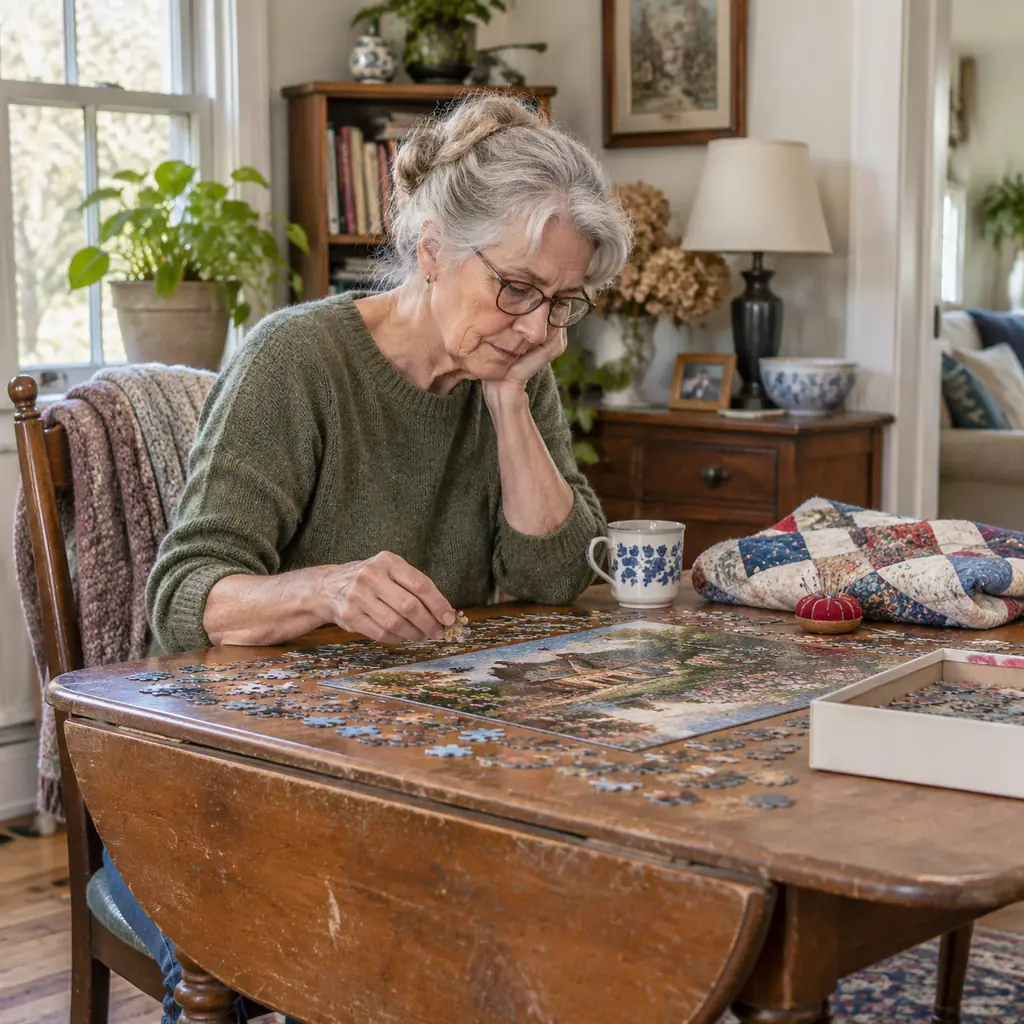
Leave the table clear for a day and see what comes back. A box of paperwork at noon can tell you more about the surface you need than a head count at Thanksgiving.
If the table is near the limit of what fits, measure it with the leaves down and the chairs pulled out. A finish you can wipe clean may make it more useful than a smaller piece you’re reluctant to use.
2. The chair you can sit in for a whole conversation

Sit in the chair you plan to replace for twenty minutes. Notice the seat depth, where your feet land and where your hands go when you get up.
Write down the features you use without thinking. If you buy something smaller, spend some time sitting in it first. An attractive chair that feels fine in a showroom for one minute might be less useful during a long visit.
3. The pan your week depends on

Pack away the pans you’re considering giving away and cook from what’s left for seven days. Start with the meals you already make, including anything you cook in batches or reheat.
If you go back for the same skillet twice, keep it until you’ve cooked in the new kitchen. Check that it works with the new stove and fits where you’ll store it.
4. The lamp that puts light where you need it

Turn off the overhead light on an ordinary evening. Notice which lamp makes it possible to read, sew or see the buttons on a remote without moving to another seat.
Record where the outlet is and which direction the light falls. It may take a night in the new place to know whether the shorter lamp you want to buy does the same job.
5. The little toolkit you can carry in one hand
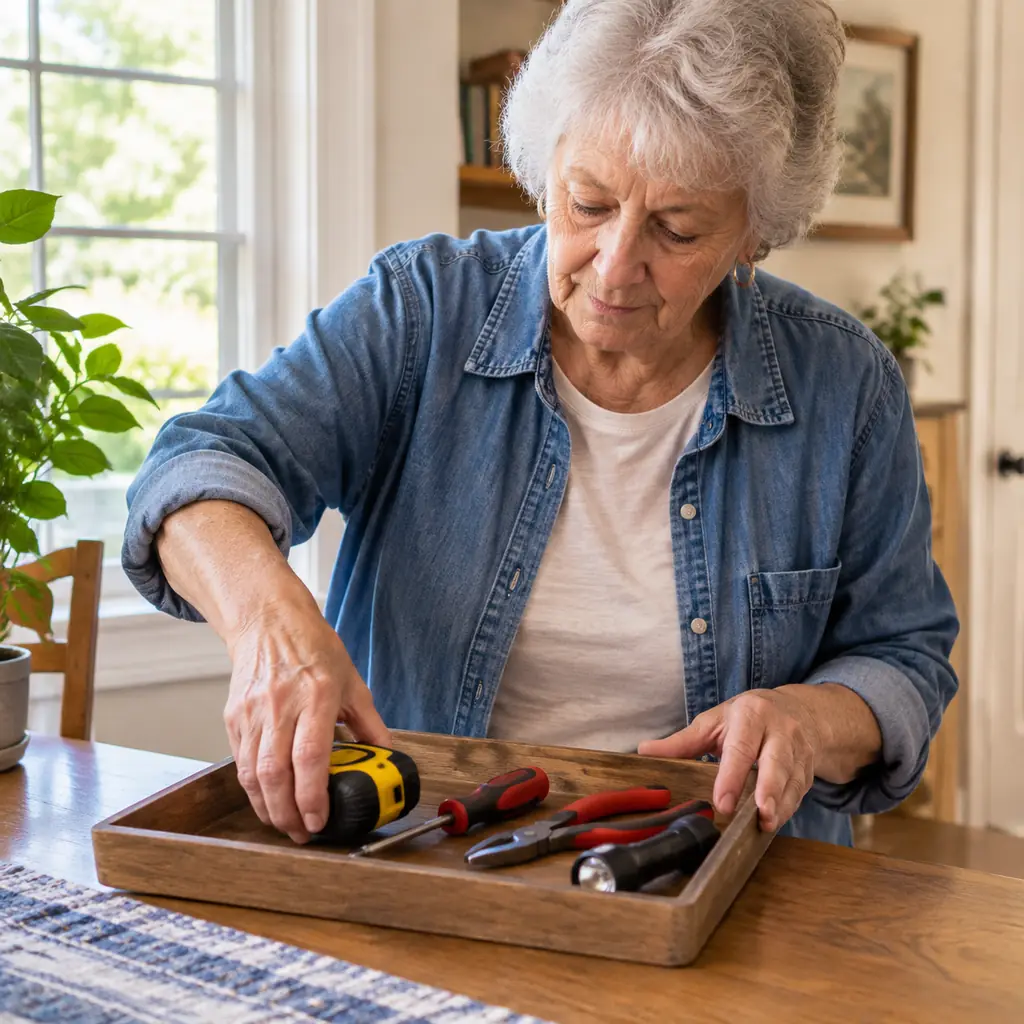
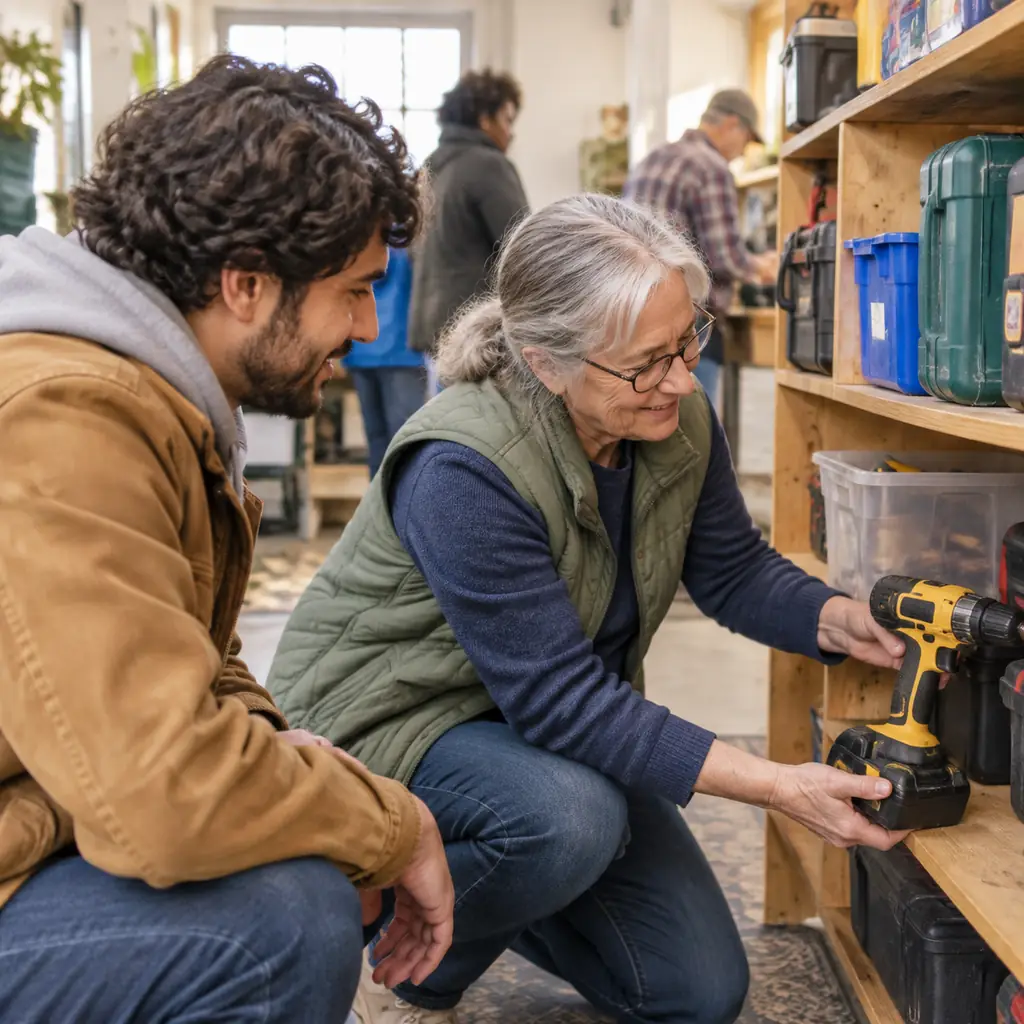
Sort out the few tools you reach for in an ordinary month. You may want a screwdriver and flashlight on your first night, even if you’ve decided someone else should handle larger repairs.
Keep this kit where you can find it among the boxes. A smaller space still has small jobs. Before keeping a whole workshop, look at which home projects are worth finishing before retirement.
6. The piece of the hobby you’re already using
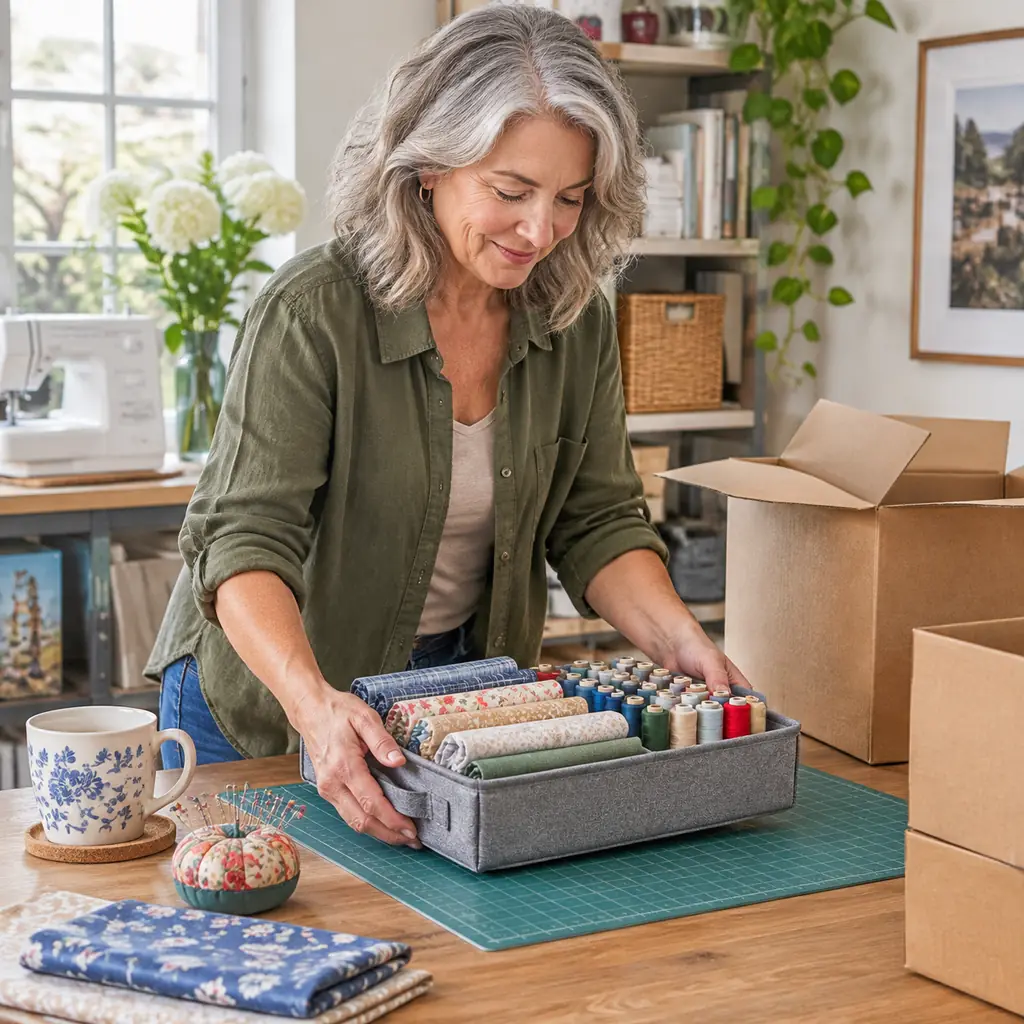
Set out what you used the last time you did your hobby. That pile can be smaller than the equipment you own for every version of the hobby you once imagined.
Keep enough to start again and decide where a project can stay unfinished. A hobby corner that stays ready may give you more use than a full closet of carefully packed materials.
7. The album with names only one person knows
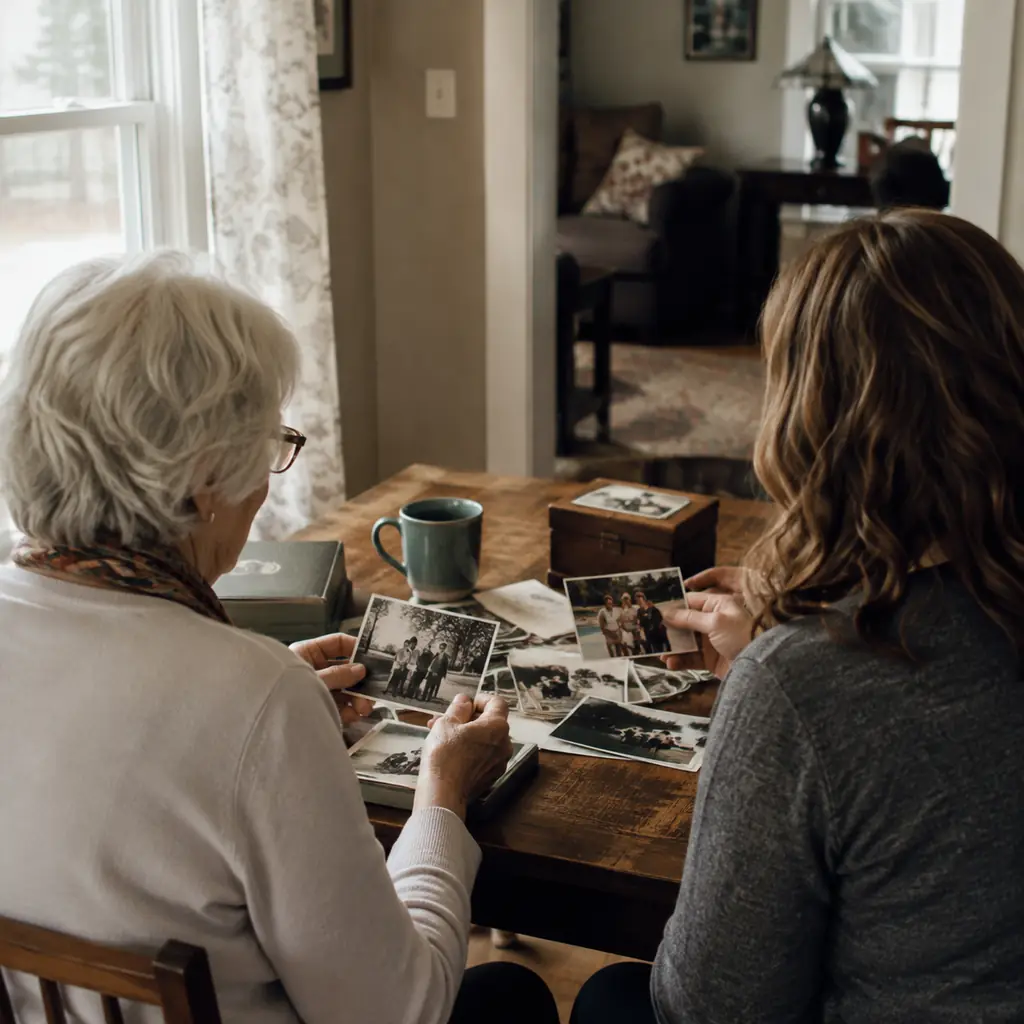
Start with pictures that need someone to explain who’s in them. Ask that person to record the names or tell you when the photo was taken before the albums go to different homes.
Decide who wants a physical copy. A shared folder can supplement the original, and you can check a few scans before changing where the originals live. These family memories grandparents notice often come from small details.
8. The stacked seats you use once a month
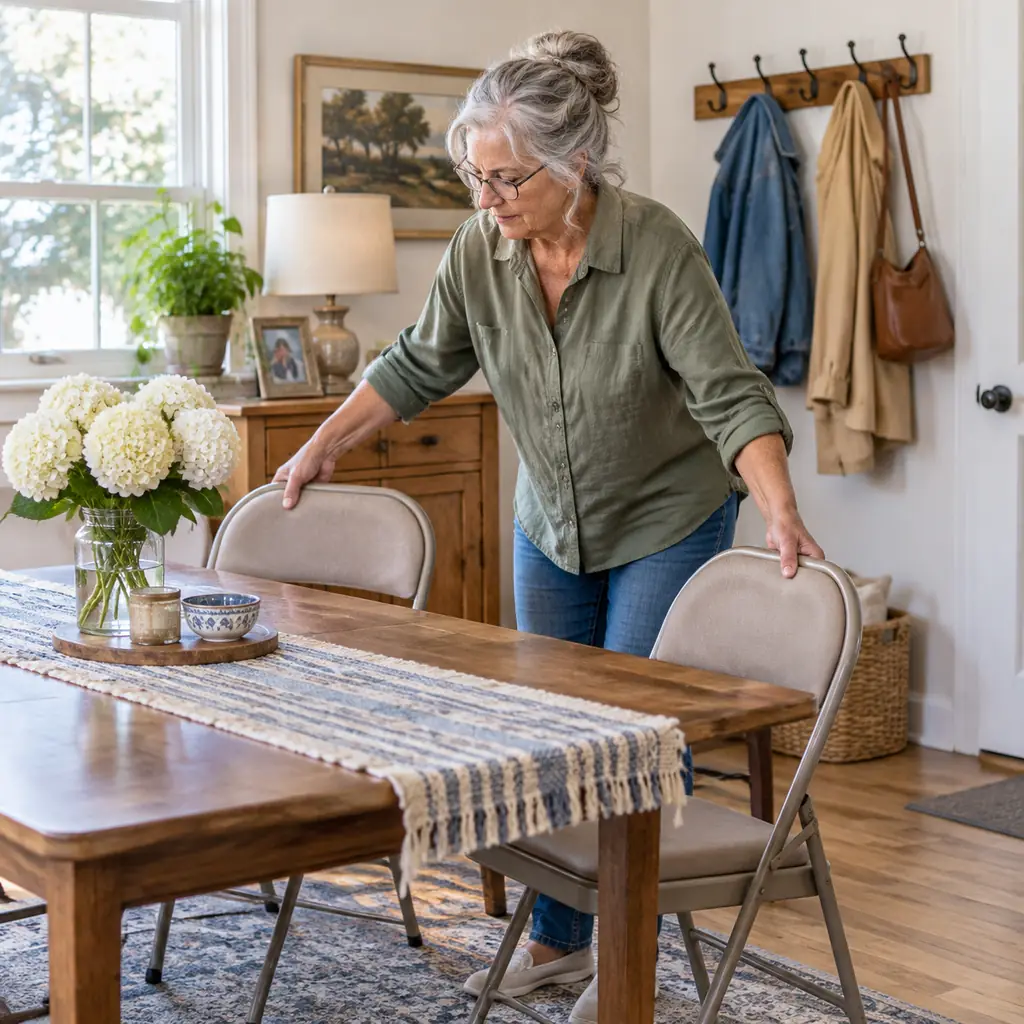
Count how many people you had over in the past few months. Two folding seats may be worth keeping if they fit behind a door and make a regular lunch possible.
Rehearse where extra coats, cups and chairs will go in the new room. That exercise helps plan a smaller home around the life you want while there’s still time to change the plan.
9. The step stool and the habits that go with it
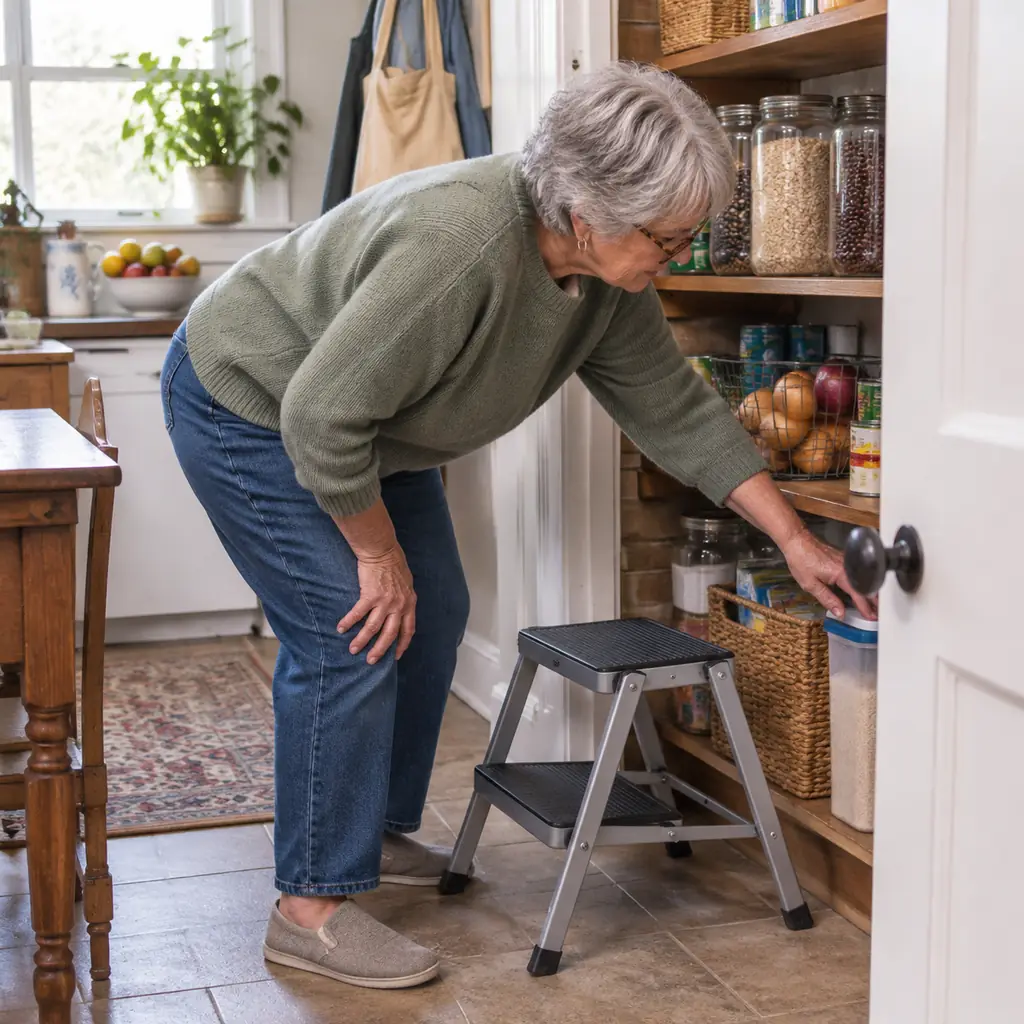
Before donating the stool, see what you use it for. If it’s the only way to reach something you use every day, you’ve identified a storage problem you can plan around.
Set up a place for everyday supplies where you can easily reach them. A retirement plan for your home can help you see where the same problem might turn up in the next kitchen.
10. The supplies that make a familiar outing easy

Keep the few things you use to get out the door for a regular outing. A light picnic blanket may be worth more to you than a cupboard full of rarely used serveware.
Try keeping somewhere to be in retirement while the move is taking up attention. If the new place has room for one ready bag, pack it last so it comes out first.
11. The spare pieces that go with the things you keep
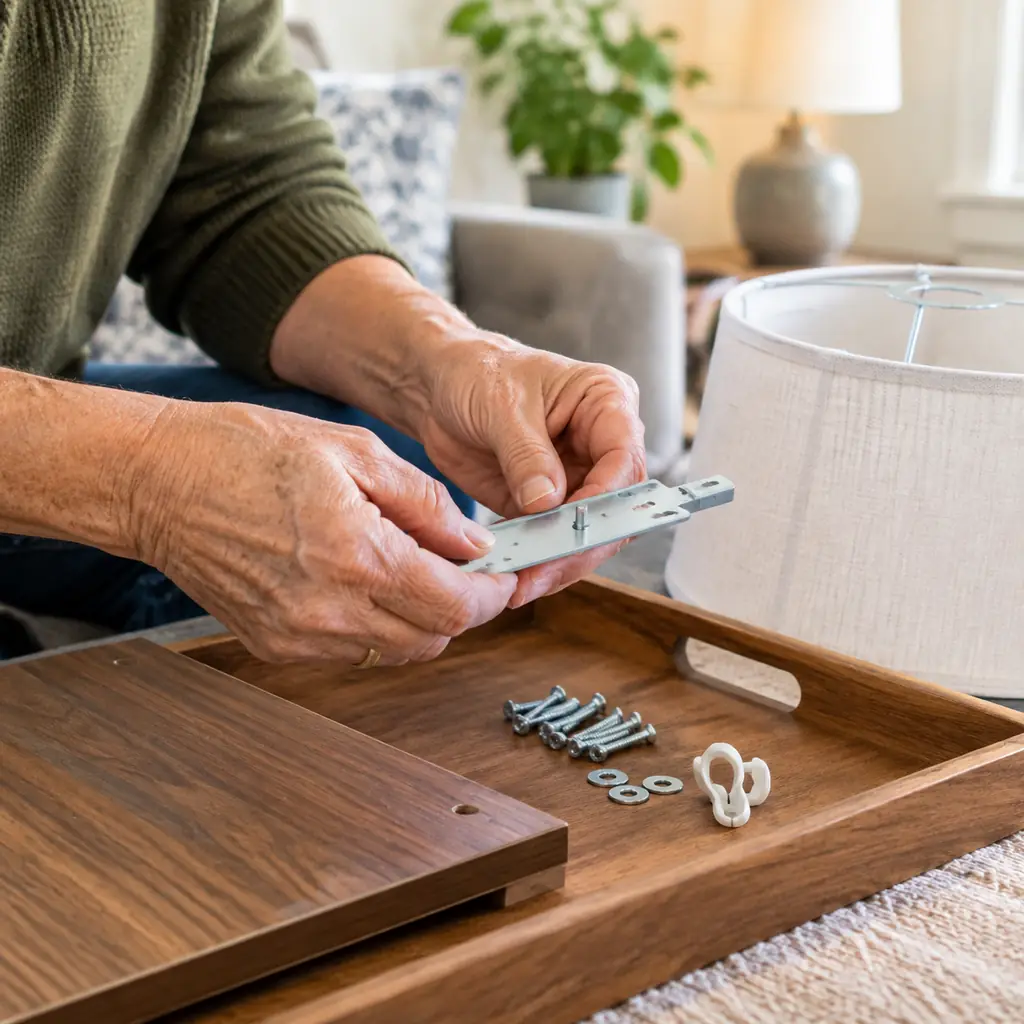
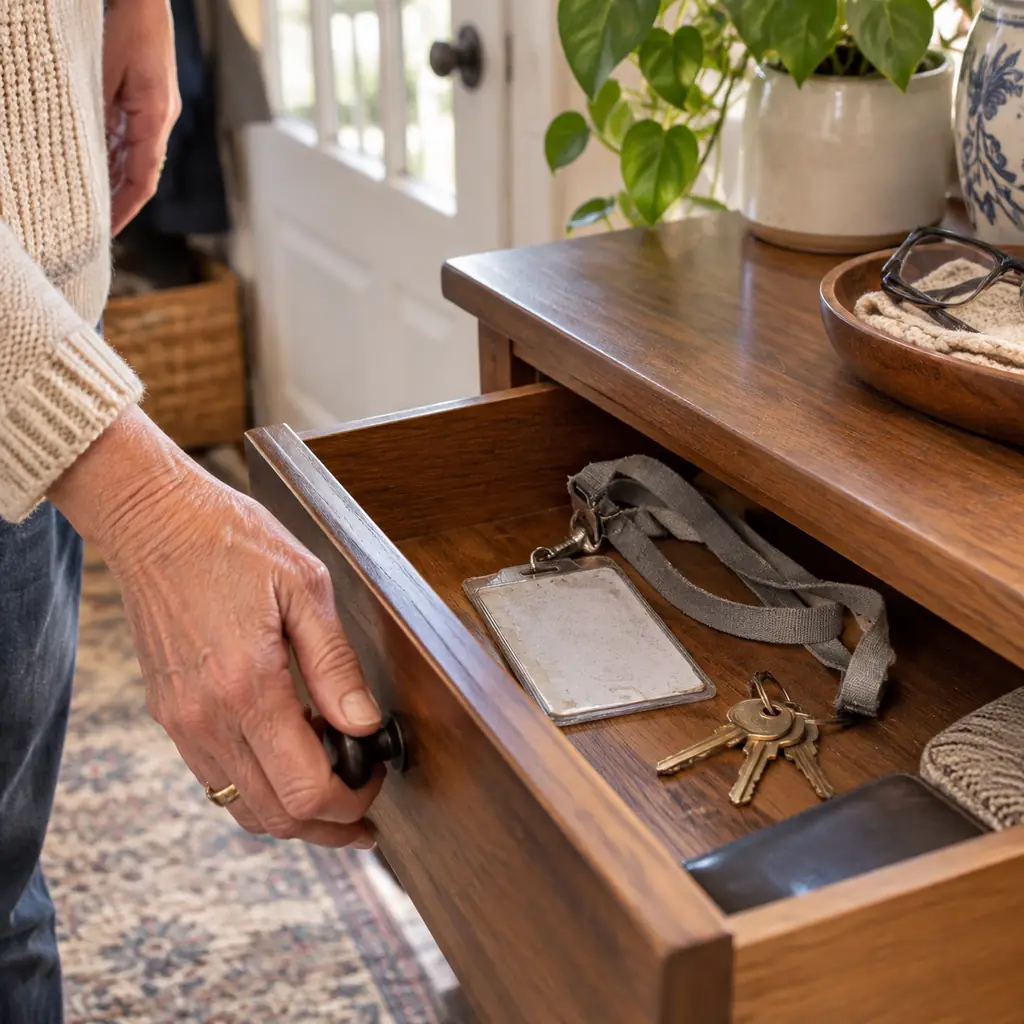
You may keep the table and lose the hardware for its extra leaf. Find the detachable pieces for things you’re keeping, including chargers, brackets and remotes.
Make sure each part actually fits the item you think it belongs to. Put small pieces in a labeled bag and keep it with that item if you can. Moving is easier when both parts arrive in the same box.
12. The small box you open after living there a month
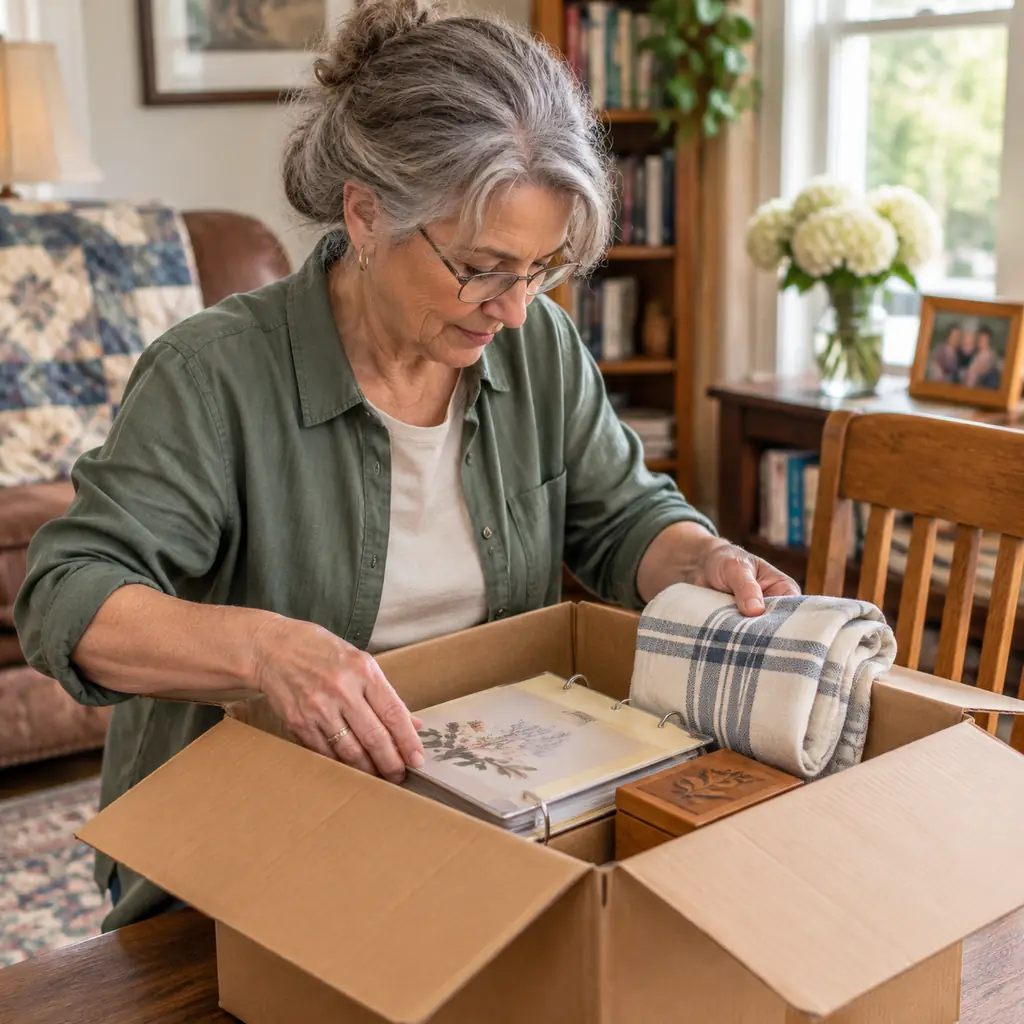
Allow one small box for hard decisions you can defer. Set a date to open it after you’ve cooked, hosted and spent an ordinary weekend in the new place.
Choose the box size first. Put the object with the clearest reason to stay in it, like the recipe book with notes from somebody whose voice you still hear. A short trial gives the rest of the decisions a chance to become easier.